Best Air Purifiers for Cat Litter Smell: A First Time Buyer's Guide for 2026
Disclosure: We may earn a commission when you buy through links on this page, at no extra cost to you. As an Amazon Associate I earn from qualifying purchases. Learn more

Shopping for the best air purifiers for cat litter smell for the first time? Learn the terms, compare options, and avoid rookie mistakes with this easy guide.
If litter odor drifts down the hall minutes after your cat uses the box, you are not alone, and the best air purifiers for cat litter smell options can genuinely help. This guide starts with the basics, explains each spec in plain English, and walks you toward a confident first purchase. No jargon dumps, no pressure, just the order of decisions that actually matters.
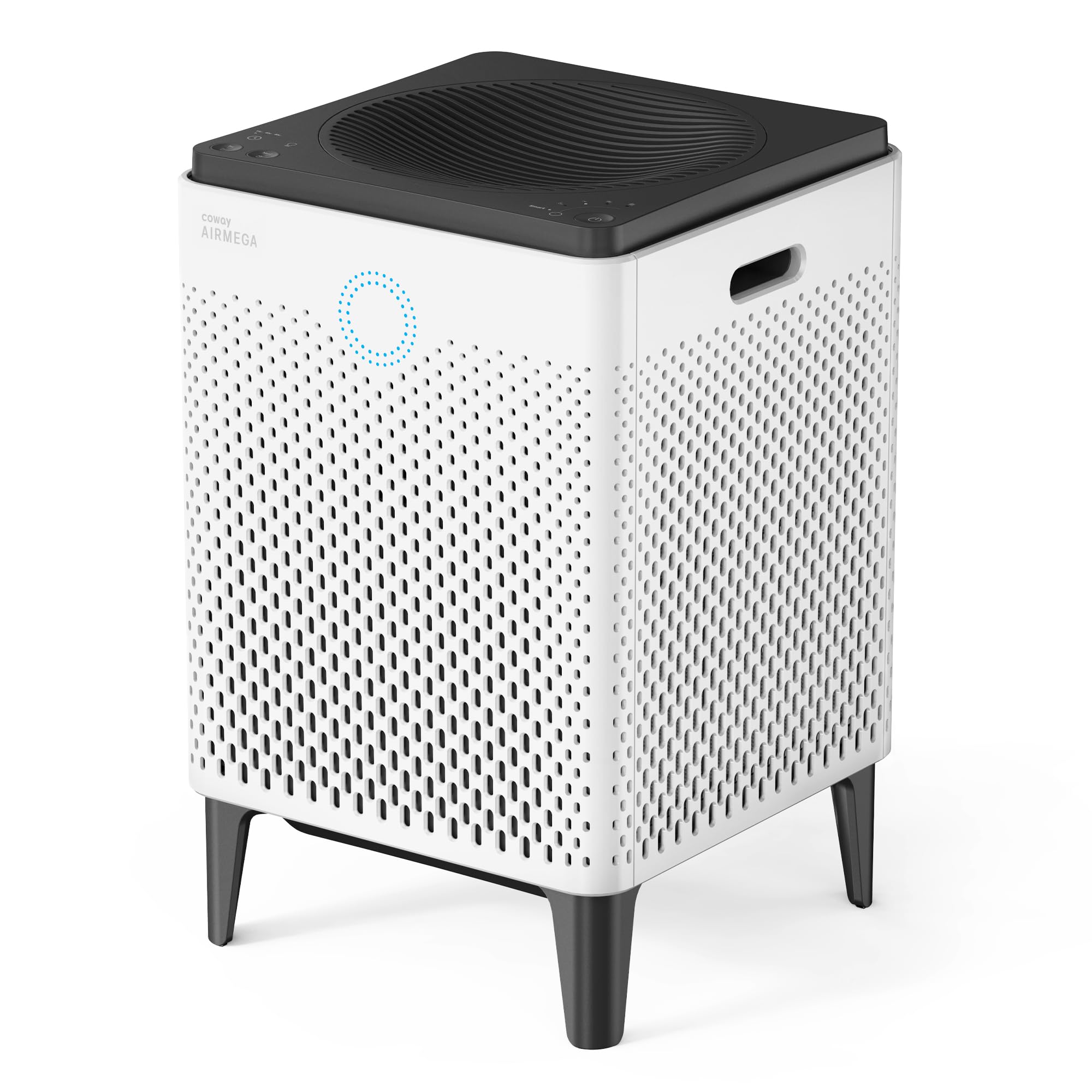
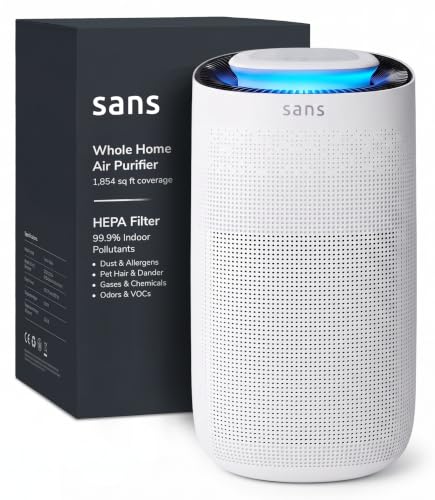
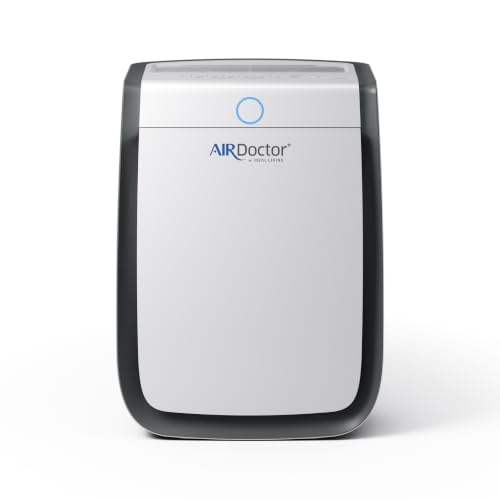
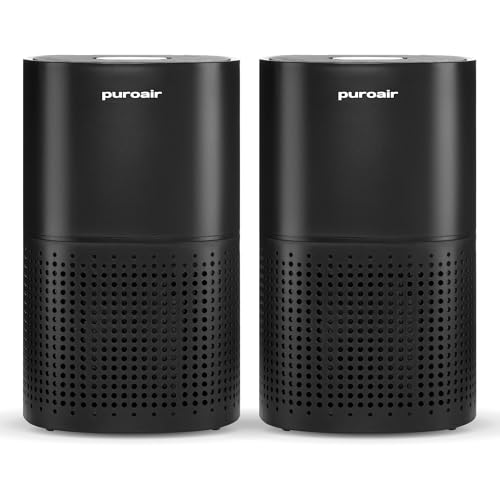
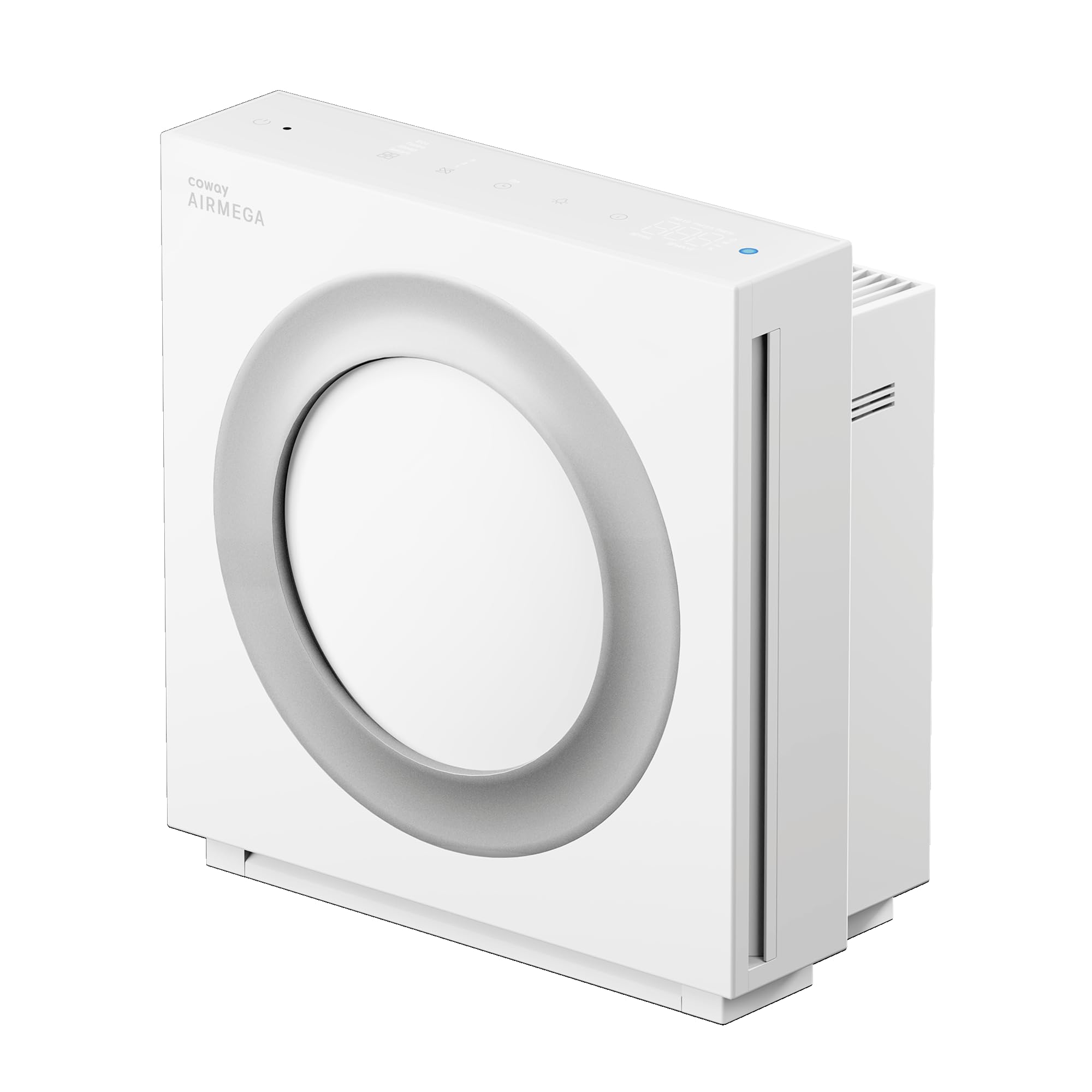
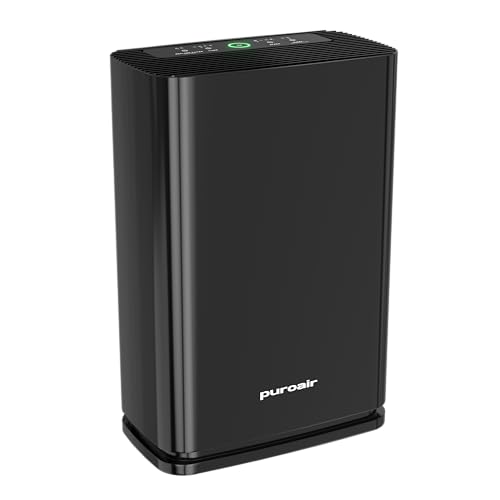
Here is the key idea to hold onto: litter smell is a gas problem, not just a particle problem. The filter that handles odor is different from the filter that handles dust and hair. Once you understand that split, every product page becomes easier to read. The comparison table below shows the range of sizes and prices you will be choosing from.



Air Purifiers 101: The Basics
An air purifier is a fan plus a set of filters in a case. The fan pulls room air in, the filters trap or absorb what you do not want to breathe, and cleaner air flows back out. Run it near the source of the smell and it treats the air again and again, several times per hour in a closed room.
Two filter jobs matter for cat homes. A True HEPA filter traps solid particles: litter dust, dander, and fine debris your cat kicks up. An activated carbon filter absorbs gases, and litter odor is mostly gases such as ammonia. A unit with only HEPA will clear dust but leave much of the smell. A unit with a thick carbon layer does the odor work. Most first time buyers need both jobs in one machine.
You will also see terms like CADR and ACH in listings. CADR rates how much clean air a unit delivers. ACH means air changes per hour, or how often the unit can process the full volume of air in your room. We explain both in the next section so the numbers stop feeling like alphabet soup.
Key Specs Explained in Plain English
Read each spec with one question in mind: does this help with litter odor in my actual room? The sections below translate the main terms, give you a target range to aim for, and flag the traps that catch first time buyers most often.
Features That Matter for Cat Litter Smell
Carbon quantity is the headline feature for litter odor. Look for a substantial activated carbon filter, ideally a thick bed or a heavy carbon canister, rather than a thin carbon coated sheet that saturates within weeks. Some carbon is treated to target ammonia specifically, which helps in litter areas. A washable prefilter in front catches hair and grit, protecting the costlier filters behind it and keeping airflow strong between changes.
Room Size and Coverage
Measure the room where the litter box lives, in square feet, before you shop. Most litter areas sit in a laundry room, bathroom, or spare room of about 80 to 250 square feet. Use the AHAM guide: pick a smoke CADR of at least two thirds of the room area. For a 180 square foot room, that means a CADR near 120 or higher, giving you about 4 to 5 air changes per hour with the door mostly closed.
Performance Ratings (CADR, BTU, Pints/Day, CFM)
CADR is the number to trust because it already accounts for how well the filters work, not just how hard the fan blows. Listings may also show CFM, which is raw airflow before filtration is counted. BTU and pints per day belong to air conditioners and dehumidifiers, so ignore them on purifier pages. One more rating matters for odor: some brands state carbon weight. More carbon by weight generally means a longer working life before the smell returns.
Filter Type and Replacement Cost
Plan on two filter costs. The True HEPA element usually lasts 6 to 12 months. The carbon element works hardest in a litter room and may need changing every 3 to 6 months, because once carbon is saturated it releases nothing back but simply stops absorbing, and odor creeps back. Yearly filter cost often runs about $40 to $120 depending on unit size. Check that cost on the product page now, while you can still choose a different model with cheaper upkeep.
Smart Controls and Sensors
An air quality sensor watches particle levels and can raise fan speed after your cat digs in the box and raises dust. Auto mode is genuinely useful for litter areas because odor and dust spike at random times of day. App control and schedules help if the unit sits in a laundry room you rarely enter. That said, a simple unit with a reliable timer covers most needs, so treat smart features as a comfort extra rather than a must have.
Noise deserves a quick check too. A unit near a bedroom should offer a low speed at about 30 to 40 dB. Near a litter box in a utility space, noise matters less, and you can run higher speeds freely. If your cat is nervous, start the unit on low for the first days so the new sound and airflow become part of the background. For broader odor guidance, see our guide to best air purifiers for smells, and for hair focused help, our guide to best air purifiers for cat hair covers grooming and prefilter care.
Rookie Mistakes to Avoid
First time buyers tend to make the same five errors. Each one is easy to dodge once you know it exists.
- Buying HEPA only. A unit with no real carbon layer clears dust but leaves litter odor almost untouched.
- Sizing by guess. A tiny desktop unit cannot treat a whole laundry room, no matter how strong the marketing sounds.
- Hiding the unit. A purifier tucked behind the litter box or inside a cabinet cannot move enough air to work.
- Forgetting filter cost. A bargain unit with pricey short lived carbon filters costs more within a year.
- Skipping the basics. No purifier can outrun a box that is scooped once a week. Daily scooping does more than any machine.
If you are comparing cat focused options more broadly, our guide to best air purifiers for cats looks at dander and hair alongside odor, while our overview of best air cleaners and purifiers explains cleaner types for the whole home. Our guide to best home air purifiers helps if you later add a second unit for living areas.
Getting Started: Setup and First Use
Setup takes about ten minutes. Unbox the unit, open the cover, and remove the plastic bag from each filter, which is the step new owners most often forget. A unit run with bagged filters does almost nothing, so check twice. Place the unit a few feet from the litter box, at least a foot from walls, with the intake facing the room rather than the wall.
Run it on auto or medium for the first week so you can judge the difference fairly. Keep doors and windows closed while it runs in that room, or outdoor air dilutes the effect. Scoop the box daily, top up litter weekly, and note the date you started the carbon filter on your phone calendar. Replace or clean filters on schedule from that date, and the odor control will stay consistent instead of fading without you noticing.
FAQs
What features matter most in air purifiers for cat litter smell?
A thick activated carbon filter matters most, because litter odor is gas and only carbon absorbs gas at room scale. A True HEPA filter is the strong second feature, trapping litter dust and dander. Together they cover both halves of the problem. If you are comparing the best air purifiers for cat litter more generally, weigh carbon weight first, then CADR, then noise, in that order.
What size do I need for my room?
Size for the room holding the litter box, not the whole home. Measure its length and width in feet and multiply for square feet. Then choose a smoke CADR of at least two thirds of that area. A 150 square foot laundry room needs a CADR near 100. If the box sits in an open plan space, treat the seating zone around it as the room and size for that area instead.
How often should I replace the filter?
Expect to replace the carbon filter every 3 to 6 months in a litter room, sooner than in any other room of the house, because litter gases load it fast. The True HEPA filter usually lasts 6 to 12 months, and the washable prefilter needs vacuuming about once a month. A clear sign the carbon is done: the room smells fine right after scooping but the odor returns within an hour despite the unit running.
Do air purifiers really work?
Yes, for this job they work when the carbon layer is substantial and the unit is sized to the room. You should notice less lingering odor within the first day or two of steady running. They do not remove the source, so scooping and litter changes remain essential. Think of the purifier as handling the airborne share of the smell while your routine handles the rest.
Is it expensive to run 24/7?
No, a small to mid size unit typically draws about 30 to 60 watts, which often costs only a few dollars per month even when run all day. Litter areas benefit from constant running because odor builds between visits. ENERGY STAR models trim the cost further. The real budget item is carbon filter replacement, so plan that cost in from the start rather than treating it as a surprise.
Where is the best place to put it?
Place it in the same room as the litter box, a few feet away, with clear space around the intake and outlet. Same room placement matters far more than raw power, since odor is easiest to capture near its source. Keep it off the floor if flooding or litter spills are a risk in that space, using a stable low stand. Avoid placing it in a different room behind a closed door, where it can do almost nothing.
Our Verdict
For a first purchase, remember three things: carbon quantity controls odor, CADR matched to the room controls coverage, and daily scooping controls the source. Compare those points in the product table above, and the right choice among the best air purifiers for cat litter smell becomes much clearer. Start with the room where the box lives, run the unit steadily for a week, and let the results confirm your pick.