Best Air Purifiers for Cat Hair 2026: Buying Guide
Disclosure: We may earn a commission when you buy through links on this page, at no extra cost to you. As an Amazon Associate I earn from qualifying purchases. Learn more
Learn how to choose an air purifier for cat hair, from filter types and room size to noise, running costs, and daily upkeep in this plain buying guide.
When you start shopping for best air purifiers for cat hair, the choice can feel confusing, and cat hair collects on furniture and floats through the air, so a purifier has to handle both visible fur and the fine particles that travel with it. This guide explains the main types in plain language so you can compare them without needing technical knowledge.
The comparison table below gives a quick overview of the main air purifier types, and the sections that follow explain who each type suits, which features matter most, and how to avoid common buying mistakes. By the end, you should be able to match a model to your home, your routine, and your budget.


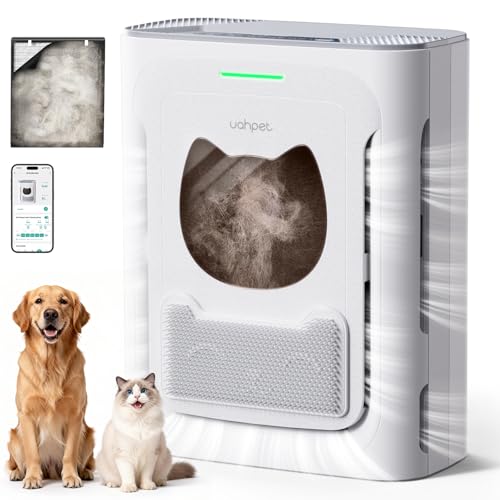
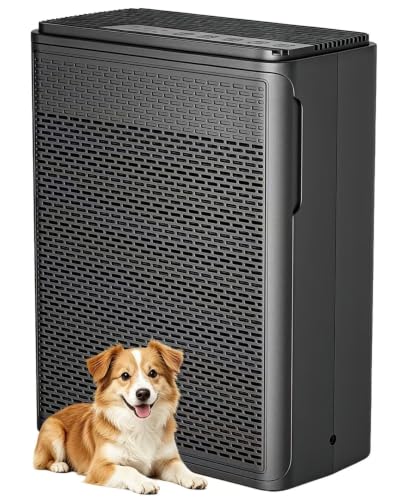
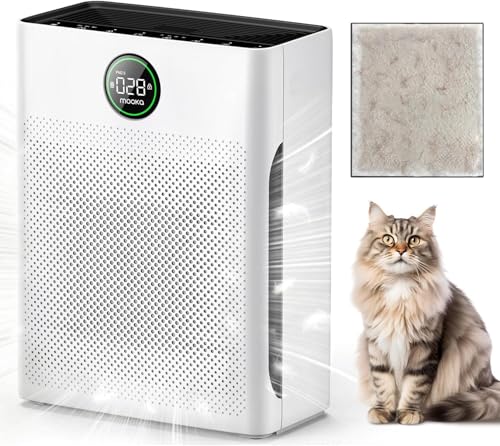

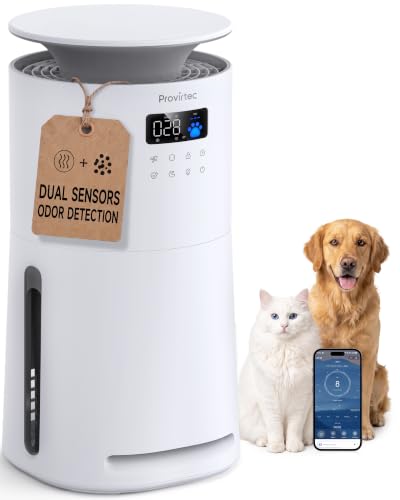
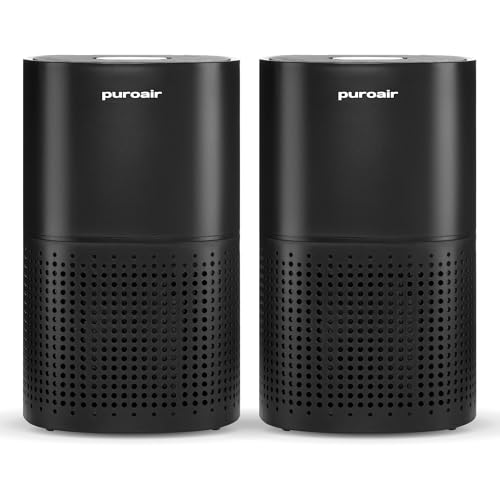


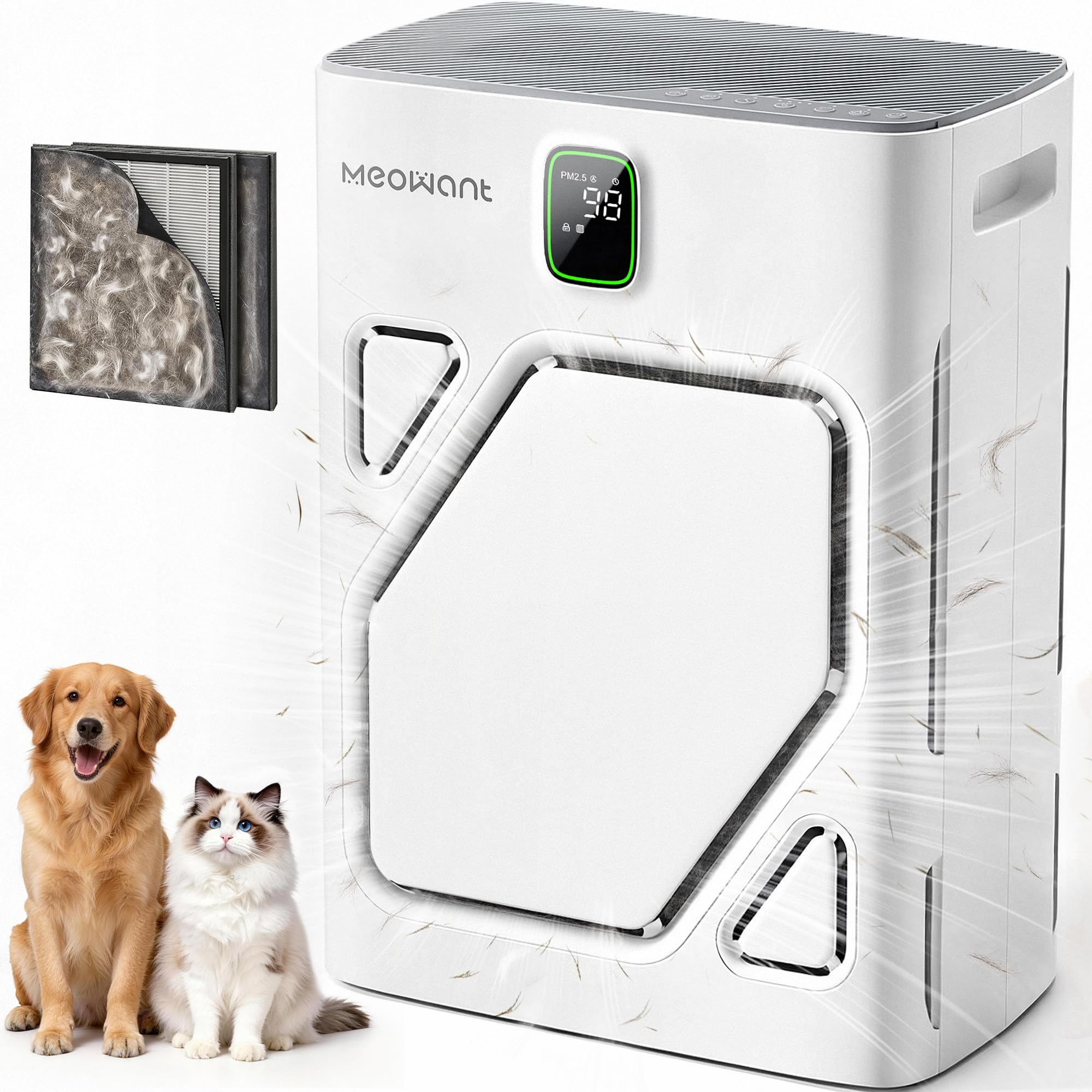
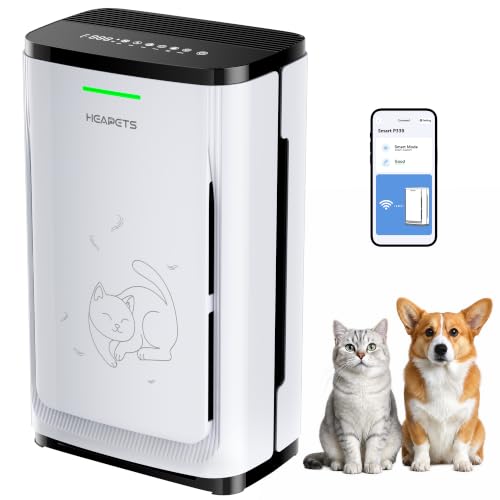
Price alone rarely tells the full story, since running costs, maintenance, and how well a model fits your space often matter more over time. Keep those factors in mind as you read, and note any feature that would change your daily routine for better or worse.
Types of Air Purifiers Compared
Different air purifier types suit different routines, so start by matching the type to how you will actually use it. The table below summarises the main options, and each type is explained in more detail underneath.
| Type | Best For | Typical Price |
|---|---|---|
| Small Room Purifiers | Bedrooms and home offices | about $80 to $180 |
| Large Room Purifiers | Open living areas | about $180 to $450 |
| Purifiers With Washable Prefilters | Homes with heavy shedding | about $120 to $300 |
Small Room Purifiers
Small room purifiers suit a single bedroom or office where a cat sleeps. They move less air than large units, so they work best with the door closed and the unit running on a steady setting. Their filters are smaller, which means more frequent changes in a home with a heavy shedding cat, but they are quiet and easy to place near a bed or desk.
Large Room Purifiers
Large room purifiers cover open plan living areas where cats roam freely. They push more air through larger filters, which helps when fur builds up on sofas and rugs. They cost more to run and take up more floor space, yet they are the safer choice when one unit must serve several rooms or a large lounge.
Purifiers With Washable Prefilters
A washable prefilter catches loose fur before it reaches the main filter. This extends the life of the expensive filter inside and keeps airflow steady between changes. Rinsing the prefilter every week or two is a small chore that pays off in lower running costs and steadier performance.
For a wider comparison within this category, readers often also look at best air cleaners and purifiers, best air purifiers for cats, best home air purifiers. Each guide covers a closely related option, so you can see how air purifier choices differ before settling on a type.
Who Should Buy Which Type
The right air purifier depends on who will use it and how often. The groups below cover the most common buyers, so find the one closest to your situation and note the features it prioritizes.
Cat Owners With Allergies
Allergy prone owners should look for a sealed system and a true high efficiency filter that traps fine dander. Check the room coverage rating against the actual room size, not the largest claim on the box, and plan for regular filter changes.
Multi Cat Households
Homes with two or more cats need stronger airflow and larger filters. A unit that copes with one cat may clog quickly with three, so size up and favour models with a washable prefilter and a filter change indicator.
Apartment Dwellers
In a small flat, noise and size matter as much as cleaning power. Choose a quiet model that fits beside a sofa or bed, and run it on a low setting overnight so it does not disturb sleep.
Key Features Explained
Marketing lists can hide what actually matters, so focus on the features below when comparing models. Each one affects daily use, running costs, or long term satisfaction in a direct way.
- Filter Type: A high efficiency particulate filter traps fine dander and dust, while a carbon layer helps with odours from litter areas. Check whether the filter is a single combined unit or separate layers, since that affects replacement cost.
- Room Coverage: Coverage figures assume a set number of air changes per hour. Compare models on the same basis and measure your room before buying, because an undersized unit will run hard and still leave corners stale.
- Noise Level: Noise is usually quoted at the lowest setting, which may clean too slowly. Look for the noise level at a medium setting, since that is where most people run a purifier day to day.
- Running Costs: Add up filter prices and how often they need changing. A cheaper purifier with costly filters can cost more over two years than a pricier model with long lasting filters.
For a wider comparison within this category, readers often also look at best air purifiers for cat dander, best air purifiers for dust and pet hair. Each guide covers a closely related option, so you can see how air purifier choices differ before settling on a type.
Common Mistakes to Avoid
A common mistake is buying on room coverage alone without checking how many air changes that figure assumes. Another is placing the unit in a corner behind a sofa, which starves it of air. A third is forgetting filter costs, which can quietly double the price of ownership over a few years.
Take time to measure, check compatibility, and read the manual before first use. A little preparation avoids most disappointments, and it also helps you spot a poor fit before the return window closes.
Care and Everyday Use
Vacuum around the purifier intake each week, since fur can mat over the grille and choke airflow. Wipe the outside with a dry cloth, rinse a washable prefilter as the maker directs, and keep spare filters on hand so a change is never delayed. Note the install date on the filter frame to track its age.
If anyone in the home has asthma or persistent breathing trouble, treat a purifier as one part of a wider plan, not a cure. Keep the home ventilated, clean soft furnishings regularly, and seek medical advice promptly for wheezing, chest tightness, or symptoms that keep getting worse.
Planning for Everyday Use
Before ordering, measure the room, check the noise rating at medium speed, and total the yearly filter cost. A unit that fits the room, runs quietly enough to stay on, and has affordable filters is far more useful than a powerful model that gets switched off.
Once you have shortlisted two or three models, compare them side by side on the features above rather than on headline claims. The product table above can help here, since it keeps the main types in view while you weigh trade offs.
Getting the Most From Your Choice
Spend the first week learning how the model behaves in your own space, since showroom impressions rarely match daily use. Try it at different times of day, note anything that annoys you, and check whether those annoyances fade with familiarity or grow with repetition. A model that feels natural after a week is usually a good long term fit, while one that still frustrates you after a week rarely improves.
Keep the manual and warranty details somewhere easy to find, and register the product if the maker offers it. Note the purchase date and the retailer, since warranty claims go far more smoothly with those details at hand. If the model needs consumables, order the first replacement early so you are never caught out by a sudden shortage.
Finally, judge the purchase after a month of normal use rather than on first impressions alone. Early excitement fades, but steady usefulness does not, and a month gives enough time for habits to form and for small problems to surface while returns are still possible.
A Final Check Before You Buy
Before ordering your air purifier, run through this short checklist. It takes only a few minutes and catches the oversights that cause most returns and regrets.
- Measure your space and confirm the air purifier fits with room to use it comfortably.
- Check compatibility with what you already own, from power supplies to existing accessories.
- Compare running costs over two years, not just the purchase price on the day.
- Read the warranty and return terms, and note who handles service if something goes wrong.
- Confirm delivery, installation, and any extra parts you will need on arrival.
With those checks done, you can order with confidence, knowing the air purifier you chose fits your space, your routine, and your budget rather than just looking good on a product page.
Frequently Asked Questions
How often should I change the filter in a home with cats?
Filter life depends on shedding, room size, and run time. In most cat homes, check the prefilter weekly and expect the main filter to last about six to twelve months. A filter change light helps, but a visible drop in airflow or a lingering odour is also a sign that a change is due.
Does an air purifier remove cat hair from furniture?
No, a purifier only cleans airborne particles. Hair that has settled on sofas and clothes still needs vacuuming and lint rolling. A purifier helps most with fur that is still floating and with dander, which is too small to see and stays airborne far longer.
Should the purifier run all day?
Running a purifier all day gives the steadiest air quality, especially in rooms where cats spend most of their time. Many owners run it on medium during the day and low overnight. Turning it off for long stretches lets dander build up again, so steady use works better than short bursts.
Where should I place the purifier?
Place it where air can flow freely around it, away from walls and curtains, and near where the cat rests. Avoid tucking it behind furniture, since blocked intakes cut cleaning power. In a large home, one unit per main living area works better than one unit trying to serve the whole house.
Do purifiers help with cat allergy symptoms?
A good purifier can lower airborne dander, which may ease symptoms for some people, but it cannot remove dander from bedding or carpets. Wash bedding often, vacuum with a sealed machine, and talk with your clinician if symptoms persist or worsen despite these steps.
Final Thoughts
Choosing the right best air purifiers for cat hair comes down to matching type, features, and budget to your real routine. Use the comparison table above as a starting point, check the details that matter for your situation, and favour a model you will actually enjoy using every day.
If you have ongoing health concerns, talk with your clinician before relying on any product feature for health decisions.