Best Air Purifiers for Cats Buying Guide 2026
Disclosure: We may earn a commission when you buy through links on this page, at no extra cost to you. As an Amazon Associate I earn from qualifying purchases. Learn more

Compare the best air purifiers for cats by dander control, hair handling, odor reduction, and quiet running so shared rooms stay fresh.
Choosing best air purifiers for cats is about tackling the specific mix of dander, hair, litter dust, and odor that comes with living with cats. A good purifier captures fine dander particles that trigger allergies, traps hair before it settles everywhere, and reduces the stale smell that can linger in small apartments. The right machine makes shared rooms fresher without disturbing the cat.
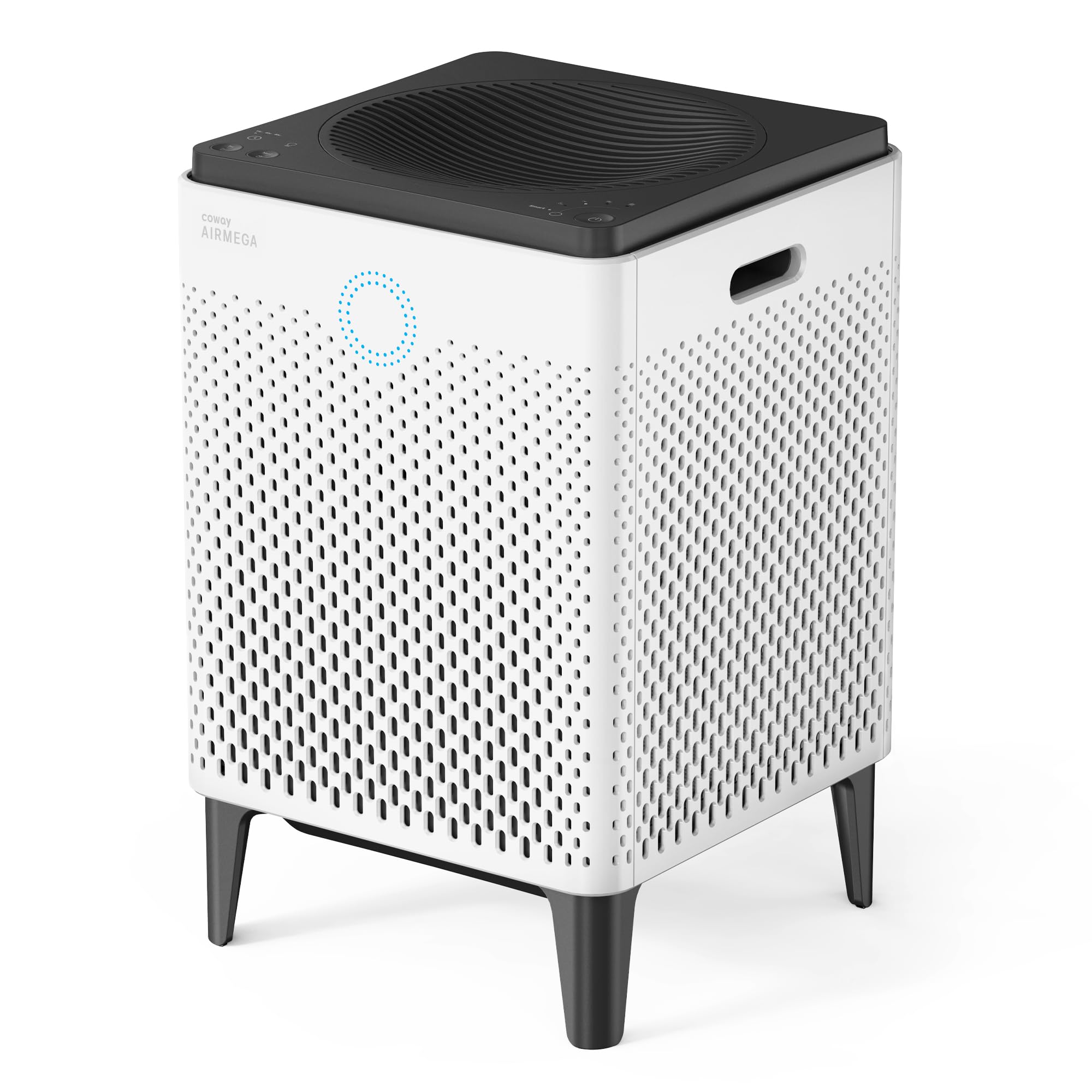
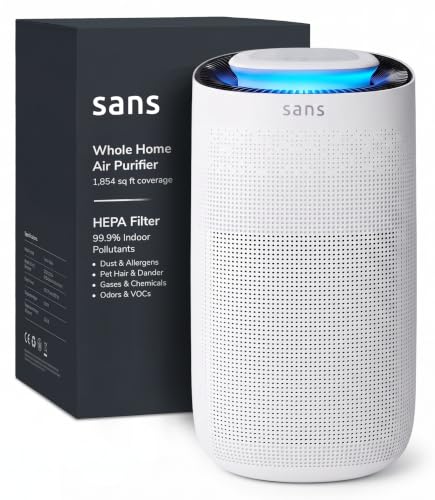
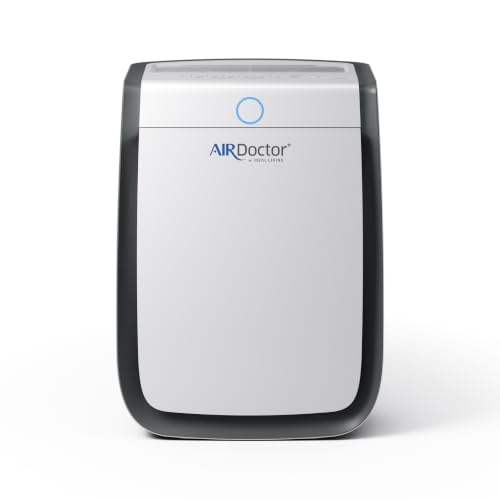
The product table above lists the main options together, but filter design, room coverage, and noise level decide whether the purifier fits a cat household. Cats notice new sounds and smells, so a quiet machine with a stable placement often works better than a powerful machine that startles them.





Who Should Buy This Type
This type suits cat owners with allergies, households with several cats, and small apartments where litter boxes sit near living areas. It also suits owners who want less dust on furniture and cleaner air for visitors. Even owners without allergies may value reduced odor and hair, especially in rooms with soft furnishings that trap dander.
Place the purifier where the cat can investigate safely without knocking it over, and avoid strong scented filters or ozone features that may irritate cat airways. If a cat shows breathing difficulty, persistent sneezing, or behavior changes, seek veterinary advice rather than assuming the purifier will solve the problem. A purifier supports a clean home, not a medical treatment.
Key Features to Compare
True HEPA filtration captures fine dander and litter dust, while a pre filter catches hair and larger particles before they clog the main filter. Activated carbon layers help with litter and food odors, but they need regular replacement to stay effective. Clean air delivery rate should match the room where the cat spends the most time, often a living room or bedroom.
Noise matters for cats as well as people, since a loud machine on high speed may stress a nervous cat. Check quiet mode noise and whether the machine can run steadily at a low speed. Filter cost and availability affect long term use, and a washable pre filter reduces waste and expense. Avoid ozone emitting features for pet households.
- True HEPA for dander
- Pre filter for hair
- Activated carbon for odors
- Quiet operation for cats
- Filter cost and availability
Types Compared
Room purifiers with HEPA and carbon layers suit most cat homes, balancing particle capture and odor control in one machine. Larger models cover open plan living areas, while compact models suit bedrooms and small apartments. Whole home systems clean air throughout a house but cost more and need professional installation.
Models with washable pre filters suit heavy shedding households, since hair can be removed frequently without buying new filters each time. Models with strong carbon layers suit homes where litter odor is the main concern. Matching the filter emphasis to the main problem, dander, hair, or odor, gives better results than buying the largest machine available.
Budget and Long Term Value
Purchase price varies with coverage and sensor quality, but filter replacement often decides long term cost in a cat home, where hair and dander load filters faster. Check pre filter cleaning frequency and main filter life under pet use, and confirm filters remain available. A machine with a washable pre filter can save money over time.
Energy use matters for machines that run all day in the main living room. Check wattage at normal speeds and favor a machine that runs quietly and cheaply, since consistent use matters more than occasional high speed bursts. Keep a spare filter on hand during shedding seasons so replacement never waits.
Common Mistakes to Avoid
A common mistake is placing the purifier behind furniture or curtains, which blocks airflow and reduces cleaning. Give the machine clear space on all sides and keep it away from the litter box itself, where heavy dust can clog filters quickly. Another mistake is relying on the purifier while neglecting vacuuming and litter cleaning, which remain essential.
A third mistake is using scented filters or air fresheners to mask odor, which can irritate cats and allergy sufferers. Clean the litter box regularly, wash cat bedding, and let the carbon filter handle residual odor. If odor persists despite cleaning, check ventilation and litter type before blaming the purifier.
Care and Everyday Use
Vacuum soft furnishings and hard floors regularly, wash cat bedding, and clean the litter area daily to reduce the particle load on the purifier. Clean or replace pre filters as directed, and check the main filter for hair build up. Wipe the machine exterior gently and keep cords tidy so a curious cat cannot chew or pull them.
Introduce the purifier on a quiet setting first, letting the cat investigate at its own pace with treats and calm praise if needed. Once the cat accepts the machine, increase speed gradually. A calm introduction prevents the purifier becoming a source of stress in the home.
Related Guides Worth Reading Next
Related guides for cat homes: best air cleaners and purifiers, best air purifiers for cat hair, best air purifiers for cat dander and best home air purifiers.
A Closer Look Before You Decide
Litter area placement deserves thought, because the purifier should clean living air without sitting in the dustiest spot in the house. Place it in the room where people spend time, with a clear air path, rather than directly beside the litter box where heavy dust clogs filters quickly. Scoop daily and change litter regularly, so the purifier handles residual odor and dander instead of fighting a constant dust cloud.
Grooming routines reduce the particle load more than any filter upgrade, since brushing removes loose hair and dander before it reaches furniture and air. Brush cats outdoors or in a ventilated room when they tolerate it, and wash bedding and blankets that cats favor on a regular cycle. A calm grooming habit also strengthens the bond with the cat, making the purifier one part of a broader clean home routine rather than a lone solution.
Frequently Asked Questions
Do air purifiers remove cat dander?
Yes, a purifier with true HEPA filtration captures fine dander particles that float in the air and settle on surfaces. Dander also sticks to bedding, furniture, and clothing, so vacuuming and washing remain important alongside purification. Consistent use in the main living and sleeping rooms gives the best reduction, while occasional use gives only temporary benefit.
Will a purifier help with cat allergies?
A purifier can lower airborne dander and dust, which may ease allergy symptoms for some people, but it cannot remove all allergens from a home. Allergens remain on soft furnishings and clothing, so cleaning routines matter too. People with asthma or severe allergies should follow clinician advice and seek medical help promptly if breathing worsens.
How do I reduce litter odor?
Activated carbon filters help with odor, but regular litter cleaning matters most. Scoop daily, change litter as recommended, and ventilate the room when possible. Place the purifier in the living area rather than directly beside the litter box, where heavy dust can clog filters. If odor persists, check litter type, box location, and ventilation before upgrading the machine.
Will the noise bother my cat?
Most cats adjust to a quiet purifier, especially when introduced gradually on a low setting. Loud high speed operation may startle nervous cats, so favor a machine with a genuinely quiet mode for everyday use. Place the machine in a stable spot where the cat cannot knock it over, and let the cat approach it in its own time.
How often should filters be changed in a cat home?
Filter life shortens with heavy shedding and multiple cats, so check pre filters frequently and clean them as directed. Main HEPA filters often last six to twelve months, but pet homes may need earlier replacement if airflow drops. Keep a note of cleaning and replacement dates, and keep a spare filter ready during shedding season.
Final Thoughts
best air purifiers for cats work best when HEPA filtration, carbon odor control, and quiet operation match the household. Compare filter design and running costs, keep cleaning routines strong, and introduce the machine gently to the cat. That combination keeps rooms fresher for everyone sharing the home.
The product table above brings the main options together, so use it beside the checklist in this guide when you compare size, features, and price before you order.