Best Air Purifiers for Asbestos: A First Time Buyer's Guide for 2026
Disclosure: We may earn a commission when you buy through links on this page, at no extra cost to you. As an Amazon Associate I earn from qualifying purchases. Learn more

Shopping for the best air purifiers for asbestos for the first time? Learn the terms, compare options, and avoid rookie mistakes with this easy guide.
If you have just learned that an older home or building may contain asbestos, buying a purifier can feel urgent and confusing. Take a breath first. This guide explains the best air purifiers for asbestos in plain language, what they can and cannot do, and the safety steps that matter far more than any appliance.
One fact shapes everything below. A purifier can capture airborne fibers that pass through it, but it does not make damaged asbestos material safe, and it never replaces licensed removal or repair. If you suspect asbestos, do not touch, sweep, or drill the material. Contact a licensed asbestos professional or your local health department for testing before you disturb anything.





Air Purifiers 101: The Basics
An air purifier is a fan plus filters in a box. The fan pulls room air in, the filters trap particles, and cleaner air leaves the outlet. For asbestos concerns, the filter grade is the whole story, because asbestos fibers are tiny and only a true HEPA filter is rated to capture particles at that scale with high efficiency.
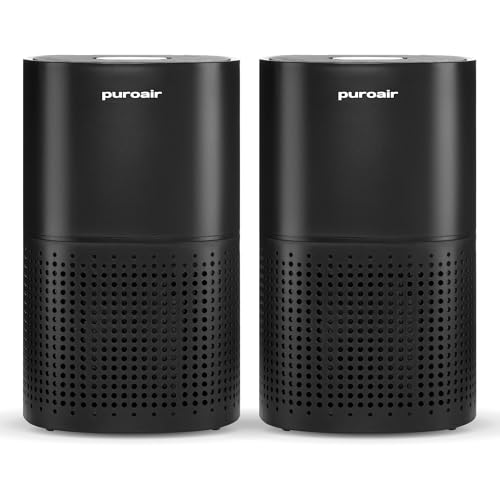
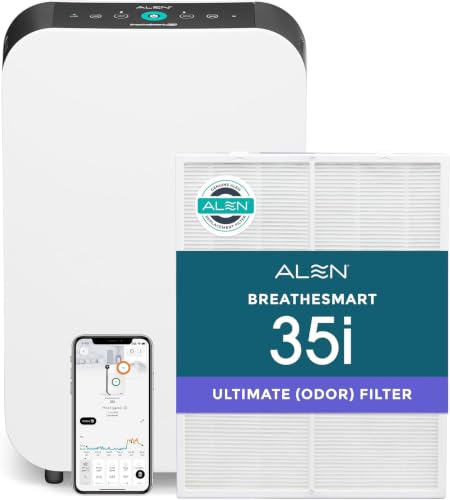
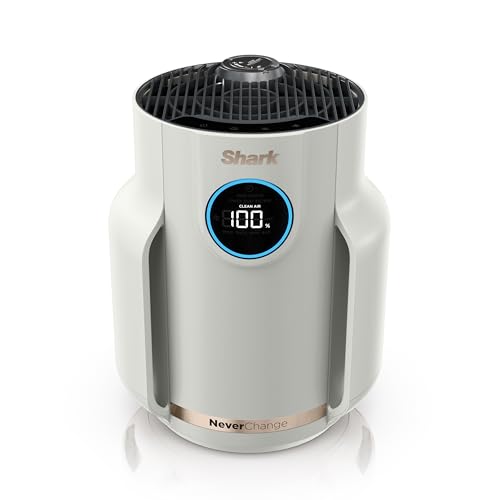
Use the comparison table below as you read, and check filter type before price or styling. For a wider view of filter based cleaning, see our guide to the best air cleaners and purifiers, which explains how purifiers differ from other cleaner types. A purifier is a support tool for cleaner indoor air after professional advice, not a shield that lets you ignore damaged material.
Key Specs Explained in Plain English
Spec sheets use short codes that hide simple ideas. The six points below translate the codes that matter for asbestos into buying targets you can check in minutes.
Features That Matter for Asbestos
Asbestos calls for one feature above all, a sealed system with a true HEPA filter. Sealed means air cannot leak around the filter edges, because leaked air skips filtration entirely. Look for a gasket around the filter, a sturdy housing, and clear wording that the filter is true HEPA rather than HEPA type or HEPA style. Those look alike labels are not the same grade and may capture far less of the finest particles.
Room Size and Coverage
Manufacturers rate each unit for a room size in square feet, based on how fast it can cycle the air. For health related concerns, aim for four to five air changes per hour, which usually means choosing a unit rated for a room larger than yours. A unit that barely matches the room must run on high to keep up, and high speed brings noise that leads people to switch it off.
Noise Level (dB) and Sleep Mode
Noise is measured in decibels, and purifiers are quietest on low and loudest on turbo. A bedroom unit should sit around 30 to 45 decibels on its sleep or low setting so it can run all night. Check the noise figure for the speed you will actually use, not only the lowest number in the listing. If the room is a bedroom, a dimmable display matters too, since bright lights disturb sleep.
Performance Ratings (CADR, BTU, Pints/Day, CFM)
CADR tells you how much clean air a purifier delivers for dust, pollen, and smoke, and it is the number to compare between models. Higher CADR means faster cleaning in a bigger room. BTU measures heating or cooling power and pints per day measures water removal, so neither applies to a purifier. CFM measures raw airflow without filtration. For asbestos, a high CFM with a weak filter is worse than a moderate CADR with true HEPA filtration.
Filter Type and Replacement Cost
True HEPA is the required layer for fine fibers, and activated carbon adds odor and gas control but does little for particles. A washable prefilter catches large dust and extends HEPA life. Price the replacement HEPA filter before you buy, because annual costs often run about $40 to $90. For a closer look at grades and labels, see our guide to the best air purifiers hepa before you trust any filter claim.
Smart Controls and Sensors
Air quality sensors estimate particle levels and can raise fan speed when levels climb, which is useful after cleaning or cooking stirs up dust. App control and schedules help a unit run when a room is empty and quiet down before bed. Sensors do not detect asbestos itself, so never read a green light as proof that air is safe. Treat sensors as a convenience for general dust control, nothing more.
Rookie Mistakes to Avoid
- Disturbing the material first. Sanding, sweeping, or removing suspected asbestos releases far more fibers than a purifier can ever capture. Stop work and get professional testing first.
- Buying HEPA type filters. Look alike labels lack the tested capture rate of true HEPA, which is the grade this concern demands.
- Undersizing the unit. A small desktop unit cannot cycle the air of a living room often enough to matter.
- Trusting ozone features. Ozone can irritate lungs and adds risk without removing fibers from surfaces or materials.
- Skipping filter changes. A loaded filter cuts airflow and cleaning, so late changes quietly erase the benefit you paid for.
Getting Started: Setup and First Use
Start only after a professional has advised you on the material itself. Unpack the unit, remove all plastic wrapping from the filters, and seat the HEPA filter firmly so its gasket seals against the housing. Place the unit in the room you use most, with clear space around the intake, and run it on a steady medium speed rather than short bursts on turbo.
Keep doors and windows closed while it runs so it can cycle the same room air repeatedly. Vacuum nearby floors with a HEPA equipped vacuum if a professional recommends cleaning, and never dry sweep a suspect area. Readers setting up whole home coverage should also see our guide to the best home air purifiers for room by room planning. Replace or clean filters on schedule, and wash your hands after handling a used filter.
Air Purifiers: Your Questions Answered
What features matter most in air purifiers for asbestos?
A sealed housing and a true HEPA filter matter most, followed by CADR high enough for four to five air changes per hour in your room. Add a filter change indicator and a prefilter you can clean. Skip ozone generators and vague ionization claims. Above all, remember that features never outrank professional testing and repair of the material itself, which is where the real risk sits.
How often should I replace the filter?
Replace the HEPA filter every six to twelve months for most homes, or sooner if the indicator lights or airflow drops. In a home under renovation nearby or with heavy dust, check it at six months. Seal the used filter in a bag before disposal and wash your hands after. If a professional is managing asbestos work in your home, follow their cleaning and disposal instructions over any general guide.
Where is the best place to put it?
Put it in the room where you spend the most time, away from the suspect material itself, with space around the intake and outlet. Do not place it so its airflow blows directly across damaged material, since moving air can stir settled dust. A steady position near where people sit or sleep, without blocking airflow, gives the most benefit per hour of running.
Do air purifiers really work?
They work for airborne particles that reach the filter, and true HEPA filtration captures very fine particles with high rated efficiency. That is a real but limited benefit. Purifiers do not remove fibers settled in carpet or inside wall material, and they do not repair the source. For broader cleaner options, see our guide to the best air cleaners and compare methods before spending.
What size do I need for my room?
Choose a unit whose CADR is at least two thirds of your room area in square feet, then size up if you want four to five air changes per hour. A 300 square foot room points to CADR around 200 or more. Oversizing also lets you run a lower, quieter speed for the same cleaning. When in doubt between two sizes, the larger unit on medium usually beats the smaller unit on turbo.
Is it expensive to run 24/7?
No, most home purifiers draw about 30 to 70 watts, so a full day of running uses roughly one to two kilowatt hours. That is a modest cost on typical US rates. Filters cost more than electricity over a year. If budget is tight, run the unit steadily in the main room rather than buying several small units for rooms you rarely use.
Our Verdict
Put professional advice first, sealed true HEPA filtration second, and correct sizing third. A purifier supports cleaner air, but testing and proper handling of the material protect your health. If you are choosing the best air purifiers for asbestos for general dust control after professional clearance, compare sealed HEPA models in the product table above, and talk with your clinician or a licensed asbestos professional about your personal situation before you rely on any appliance.