Best Small Room Air Purifier for Allergies: A Complete Buying Guide
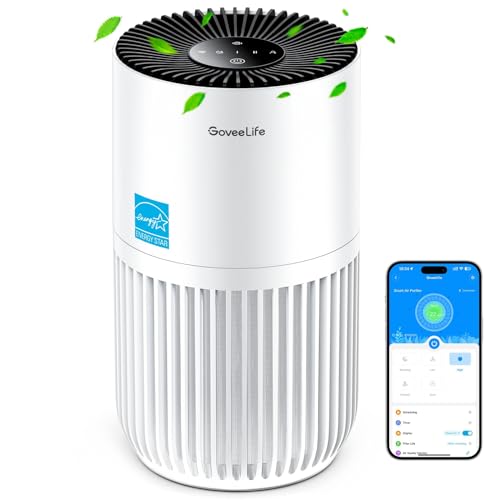
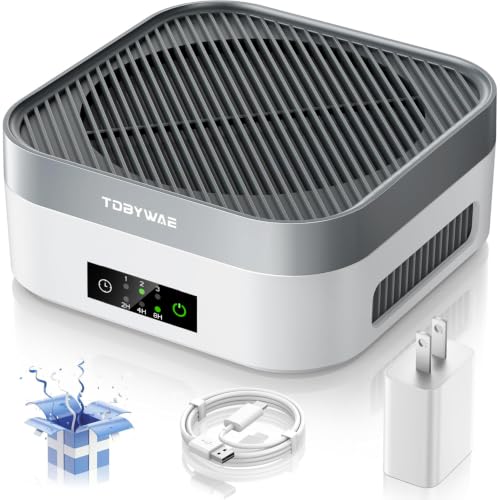
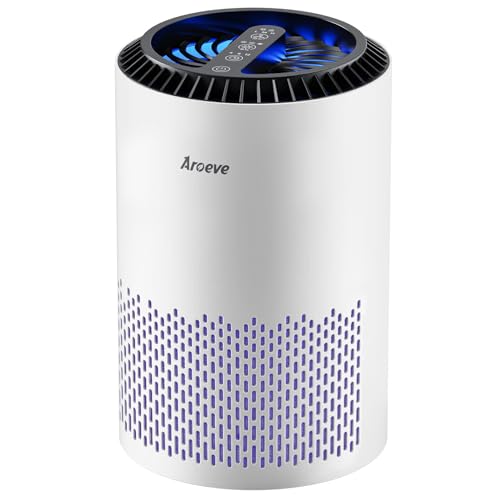
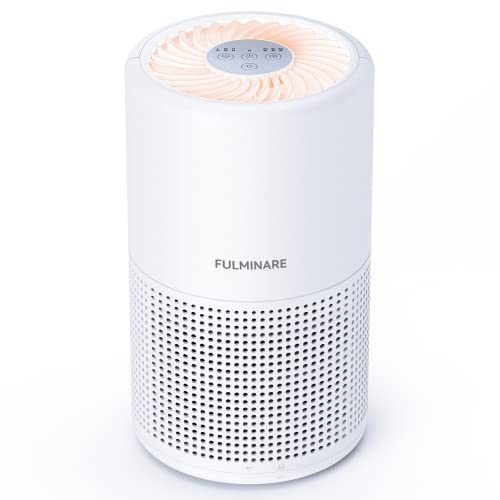
Sneezing the moment you walk into your bedroom, waking up with a stuffy nose, or watching dust settle on the desk you just wiped down all point to the same problem: the air in a small, closed-off room recirculates allergens faster than you'd think. A small room air purifier for allergies can fix that, but only if it's actually sized and filtered for a space that small, not scaled down from a living-room unit. This guide covers the CADR math that matters at this scale, which filtration actually handles pollen, dust mites, and mold, and where to put the unit so it does its job while you sleep.





Getting the CADR Math Right for a Small Room
Most shoppers size a purifier by square footage alone, which is a mistake for a bedroom, nursery, or home office under 300 square feet. The number that actually predicts performance is Clean Air Delivery Rate, or CADR, and small rooms need less of it than the marketing on a big-box shelf implies.
The Two-Thirds Rule for Square Footage
AHAM, the industry body that certifies CADR ratings, recommends multiplying your room's square footage by two-thirds to find the minimum smoke CADR you need for roughly five air changes an hour, the pace allergists point to for allergy relief. A 150-square-foot bedroom needs a CADR of about 100. A 250-square-foot home office needs closer to 165. Check that the number is AHAM verified rather than a manufacturer's own estimate, since self-reported figures run optimistic.
This math matters even more in a nursery, dorm room, or studio apartment, where square footage often lands under 200 and the door stays closed most of the day. A unit tested and rated for that exact range clears the room in minutes instead of running near full speed around the clock just to keep pace.
Why Bigger Isn't Automatically Better in a Small Space
A unit rated for 500 square feet will technically work in a 150-square-foot room, but you're paying for capacity you don't need and often for a larger footprint and higher price tag too. In a room this size, matching CADR closely to square footage gets you the same air changes per hour as an oversized unit, usually at a lower price, smaller size, and quieter running speed since the fan doesn't need to push as much volume.
Matching Filtration to Pollen, Dust Mites, and Mold
Not every allergy trigger behaves the same way in the air, and the filter stack that handles seasonal pollen well isn't necessarily the one that helps most with dust mite debris or a musty, humid room.
True HEPA vs. HEPA-Type Labeling
A genuine true HEPA filter captures at least 99.97% of particles down to 0.3 microns, which covers pollen grains, mold spores, and the dust mite fragments that settle into bedding and carpet. "HEPA-type" or "HEPA-like" labeling has no enforced standard behind it and can let a meaningfully larger share of those particles pass straight through. If you want the mechanics behind why the pleated fiber mat works this way, this breakdown of how a HEPA air purifier works covers it in more depth. For seasonal pollen specifically, true HEPA alone usually does the job. For a persistently musty small room, filtration only solves part of the picture, and it's worth ruling out an actual mold source with a home air quality test kit before assuming a new purifier will fix it.
Where Activated Carbon Fits In
Carbon filters absorb odors and some gases but don't meaningfully trap pollen, dander, or mold spores on their own. Many compact units pair a thin carbon layer with the HEPA filter, which is worth having if the room also deals with musty odors, but it isn't a substitute for HEPA when allergens are the main concern.
A Note on Ionizers and Ozone
Some small-room models add an ionizer to charge particles so they settle out of the air faster. It can help, but a subset of these units release trace ozone as a byproduct, which can irritate sensitive airways in a room you're breathing in for eight hours a night. If your allergies lean toward asthma or sinus sensitivity, a model without an ionizer is the safer default in a bedroom. Look for a spec sheet that lists ozone output directly, or California Air Resources Board certification, rather than trusting a generic "ionic technology" label on the box.
Placement and Noise in a Bedroom or Office
Buying the right unit only gets you halfway there. In a room this small, where you put it and how loud it runs at night decide whether you actually feel the difference.
Keeping It in Your Breathing Zone
Position the unit within three to six feet of where your head rests, whether that's a bed or a desk chair, with the clean air outlet angled toward that space rather than across the room. Pushing it into a corner or behind furniture restricts intake and can cut real-world performance well below the rated CADR, even on a correctly sized unit. Vacuuming still matters here too, since a purifier only handles what's airborne, not what's already settled into carpet, bedding, or upholstery; a vacuum built to pull embedded dander and dust out of fabric covers the part a purifier can't reach.
Sleep-Friendly Decibel Levels
Check the decibel rating at the lowest fan speed, not just the top one advertised on the box. Anything under 35 decibels on a low or dedicated sleep setting is quiet enough to run through the night without disturbing you, and running continuously on that low setting beats cycling the unit on and off, since allergens build back up quickly once it stops. A higher speed for daytime use is fine as long as the sleep mode stays low. Keeping the bedroom door and windows closed while it runs also matters, since an open window keeps reintroducing the outdoor pollen the unit just filtered out.
Small Room Purifier vs. Whole-House or General-Purpose Systems
It's tempting to assume a bigger system just does more, but a whole-house setup and a compact unit for a single small room solve different problems. A whole-house air purifier ties into central HVAC ductwork and treats every room at once, which makes sense if allergy symptoms follow you through the whole home. For a single bedroom or office, that approach is slower to clear the specific air you're breathing and far more expensive to install and maintain than a dedicated small-room unit sitting a few feet from where you sleep or work.
That's the core tradeoff a small room air purifier for allergies is built around: speed and precision in one space rather than broad, slower coverage everywhere. If your symptoms are worst in one particular room rather than the whole house, a correctly sized small-room unit will usually outperform a whole-house system at that specific job, and at a fraction of the cost. Some households end up running both, a whole-house system for baseline air quality and a small dedicated unit in the bedroom for the extra push overnight.
Frequently Asked Questions
What size air purifier do I need for a small bedroom?
Multiply the room's square footage by two-thirds to get the minimum CADR you need. A 150-square-foot bedroom needs a CADR of roughly 100, confirmed as AHAM verified rather than a manufacturer's own claim.
Is a bigger air purifier always better for allergies?
No. An oversized unit for a small room mostly adds cost, footprint, and unnecessary capacity. Matching CADR to square footage gets you the same air changes per hour at a lower price and quieter operation.
What CADR rating do I need for allergies?
Aim for roughly five air changes an hour, which means a smoke CADR at least two-thirds of your room's square footage. Higher is fine if the unit still runs quietly on a low setting.
Is true HEPA better than HEPA-type for allergies?
Yes. True HEPA is a certified standard capturing 99.97% of particles at 0.3 microns, while HEPA-type and HEPA-like labels carry no enforced standard and typically let more allergens through.
How loud should an air purifier be for a bedroom?
Look for under 35 decibels on the lowest or sleep-specific fan speed. That's quiet enough to run all night without disrupting sleep.
How often should I change the filter in a small room?
Most true HEPA filters last six to twelve months, though allergy sufferers who run the unit on higher settings more often should plan closer to the six-month mark.
Can an air purifier help with dust mite and mold allergies, not just pollen?
A true HEPA filter captures dust mite fragments and mold spores along with pollen, since all three fall within the particle sizes HEPA is certified to catch. Persistent mold odor in a small room is still worth investigating at the source rather than relying on filtration alone.
Getting It Right for Your Space
A small room air purifier for allergies comes down to three numbers and one placement decision: a CADR matched to your actual square footage, a true HEPA filter, a decibel rating you can sleep through, and a spot within a few feet of where you spend the most time. Get those right and the rest of the shopping decision gets a lot simpler.