Best Air Purifiers Delhi: A First Time Buyer's Guide for 2026
Disclosure: We may earn a commission when you buy through links on this page, at no extra cost to you. As an Amazon Associate I earn from qualifying purchases. Learn more

Shopping for the best air purifiers delhi for the first time? Learn the terms, compare options, and avoid rookie mistakes with this easy guide.
Delhi air makes an air purifier feel less like a gadget and more like basic home equipment, especially through the winter smog months. If this is your first purchase, spec sheets can look like alphabet soup. This guide explains the best air purifiers delhi shoppers should look for in plain terms, from room size math to filter costs.
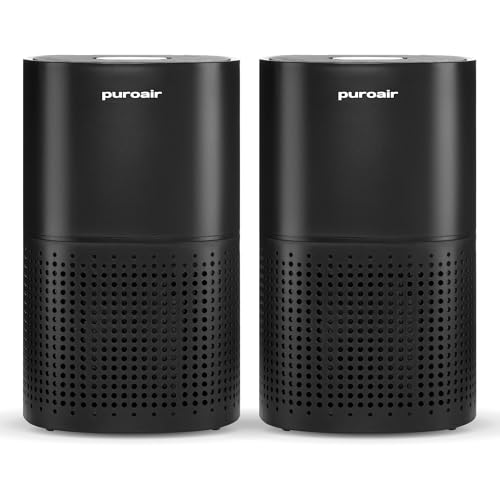
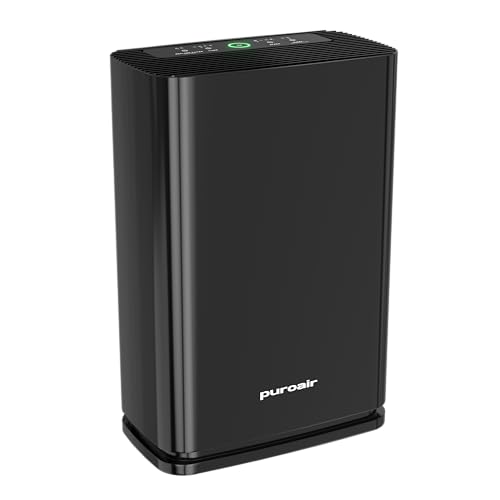
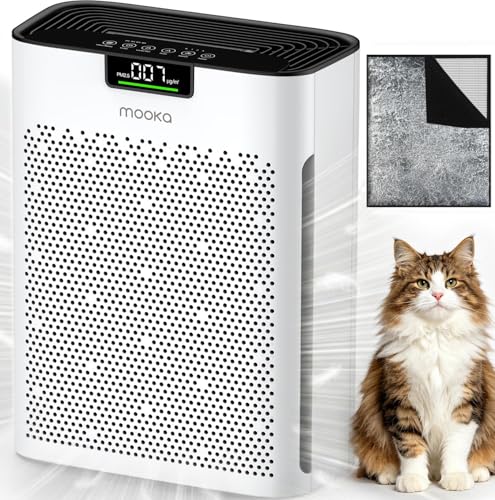
Start with the comparison table below to see how coverage, noise, and filter types differ between models. Then read the basics, because the right purifier for a small bedroom is a poor choice for a large living room, no matter how strong its marketing sounds.




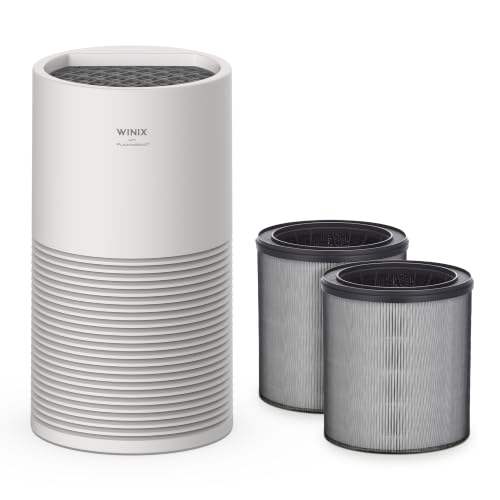

Air Purifiers 101: The Basics
An air purifier is a fan plus a set of filters in a box. The fan pulls room air in, the filters trap particles and, in some models, gases and odors, and cleaner air flows back out. It does not bring in fresh air from outside and it does not remove carbon dioxide, so a purifier works alongside closed windows during high pollution days rather than replacing ventilation on clean days.
For Delhi, the particle that matters most is PM2.5, fine dust about thirty times smaller than the width of a human hair. It comes from traffic, construction, dust, and seasonal smoke, and it can stay suspended indoors for hours. A purifier with a True HEPA filter captures these fine particles as air passes through. A pre filter catches hair and coarse dust first, which protects the main filter, and an activated carbon layer helps with cooking smells, traffic fumes, and other odors. A purifier reduces indoor particle levels, but it is not a medical device, and anyone with asthma or another lung condition should treat it as support for, not a substitute for, their doctor's advice.
Key Specs Explained in Plain English
Room Size and Coverage
Coverage claims only make sense with CADR, the clean air delivery rate, which states how much filtered air the machine delivers. A simple rule is to choose a CADR at least two thirds of your room area in square feet when using imperial figures, and to prefer a model rated above your room size so it can run on a quieter medium speed and still clean well. Aim for about 4 to 5 air changes per hour in a bedroom during severe pollution days. A 150 square foot bedroom therefore wants a purifier rated for roughly 250 to 350 square feet. Oversizing slightly is smart in Delhi, because doors open, dust loads are high, and a machine loafing on medium stays quiet enough to sleep beside.
Noise Level and Sleep Mode
Noise is measured in decibels, written dB, and the number that matters is the one at the speed you will actually use at night. Around 25 to 35 dB on sleep mode sounds like a quiet room, while top turbo speeds can reach 55 to 65 dB and belong to daytime cleanup bursts. Sleep mode should also dim or switch off display lights, because a bright air quality glow can disturb light sleepers. Test your tolerance honestly. A purifier that cleans brilliantly but annoys you into switching it off delivers zero clean air. Place the bed and the purifier a few feet apart, not right at pillow level, to balance noise and airflow.
Filter Type and Replacement Cost
A True HEPA filter is the core purchase, since it traps the fine PM2.5 particles that dominate Delhi pollution. Be wary of vague labels that only claim HEPA style performance without a clear rating. The activated carbon layer is your second filter, and it matters in homes near busy roads or with heavy cooking, though thin carbon sheets saturate quickly and mainly help with light odors. Budget for replacements from day one. A main filter typically lasts about 6 to 12 months in Delhi conditions, shorter than in cleaner cities, and annual filter cost often runs about $40 to $120 depending on size. A model that looks cheap but needs costly filters twice a year is not cheap at all. Readers weighing purifier types can compare formats in our guide to the best air cleaners and purifiers.
Performance Ratings Explained: CADR and Air Changes
CADR is the one rating to learn, and it may be listed separately for dust, pollen, and smoke, with the smoke figure being the strictest guide for PM2.5. Air changes per hour, often shortened to ACH, tells you how often the machine processes the full volume of your room air, and higher is better during smog episodes. Smart sensors that show a numeric PM2.5 reading are genuinely useful in Delhi, because you can see the room improve after the door closes and learn how long cleanup takes. ENERGY STAR certified models use less power at a given CADR, which matters for machines that run all day. Ignore ratings borrowed from other appliances, such as cooling capacity figures, since they say nothing about particle removal.
Safety Features
Choose a purifier that produces no ozone, or only trace amounts within certified limits, because ozone irritates lungs and defeats the purpose of the purchase. Avoid add on ionizer features you cannot switch off for the same reason. Look for recognized electrical safety certification and a stable body that resists tipping if a child or pet bumps it, plus a child lock if your toddler loves buttons. A filter change indicator based on run time is helpful, but inspect the pre filter yourself monthly, since Delhi dust loads vary street by street. Keep cords away from walkways and never run the unit with a damaged plug or a blocked intake.
Rookie Mistakes to Avoid
- Buying by room size claims alone. A box that claims 500 square feet may assume low ceilings and light pollution, so check the CADR figure instead.
- Undersizing to save money. A small unit on turbo all day is loud, wears its filter fast, and still lags behind Delhi dust levels.
- Forgetting filter costs. Replacement filters are the real long term expense, so price them before you buy the machine.
- Choosing ozone producing extras. Ionizers and similar add ons can irritate airways, which is the opposite of why you bought a purifier.
- Placing it in a corner behind furniture. Blocked intake and outlet vents can cut real performance sharply, whatever the spec sheet promises.
Getting Started: Setup and First Use
Unbox the purifier and open it up before the first run, because most models ship with the main filter sealed in a plastic bag inside the unit, and running it that way cleans nothing. Remove every bag, refit the filters in order, and place the machine on a flat floor spot with clear space around the intake and outlet. Keep doors and windows closed while running it during high pollution periods, since open windows refill the room with outdoor particles faster than the machine can remove them. Run the purifier on high for the first hour in a smoky room, then drop to auto or medium. Wash or vacuum the pre filter every few weeks, and replace or clean the main filters on the schedule in the manual rather than waiting for airflow to fade. During the worst weeks, guidance aimed specifically at local conditions helps, and our guide to the best air purifiers for delhi pollution covers smog season routines in more depth.
FAQs
Is it expensive to run an air purifier all day in Delhi?
No, running costs are modest for most home models. A typical purifier draws about 30 to 60 watts on medium speed, similar to a small fan, so a full day of use costs far less than running an air conditioner for a few hours. Turbo speed draws more, which is another reason to size the unit generously and cruise on medium. The filter budget, not the power bill, is the expense that should shape your buying decision.
What size air purifier do I need for my room?
Match the CADR to your room first, then buy one size up for Delhi conditions. A small bedroom of about 120 to 180 square feet does well with a unit rated near 300 square feet of coverage. Living rooms and open plan spaces often need a large unit or two smaller ones placed apart, because one machine cleans the air near it far better than air across a long room. Measure the room, note ceiling height, and compare both numbers with the product table above.
Do air purifiers really work in Delhi homes?
Yes, a correctly sized HEPA purifier lowers indoor PM2.5 clearly and measurably, and a numeric sensor lets you watch it happen. The limits are real too. It cannot keep up with wide open windows on a severe smog day, and it does little for gases unless the carbon stage is substantial. Think of it as creating one cleaner room at a time, with the bedroom first, since you spend the longest stretch breathing there. Our wider overview of the best home air purifiers explains how bedroom and whole home strategies differ.
How often should I replace an air purifier filter in Delhi?
Expect about 6 to 12 months from a main HEPA filter in Delhi, toward the shorter end if your home faces a main road or you run the unit around the clock through winter. The pre filter needs washing or vacuuming every 2 to 4 weeks to protect that lifespan. Carbon stages often fade before the HEPA does, which you will notice when cooking odors linger again. If the machine airflow drops or the output air smells dusty, inspect the filters even if the indicator light still looks calm.
Where is the best place to put an air purifier?
Put it in the room where you spend the most hours, usually the bedroom, on the floor with open space on all sides and away from corners and curtains. Near the door can work well because much of the dust entering the room passes that area. Keep it off thick carpet if the intake sits underneath, and never box it into a cabinet. Households comparing purifiers with simpler filter boxes can also read our guide to the best air cleaners for the differences between the two categories.
Our Verdict
For Delhi homes, three criteria decide satisfaction: CADR sized above your room so the unit can cruise quietly, a genuine HEPA filter with replacement costs you have checked in advance, and placement and habits that keep doors closed on bad air days. Start with the bedroom, run the machine consistently, and let a sensor show you the difference. When you compare the best air purifiers delhi options for your home, use the product table above to match coverage and filter costs to your rooms, and if anyone in the home has asthma or another breathing condition, talk with their clinician about how a purifier fits their personal care plan.