Best Air Purifiers China Made Simple: A Clear Buying Guide for 2026
Disclosure: We may earn a commission when you buy through links on this page, at no extra cost to you. As an Amazon Associate I earn from qualifying purchases. Learn more
Shopping for the best air purifiers china for the first time? Learn the terms, compare options, and avoid rookie mistakes with this easy guide.
Many affordable purifiers sold in the United States are made in China, and the sheer number of brands can overwhelm a first time shopper. This guide makes the best air purifiers china category simple by focusing on the specs and certifications that prove quality, wherever a unit was built. Country of origin alone tells you very little about how well a machine cleans air.
You will learn how purifiers work, which ratings to trust, and which safety marks to check before you buy. We also cover the rookie mistakes that lead to weak cleaning and costly filters. Use the comparison table below as a reference while each section explains the terms behind the listings.


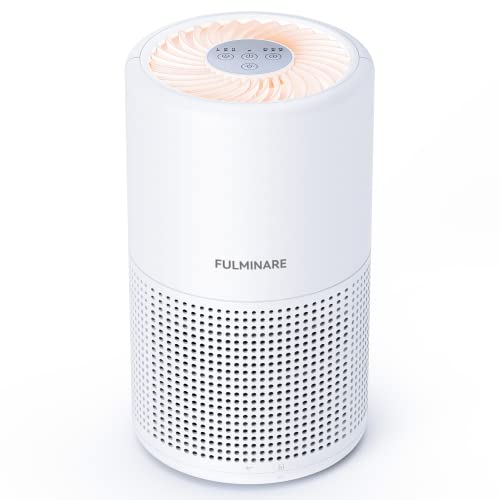


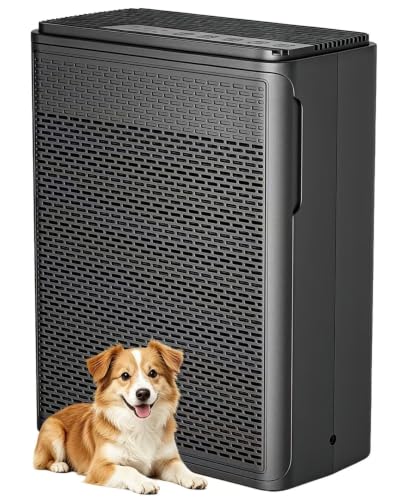


Air Purifiers China 101: The Basics
An air purifier is a fan plus a filter system in a cabinet. The fan pulls room air in, the filters trap particles and some odors, and cleaner air flows back out. Repeating that cycle several times an hour steadily lowers the dust, pollen, and dander floating in the room.
Units made in China span the full quality range, from basic tabletop models to advanced units with laser sensors and app control. What separates good from poor is not the factory location but the filter grade, the honesty of the CADR rating, and safety certification for the United States market. Shoppers who check those three items can buy with confidence at almost any price.
A few terms unlock the whole category. HEPA describes the filter, CADR describes cleaning speed, and AHAM is an industry group that verifies ratings for many brands. Learn those three and most product pages become easy to read.
Key Specs Explained in Plain English
Room Size and Coverage
Every purifier lists a coverage area in square feet, and your room should fall comfortably inside that number. CADR, the clean air delivery rate, is the figure behind coverage, and AHAM guidance suggests choosing a CADR at least two thirds of your room area. For allergy relief, aim for about four to five air changes per hour, which usually means sizing up one level. A unit that is too small runs loudly on high and still lags behind the dust entering the room.
Smart Controls and Sensors
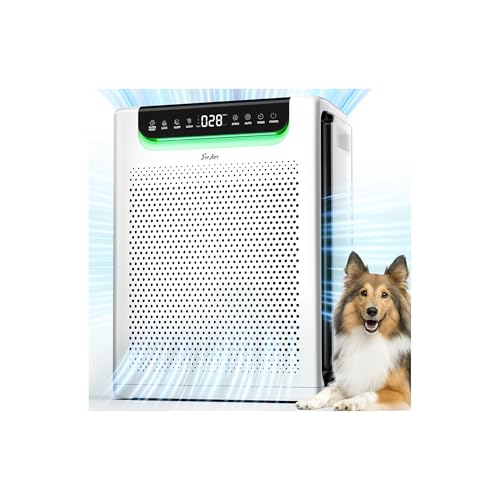
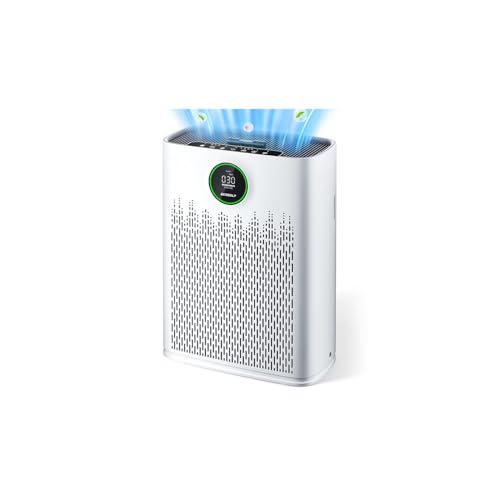
A smart sensor samples the air and reports particle levels, often with a number readout or a color ring that shifts as air quality changes. Auto mode uses that reading to set fan speed, saving power when air is clean and responding fast when cooking or cleaning stirs up dust. App control adds schedules and remote changes, useful for a bedroom you want cleaned before you arrive. Treat sensors as a convenience layer, and never let them substitute for a proper HEPA filter.
Safety Features
Look for a UL or ETL mark, which means an independent lab checked the unit for electrical safety in the United States market. AHAM verification is a separate plus, since it confirms the CADR claims were measured under a shared standard. Family friendly extras include a child lock on the controls and a tip over shutoff on tall tower designs. Skip any unit with no recognizable safety listing, whatever its price, because that listing is your main proof of basic electrical testing.
Performance Ratings (CADR, BTU, Pints/Day, CFM)
Ratings only help when you match each one to the right job. CADR measures particle cleaning for purifiers, with separate figures sometimes given for dust, pollen, and smoke. CFM measures raw airflow and matters for fan strength, while BTU belongs to air conditioners and pints per day belongs to dehumidifiers. If a purifier listing leads with BTU or other unrelated numbers, treat that as marketing noise and search the page for CADR instead.
Noise Level (dB) and Sleep Mode
Noise ratings in decibels tell you how loud each speed is, and the gap between low and turbo is often large. For a bedroom, look for a sleep mode that runs near a whisper and turns off display lights. Because low speed cleans less air, a mid size unit loafing on low usually beats a small unit roaring on high for overnight use. If you work from home, the same logic applies to calls, where a steady soft hum fades into the background.
Rookie Mistakes to Avoid
- Judging by country of origin alone. Build location does not predict filter quality, so check the HEPA grade, CADR, and safety listing instead.
- Trusting unverified coverage claims. Some listings state huge rooms at one air change per hour, which is far weaker than the four to five changes allergy guidance suggests.
- Buying before pricing filters. A bargain unit can use costly or hard to find replacement filters, and some obscure brands stop selling filters within a year or two.
- Confusing HEPA type filters with True HEPA. The wording sounds close, but performance can differ a lot, so look for the exact True HEPA claim and a stated efficiency figure.
- Ignoring plug and voltage fit. Units built for other markets may need adapters or different voltage, so confirm the listing is made for United States outlets.
Filter supply deserves one extra check. Before buying any lesser known brand, confirm that replacement filters are sold by more than one retailer and are in stock today. A purifier without a future filter supply becomes useless within a year. For context on established filter standards, see our guide to the best air purifiers hepa.
Getting Started: Setup and First Use
Open the cabinet and remove the plastic wrap from every filter, since many units ship with filters sealed for transport. Fit the filters in the order shown in the manual, close the panel until it clicks, and place the unit with space around the intake. Run it on a high setting for the first hour, then switch to auto and let the sensor manage speed.
Simple habits keep it working well. Replace or clean filters on schedule, and vacuum the prefilter monthly if your model has one. Keep doors and windows closed while running so the unit can reclean the same indoor air instead of chasing outdoor dust. Register the warranty if offered, and save the model number so ordering the right filter later takes seconds.
If you are outfitting several rooms, our guide to the best home air purifiers explains how to spread coverage across a whole home without overspending.
Air Purifiers China: Your Questions Answered
Is it expensive to run 24/7?
No, running a purifier all day is usually cheap because the fan motor is small. Many mid size units draw about 30 to 60 watts on common settings, similar to a modest light fixture. Auto mode lowers that further by slowing the fan when air is already clean. Your power rate sets the final figure, but most owners see only a few dollars a month.
Do air purifiers china really work?
Yes, units with a True HEPA filter and an honest CADR rating clean air the same way purifiers built anywhere else do. Performance depends on the filter, the fan, and correct sizing, not on the country printed on the carton. Independent verification such as AHAM listing gives extra confidence in the numbers. Choose on those measurable points and origin becomes a minor detail.
What size do I need for my room?
Measure the room in square feet and pick a unit whose CADR is at least two thirds of that figure. Bedrooms with allergy concerns benefit from sizing up so the unit can run quietly on a lower speed. Open plan areas should be measured as one space, including connected kitchen or hall areas the air flows through. When a listing gives a wide coverage range, plan around the lower, stricter end of it.
How often should I replace the filter?
Most HEPA filters last six to twelve months and carbon filters about three to six months, depending on use and air conditions. Pet homes and city apartments with traffic dust sit at the shorter end. Many units track run time and light a reminder, but a visible gray filter and weaker airflow are reliable signs too. Buying a spare filter with the unit avoids a gap when the reminder lights up.
Where is the best place to put it?
Place the purifier in the room where cleaner air matters most, usually the bedroom or main living space. Keep several inches of clearance on all sides and avoid corners, which restrict intake air. A spot near the door catches particles as they enter the room, while a spot near a pet bed tackles dander at its source. For broader comparisons across brands and styles, our guide to the best air cleaners and purifiers is a helpful companion.
Wrapping Up
Judge these units the way you would judge any purifier: by verified CADR, True HEPA filtration, safety listing, and filter supply. Those four checks filter out weak listings faster than any brand debate. Then match size to your room and noise to your habits, and compare your shortlist in the product table above.
The best air purifiers china shoppers can buy are simply well specified, certified, and supported with available filters. Readers who prefer a wider shortlist of cleaning focused units can also browse our guide to the best air cleaners before deciding.