Best Air Purifiers and Coolers: A First Time Buyer's Guide for 2026
Disclosure: We may earn a commission when you buy through links on this page, at no extra cost to you. As an Amazon Associate I earn from qualifying purchases. Learn more

Shopping for the best air purifiers and coolers for the first time? Learn the terms, compare options, and avoid rookie mistakes with this easy guide.
Buying your first unit can feel confusing because one box promises cleaner air and another promises cooler air, and many combine both jobs. This guide walks you through the best air purifiers and coolers in plain language, starting with what these machines actually do. You will learn the key terms, the specs that matter, and the mistakes that waste money.
By the end, you will know how to size a unit for your room, what filters cost over a year, and where to place the machine so it works well. Keep the comparison table below in mind as you read, since each section explains one row or rating you will see there.


Air Purifiers and Coolers 101: The Basics
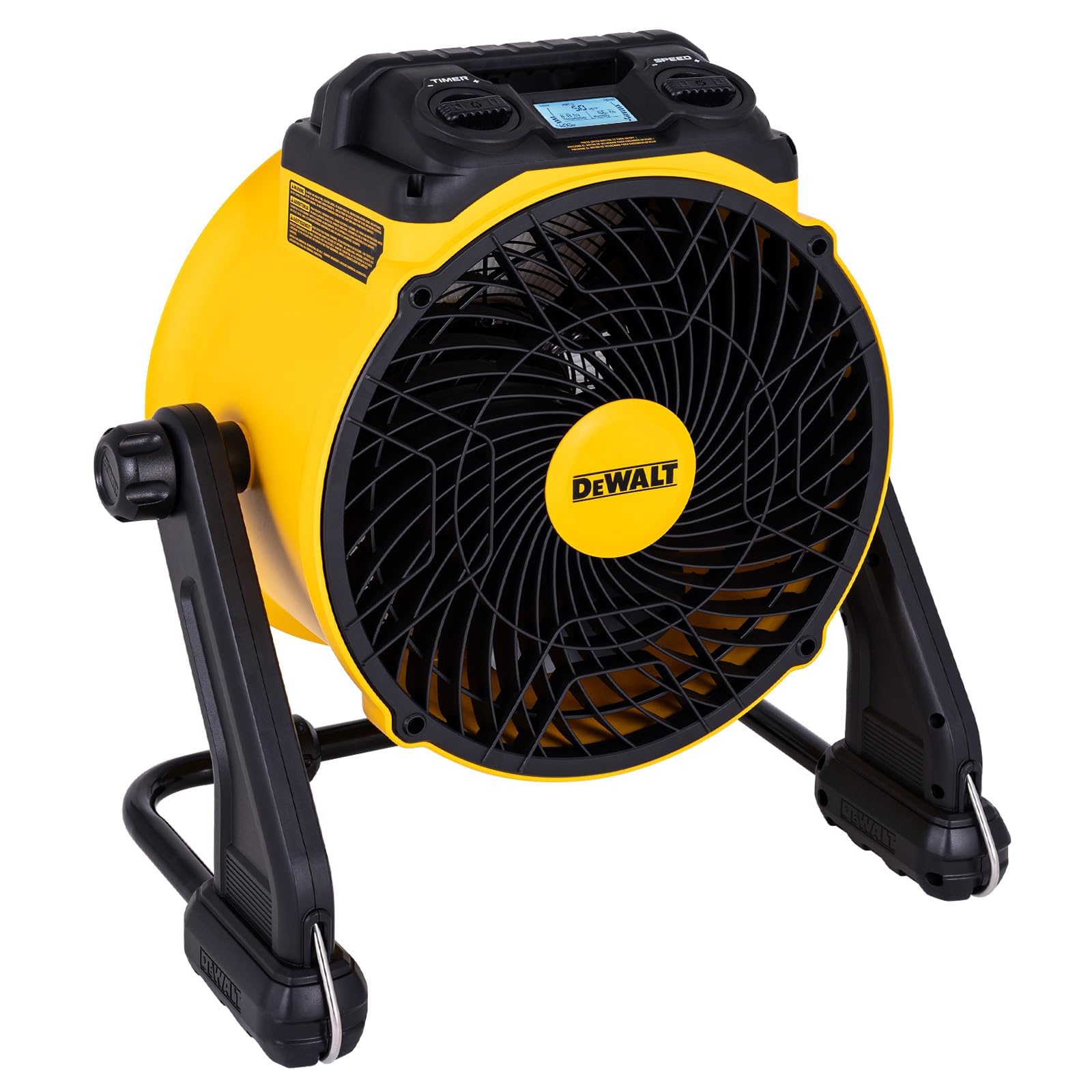
An air purifier pulls room air through filters that trap dust, pollen, pet dander, and fine particles you cannot see. A cooler lowers how warm a room feels, either with a fan that moves air across your skin or with an evaporative pad that adds cool moisture to dry air. A combined unit tries to do both jobs in one cabinet.
The two jobs are different, and that distinction shapes a smart purchase. Filtration depends on filter quality and airflow through the filter, while cooling depends on air movement, room humidity, and how much warm air you can keep out. A strong fan does not prove strong filtration, and a thick filter does not prove strong cooling.
Start by naming your main problem. If sneezing, dust, or pet hair bothers you most, filtration comes first and cooling is a bonus. If a stuffy bedroom keeps you awake in summer, cooling comfort may matter more, with filtration as support.
Key Specs Explained in Plain English
Room Size and Coverage
Coverage tells you the largest room the unit can handle, usually stated in square feet. Match that rating to your room, and choose a unit rated a bit above your space so it can run on a quieter setting and still keep up. Purifiers use CADR, which measures how fast filtered air is delivered, and good guidance aims for about four to five air changes per hour. Cooling power is often stated in BTU for true air conditioners, while simple coolers rely more on airflow than BTU.
Smart Controls and Sensors
An air quality sensor watches particle levels and can raise or lower fan speed on its own, which helps when cooking or cleaning stirs up dust. App control and schedules let you run the unit harder before bedtime and softer overnight without touching the panel. These features add convenience, not cleaning power, so pay for them only after size and filtration are right. A clear display that shows filter life in plain numbers is more useful than a vague color light alone.
Noise Level (dB) and Sleep Mode
Noise is measured in decibels, and lower numbers mean a quieter machine. A bedroom unit should have a sleep mode that drops fan speed and dims lights, ideally producing a soft hum you can ignore. Remember that the quietest setting also moves the least air, so a slightly oversized unit on low often cleans better than a small unit straining on high. Check noise figures for the speed you will actually use, not only the lowest setting.
Installation and Placement
Most purifier coolers need no installation beyond unboxing, removing filter packaging, and plugging in. Evaporative models need a water tank filled and a spot near an open window or door so fresh air can enter and humid air can leave. Keep intake and outlet vents clear by several inches on every side, and never push the unit tight against a wall or curtain. If a model uses a window hose, treat it as a true portable air conditioner and follow its venting rules instead.
Filter Type and Replacement Cost
True HEPA filters trap very fine particles, including most pollen and dust mite debris, and they are the standard to look for if allergies drive your purchase. Activated carbon helps with odors and smoke smells, though it does not remove particles and it fills up faster in smoky homes. Before you buy, price a full year of replacement filters and note how often each one changes. A low priced unit with costly filters can cost more over two years than a pricier unit with longer filter life. For deeper detail on filter grades, see our guide to the best air purifiers hepa and compare what each grade captures.
Energy Efficiency and Operating Cost
Look at watt use on the speed you plan to run most, since a unit running all day multiplies even small differences. ENERGY STAR models meet efficiency guidance that can trim your power bill compared with similar models without the label. Evaporative coolers use far less power than compressor based air conditioners because they mainly run a fan and a small pump. Your local power rate matters too, so a quick estimate using watts and hours per day gives a realistic monthly cost.
Rookie Mistakes to Avoid
- Buying by room name instead of room size. A unit labeled for living rooms may still be too weak for your open plan space, so measure the floor and compare square feet.
- Ignoring filter cost. Shoppers compare the box price and forget the yearly filter bill, which can rival the purchase price on small units.
- Expecting a cooler to chill a humid room. Evaporative cooling works best in dry air, and in sticky weather it can make a room feel clammy instead of fresh.
- Blocking the airflow. Tucking a unit behind furniture starves the intake and weakens both cleaning and cooling, no matter how strong the motor is.
- Leaving filter packaging on. Many new units ship with filters sealed in plastic, and running one that way cleans almost nothing while stressing the fan.
Each of these errors is easy to avoid once you know to look. A few minutes with a tape measure and a filter price check will save you a return trip and a lot of frustration.
Getting Started: Setup and First Use
Unbox the unit, remove every plastic wrap from the filters, and seat each filter in the order the manual shows. Fill the water tank only if your model cools by evaporation, and use clean water to limit mineral buildup and odor. Place the unit where air can circle the room, then run it on a higher setting for the first hour to clear dust raised during setup.
From there, settle into simple habits. Replace or clean filters on schedule, since a clogged filter cuts airflow and raises noise. Keep doors and windows closed while a purifier runs so it can reclean the same air, though evaporative coolers need one opening for airflow as noted above. Wipe the intake grille every few weeks so lint does not choke the fan.
If you are furnishing a whole home rather than one room, our guide to the best home air purifiers covers larger spaces and multi room planning in more depth.
Frequently Asked Questions
How often should I replace the filter?
Most HEPA filters need replacing every six to twelve months, and carbon filters often sooner. Homes with pets, smokers, or heavy cooking may need changes at the short end of that range. Watch for weaker airflow, rising noise, or a filter light that stays on after a reset. Mark the install date on the filter edge with a pen so you never guess how old it is.
Where is the best place to put it?
Place it in the room where you spend the most time, with clear space around the intake and outlet. Bedrooms benefit from a spot a few feet from the bed, close enough to clean your breathing zone but not blowing straight at your face. Keep it away from corners and out of direct sun, which can heat the cabinet and skew sensor readings. On carpet, a flat board underneath can steady a tall tower unit.
Do air purifiers and coolers really work?
Yes, within clear limits that depend on sizing and filter quality. A well sized HEPA unit steadily lowers particle counts, which many allergy sufferers notice as less dust on surfaces and easier mornings. A cooler improves comfort by moving air and, in dry climates, by evaporation, but it will not match a compressor air conditioner in humid heat. Judge each job separately and you will judge the machine fairly.
Is it expensive to run 24/7?
Usually not, because most purifiers draw modest power on low and medium speeds. A unit using about 50 watts all day costs far less than running a space heater or a window air conditioner for the same hours. Costs rise on turbo settings, so use high speed for short cleanups and let auto mode handle the rest. Check your power bill rate to turn watts into a monthly figure for your home.
What size do I need for my room?
Measure length times width to get square feet, then choose a unit rated for at least that area, ideally a step higher. High ceilings mean more air volume, so go up a size if your ceiling is well above standard height. Open doorways effectively enlarge the room, since the unit ends up serving the connected space too. When in doubt between two sizes, the larger one on low is quieter and usually cleans better.
Our Verdict
Size, filtration, and running cost are the three decisions that matter most for a first purchase. Get the coverage right, insist on True HEPA if particles bother you, and count a full year of filters before you commit. Readers who want a broader shortlist of cleaning focused machines can also browse our guide to the best air cleaners and purifiers for related options.
When you are ready, return to the product table above and match each model against the checklist in this guide. The best air purifiers and coolers for your home are simply the ones sized right, filtered right, and cheap enough to run every day. Readers comparing pure cleaning units without cooling may also find our guide to the best air cleaners a useful next step.