Best Air Purifier for Dust in 2026: Buying Guide and Checklist
Disclosure: We may earn a commission when you buy through links on this page, at no extra cost to you. As an Amazon Associate I earn from qualifying purchases. Learn more

Cut airborne dust with a sealed true HEPA purifier sized by dust CADR, with a washable prefilter and a quiet medium speed you can run all day.
Dust returns fast in most homes. You wipe a shelf in the morning, and by the weekend a pale film is back on the table, the television stand, and the tops of picture frames. The best air purifier for dust cannot stop dust from forming, but the right model can pull a large share of airborne particles out of circulation before they settle, which means less visible buildup and air that feels easier to breathe in closed rooms.
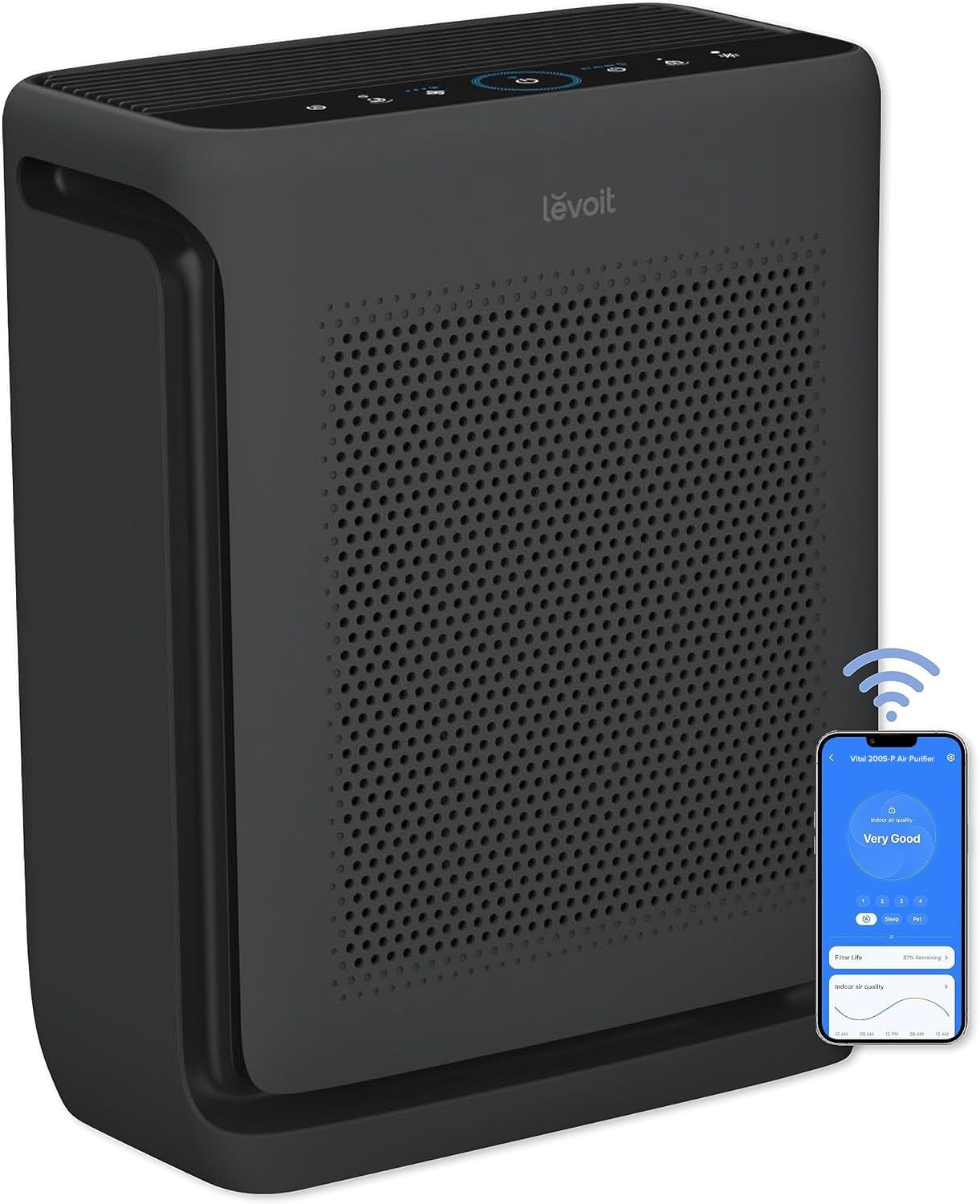
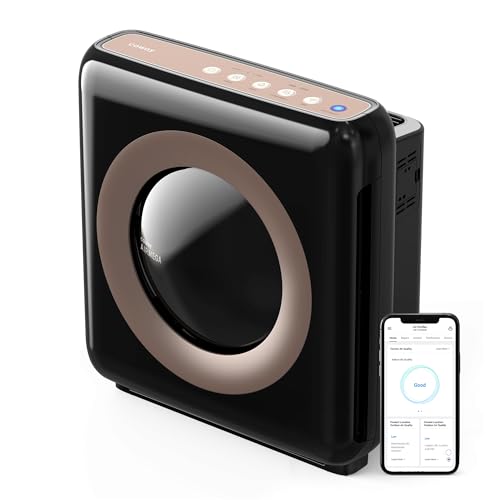
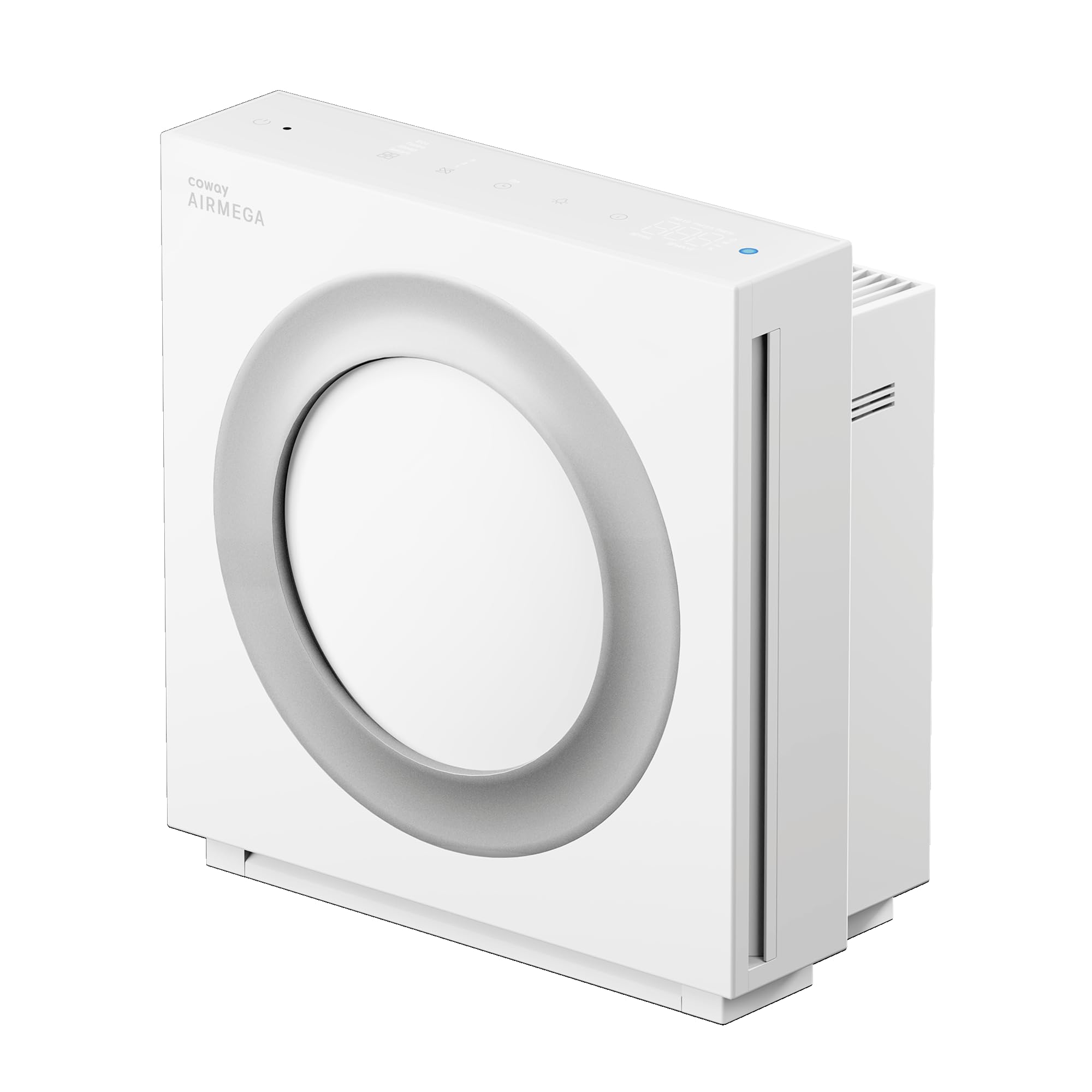
This guide explains how to judge a purifier on the things that actually move dust numbers: true HEPA filtration, a washable prefilter, dust CADR, honest room sizing, and noise on the speed you will really use. Use the product table to match those specs to your room, then work through the profiles and checklist that follow.

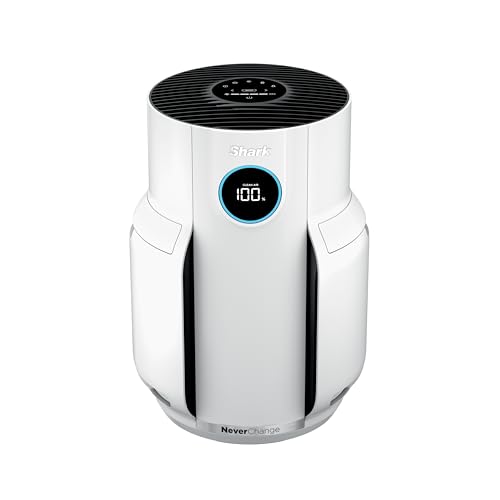
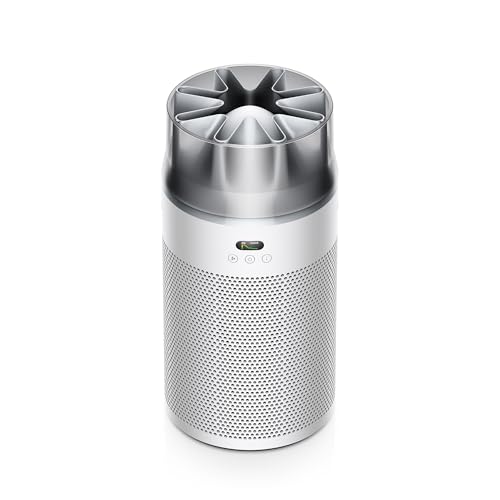
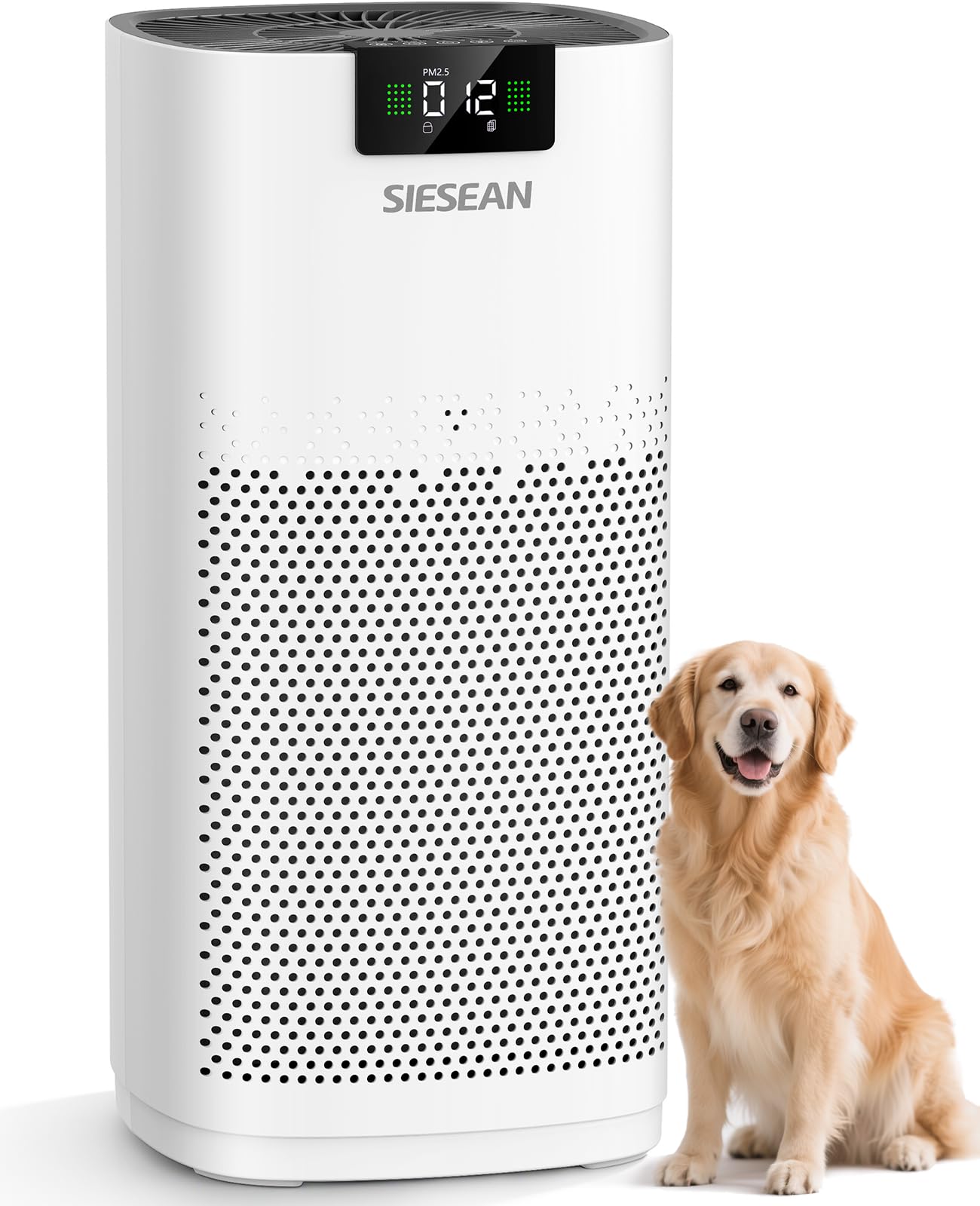
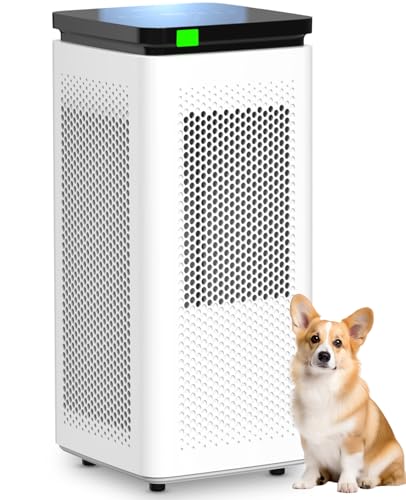


Three Buying Profiles and What to Prioritize
Most dust shoppers fall into one of three profiles. Naming your profile first keeps you from paying for coverage you will never use, or from buying a small unit that runs at full blast all day in a room it was never sized for.
Balanced Coverage for a Main Living Space
You want one unit for a living room or a large bedroom where dust is visible on furniture within days. Prioritize a dust CADR that fits the room with headroom to spare, a true HEPA filter behind a cleanable prefilter, and a medium speed quiet enough for conversation and television. A particle sensor with an auto mode helps here because dust load spikes when people walk through or shake out blankets. This is the profile most households should start with.
Small Room and Tight Budget
You are covering a single bedroom or a home office, and floor space is limited. A compact tower or a small box unit can work well, as long as its CADR still matches the room on a moderate speed rather than only on its loudest setting. Skip costly extras such as large carbon beds that add little for dust. Readers in homes with shedding animals may also want to compare the guidance for the best air purifier for pets, because hair raises prefilter cleaning from a monthly habit to a weekly one.
Large Room and Heavy Dust Load
You have an open living area, a home near a busy road, or ongoing renovation dust. Prioritize the highest dust CADR you can fit and afford, dual intake or a wide filter area, and lower cost per filter change, because a big filter that is expensive to replace often stays in service long past its best. Plan on a floor unit rather than a desktop model, and accept a larger footprint as the price of moving enough air.
How to Judge Dust Performance
Start with verified numbers rather than marketing claims. Look for a dust CADR figure from a recognized rating program, a filter described as true HEPA rather than HEPA type, and a recommended room size stated alongside the CADR instead of on its own. If you are still asking do air purifiers work, the evidence based answer is that a sealed HEPA unit sized for the room does lower airborne particle counts, while an undersized or leaky unit mostly moves air around.
Then weigh noise, energy use, and filter cost over a full year. If dust is only one of several concerns in your home, our overview of best air purifier types is a useful next read, because the features that matter for smoke or odors are not the same as the ones that matter here.
How to Choose the Right Air Purifier for Dust
Size and Form Factor
Form follows airflow. Desktop units suit a small office but move little air, so they rarely change dust levels across a whole room. Tower units save floor space and fit corners in bedrooms, yet their narrower filters can mean more frequent changes in dusty homes. Larger box style floor units hold the most filter media and usually deliver the best CADR for the money. Measure your available floor space and leave clearance on the intake sides before you commit to a footprint.
Filtration Type and Why True HEPA Matters for Dust
Dust is a mix of skin flakes, fabric fibers, pollen, pet dander, and fine grit, and much of the fraction that stays airborne longest is very small. A true HEPA filter is built to capture 99.97 percent of particles at 0.3 microns, which covers that fine fraction well. Filters labeled HEPA type or HEPA style have no single standard behind the name and often let more fine dust through. A good unit seals the filter into the housing so air cannot bypass it, and puts a prefilter in front to catch hair and coarse dust first. Carbon beds help with odors, not particles, and ultraviolet lamps and ionizers add nothing you need for dust. If you are comparing listings for the best hepa air purifier for dust, the sealed true HEPA claim and the dust CADR are the two lines worth trusting.
Features Worth Paying For
A particle sensor that drives an auto mode is worth paying for in rooms where dust arrives in bursts, because the unit can rise to the load and settle back when the air clears. A filter change indicator based on run hours is more honest than a simple calendar light. Multiple fan speeds with a genuinely quiet low setting matter more than a long list of modes. WiFi controls are convenient, but they do not clean any air by themselves. A washable prefilter is worth real money over time, since it protects the costly HEPA filter behind it.
Room Size and Coverage Ratings
Use the dust CADR, not the headline room size. A widely used sizing rule says the dust CADR should be at least two thirds of the room area in square feet, so a room of 300 square feet calls for a dust CADR of about 200 or more. That gives roughly two air changes per hour, which suits general dust control. If dust triggers symptoms in your household, aim higher, toward four or five air changes per hour, by choosing a larger unit. Always check which fan speed the coverage claim assumes, because many claims rely on the top speed few people tolerate for long.
Noise Levels for Bedrooms and Daily Use
Noise decides whether a purifier gets used or quietly switched off. Look for decibel figures for each speed, not only the lowest one. A quiet sleep setting often sits at about 25 to 35 decibels, a usable medium speed at about 40 to 50 decibels, and a top speed can pass 55 decibels, which is intrusive in a bedroom. For dust, the medium speed figure matters most, because that is the setting the unit will live on for hours. Display lights that dim or switch off also matter at night.
Filters and Maintenance
Maintenance for a dust purifier is simple but not optional. Vacuum or rinse the prefilter every 2 to 4 weeks in a dusty home, following the maker guidance on whether your prefilter is washable, because a clogged prefilter starves airflow and cuts dust capture. Expect a main HEPA filter to last about 6 to 12 months of regular use, and price a replacement before you buy the unit. Never wash a HEPA filter unless the maker states that it is washable, since water can damage the fiber structure. Wipe the exterior vents monthly so settled dust near the intake does not get pulled straight back in.
Running Cost and How Much You Should Spend
Running cost has two parts: electricity and filters. Most home units draw about 30 to 80 watts on the speeds used daily, so electricity is usually the smaller share. Filters dominate, and a cheap model can cost more each year than a pricier unit with a larger, longer lasting filter. On price, units under $100 are generally small room models with modest CADR. Models at about $100 to $200 cover most bedrooms and midsize living rooms well. At about $200 to $350 you gain higher CADR and quieter medium speeds, while about $350 to $500 buys large room coverage. Judge each tier by cost per year, not by the checkout price alone.
What Matters Most for Dust Control at Home
A purifier only treats air that reaches it, so placement and habits shape your results as much as the spec sheet. Set the unit in the room where you spend the most time, with its intake clear of walls and curtains, and run it continuously on a moderate speed rather than in short bursts on the top speed. Dust is released by activity, so counts spike when bedding is changed or rugs are shaken. Running the purifier through those moments, and for an hour after, is when it earns its keep.
Keep expectations honest about settled dust. A purifier captures airborne particles, so it slows how fast surfaces get dusty, but it will not lift dust that has already landed on shelves or under furniture. Regular damp dusting and a vacuum with a sealed HEPA system still do that job. Humidity control is a separate task as well. Our explainer on air purifier vs humidifier shows why adding moisture does not remove particles, even though very dry air can keep fine dust aloft for longer.
Dust also overlaps with allergy triggers, because household dust often carries dust mite debris and pollen that has drifted indoors. If sneezing and itchy eyes are part of your picture, the guidance in our article on the best air purifier for allergies goes deeper on that side of the problem. A purifier does not treat allergies or asthma. If breathing symptoms are frequent, worsening, or affecting sleep, see a doctor rather than relying on any home appliance.
Frequently Asked Questions
What is the best air purifier for dust?
The best choice is a sealed true HEPA unit with a dust CADR that fits your room and a cleanable prefilter. There is no single model that suits every home, because room size, noise tolerance, and filter cost change the answer. One extra point worth knowing is that two smaller units placed in separate rooms often beat one large unit expected to serve both, since doors block the airflow a single machine depends on.
What should I look for in an air purifier for dust?
Look first for true HEPA filtration, a stated dust CADR, a prefilter you can clean, and noise figures for the medium speed. After that, check the price and lifespan of replacement filters. A useful detail many listings bury is the weight of the filter itself, because a heavier HEPA filter generally holds more media and lasts longer between changes in a dusty home, even when two units share a similar CADR rating.
Do air purifiers work for removing dust?
Yes, air purifiers with true HEPA filters do remove airborne dust, and particle counts in a closed room fall measurably within the first hour of use. They work on the fraction of dust that is floating, not on dust already settled on surfaces. Cooking, candles, and open windows can refill the air with particles faster than a small unit clears them, so closing the room door while the purifier runs makes a visible difference.
How long does an air purifier take to clean a room?
An air purifier sized by the two thirds CADR rule takes about 30 minutes to complete roughly one full pass of the room air. Noticeable particle reduction usually comes sooner, often within 15 to 20 minutes on a stronger setting. Real world timing depends on how much dust is being released at that moment, so a room being vacuumed or a bed being made will take longer to settle than a still, empty room with the door closed.
What size air purifier do I need for a dusty room?
You need a unit whose dust CADR is at least two thirds of your room area in square feet, and more if dust bothers your breathing. Measure the room before you shop, length times width, and include connected spaces such as an open kitchen if air flows freely between them. Ceiling height is the overlooked factor here, because a room with ceilings well above 8 feet holds more air than its floor area suggests, and stepping up one size keeps air changes where you intended.
How often should you change an air purifier filter for dust control?
You should change the main HEPA filter about every 6 to 12 months in a home with a noticeable dust load, and sooner if airflow drops or odors return. The prefilter needs attention far more often, every few weeks. One habit that helps is to write the install date on the filter frame in pencil when you fit it, because indicator lights reset easily and memory is unreliable, and an overdue filter quietly lowers the dust capture you paid for.
Final Thoughts
Dust control comes down to a short list: true HEPA filtration, a dust CADR matched to your room with headroom, a prefilter you will actually clean, and a medium speed quiet enough to leave running. Match those points to your profile, check the yearly filter cost before you buy, and use the product table to compare the options that meet your numbers. Chosen that way, the best air purifier for dust quietly slows the film on your shelves and helps your main rooms feel cleaner between dusting days.