Best Air Purifier for Cigarette Smoke for 2026: A Complete Buying Guide
Disclosure: We may earn a commission when you buy through links on this page, at no extra cost to you. As an Amazon Associate I earn from qualifying purchases. Learn more

Clear cigarette smoke and odor with the right mix of true HEPA and deep activated carbon, sized to your room with smoke CADR in mind.
Cigarette smoke is harder to clear than dust or pollen because it is a mix of very fine particles and gases that carry odor. A unit that works well for pet hair may barely touch that lingering smell, so choosing the best air purifier for cigarette smoke means looking past basic filtration and checking carbon capacity, airflow, and room coverage first. The product table lays out the key specs side by side so you can match them to your room and your habits.
This guide explains what actually removes smoke, how much carbon and airflow you need, and where buyers most often waste money, so you can set realistic expectations before you buy.

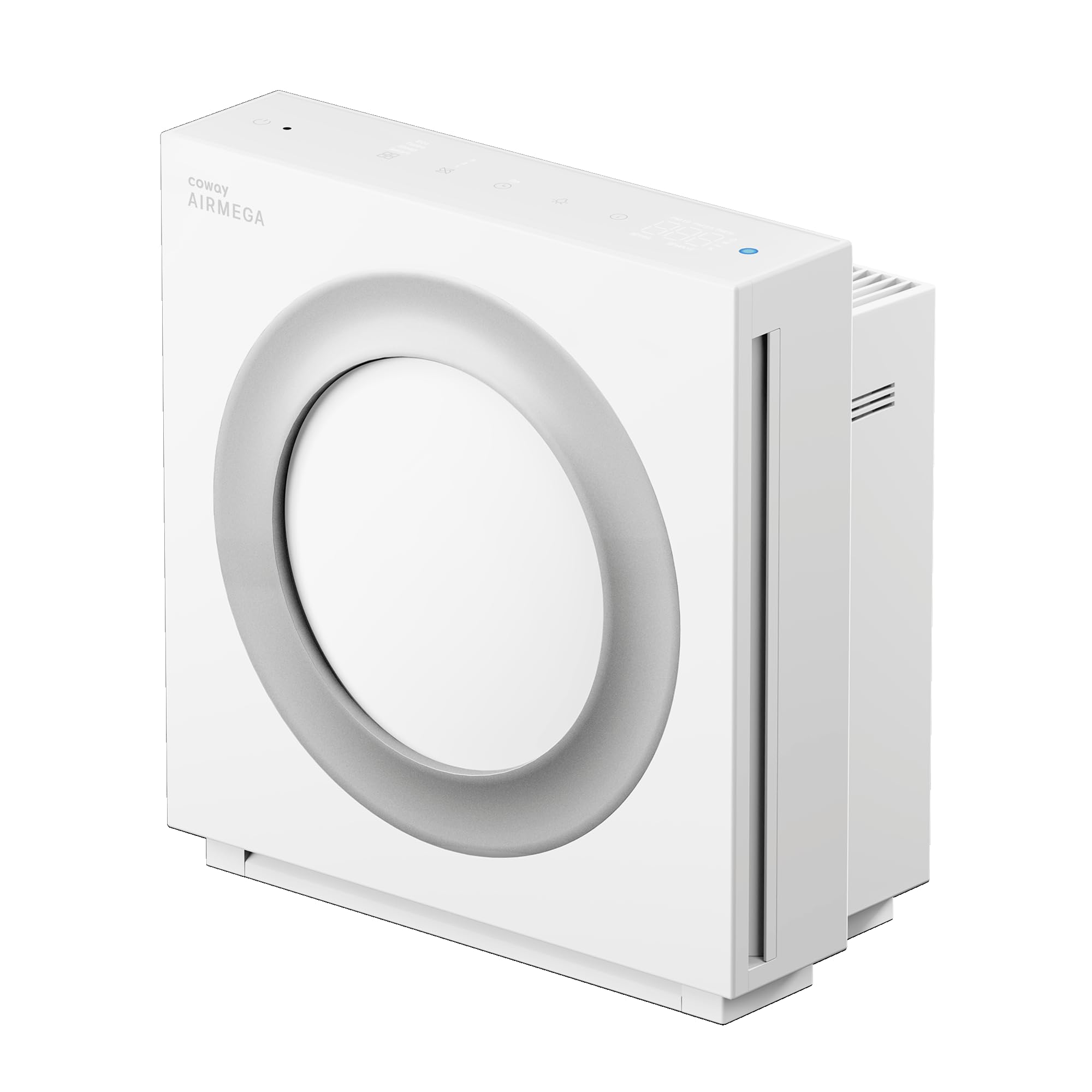

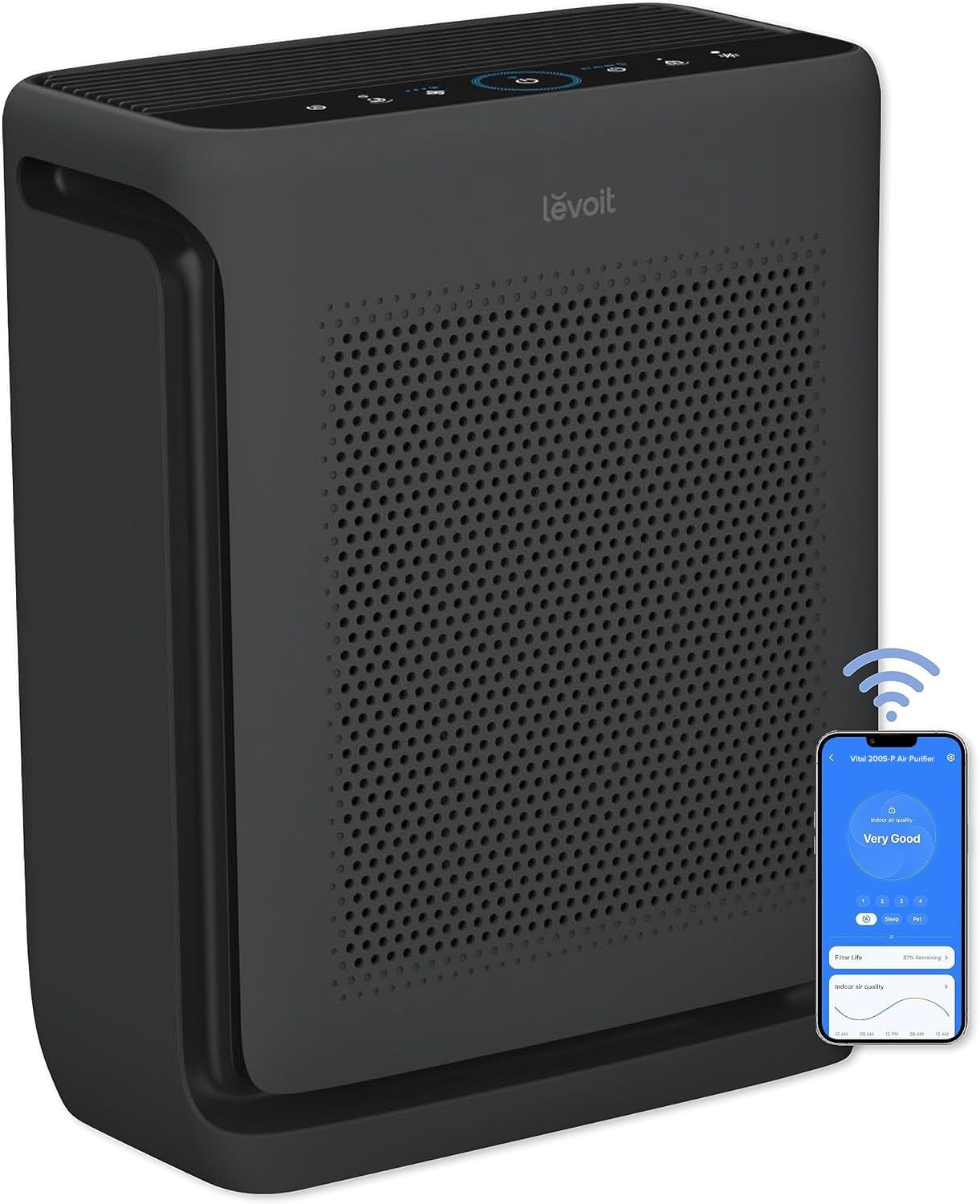


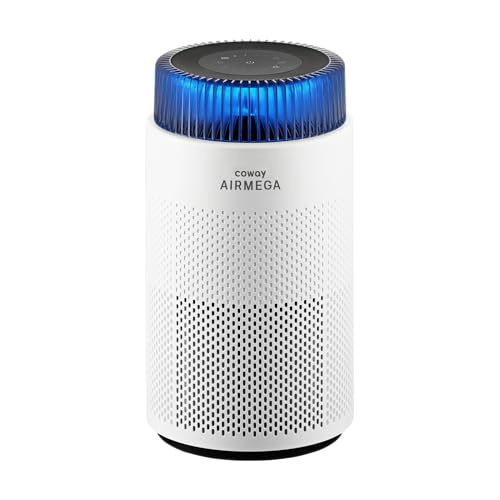

Three Buying Profiles and What to Prioritize
Your smoking pattern and your room shape the right choice more than any single spec. Find the profile below that sounds most like your home, then use the feature sections to check the details.
Daily Smoking in a Living Room or Den
If someone smokes indoors every day, you need sustained cleaning power rather than a small unit run in short bursts. Prioritize a deep bed of activated carbon, a smoke CADR rating that covers the room with headroom, and a medium speed you can tolerate for hours. Stepping up one size usually gives you quieter running and faster clearing after each cigarette.
Occasional Smoke and Lingering Odor in a Smaller Room
For a bedroom, office, or guest room that catches smoke now and then, the main problem is often odor that lingers long after the cigarette is out. A compact tower or desktop unit with a genuine carbon filter can handle this load, as long as the carbon is more than a thin coated sheet. Look for simple controls, a sleep mode for overnight use, and replacement filters priced in line with the unit itself.
Large or Open Plan Spaces and Shared Homes
Open plan layouts and shared houses spread smoke across a much bigger air volume, and one small purifier rarely keeps up. Plan on a large room unit placed near the usual smoking spot, or on two smaller units in different zones. If you are comparing general options as well, our guide to the best air purifier explains how coverage ratings differ across room sizes. Containing smoking to one area also helps any purifier work far better.
How to Evaluate an Air Purifier for Cigarette Smoke
Smoke calls for two kinds of filtration working together. A true HEPA filter traps the fine solid particles in smoke, while activated carbon adsorbs the gases and volatile compounds that cause most of the smell. A unit strong on only one of these will leave the other half of the problem behind, so treat both as required.
When you compare models, read the spec sheet in a set order: smoke CADR first, then carbon weight or depth, then room size, then noise at medium speed, and finally yearly filter cost. If a listing hides the carbon amount or gives no smoke specific CADR, the unit was likely designed for dust and pollen rather than for smoke.
Budget shapes what you get in predictable ways. Under $100, expect small room coverage and light carbon that suits occasional odor only. From about $100 to $250, you find midsize units with real carbon beds suited to bedrooms and dens. From about $250 to $500, coverage grows to large rooms, carbon capacity increases, and medium speeds get quieter.
Key Features to Compare
Activated Carbon Weight and Depth
Carbon decides whether smoke odor actually fades. Activated carbon has a vast internal surface that traps gas molecules as air passes through, and more carbon means more capacity before the filter saturates and smells return. Thin carbon coated pre filters help with light odors but exhaust quickly under cigarette smoke. For regular indoor smoking, look for a canister or thick panel filter with carbon measured in pounds rather than grams.
True HEPA Filtration for Fine Particles
Smoke particles are among the smallest a home purifier faces, and many sit well below the size of pollen grains. A true HEPA filter captures at least 99.97 percent of particles at 0.3 microns, which covers the fine fraction that makes smoke visible and lets it drift through a home. Terms like HEPA type or HEPA style describe lower grades that let more fine particles pass. The HEPA stage also protects the carbon bed, because particles caught early cannot coat the carbon and shorten its life.
CADR and Room Size Coverage
CADR, or clean air delivery rate, measures how much filtered air a unit delivers, and smoke has its own CADR figure that is usually the lowest of the three ratings listed. A common sizing rule is to choose a smoke CADR of at least two thirds of your room area in square feet, which gives roughly two air changes per hour. For smoke, aiming higher pays off, since faster air changes clear a fresh plume before it spreads to soft furnishings. Size for the space where smoking actually happens.
Noise, Speed Settings, and Energy Use
A purifier only cleans the air while it runs, and smoke control needs long run times, so noise at the speed you will actually use matters more than the turbo figure. Check decibel ratings at low and medium settings, especially for bedrooms, where a sleep mode keeps the unit running all night. Multiple speeds let you run high for a short clearing burst after smoking, then drop to a quieter setting. Energy use is modest for most units, often similar to a light bulb.
Sensors, Controls, and Extra Modes
Air quality sensors can raise fan speed automatically when smoke enters the air, which helps in rooms where nobody wants to manage settings by hand. Treat readings as a rough guide rather than a precise measurement, because low cost sensors react to many particles, not to smoke alone. Useful extras include a filter change indicator, a timer, and an auto mode that settles down once air clears. Skip ionizing or ozone generating features, since ozone can irritate airways and does not replace carbon for odor control.
Size, Placement, and Setup for Smoke
Form factor follows room size. Desktop units suit a small room, tower designs fit corners and narrow floor space, and larger console units move the most air for living rooms. Whatever the shape, leave clear space around the intake and outlet, usually at least a foot, so the unit is not recycling its own cleaned air in a tight loop.
Placement near the smoke source beats placement across the room. Put the purifier close to where smoking happens, with airflow moving across that spot, and keep interior doors in mind because a closed door lets one unit protect a single room well. Comparing an air purifier vs humidifier can also clarify a common mix up, since a humidifier adds moisture and does nothing to remove smoke particles or gases.
Ventilation still matters alongside filtration. Opening a window near the smoking spot, even briefly, removes a share of smoke that no filter then has to handle.
What Matters Most When Smoke Is the Main Problem
The honest limit is that a purifier reduces airborne smoke and odor; it does not make indoor smoking harmless. Fine particles and gases that escape the filter still enter the room, and residue settles on walls, fabrics, and furniture over time. If you are wondering do air purifiers work for this job, the fair answer is that they clearly cut smell and visible haze, but they cannot remove every harmful compound from secondhand smoke.
That limit matters most for children, older adults, pregnant people, and anyone with asthma or other breathing conditions. Keep smoke away from those rooms entirely where you can, and treat persistent coughing, wheezing, or worsening asthma symptoms as a reason to see a doctor promptly rather than as a filtration problem to solve. Local housing and workplace rules may also restrict indoor smoking, so check the rules that apply to your building before relying on a purifier as your main answer.
Some buyers also weigh a unit for allergens as well as smoke. Our guide to the best air purifier for allergies covers pollen and dust mite needs in depth. For smoke, though, carbon capacity stays the deciding factor, even when HEPA performance looks identical on paper.
Common Mistakes to Avoid
- Buying on dust CADR alone, which overstates smoke performance and leaves odor untouched.
- Choosing a unit with a thin carbon sheet for daily smoking, so the filter saturates within weeks.
- Sizing exactly to the room area, which forces constant high speed running and more noise.
- Placing the purifier in a far corner behind furniture, where airflow cannot reach the smoke source.
- Running the unit only while smoking, then switching it off while particles and gases still linger.
- Ignoring replacement filter costs, which can exceed the purchase price within a couple of years.
Care and Maintenance for Smoke Use
Smoke loads filters faster than dust does, so maintenance intervals shrink. Vacuum or replace the pre filter monthly in a smoking home, because a clogged pre filter starves the system of airflow. Check the carbon filter by smell: when smoke odor returns soon after the unit runs, the carbon is likely saturated even if the indicator light disagrees. HEPA filters often need changing at the short end of the maker range, since tar like residue coats the media.
Keep the housing and sensor lens clean with a dry cloth, and never wash a HEPA or carbon filter unless the maker says it is washable, because water ruins both media. Note the date each filter goes in on a label on the unit. Store spare filters sealed and dry so the carbon does not absorb household odors on the shelf.
FAQ
What is the best air purifier for cigarette smoke?
The right choice is a unit that pairs true HEPA filtration with a heavy activated carbon bed and a smoke CADR sized above your room area. No single type suits every home, because daily indoor smoking demands far more carbon than occasional odor control. Match the buying profiles above to your habits first. Also check that replacement filters are stocked by more than one retailer, so you are not stuck if one seller runs out.
What should I look for in an air purifier for cigarette smoke?
Look for a listed smoke CADR rating, carbon measured by weight rather than a coated sheet, and a true HEPA filter rather than a HEPA style grade. Medium speed noise and yearly filter cost matter more than extra app features. One detail many buyers miss is the intake position: units that draw air from the front or sides suit placement against a wall, while all around intakes need open space on every side.
Do air purifiers work for cigarette smoke odor?
Yes, air purifiers reduce cigarette smoke odor when the carbon stage is substantial, because activated carbon adsorbs the gases that carry the smell. Light carbon filters fade within weeks under daily smoke, so odor returning quickly usually signals a saturated filter rather than a broken unit. Washing or airing soft furnishings helps too, since fabric holds odor that no purifier can pull out of the air. Expect strong improvement in air smell, not a room that smells as if nobody ever smoked.
How long does an air purifier take to clean a room?
Most correctly sized units clear the bulk of a smoke plume within about 30 to 60 minutes on a high setting. The exact time depends on room volume, CADR, and whether smoking continues while the unit runs. A useful habit is to run the highest speed for the first half hour after smoking, then let auto mode take over. Odor absorbed into curtains and upholstery releases slowly, so the last trace of smell can linger well after the air itself looks clean.
What size air purifier do I need for cigarette smoke?
Choose a smoke CADR of at least two thirds of your room area in square feet, and go higher if smoking is frequent. For example, a room of 300 square feet calls for a smoke CADR around 200 or above. Rooms with vaulted ceilings hold more air than the floor area suggests, so size up when ceilings are tall. If two connected rooms share the smoke, treat their combined area as one space or plan on separate units.
How often should you change an air purifier filter in a smoking home?
Change filters sooner than the standard schedule in a smoking home, with carbon often lasting about three to six months under daily smoke. HEPA filters commonly last about six to twelve months before airflow drops. A practical check is to mark the install date and note when odor control slips, because that interval becomes your personal schedule. Buying filters on a subscription can prevent the common gap where a spent filter stays in the unit for months.
Final Thoughts
Smoke is the toughest everyday job for a home purifier, but the formula is clear: true HEPA for the particles, plenty of activated carbon for the gases, and enough CADR to cycle your room air quickly. Size up rather than down, place the unit near the source, and budget for filters as part of the real cost. Chosen that way, the best air purifier for cigarette smoke will cut haze and odor noticeably every day. Use the product table to compare coverage and carbon specs against your room, and you will land on a unit that fits your home.