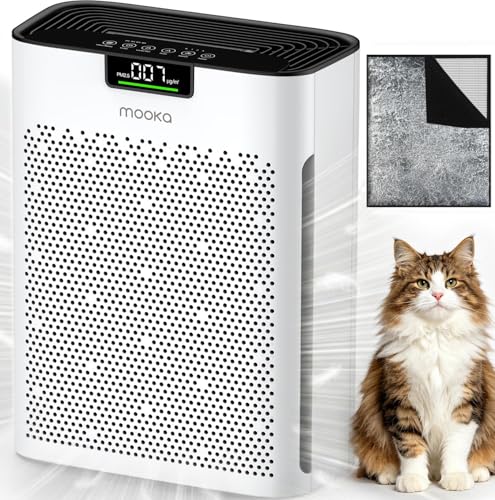
Best Air Purifier for Cat Allergies (2026): Size, Features and Buying Tips
Disclosure: We may earn a commission when you buy through links on this page, at no extra cost to you. As an Amazon Associate I earn from qualifying purchases. Learn more

What matters when choosing the best air purifier for cat allergies: size, features, budget and the mistakes to avoid.
Living with a cat you love should not mean waking up with a blocked nose, itchy eyes, and sneezing fits every morning. Cat allergen is stubborn because it is light, sticky, and easily carried on clothing, bedding, and soft furniture. Choosing the best air purifier for cat allergies comes down to strong particle filtration, enough airflow for your room, and quiet running you can tolerate all night. The comparison table below groups the main types by coverage and noise so you can shortlist quickly.
This guide explains the types worth considering, the ratings that actually matter, and the costs you will face after purchase. If you also want a broader view of the category, start with our guide to the best air purifier and then return here for the cat specific details.

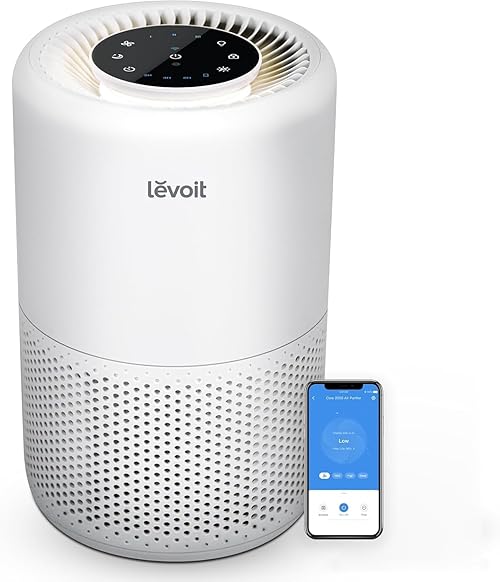


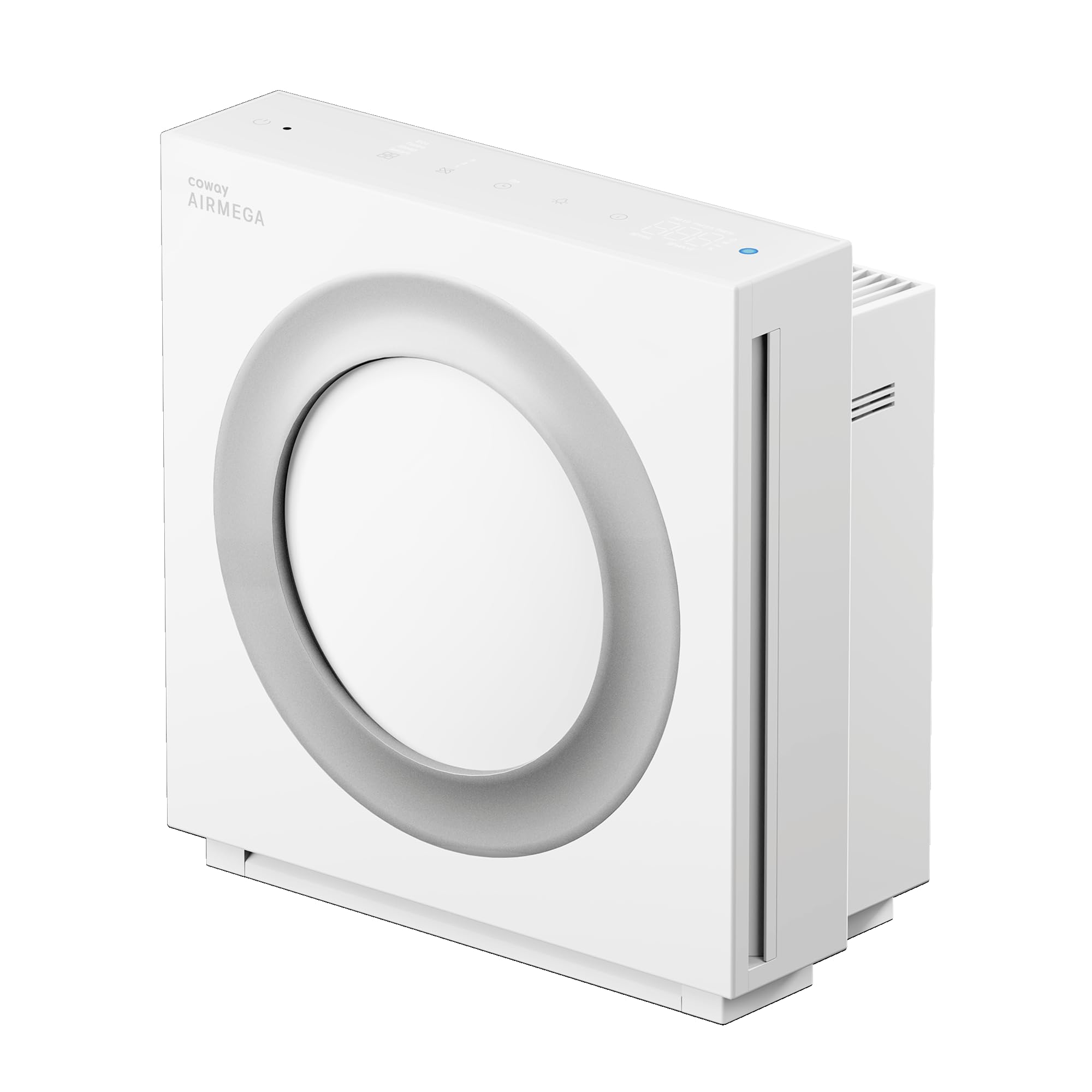


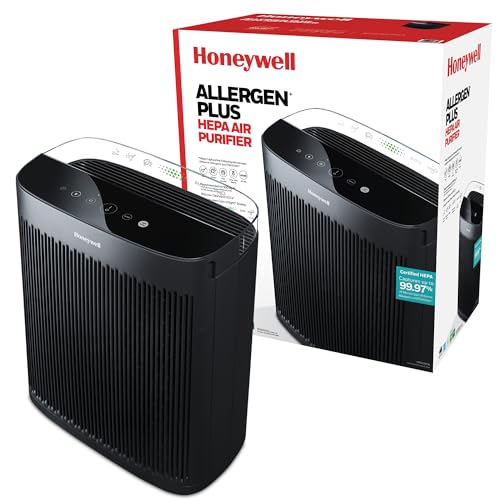
Types Compared at a Glance
Instead of chasing a single winning model, think in types, because rooms and households differ so much. A compact tower suits a bedroom where floor space is tight and night noise matters most. A larger console unit moves more air and suits an open living area where the cat spends the day. A small desktop unit only makes sense for a tiny office or a nursery corner, since its coverage is limited.
Households with several cats usually need the larger type in the main living space and a quieter compact unit in the bedroom. That split matters because allergen builds up where you sleep and where the cat rests, and one machine rarely serves both rooms well. Shoppers comparing general pet hair machines should also read our guide to the best air purifier for pets, since hair control and allergen control overlap but are not the same goal.
- Compact tower type: modest footprint, moderate airflow, usually the quietest choice for bedrooms and guest rooms.
- Large console type: higher airflow and bigger filters, better for open plan rooms and homes with two or more cats.
- Desktop type: very small coverage, useful only as a supplement near a desk or bedside table.
How We Chose What to Recommend
We judged types against the needs of cat allergy sufferers first, not against headline marketing claims. Priority went to true HEPA filtration, clean air delivery rate matched to common room sizes, and published noise figures at low speed. We also weighed filter replacement cost, energy use during continuous running, and whether a design avoids ozone producing features.
Our comparisons draw on manufacturer specifications, standards from industry bodies, and patterns in verified buyer feedback about dander, odor, and night use. If your triggers extend beyond cats, our overview at do air purifiers help with allergies explains how purifiers fit into wider allergy control.
How to Choose the Right Air Purifier for Cat Allergies
Size and form factor
Start with the room where symptoms trouble you most, which for many people is the bedroom. A tower shape fits into a corner and leaves walkways clear, while a boxy console needs more floor space but usually holds a larger filter. Portable units with a handle help if you move between a home office and a bedroom. Measure the footprint against door swing and curtain clearance, and leave space around the intake so walls and furniture do not choke airflow during the night.
Type and filtration technology
True HEPA is the core technology for this job, since it is designed to trap the fine particles that carry cat allergen. Units labelled with HEPA style wording may use a looser standard, so check the exact rating before you buy. Carbon stages help with litter tray odor but do not replace particle filtration. Treat ultraviolet lamps and ionic features as extras rather than essentials, and prefer designs described as ozone free if you plan to run the machine in a bedroom around the clock.
Features worth paying for
A coarse first stage that catches visible cat hair is worth real money, because hair can clog the main filter long before its rated life ends. An air quality sensor that raises fan speed when dust spikes is also useful after vacuuming or litter changes. Timer settings, a filter change indicator, and a display you can dim at night all earn their keep in a bedroom. WiFi control is pleasant but optional, and a built in humidifier adds tank cleaning work that most allergy focused buyers do not need.
Room size and coverage ratings
Coverage claims rest on the clean air delivery rate, often shortened to CADR and given in cubic feet per minute. A common sizing guide is to pick a CADR at least two thirds of the room area in square feet, which supports frequent air changes. Treat the largest room size on the box with caution, since that figure often assumes very high ceilings or a slower cleaning pace. If your room sits near the top of a stated range, step up one size so the machine can clean well at a quieter speed.
Running cost and energy use
An allergy purifier earns its keep by running for many hours each day, so wattage matters more than it does for occasional use. Most modern units draw modest power on low and medium settings, and an energy rating logo helps you spot efficient designs. Multiply the daily running hours by the wattage to estimate your monthly cost at local rates. Replacement filters are usually the bigger expense over time, so add one year of filter costs to the purchase price before you judge which option is truly cheaper.
Noise levels for bedrooms
Manufacturers quote noise in decibels, usually at the lowest and highest fan speeds, and the gap between those figures can be wide. For sleep, look for a low speed figure that reads like a quiet room rather than a conversation. Remember that a larger machine on medium often sounds softer than a small machine straining on high to clean the same space. Place the unit away from the head of the bed, and avoid corners that can amplify fan hum against two walls at once.
Filters and maintenance
Expect three stages of upkeep. Shake or vacuum the coarse first stage every few weeks if the maker allows it, since cat hair builds up quickly in homes with shedding breeds. Replace the HEPA stage and the carbon stage at the intervals the manual states, and sooner if odors return or airflow drops. Wipe the sensor lens and the air outlets with a dry cloth so dust does not distort readings. Never wash a HEPA filter unless the manual clearly says that model allows washing.
How much should you spend?
Units under $50 are usually desktop models with very limited coverage, suited only to tiny spaces. Moving to about $100 to $200 brings proper HEPA filtration and coverage for a typical bedroom. Spending about $200 to $300 adds stronger airflow, bigger carbon stages, and quieter motors for larger rooms. Above about $300 you mostly pay for whole room reach, smarter sensors, and lower running effort at scale. Judge each tier by filter cost as well, because a cheap machine with pricey filters can overtake a costlier rival within two years.
What Matters Most in an Air Purifier for Cat Allergies
The trigger is a protein found in cat saliva, skin, and urine, and cats spread it across their coats while grooming. Those particles are small and can remain suspended in indoor air for long periods, then settle into carpets, sofas, and bedding. That is why filtration and placement matter more than fragrance or odor masking. It is also why a purifier works best alongside habits such as keeping the bedroom door closed and washing bedding often in hot water.
A purifier reduces airborne allergen, but it does not remove the source and it is not a medical treatment. Talk with your clinician or an allergist about your personal needs, especially if you use inhalers or allergy medicine. Seek medical care promptly for warning signs such as trouble breathing, wheezing that does not ease, chest tightness, or swelling of the lips or face. Readers whose symptoms also flare with pollen or dust may benefit from our guide to the best air purifier for allergies for a wider plan.
Bedroom strategy deserves special emphasis. If the cat sleeps on your bed, allergen load in that room will stay high no matter how strong the machine is, so many sufferers make the bedroom a cat free space while they adjust. Running the unit with the door shut for an hour before bed gives it a head start. Keep the litter tray out of the bedroom as well, since tray dust and odor add to the burden the filter must handle overnight.
FAQ
What is the best air purifier for cat allergies?
The right answer depends on your room, but the strongest profile is a true HEPA unit sized one step above your room area, with a washable or replaceable coarse stage for hair and a quiet low speed for night use. Prioritize published CADR and honest noise figures over extra lamps or ion features. If two rooms trouble you, budget for two smaller units rather than one large machine you keep moving.
What should I look for in an air purifier for cat allergies?
Look first for true HEPA filtration, then for a carbon stage deep enough to matter for litter odor, and a filter change indicator so a spent filter does not slip past you. Check that replacement filters are easy to buy and fairly priced, since a model with scarce filters becomes a burden. A useful extra is a lock for the controls, which stops curious cats from switching the machine off by walking across the top panel.
Do air purifiers work for cat allergen in real homes?
Yes, within limits that are worth understanding. A purifier can lower the amount of airborne allergen in a closed room, but it does nothing for allergen already worked deep into a mattress or sofa. That is why results often improve over several weeks as room reservoirs slowly decline with cleaning. For the wider evidence and its limits, read our explainer asking do air purifiers work before you set expectations.
How long does an air purifier take to clean a room with a cat?
Time depends on room volume and fan speed, but a correctly sized unit can cycle the air in a typical bedroom several times within an hour on a higher setting. In practice, most people notice the air feeling fresher far sooner than allergen levels fully settle. A practical trick is to run a higher speed while you are out, then drop to a quiet setting before bed, rather than switching the machine off between uses.
What size air purifier do I need for a home with two cats?
Size for the room, then add a margin for the extra dander and hair that two cats produce. If the calculated CADR for your room sits close to a model limit, choose the next size up so the unit can cope on medium speed. Homes with two cats also benefit from a second unit in the room where the cats spend the day. Splitting coverage this way usually beats one oversized machine placed in a hallway.
How often should you change an air purifier filter when you own a cat?
Follow the manual first, but expect cat homes to sit at the short end of any stated range because hair loads the first stage quickly. A change indicator or a drop in airflow is a better guide than the calendar alone. Keep a spare carbon stage on hand if litter odor is your early warning sign, since odor breakthrough often appears before particle performance fades. Note the fitting date on the filter frame in pencil so you never guess its age.
Final Thoughts
Match the type to your room, insist on true HEPA filtration, and plan for filter costs from the start. The product table above pulls those points together so you can compare coverage, noise, and upkeep side by side. For most readers, the best air purifier for cat allergies is simply the quiet, correctly sized unit you will happily leave running every night. Prices and availability can change, so check the product page before ordering.