Best Air Purifier for Basement (2026): Size, Features and Buying Tips
Disclosure: We may earn a commission when you buy through links on this page, at no extra cost to you. As an Amazon Associate I earn from qualifying purchases. Learn more

What matters when choosing the best air purifier for basement: size, features, budget and the mistakes to avoid.
Basements collect problems that upstairs rooms rarely face. Moisture creeps in through floors and walls, dust settles on stored boxes, and stale air lingers because windows stay shut for months. Choosing the best air purifier for basement use means matching filtration to damp air, mold spores, and musty odors rather than shopping on room size alone. The comparison table below groups options by coverage, filtration type, and noise.
This guide covers the types that suit lower levels, the specs that matter in damp conditions, and where a purifier stops and moisture control takes over.


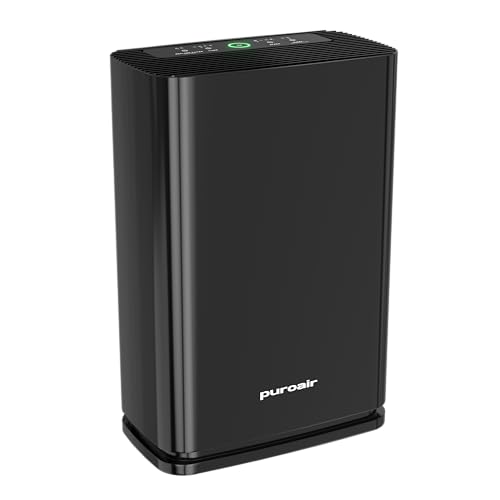
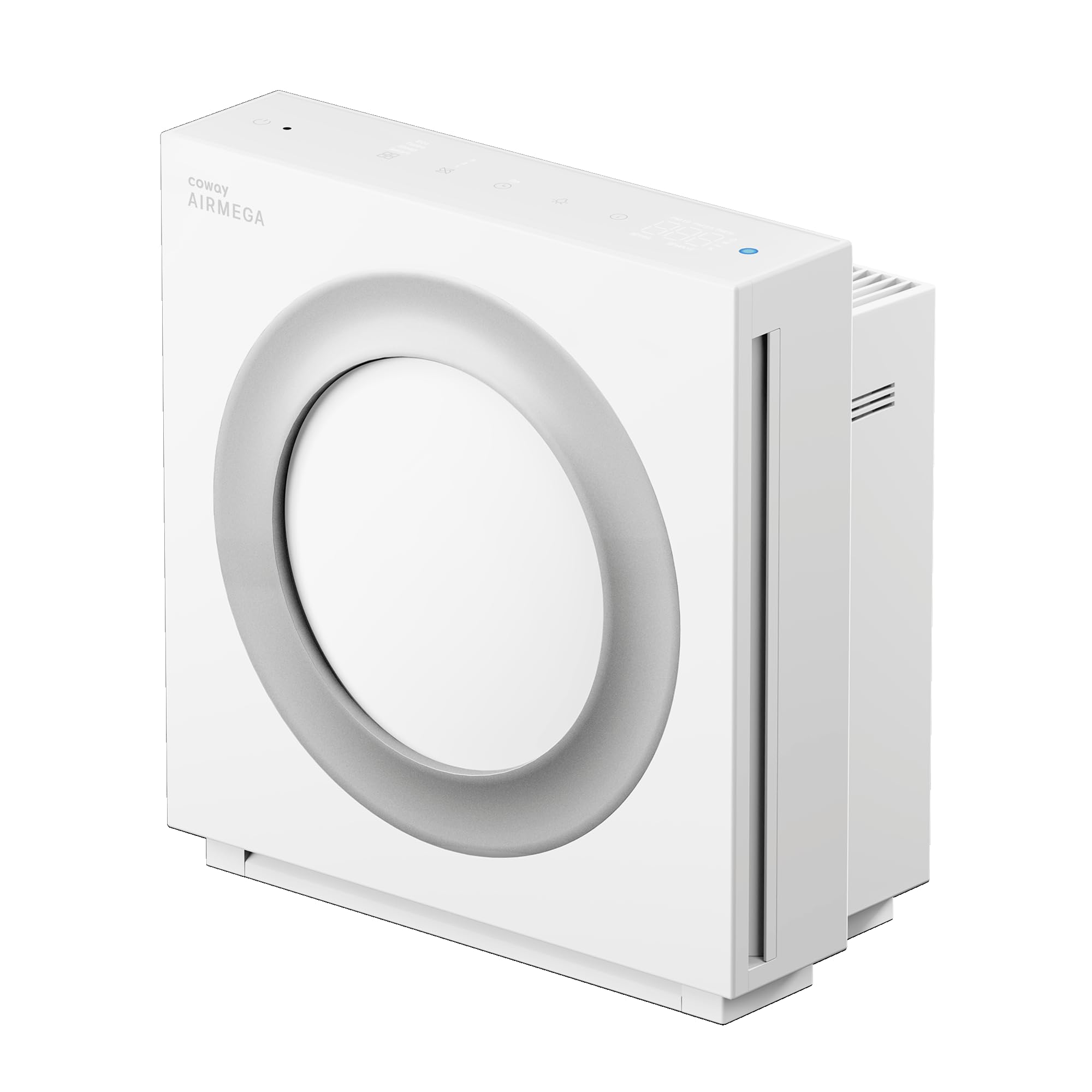
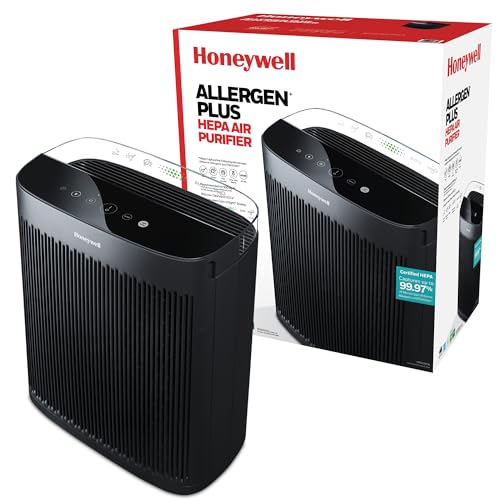
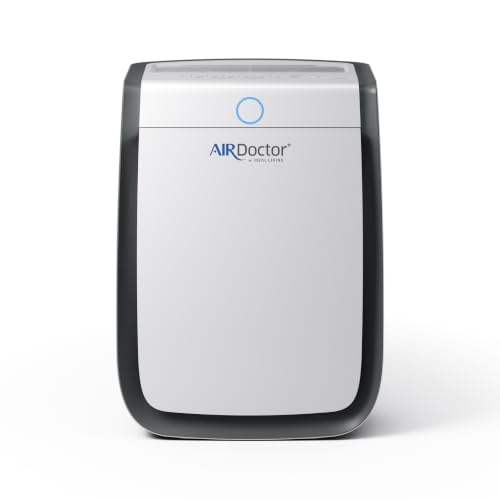


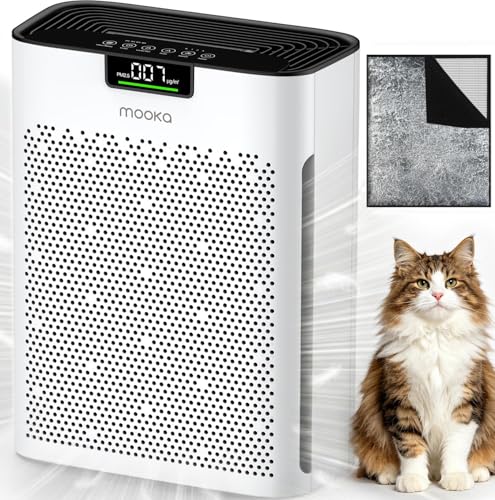
Types Compared for Basement Use
Large Room Console Units
Console units sit on the floor and move a high volume of air through a large filter area. They suit finished basements used as living rooms, offices, or play spaces, where coverage and strong odor control matter most. Their bigger carbon beds handle musty smells better than compact units. The trade off is floor space and weight, so measure your spot before you order.
Tower Units
Tower units stand tall with a narrow footprint, which helps where floor space is already claimed by furniture and storage. Airflow is usually moderate, so towers fit single rooms rather than one open lower level. Many towers add a washable prefilter that catches lint and coarse dust first, which helps where dust from laundry areas and workshops drifts through the air.
Compact Portable Units
Compact units serve a single closed room, such as a basement bedroom or a small office. They cost less to buy and to run, and you can move one between rooms as needs change. Their limits show up quickly in open layouts, where cleaned air mixes with untreated air from the rest of the level. Treat a compact unit as a room solution, not a whole basement solution.
How Options Were Compared
Options were compared on coverage and clean air delivery rate, filtration media, carbon weight, noise at low speed, energy use, and yearly filter cost. Preference went to sealed HEPA filtration and no ozone producing ionizers.
Who Should Buy Which Type
Owners of Finished Basements Used Daily
If your basement works as a living room, gym, or office, choose a console unit sized above your room area and run it on low for long stretches. Daily use stirs up dust from carpet and upholstery, and steady airflow keeps particle levels from climbing between sessions.
Owners of Unfinished Storage Basements
For an unfinished space full of boxes, paint, and tools, odor and dust control lead the list. A heavy carbon filter helps with smells from stored materials, while a washable prefilter slows clogging from coarse dust. If anyone in the home reacts strongly to mold or dust, our guide to the best air purifier for allergies covers filter choices for sensitive airways.
Households With a Basement Bedroom
A bedroom below grade needs quiet running above all else, plus enough coverage for a closed door room. Pick a model whose low speed is rated quiet enough for sleep and place it where airflow is not blocked by the bed or dresser.
How to Choose the Right Air Purifier for Basement
Size and Form Factor
Measure the room in square feet and note the ceiling height before you compare models. Basements often have lower ceilings than upstairs rooms, which slightly reduces the air volume the unit must cycle. Open layouts need coverage for the full open area, while closed rooms can be treated one at a time. Leave clearance around the intake and outlet.
Filtration Type
True HEPA media captures fine particles that matter below grade, including mold spores, pollen, and dust mite debris. Activated carbon absorbs the gases behind musty odors and smells from paint or cleaning supplies. Ultraviolet light and ionization do not replace HEPA and carbon, and ionization can create ozone. A sealed HEPA filter paired with a generous carbon bed is the combination to pay for.
Features Worth Paying For
An air quality sensor earns its cost because particle levels spike when you move storage boxes or vacuum. Auto mode reacts to those spikes and then settles back to a quiet speed. A filter indicator removes guesswork in a space you may not visit daily. Skip scent cartridges, since added fragrance only masks odor while the source remains.
Room Size and Coverage Ratings
Coverage claims vary by maker, so compare the clean air delivery rate, often shortened to CADR, instead of headline room size. A common AHAM guideline is a smoke CADR of at least two thirds of the room area in square feet. For a 300 square foot room, that points to a CADR of about 200 or higher. Oversizing slightly lets you run a quieter speed while still cycling the air often enough.
Running Cost and Energy Use
A basement purifier often runs far more hours than one in a bedroom, so wattage adds up. Most units draw roughly the power of a light bulb on low speed, a modest monthly cost even with near constant use. Filters are the larger expense. Add yearly filter cost to the purchase price, since a cheap unit with costly filters can pass a pricier model within two years.
Noise Levels for Finished Basements
Makers list noise in decibels for each speed, and the low speed figure is the one you will live with. A rating in the low 20s to low 30s suits sleep and conversation, while high speeds can compete with a television. Concrete walls and hard floors reflect sound, so a unit may sound louder at home than in a showroom. Size the unit so its low or medium speed still covers your room.
Filters and Maintenance
Most basement units use a prefilter, a HEPA filter, and a carbon filter in sequence. Vacuum or wash the prefilter as the manual directs, since a clogged prefilter cuts airflow. HEPA and carbon filters are replaced, not washed, and damp air can shorten carbon life because carbon also absorbs moisture. Write the install date on the filter frame rather than trusting the box estimate.
How Much Should You Spend?
Compact units for a single small room often fall around $80 to $150. Mid sized console units with strong carbon beds commonly cost about $150 to $300, and large units for open lower levels can run about $300 to $500. Spending more mainly buys higher CADR, more carbon, and quieter low speeds. It does not buy moisture removal, so reserve part of your budget for fixing damp conditions.
What Matters Most in an Air Purifier for Basement
A purifier cleans air that passes through it, but it cannot dry a wet wall or stop water entry. If relative humidity sits above about 50 percent for long stretches, mold can keep growing on walls, wood, and stored paper no matter how strong the filter is. Fix leaks and dry the space first. The air purifier vs dehumidifier comparison explains why the two machines solve separate problems and often work side by side.
A unit with true HEPA filtration can capture airborne spores released from a small, contained mold patch while you clean it, and our guide to the best air purifier for mold goes deeper on that use. But if mold covers more than about 10 square feet, returns after cleaning, or follows flooding that soaked walls and flooring, call a professional remediation service. Anyone with worsening coughing, wheezing, or breathing trouble around basement mold should talk with a clinician about personal risk.
Odor is mostly a carbon question. Musty smells come from gases released by mold, mildew, and stored materials. Thin carbon sheets exhaust in weeks under a heavy odor load, while a thick carbon bed can work for months. If odor returns soon after a filter change, treat that as a sign of an active moisture source and look for hidden leaks.
A purifier also cannot clear carbon monoxide or sewer gas, and no filter rating changes that. Keep working carbon monoxide detectors in any home with fuel burning appliances. Readers who want background on measured results can review do air purifiers work for a plain summary of what filtration can and cannot do. For broader shopping beyond the basement, see our guide to the best air purifier.
Common Mistakes to Avoid
- Buying by headline room size alone, which leaves an open basement under cleaned because the CADR is too low for the full area.
- Placing the unit in a corner behind storage boxes, which blocks intake air and shrinks the zone it can actually treat.
- Expecting the purifier to fix dampness, so the mold source keeps growing while the air briefly smells cleaner.
- Choosing an ionizer model for a closed lower level, which can add ozone to a space with limited fresh air exchange.
- Running the unit only during visits, which lets particles and odors rebuild for days between each short session.
- Ignoring a spent carbon filter, which leaves HEPA filtration working while odor control quietly stops altogether.
How to Make Your Air Purifier Last Longer
Keep the space around the unit clear and vacuum the intake grilles when you clean the basement, since lint buildup strains the fan motor. Run the unit steadily on a lower speed rather than blasting it on high only when odors bother you, because steady running is gentler on the motor. Store spare filters in a dry upstairs closet.
Set the unit on a hard, raised surface rather than on a floor that has flooded before, and unplug it and let it dry fully if water reaches the housing. Wipe the sensor lens gently with a dry cloth when readings seem erratic, and check the cord for damage each time you move the unit.
FAQ
Can an air purifier remove radon from a basement?
No. Radon is a gas that passes through HEPA and carbon filters without being captured in any meaningful amount. The only reliable way to know your level is a radon test kit or a continuous monitor, and high results call for a mitigation system from a qualified contractor. A purifier still helps with particles in the same space, but it is not part of a radon plan.
Where should you place an air purifier in a basement?
Place it on a firm, level surface near where people spend time or where odors are strongest, with open space on all sides for airflow. Keep it away from the direct damp of a laundry sink or sump area, and avoid spots where a dehumidifier blows straight into it, since that warm discharge can distort sensor readings. In a long room, a central position cleans more evenly than either end.
How long does an air purifier take to clean a basement room?
Most well sized units cycle the air volume of a room about two to four times per hour on higher speeds, so a noticeable drop in dust and odor often comes within the first hour. Heavily settled dust takes longer because particles must become airborne before the filter can catch them. After dusty work, run the unit on high for an hour, then return it to a lower speed.
Can an air purifier run safely in a cold basement?
Most units work fine at normal indoor temperatures, but very cold unfinished basements can fall below the operating range in the manual, and condensation can form at the housing. Check the stated temperature range before placing a unit in an unheated space. If the space regularly drops near freezing, the warmer finished portion of the level is the safer choice.
Should an air purifier run all the time in a basement?
Continuous running on a low speed usually gives better results than short bursts, because basements release particles and odor gases around the clock. Low speed also uses little power and makes the least noise. If your basement sits empty for weeks, a timer that runs the unit for several hours daily is a reasonable middle ground.
Final Thoughts
Start by fixing moisture, then size by CADR, then insist on true HEPA media with a carbon bed heavy enough for real odor work. The best air purifier for basement use is the one matched to your layout and damp conditions, not the one with the longest feature list. Check the product table above against your room measurements and filter budget before you buy.