Best Air Purifier for Asthma (2026): Size, Features and Buying Tips
Disclosure: We may earn a commission when you buy through links on this page, at no extra cost to you. As an Amazon Associate I earn from qualifying purchases. Learn more

What matters when choosing the best air purifier for asthma: size, features, budget and the mistakes to avoid.
If asthma symptoms flare when dust, pollen, or pet dander build up indoors, the air in your bedroom matters most. Finding the best air purifier for asthma means matching strong particle filtration to your room size, then running it quietly enough that you will leave it on all night. Small differences in filter quality and airflow decide whether a unit helps or just moves air around.
This guide compares purifier types by coverage, clean air delivery, noise, and running cost, and the comparison table below sums up the main options. If you want the broader picture first, see our guide to the best air purifier for general home use, then come back for the asthma specific details.

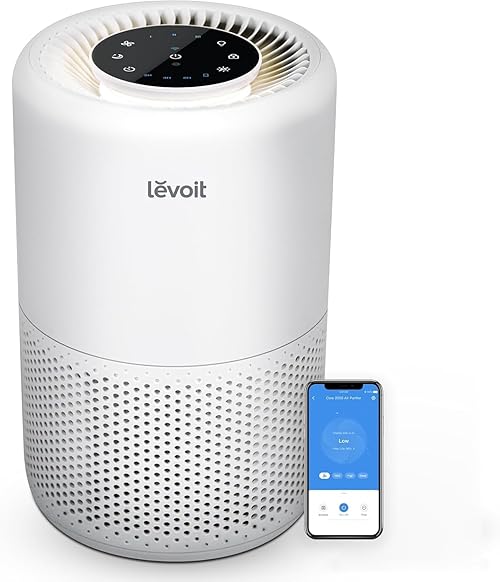


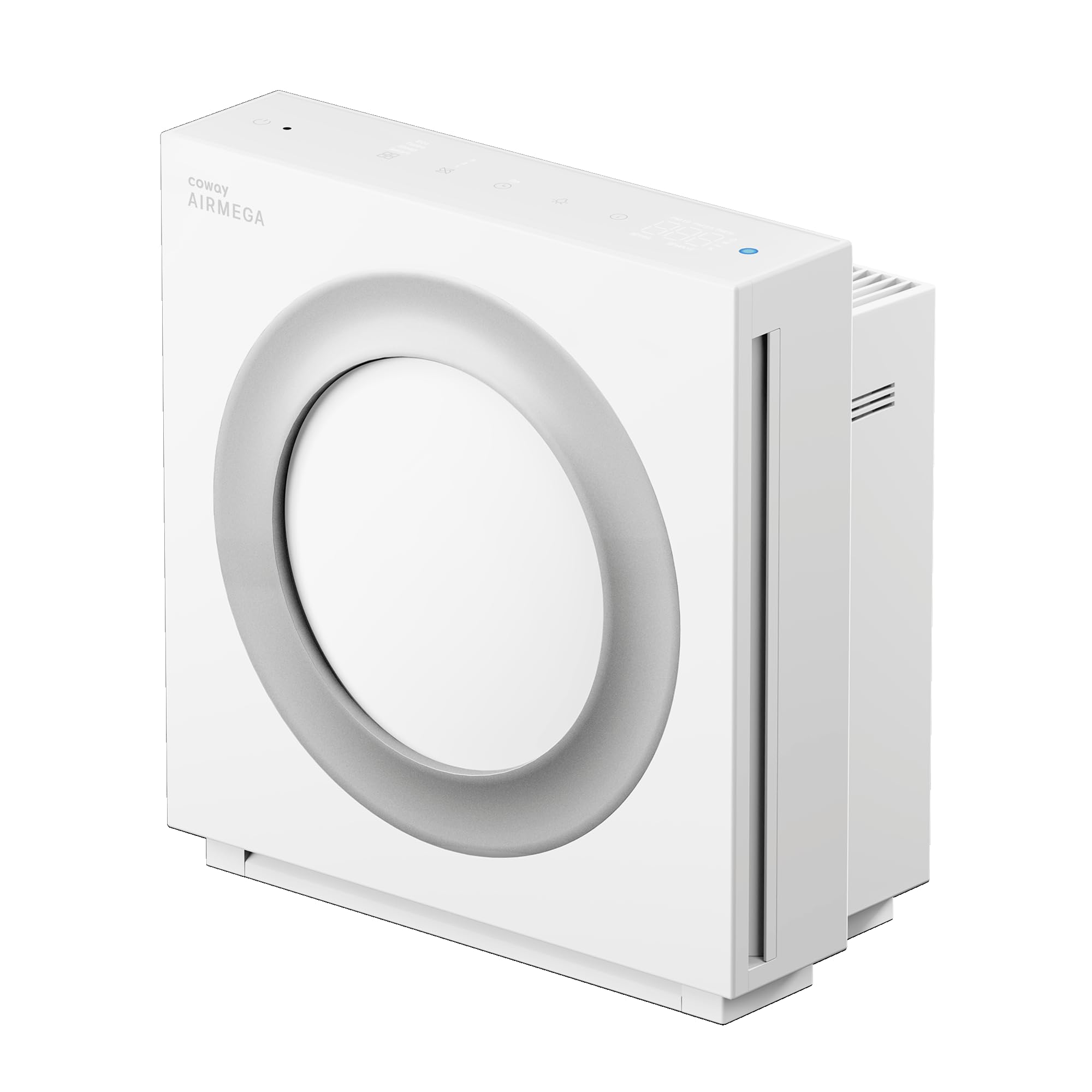

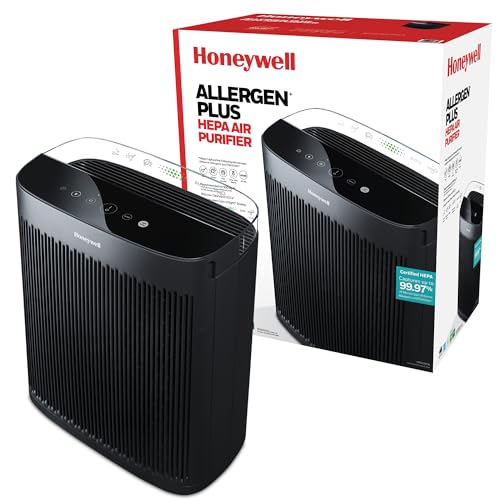
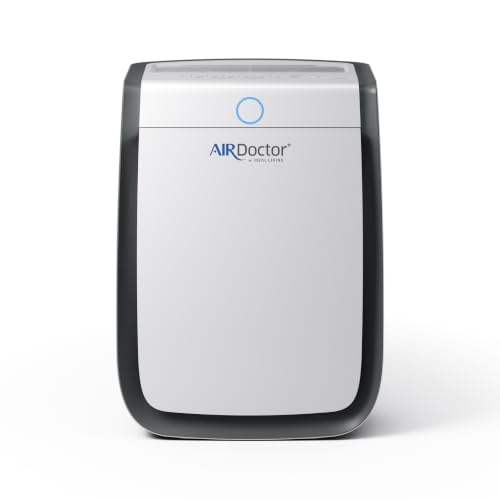
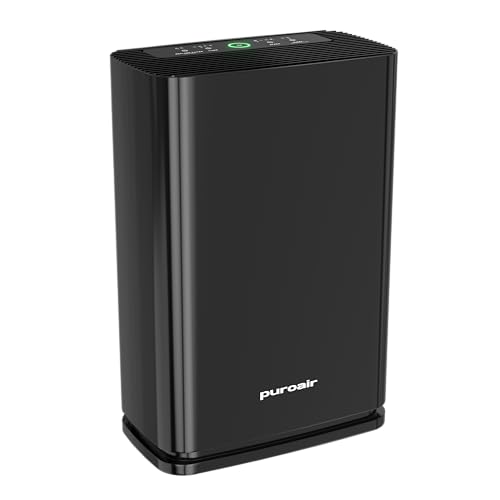

Air Purifier Types at a Glance
Three broad types cover almost every asthma need at home. Your choice depends mainly on room size, nighttime sensitivity, and how much floor space you can give up.
- Compact tower types: slim units for one bedroom corner.
- Larger console types: bigger filters and stronger airflow for living rooms and open plan spaces.
- Small tabletop types: short units for a desk in a very small room.
Types Compared for Asthma
Compare the types below by the room you plan to treat first. Most people with asthma get the most value from treating the bedroom before any other space.
Compact Tower Types for a Single Bedroom
Tower units stand upright, take little floor space, and usually draw air in low and push it out at the top. That pattern suits a bedroom, where the unit can run for hours near the bed without blocking a walkway. Look for a sleep speed that still moves a useful amount of air, because a silent but weak tower does little overnight. Households with animals may also want to read our guide to the best air purifier for pets, since dander control shapes filter choice.
Larger Console Types for Living Areas
Console units are wider and heavier, with larger filters that hold more dust before performance drops. The bigger filter area also lets them clean a large room at a lower and quieter fan speed than a small unit working hard. They suit living rooms where cooking smoke or fireplace particles drift in. The trade off is size, since a console needs clear space around its intake and loses airflow behind furniture.
Small Tabletop Types for Tight Spaces
Tabletop units are the smallest option and fit a dorm room or a small study. Their filters are small, so they suit rooms well under 150 square feet and work best close to where you sit or sleep. They are also the easiest type to move between rooms, which helps if symptoms shift between a home office by day and a bedroom by night. Do not expect one to protect a whole apartment, because its clean air delivery is too low for that job.
How to Evaluate Air Purifiers for Asthma
Judge every model on the same short list of criteria. Coverage and clean air delivery rate, often shortened to CADR, tell you how fast a unit clears a room. Filtration quality decides which particles it traps, noise decides whether you will run it at night, and energy use plus filter cost decide what it costs over a year. Smart features matter only after those basics are right. If you are still weighing the evidence, our explainer do air purifiers work walks through what these machines can and cannot do.
Trust published CADR and coverage numbers more than general claims about freshness or wellness. Terms such as HEPA type are not the same as a true HEPA filter, and that gap matters for asthma.
How to Choose the Right Air Purifier for Asthma
Size and Form Factor
Start with the room you will treat first and the space you can spare in it. A tower needs only a small square of floor, a console needs a wider spot with open air on at least two sides, and a tabletop needs a stable surface away from the edge. Leave the clearance the maker states around intakes and outlets, because a unit pushed against a wall cleans less air than its rating suggests. Measure before ordering, and check that doors still open with the unit in place.
Filtration Type
A true HEPA filter is the core choice for asthma, since it traps the fine particles that carry pollen, dust mite waste, and dander. HEPA is a defined standard, capturing at least 99.97 percent of particles as small as 0.3 microns, while looser labels carry no such promise. Activated carbon adds help with odors and some gases, though it does not replace HEPA for particles. Be cautious with ionic and ultraviolet designs, because some release ozone, which can irritate sensitive airways.
Features Worth Paying For
A particle sensor with an automatic mode is worth paying for, because the unit speeds up when dust rises and slows down when the air clears. A filter change indicator, a timer, and a display light you can switch off all help in a bedroom. A washable prefilter also helps, since it catches hair and large dust before they reach the main filter. Skip scent dispensers, because added fragrance is a common asthma trigger and works against the purpose of the machine.
Room Size and Coverage Ratings
Coverage claims rest on CADR, and a useful rule is that the smoke CADR should be at least two thirds of the room area in square feet. A bedroom of 150 to 250 square feet therefore needs a smoke CADR of about 100 to 167 or higher. Ratings also assume a ceiling height of about 8 feet, so a taller room holds more air than the headline figure implies. When a room sits between sizes, choose the larger rating, because an oversized unit can run slower and quieter for the same result.
Running Cost and Energy Use
A purifier for asthma runs for many hours a day, often around the clock, so small differences in wattage add up over a year. Many home units draw about 30 to 60 watts on the speeds people actually use, which keeps electricity cost modest. Filter cost is usually the bigger expense, at about $40 to $120 a year depending on filter size and type. Add both figures together before judging a low purchase price, because a cheap unit with costly filters can pass a pricier model within two years.
Noise Levels for Bedrooms
Noise decides whether the purifier stays on while you sleep, and makers usually quote the quietest figure from the lowest speed. Typical home units range from about 25 decibels on sleep speed to about 55 decibels on the highest setting. What matters is the noise at the speed that still delivers enough CADR for your room, not the sleep speed number alone. Place the unit a few feet from the bed, since distance softens both sound and the draft across your face.
Filters and Maintenance
Maintenance is simple but easy to neglect. Vacuum or rinse the prefilter about once a month, following the maker directions, and wipe dust from the intake grilles so airflow stays open. When you swap the main filter, take the old one straight into a bag and seal it, because shaking it indoors puts trapped dust back in the air. Check the seal around a new filter sits flat with no gaps, since air will bypass a poorly seated filter.
How Much Should You Spend?
Units at about $100 or less usually cover a small room and offer basic controls with a smaller filter. The about $100 to $250 range is where most bedrooms are covered well, with true HEPA filtration, a sensor, and a usable sleep speed. Spending about $250 to $500 buys larger coverage, bigger filters, and quieter operation at useful speeds. Paying more mainly makes sense for very large spaces or for covering a whole floor with more than one unit.
What Matters Most in an Air Purifier for Asthma
Asthma changes the buying decision in a few specific ways. The triggers that matter most, such as pollen, dust mite waste, mold spores, and animal dander, are particles, so particle filtration comes before every other feature. Symptoms also peak at night for many people, which is why quiet continuous running in the bedroom outranks raw power elsewhere. If damp rooms and spores are part of your picture, our guide to the best air purifier for mold covers that side in more depth.
A purifier supports the care plan you agreed with your doctor, but it does not replace it. Follow your doctor's instructions and ask your clinician about your personal triggers. If breathing becomes difficult, get urgent medical help.
Many readers also confuse purifiers with moisture devices. A purifier removes particles and adds no moisture, so it will not ease a dry throat on its own. Our comparison of air purifier vs humidifier explains which device fits which problem. Readers whose symptoms track pollen and dust allergies may also benefit from our guide to the best air purifier for allergies, since the two conditions often share indoor triggers.
FAQ
What is the best air purifier for asthma?
There is no single model that suits everyone, because the right choice depends on room size, triggers, and how light a sleeper you are. For most readers the best starting point is a true HEPA unit sized for the bedroom, run there every night. Treat the bedroom first because you spend the longest unbroken stretch of time there, breathing whatever the room holds.
What should I look for in an air purifier for asthma?
Look for true HEPA filtration, a CADR matched to your room, a quiet speed you can sleep through, and no ozone producing extras. Beyond the spec sheet, check whether the model appears in the AHAM Verifide directory, which lists independently verified CADR ratings. That listing gives you a rating you can trust more than a coverage claim printed only on the box.
Do air purifiers work for asthma symptoms?
They may help when symptoms are linked to airborne particles, because removing those particles lowers what you breathe in over the night. They do little for triggers that are not particles, such as cold air, strong scents, or exercise. Results also depend on habit, since a unit run for an hour with the door open changes far less than one run all night in a closed room.
How long does an air purifier take to clean a room?
In a correctly sized room, one full pass of the room air takes about 15 to 30 minutes, and several passes are needed before particle levels fall a long way. Dust raised by making the bed settles slowly, so levels keep improving over the first hour or two. A practical habit is to switch the unit on about an hour before bedtime, so the room is already clearer when you lie down.
What size air purifier do I need for a bedroom?
Measure the floor area, then check the ceiling height before you use the two thirds CADR rule from the coverage section. A room with a vaulted ceiling holds much more air than its floor area suggests, and it needs a rating closer to the next room size up. Drafty windows also raise the load, so a drafty bedroom benefits from stepping up one size.
How often should you change an air purifier filter?
Most HEPA filters last about 6 to 12 months of regular use, and carbon filters often need changing sooner, at about 3 to 6 months. Heavy smoke exposure or a dusty renovation can shorten that life a lot. Write the fitting date on the edge of each new filter in pencil, so the next change is a quick glance rather than a guess.
Final Thoughts
Choosing the best air purifier for asthma comes down to a short list of things done well: true HEPA filtration, CADR that fits your room, a sleep speed you will tolerate, and no ozone producing extras. Compare the options in the product table above against your bedroom first, then add coverage for other rooms if your budget allows. Run the unit every night, keep up with filter changes, and review your triggers with your clinician.