Best Air Purifier for Apartment (2026): Size, Features and Buying Tips
Disclosure: We may earn a commission when you buy through links on this page, at no extra cost to you. As an Amazon Associate I earn from qualifying purchases. Learn more

What matters when choosing the best air purifier for apartment: size, features, budget and the mistakes to avoid.
Apartment air goes stale fast. Cooking smells linger, dust settles on every surface, and smoke or pollen drifts in each time a window opens. Choosing the best air purifier for apartment living means matching coverage, noise, and size to rooms that are smaller and closer together than in a house. The comparison table below sums up the main types so you can shortlist quickly.
This guide skips named picks and focuses on the profiles worth your money. You will learn which format suits a studio, how much coverage a bedroom needs, and which features earn their cost when floor space is tight.





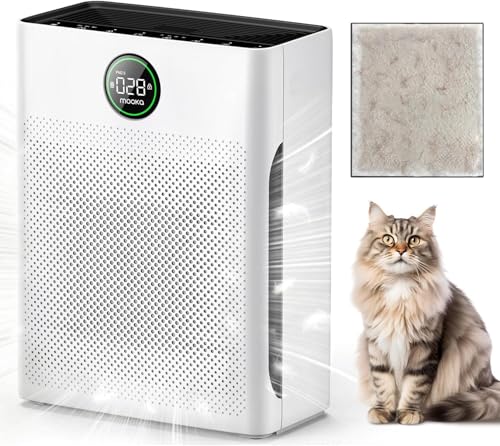
Apartment Purifier Types at a Glance
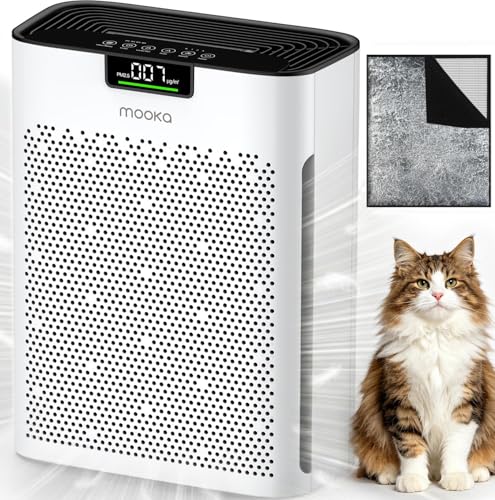
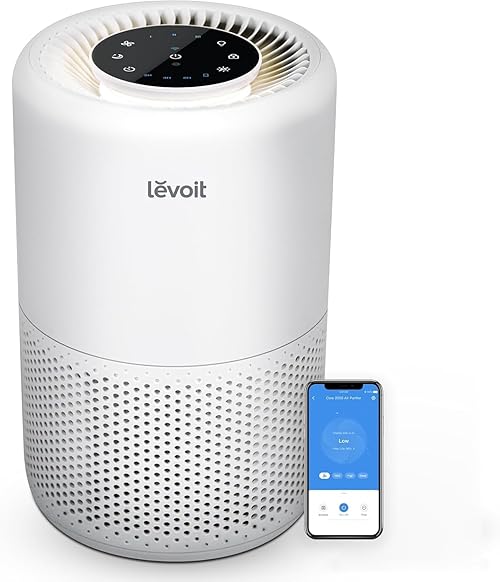
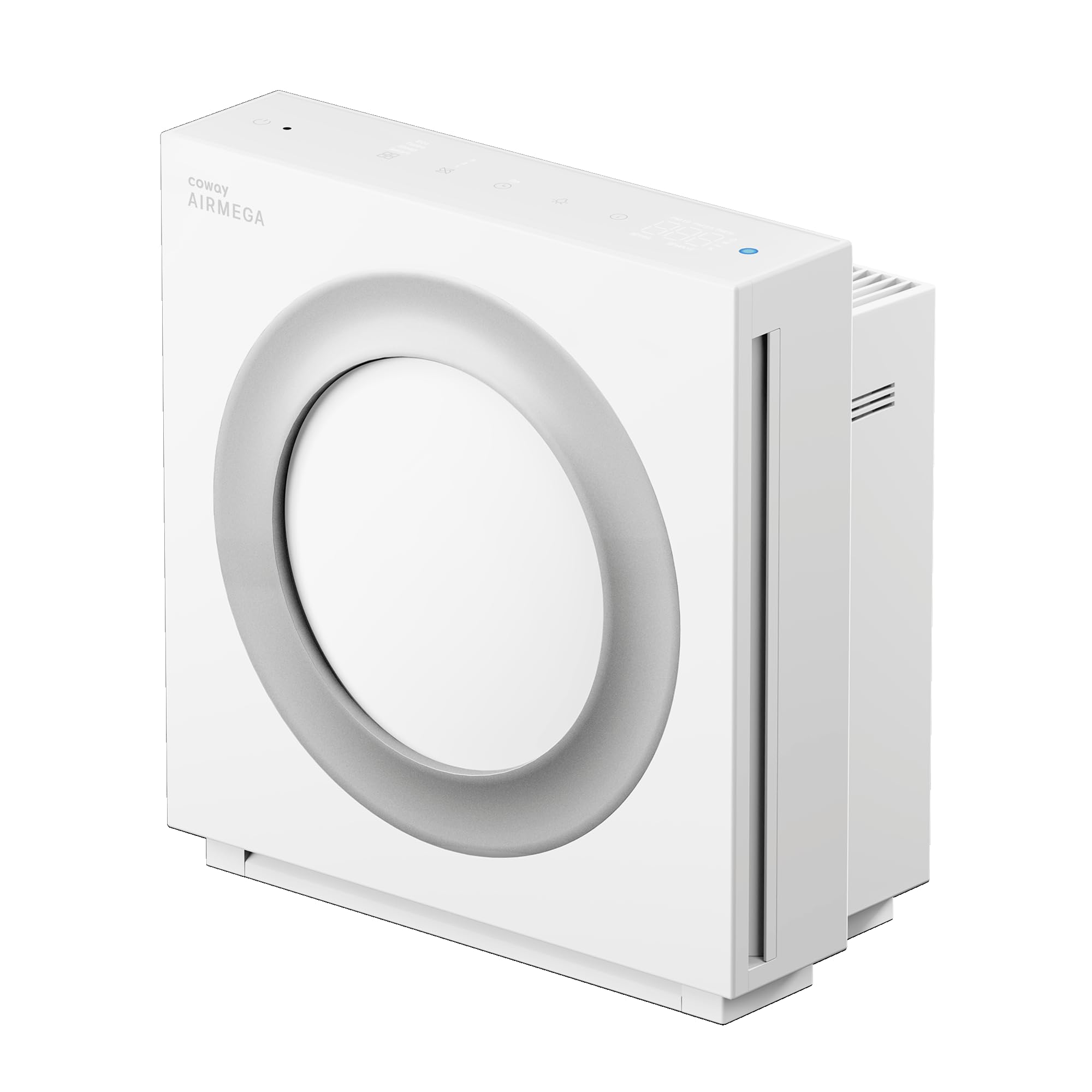
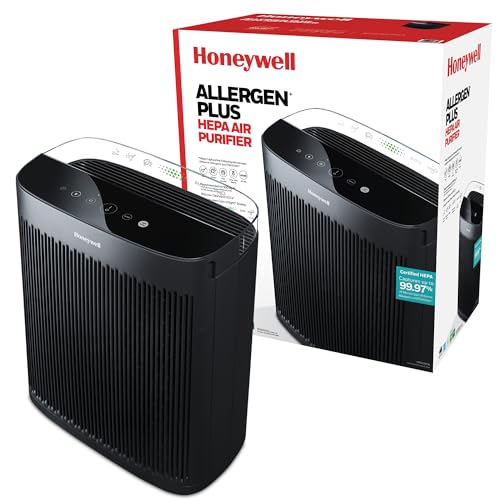
Most apartment friendly models fall into three profiles. A compact tower fits beside a sofa or desk and suits one room at a time. A midsize room unit moves more air and covers a living area plus an adjoining kitchen. A large coverage unit handles open layouts but takes more floor space and costs more to run. Compare them on coverage, noise at low speed, and filter size before extras.
Three Profiles Worth Considering for Apartments
Balanced Profile for Most Apartments
The balanced choice is a midsize tower or box unit rated for about 300 to 500 square feet, with a true HEPA filter and an activated carbon stage. It clears a living room during the day and a bedroom at night if you move it. Look for a clean air delivery rate near the top of its class, a sleep mode under about 30 decibels, and casters or a handle, since renters move units between rooms often.
Compact Profile for a Single Room
A small desktop or short tower unit suits a single bedroom or a studio corner where you sleep and work. Expect coverage for about 150 to 250 square feet, simple controls, and lower filter costs. The trade off is reach. It will not clear a whole apartment, and carbon capacity is small, so cooking odors fade slowly. For many renters that is fine, since the air around your bed and desk matters most, and a modest unit costs about $50 to $100.
Large Coverage Profile for Open Layouts
Open plan apartments need air moved across one large space rather than several closed rooms. A large coverage unit rated for about 600 square feet or more, with dual filters or a wide intake, does this job without running at full speed all day. Premium profiles add air quality sensors, auto mode, and app control, and they often run quieter at a given output because the fan and filters are bigger. Expect to pay about $250 to $500.
How to Judge Apartment Purifiers
Judge every model on the same six points. Coverage and clean air delivery rate come first, since an undersized unit cannot catch up. Next check noise at the lowest speed, energy use, and filter cost per year. Then weigh smart features only if they help daily use, such as a timer or auto mode. That order is what separates the best air purifier for apartment contenders from the rest. For a wider view, see our guide to the best air purifier options for homes of all sizes.
How to Choose the Right Air Purifier for Your Apartment
Size and form factor
Measure the spot before you buy. A tower needs only about one square foot of floor and tucks into a corner, while a box unit may need clearance on several sides for intake. Desktop models save floor space in a studio but move little air. Check the manual for the clearance each design needs, and keep the unit away from walls and curtains. Portability matters too. If you plan to move the purifier each night, weight and a sturdy handle count as much as output.
Type and filtration
True HEPA filtration is the core choice for dust, pollen, and pet dander, since the filter traps fine particles instead of just screening out lint. An activated carbon stage helps with cooking smells, paint fumes, and traffic odors, which build up quickly in a small volume of air. Ionic and UV add ons offer little extra for particles, and any model that produces ozone is a poor fit for a small sealed apartment. Choose ozone free designs and put your budget into filter media instead.
Features worth paying for
An air quality sensor with auto mode is worth paying for in an apartment, since pollution spikes when you cook or open a door and then falls again. A timer helps you run the unit while you are out. Washable pre filters cut dust load on the main filter and cost nothing to maintain. WiFi control is a nice extra for a bedroom unit. Skip built in humidifier or fan extras unless you truly need them, since combo units usually do each job less well.
Room size and coverage ratings
Match the rating to the room, not the whole apartment, unless your layout is open. A closed bedroom door blocks airflow, so one unit rarely serves rooms on opposite sides of a home. Pick a unit rated above your room size, which lets it clean the air on a quieter medium setting. Clean air delivery rate tells the same story in numbers. Higher is faster, and a rate that can cycle the room air several times per hour gives the best result without high speed noise.
Running cost and energy use
A purifier runs many hours a day, so wattage adds up on a tight budget. Most midsize units draw about 30 to 60 watts on medium, similar to a bright light bulb, and far less on sleep mode. Energy Star rated models trim that further. Add filter cost to the picture. A unit that seems cheap can cost more over two years if its filters are pricey and short lived. Check replacement filter prices and rated life before you buy.
Noise levels for bedrooms and shared walls
Noise decides whether you will actually run the unit at night. Look for a sleep mode rated at about 25 to 35 decibels, close to a quiet whisper, and check noise at medium too, since that is the setting you will use while reading or watching TV. Thin apartment walls carry sound to neighbors, so a calm medium speed is a courtesy as well as a comfort. Place the unit on a rug if your floors are hard, which reduces vibration hum.
Filters and maintenance
Most apartment purifiers use a pre filter you vacuum each month, a HEPA filter you replace about every 6 to 12 months, and a carbon filter that may need changing sooner if odors return. A filter change indicator removes the guesswork. Renters should favor models with filters sold widely, since you may move and still need replacements. If damp rooms are part of the picture, our guide to the best air purifier for mold explains the limits of filtration, and large growth needs your landlord or a professional.
How much should you spend?
Under about $50 you get a personal unit for a desk or nightstand, with limited reach. About $50 to $100 buys a sound single room purifier for most bedrooms. About $100 to $200 is the value zone for apartments, with stronger coverage, carbon filtration, and auto mode. About $200 to $300 adds quieter running and better sensors. Above about $300 you pay for open layout coverage and smart control. Spend first on coverage and filters.
What Matters Most in an Apartment Setting
Three apartment realities shape every choice. First, you cannot modify the space. There is no ductwork to add and often no permission to install anything, so a portable plug in unit is the whole solution. Second, sources are close. Your bed may sit yards from your stove, so cooking particles reach you fast, and a carbon stage matters more than it would in a house. Third, air leaks in from hallways and neighbors, so steady low speed running beats short bursts at full power.
Pets and allergies raise the stakes in a small space because dander has less room to disperse. If a pet sleeps in your bedroom, see our guide to the best air purifier for pets for dander focused advice. For pollen and dust triggers, our guide to the best air purifier for allergies goes deeper, and if symptoms are severe or getting worse, talk with a clinician about your personal needs.
Know what a purifier cannot do. It filters particles and some gases, but it does not add moisture or remove it. If dry winter air from radiators is your main complaint, the comparison in air purifier vs humidifier explains which device solves which problem.
Common Mistakes to Avoid
- Buying one small unit for a whole apartment with closed doors, so most rooms get no cleaned air at all.
- Placing the purifier flush against a wall or behind furniture, which chokes the intake and cuts output.
- Running the unit only when air feels dusty, instead of steadily, so particles build up between bursts.
- Ignoring filter cost at purchase, then stretching old filters for years until airflow and odor control fade.
- Choosing a model that gives off ozone for a small sealed space.
- Expecting a purifier to fix damp or leaks, which need repair rather than filtration.
Care and Maintenance for Apartment Purifiers
Vacuum or rinse the pre filter about once a month, since apartment dust and pet hair load it fast. Wipe the exterior and the sensor lens with a dry cloth so dust does not fool the readings in auto mode. Note the change date on a phone calendar, because indicator lights reset when power is cut during a move. When you relocate, remove the filters and bag them so loose dust does not spill into your boxes.
FAQ
What should I look for first in an air purifier for an apartment?
Start with coverage matched to your largest closed room, then check noise on sleep mode. Those two points decide daily satisfaction more than any smart feature. After that, confirm true HEPA filtration, a carbon stage for cooking odors, and filter prices you can afford each year. A unit that runs quietly will be used daily, and steady use is what delivers cleaner air.
Do air purifiers work in small apartments?
Yes, and small spaces can show results faster because the unit cycles the full volume of air more often. Findings summarized in our explainer on do air purifiers work shows clear drops in particle counts when the unit is sized right and doors stay closed. The limit is reach, so treat each closed room as its own zone.
How long does an air purifier take to clean an apartment bedroom?
A correctly sized unit can cycle a bedroom volume of air in about 15 to 30 minutes on a higher setting, with noticeable dust and odor reduction inside the first hour. Smoke takes longer, since new particles keep entering. Run the unit on auto after the first burst so it holds the gains quietly. Cracking a window during heavy cooking still helps more than any fan speed.
What size air purifier do I need for a studio apartment?
For a studio of about 300 to 500 square feet, choose a unit rated above your full floor area, since the kitchen, bed, and desk share one air volume. A rating near 500 to 700 square feet lets the purifier work on medium, where it is quiet enough for sleep. Loft studios with tall ceilings hold more air, so step up one size class if your ceiling is well above eight feet.
How often should I change the filter in an apartment purifier?
Follow the indicator and the maker guide, which for most HEPA filters means about every 6 to 12 months. City apartments near busy roads or with pets may sit at the short end of that range. A useful extra check is odor. If cooking smells linger again while the carbon filter still looks clean, the carbon is spent, since it gives no visual sign when saturated.
Final Thoughts
For most renters, the balanced midsize profile is the best air purifier for apartment choice, with the budget profile serving a single bedroom and the premium profile earning its price in open layouts. Match coverage to your rooms, protect your sleep with a quiet low speed, and budget for filters from day one. Check the product table above before you order.