Best Air Pressure Wine Opener in 2026: Buying Guide for Home Use
Disclosure: We may earn a commission when you buy through links on this page, at no extra cost to you. As an Amazon Associate I earn from qualifying purchases. Learn more

The best air pressure wine opener lifts the cork with a needle and a few pumps. Compare types, needle length and care.
Picture a weeknight dinner where the pasta is ready, guests are seated, and the cork refuses to move with your old worm style opener. An air pressure opener solves that moment in a different way, because a thin needle passes through the cork and gentle air pressure lifts the cork out. If you want the best air pressure wine opener for daily home use, the right choice depends on your drawer space, how often you open bottles, and how much hand effort you want to spend.
This guide keeps the focus on real homes rather than bar speed. You will compare types, features, budgets, and limits. Use the product table to match each type with your household size and routine, then read on for sizing, safety, and care details.


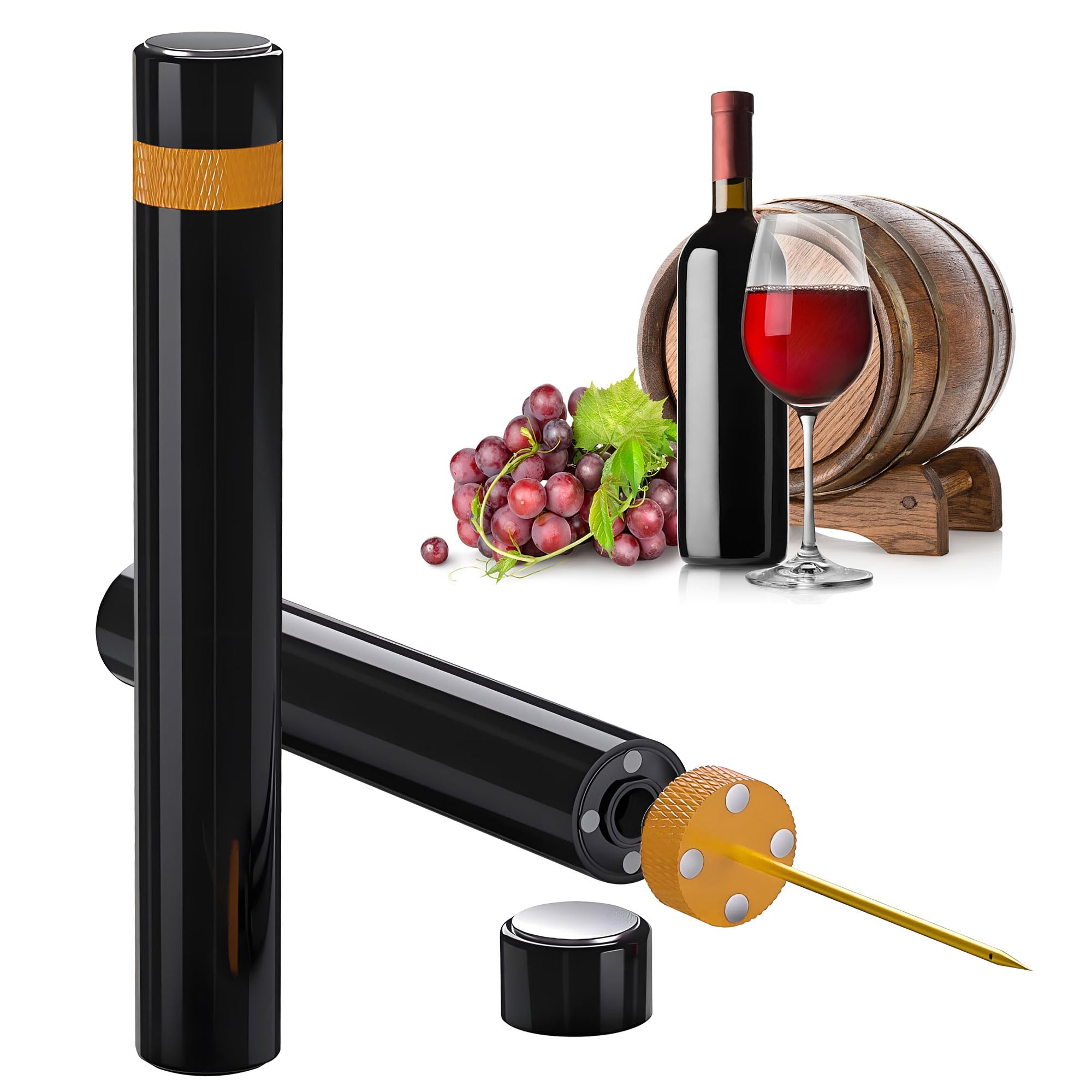


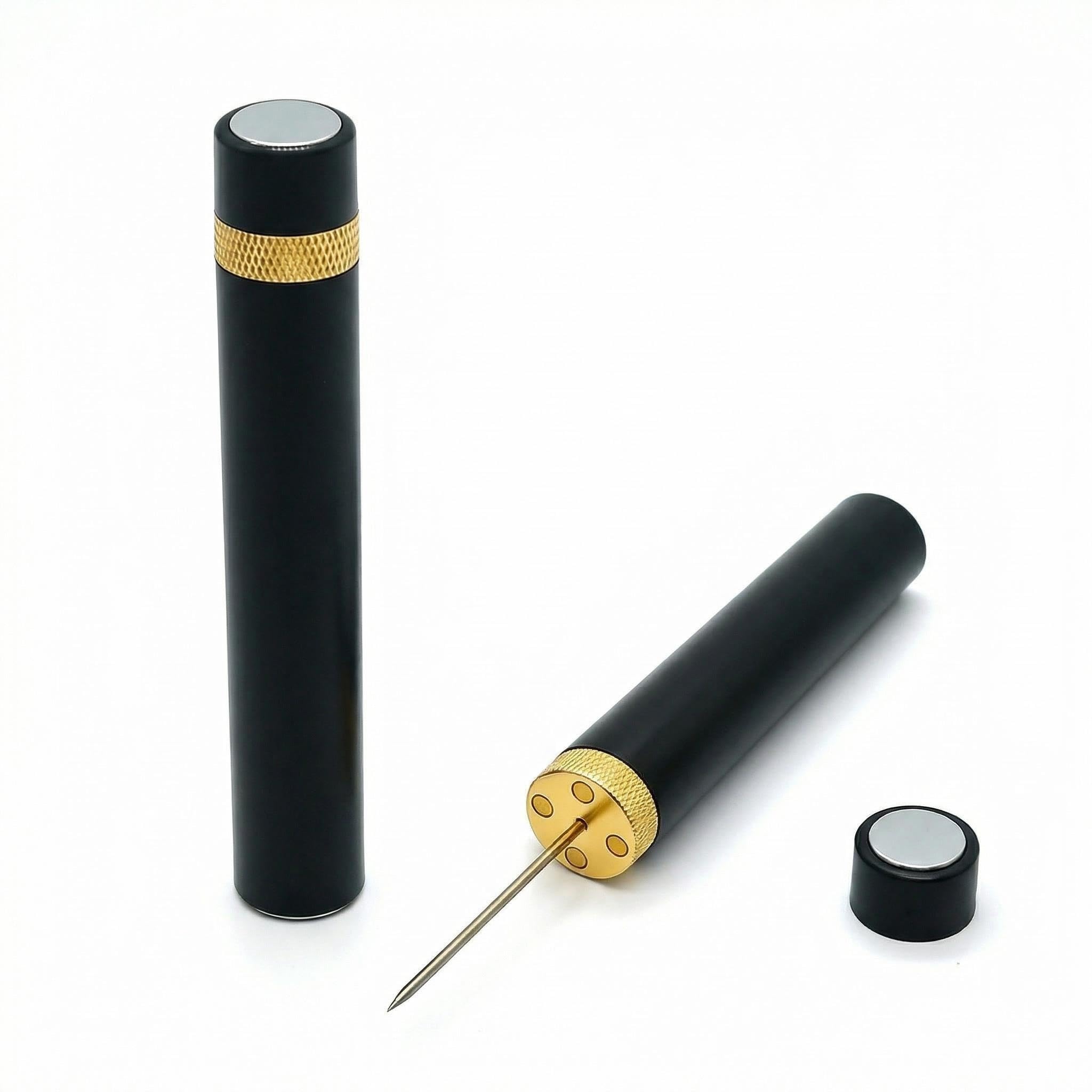
Quick Answer: Air Pressure Openers at a Glance
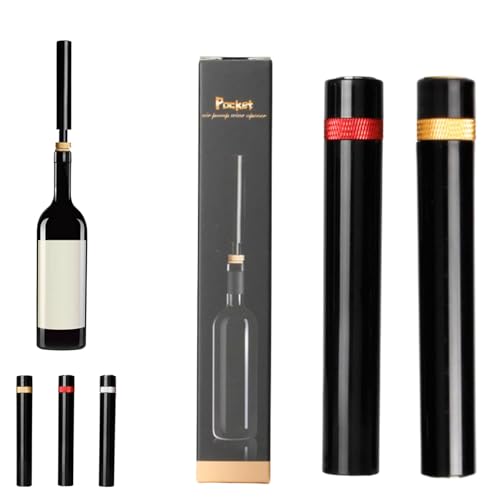
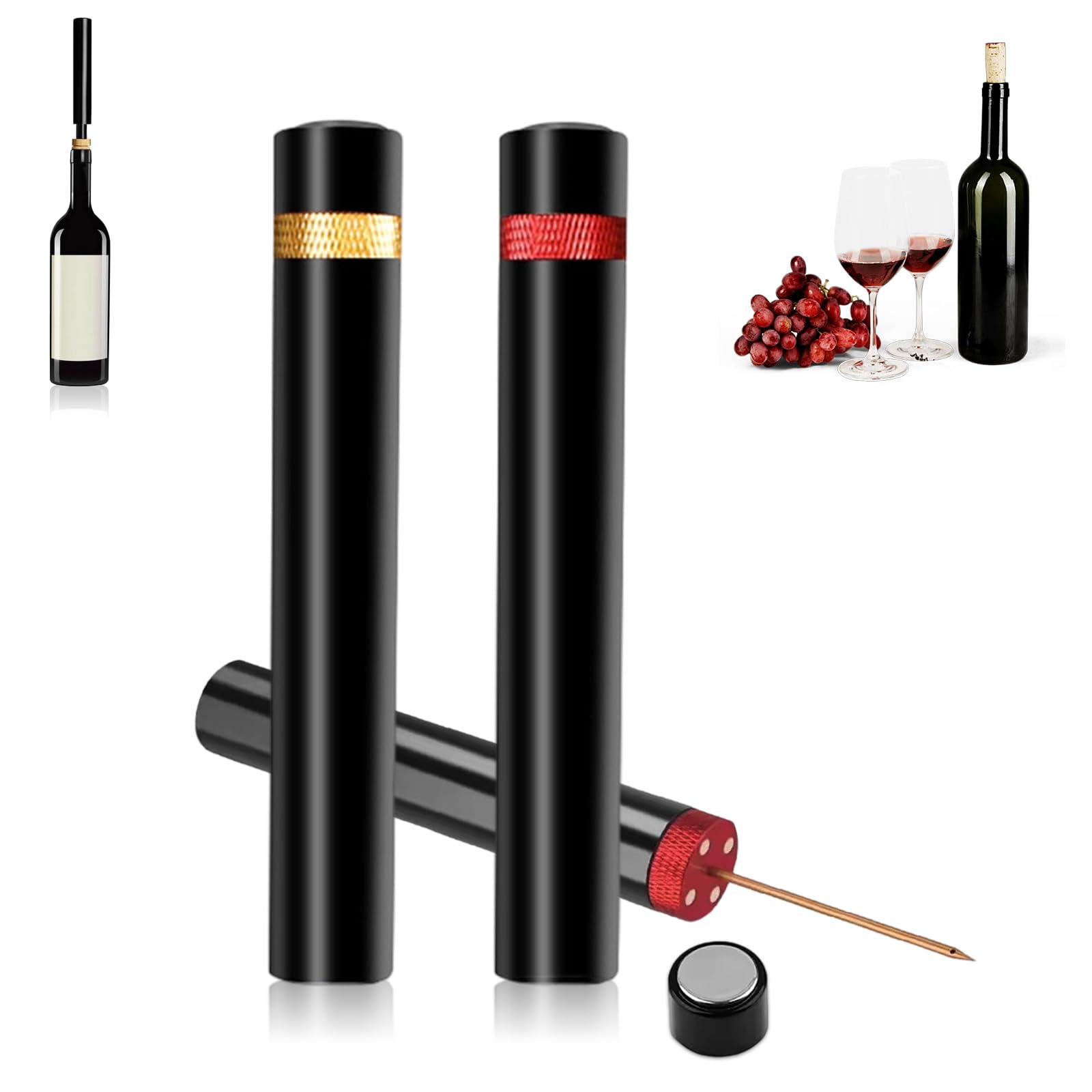
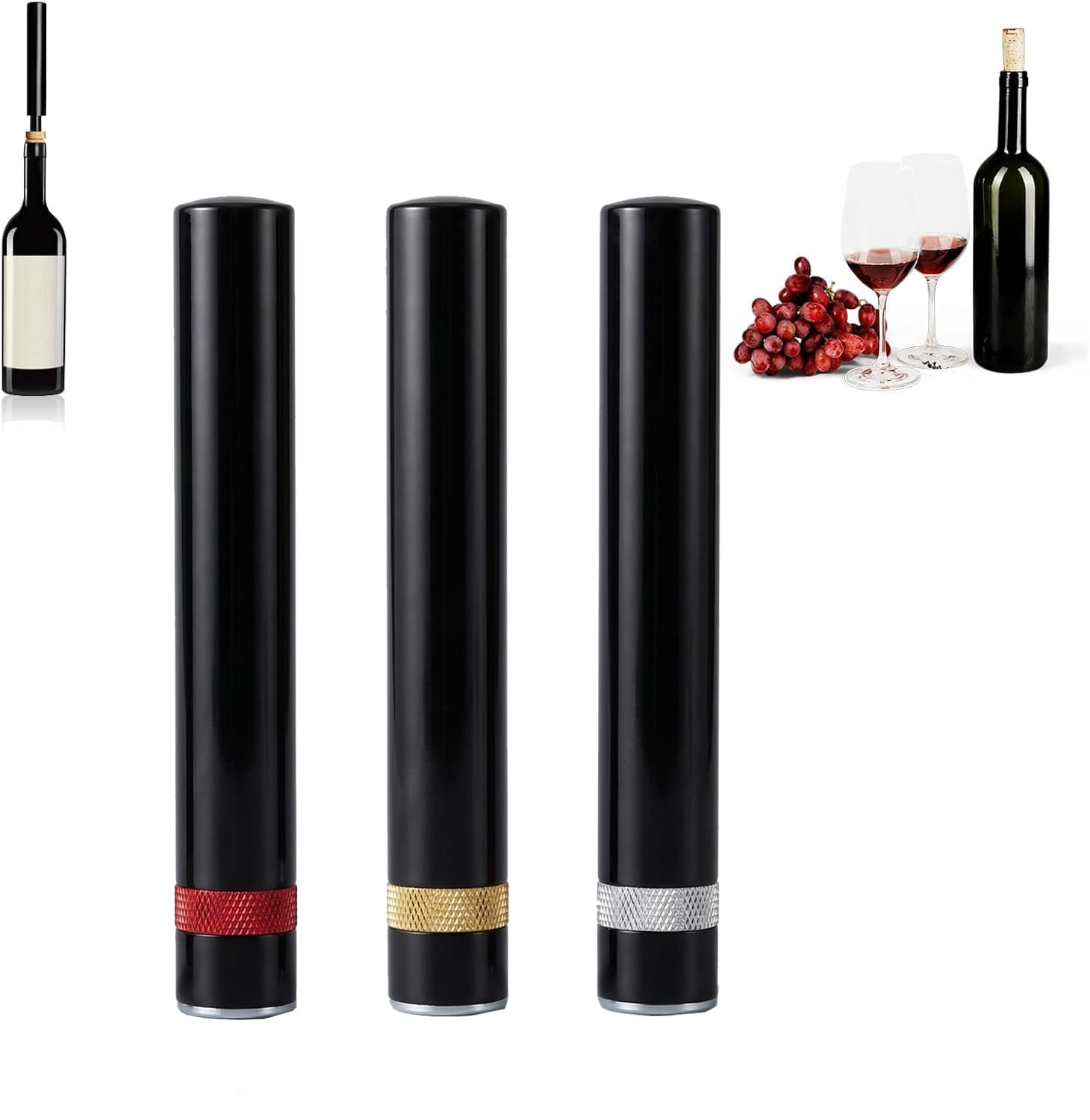
The best air pressure wine opener for most homes is usually a manual pump model, because it needs no refills, stores in a shallow drawer, and works with a few steady strokes. Cartridge powered models ask for even less effort, but they add refill costs and larger storage needs. Both types suit still wine with natural cork, and both call for a centered needle and a sound bottle. For a wider view of opener styles, see our guide to the best wine opener before you decide.
- Manual pump: lowest running cost, compact shape, a little more hand effort.
- Cartridge powered: least pumping, ongoing refill cost, more storage height.
- Gift ready sets: opener plus cutter and stopper in one box, useful only if you need the extras.
Before You Buy: A Quick Checklist for Choosing a Wine Opener
Small details decide whether yours feels easy or fussy, so work through the five points below before you order.
Which Type Fits Your Routine
Start with how often you open wine and who does the opening. A manual pump suits one or two bottles a week and asks you to hold the bottle steady while you pump, which most adults find easy after a little practice. A cartridge model suits hosts who open several bottles at a gathering. If you prefer a motor to do everything, compare the best automatic wine opener options, since an electric worm removes the cork without pumping or gas at all.
Features Worth Paying For and Features to Skip
Pay for a protective cap that covers the needle in storage, a grip that stays secure in a damp hand, and a needle long enough for the tall corks on premium bottles. Skip decorative stands you will never use, bundled aerators when you already own one, and large presentation boxes if drawer space is tight.
Materials and Food Contact Safety
Look for a needle made of stainless steel with a smooth coating, because the needle must slide through the cork without dragging or shedding flakes of coating into the bottle. Only the needle and cutter touch the cork or foil, so wipe those parts with extra care. Never aim the needle at your face or hand, and never use any pressure opener on a cracked or chipped bottle, because added pressure can widen the damage.
Hand Washing and Storage Basics
Most air pressure openers are hand wash only, since water inside the pump chamber or gas path can cause rust, weak pressure, or off smells. Wipe the needle after each use, let it dry, and slide the cap back on before the opener goes into a drawer. Measure your drawer height first, because some powered bodies are taller than a standard wine glass.
Realistic Budget Ranges
Basic manual pump models cost under $20, and they cover occasional use well if the needle and housing feel solid. Sturdier manual models and tidy gift sets sit at about $20 to $50, where you pay for better grips, thicker metal, and included cutters. Cartridge powered models run about $50 to $100, and that price still leaves refills to buy later. Spending more mainly buys lower effort, so match the tier to how often you open bottles.
Air Pressure Types Compared for Different Homes
With no single design suiting every kitchen, think in terms of household patterns, from solo cooks to couples who host monthly dinners.
Manual Pump Models for Most Homes
A manual pump is the default choice for apartments and family kitchens. You insert the needle, hold the neck guard in place, and pump until the cork rises with a soft pop. Nothing needs charging or refills, so it is ready after months in a drawer. The trade off is effort on stubborn corks, where extra strokes can tire a smaller hand. Choose this type if you open wine weekly or less and want the smallest storage footprint and the lowest cost over time.
Cartridge Powered Models for Low Grip Strength
Cartridge power helps when twisting and pulling are the hard part for you. Instead of repeated pumping, you press and hold a button or lever while gas pressure builds and lifts the cork. That low effort action suits readers with weak grip strength or stiff joints. Check refill availability before you buy, and store cartridges away from heat, because heat is hard on sealed gas.
Gift Ready Sets for Occasional Hosts
A boxed set pairs the opener with a foil cutter, a stopper, and sometimes a pourer, which makes it a tidy housewarming or holiday gift. For your own kitchen, the set earns its price only when you lack those extras. Pick a set with a compact box you can keep, because the box doubles as safe needle storage.
How to Evaluate an Air Pressure Opener Before You Order
Product pages list plenty of claims, so judge each model against the same short criteria. Check the stated needle length against the longest corks you buy, and confirm the body width fits the bottles you serve. Read buyer comments for patterns about bent needles or weak pumps, rather than single angry reviews. Confirm the box contents, return terms, and whether spare needles are sold.
Strengths and Limits of Air Pressure Versus Other Openers
The appeal is the gentle exit. Pressure lifts the cork in one piece in most cases, so you skip the crumbled cork bits that a worn worm can leave behind, and you use far less wrist twisting than a waiter style opener demands. The action also feels calm at the table, with no lever arms swinging near glasses.
The limits are just as clear. The needle must enter the center of the cork, and a rushed angle can bend it or push the cork down instead of lifting it. Practice on an inexpensive bottle first, and read our guide on how to use a wine opener if the steps are new to you. Readers who prefer a firm mechanical pull may favor the best lever wine opener styles, including the best rabbit wine opener designs, which grip the neck and draw the cork out with a single lever motion.
Common Mistakes to Avoid
- Buying a cartridge model without checking refills: an opener with no refills in stock becomes a drawer ornament after the first cartridge runs out.
- Pumping with the needle off center: the cork can split or slide into the bottle, and the bent needle may need replacement.
- Using pressure on a damaged bottle: added pressure can turn a small chip at the lip into a crack that ruins the bottle.
- Storing the opener with the cap off: an exposed needle can snag liners, dull on cutlery, or nick a reaching hand.
- Skipping the drawer measurement: a tall powered body that fits nowhere neat soon gets buried in a garage box and forgotten.
Cost of Ownership and Care
Ownership costs stay modest if you plan for them. Manual pump owners may buy a spare needle at about $5 to $15 after a bend or a dull tip, while cartridge owners should budget for refill packs a few times a year based on how often they host. Every swap is a simple home task that takes a minute.
Care is mostly about the needle and the pump path. Wipe the needle with a damp cloth after each bottle, dry it fully, and replace the cap so dust stays out of the guide tube. Inspect the housing for cracks around the neck guard, and stop using the opener if the guard feels loose, because a firm seal is what lets pressure build safely.
FAQ
Are air pressure wine openers worth it for a small household?
For a small household, worth depends on bottle count more than home size. If you open one bottle a month, a manual pump still earns its drawer space, because it removes the strain of a stubborn cork for a low one time cost. The value rises sharply once weekly cooking with wine becomes part of your routine.
Can an air pressure wine opener be used on sparkling wine bottles?
No, keep air pressure openers away from sparkling wine, prosecco, and champagne bottles. Those wines already hold strong pressure inside the bottle, and adding more pressure can force the cork out without control and spray wine across the room. Open sparkling bottles by hand with a towel over the cork, and turn the bottle slowly while you hold the cork still.
Does an air pressure wine opener work on synthetic corks?
Results vary with synthetic corks, because dense foam closures grip the needle tightly and can resist the air path that lifts natural cork. Some makers state plainly that their needle is meant for natural cork only, so check the listing before you count on it for synthetic closures. If your favorite wines use synthetic corks, a worm style opener gives you a firmer pull for those bottles.
What should you do if a cork crumbles while you pump an air pressure wine opener?
Stop pumping at once and ease the needle straight out, because more pressure can push loose pieces deeper into the wine. If part of the cork stays in the neck, a two prong opener can slide beside the fragment and lift it without pushing it in. Pour the first glass through a fine kitchen sieve to catch stray bits, which are harmless but unpleasant to sip.
Can you take an air pressure wine opener on a plane?
Pack it in checked luggage rather than your cabin bag, because the exposed needle counts as a sharp object that cabin rules often restrict. Cartridge powered models raise a second issue, since sealed gas cartridges face strict limits or bans in both cabin and checked bags on many airlines. Rules differ by airline and country, so read your carrier current guidance before a trip.
Final Thoughts
Match the type to your home and the choice gets easy. Manual pump models serve most kitchens, cartridge models cut hand effort, and boxed sets make sense when you truly need the extras. Whichever route you take, the best air pressure wine opener is the one whose needle length, refill plan, and size fit your bottles and drawers. Compare your shortlist against the product table above, and you will open the next bottle with calm, steady confidence.