
Best Can Openers for Elderly: A Plain Language Guide for 2026
Disclosure: We may earn a commission when you buy through links on this page, at no extra cost to you. As an Amazon Associate I earn from qualifying purchases. Learn more
Learn how to choose the best can openers for elderly users, with advice on grips, smooth edge cuts, and motors.
Opening a can should not be the hardest part of making dinner. If your grip is weaker than it used to be, or your hands ache after a few turns of a crank, the right opener changes the task from a struggle into a ten second job. The best can openers for elderly users are the ones that ask little of your hands and leave a safe, smooth edge.
This guide explains the types and terms in plain language, then walks through the specs that matter for comfort and safety. Use the comparison table below to compare styles once you know whether a manual, electric, or cordless design fits your kitchen.

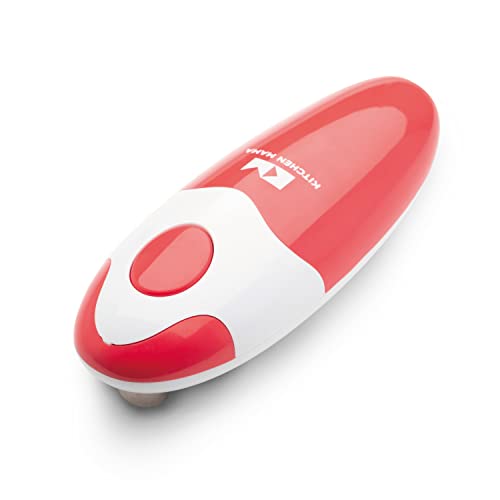

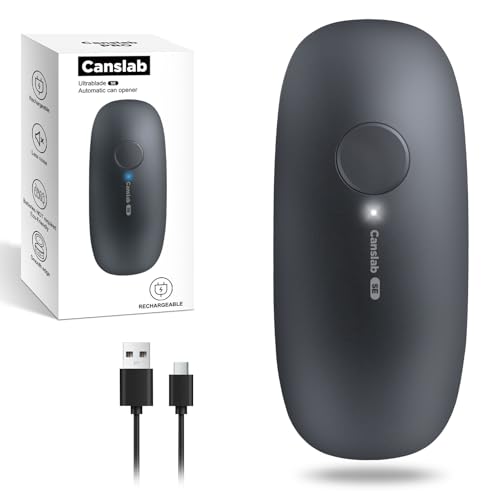


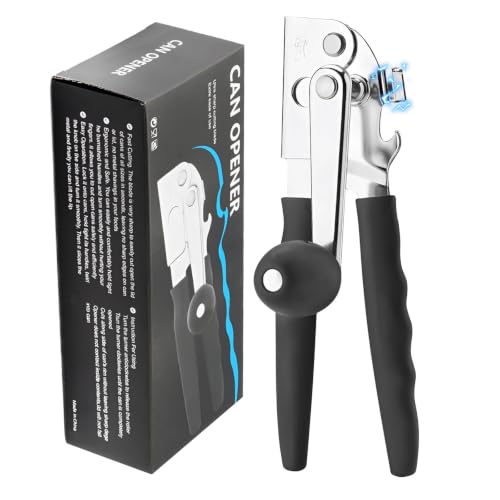
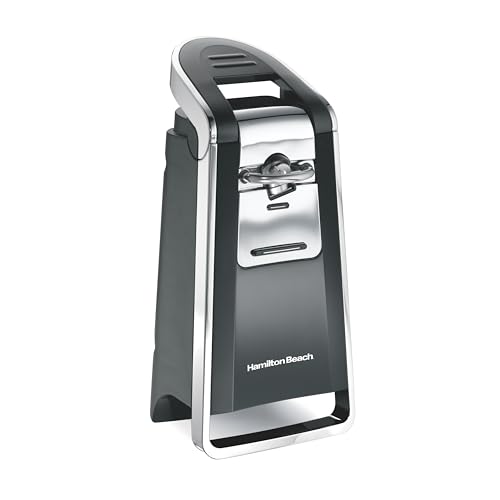
The Basics of the Best Can Openers for Elderly
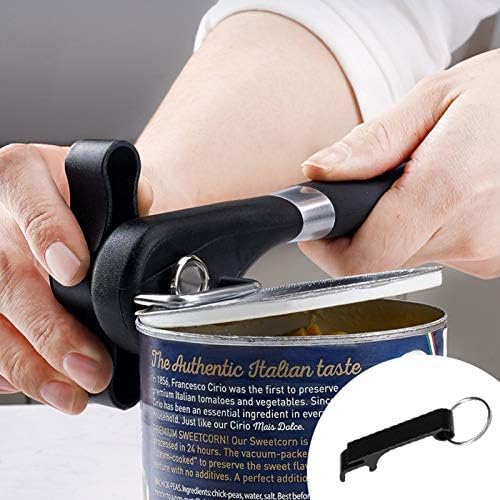
A can opener cuts the metal lid of a can so you can reach the food inside. Manual openers use a hand crank and your grip to drive a cutting wheel around the rim. Electric countertop models clamp the can and turn it with a motor while you guide it with one light touch. Cordless handheld electric models sit on top of the can and travel around the rim on their own, then stop when the cut is complete.
Two cutting styles matter. A traditional cut removes the lid from inside the rim and can leave a sharp edge on the can. A smooth edge cut works from the side, just below the rim, so the lid lifts off without a jagged edge and can even sit back on top for short storage. Key terms are simple: the cutting wheel does the cutting, the feed wheel grips the rim, and a lid magnet, when fitted, holds the cut lid so it does not fall into the food.
Key Specs Explained in Plain English
Listings for openers use fewer specs than most appliances, but the details that exist decide comfort more than price does. Read each spec below with your own hands in mind, especially grip strength, joint pain, and how steady your hands feel on a tired evening.
What Seniors Should Look For
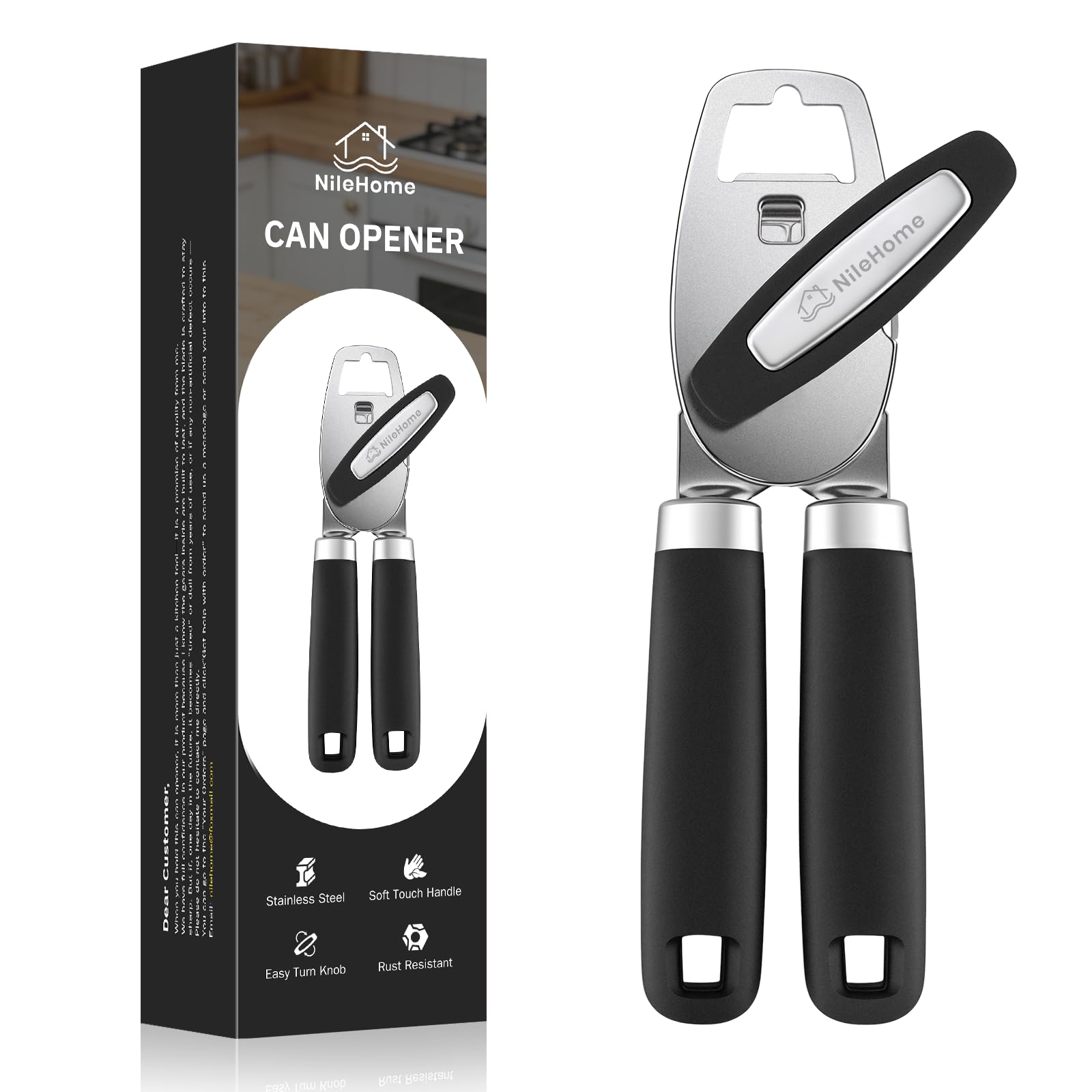
Comfort comes first. Look for large handles with a soft, nonslip grip that fill your palm, because a thick handle needs far less squeezing force than a thin metal one. Cranks should be oversized and turn smoothly without catching. Buttons on electric models should be big, easy to press, and placed where you can see them. Weight matters too: a very light manual opener can feel flimsy, while a heavy countertop unit is fine because the counter carries it. If hand pain, tremor, or arthritis limits you, talk with your clinician or an occupational therapist about which style suits your personal needs.
Capacity and Can Size
Capacity here simply means the range of cans an opener handles well. Most openers manage standard cans of soup and vegetables without trouble. Tall cans, wide restaurant size cans, and cans with thick rims test weaker designs, so check that an electric model has room under its head for tall cans and a motor strong enough for thick metal. If you mostly open one or two small cans, almost any style works. If you cook for family gatherings with large cans of tomatoes or beans, choose a sturdy countertop or a strong smooth edge manual model.
Materials and Non Toxic Coatings
The cutting wheel should be stainless steel, since it touches food and moisture daily and must resist rust. Handles benefit from soft grip coatings that stay grippy when wet, and those coatings should feel firmly bonded rather than loose or peeling. Parts that touch food should be easy to wash, and some electric models let you remove the cutting head for rinsing. Avoid any opener with flaking paint or coating near the cutting area, because flakes have no place near food. Simple, washable materials beat decorative finishes every time in this category.
Power and Cutting Performance
For electric models, power means motor torque: the strength to keep turning through a thick rim without stalling or chewing the metal. An auto shut off feature stops the motor when the cut finishes, which saves wear and keeps things calm. For manual models, performance comes from leverage, meaning a long crank and a well aligned wheel that cut with steady, modest force. Test descriptions for words like smooth and continuous cutting. Jagged results and metal slivers are signs of a weak or dull mechanism, whatever the power source.
Countertop Footprint and Storage
Countertop electric openers earn their space only if you open cans often. Measure the footprint and the height under your cabinets, because tall units may not fit beneath low cupboards when a tall can is loaded. Cord storage in the base keeps things tidy. Manual and cordless models live in a drawer and suit small kitchens, but a drawer stored tool only helps if you can lift and grip it comfortably. Some people keep a manual opener as a backup for power outages, which is a sensible and cheap precaution.
Rookie Mistakes to Avoid
- Keeping a dull old opener. A worn wheel forces you to squeeze and twist harder, which is exactly what aging hands do not need.
- Choosing thin metal handles. Slim handles concentrate pressure on small areas of your palm and fingers and quickly become painful.
- Ignoring the lid edge. Traditional cuts can leave sharp edges, so handle lids by their center and never press a lid down into a can with your fingers.
- Buying electric without checking can height. Tall cans may not fit under a compact countertop head.
- Skipping the return policy. Comfort is personal, so buy where you can return an opener that your hands dislike. For a deeper look at powered options, see our guide to the best electric can openers for elderly cooks.
Getting Started: Setup and First Use
Start by reading the manual, especially the diagram that shows where the wheel meets the rim, because most frustration comes from seating the opener at the wrong angle. Wash any food contact parts before first use and dry them well. Then practice on an inexpensive can of beans or broth, when nobody is waiting for dinner and you can take your time.
For a manual opener, clamp the wheel onto the rim, keep the handles firmly closed with one hand, and turn the crank with slow, steady pressure rather than fast bursts. For an electric model, seat the can, lower the lever or press the button, and let the motor do the work while you rest a light hand on top. Lift the lid away with the magnet or a utensil, and check the edge with your eyes, not your fingertips, before handling it.
Can Openers: Your Questions Answered
What makes can openers for seniors different?
They are designed to demand less from your hands. Expect thicker cushioned handles, larger cranks or buttons, stronger leverage or a motor, and often a smooth edge cut that removes the sharp lid hazard. Many also add a lid magnet so you never fish a lid out of the food. Standard openers assume a strong grip and steady pressure, which is why a basic model that was fine at forty can feel miserable at seventy.
What size can opener do I need?
You need one rated for the largest cans you open regularly. For everyday soups and vegetables, any quality manual or electric model is large enough. If you open tall cans of broth or big cans for family meals, choose a countertop electric with clearance for tall cans or a heavy duty manual design. Check the stated can height range before buying, and remember that a cordless top mounted style handles most sizes because nothing sits above the can.
Is a can opener worth buying?
Yes, if opening cans causes pain, takes several attempts, or feels unsafe, a better opener is one of the cheapest kitchen upgrades you can make. Even a modest manual model with good handles costs little and lasts for years, while an electric model removes the effort almost entirely. Compare simple lever designs in our guide to the best hand can openers if you prefer to stay manual. The real cost is keeping a bad one and dreading every can.
Does a can opener use a lot of electricity?
No, electric openers use very little electricity. The motor runs for only a few seconds per can, so the energy cost over a year is tiny, far less than leaving a small appliance light on. Cordless models sip power from their batteries or charge and typically open many cans before needing attention. Electricity cost should never drive this decision. Comfort, safety, and whether the opener fits your cans matter far more.
Are can openers safe to leave unattended?
Electric openers should be used while you are present, even those with auto shut off. Stay nearby so you can steady a tall can and stop the motor if a can tips or a cut goes wrong. The bigger daily risk is the lid itself: treat every cut lid as sharp, set it straight into the trash, and keep it away from fingers and grandchildren. Manual purists can compare classic designs in our guide to the best manual can openers.
Final Thoughts
Put comfort first, safety second, and everything else after that. Choose thick handles or a motor that removes effort, favor a smooth edge cut if sharp lids worry you, and confirm the opener fits your tallest cans. Compare your shortlist in the product table above, and you will find the best can openers for elderly cooks who want dinner to be easy again. For clutter free counters, our guide to the best cordless can openers covers battery powered options, and our guide to the best kitchen can openers surveys every style. If hand pain is new or getting worse, mention it to your clinician, since the right tool and the right advice work best together.