Best Can Openers for Arthritic Hands: A Buying Guide for 2026
Disclosure: We may earn a commission when you buy through links on this page, at no extra cost to you. As an Amazon Associate I earn from qualifying purchases. Learn more

Choose the best can openers for arthritic hands by grip, power, safety, and cleaning, with advice for stiff or sore joints.
Arthritic hands make small kitchen jobs harder, and a can opener asks for three things at once: a firm pinch to start, a squeeze to hold the cutter, and a turning motion that can last half a minute. The best can openers for arthritic hands remove or soften the movement that hurts you most. This guide breaks the choice down by joint and motion, then covers cutting style, safety, cleaning, and care. The comparison table below shows the main types side by side.
No opener suits every hand. A tool that feels easy for someone with stiff fingers may still hurt a person whose wrist or thumb is the problem, so start by naming the movement that gives you the most trouble on a bad day.



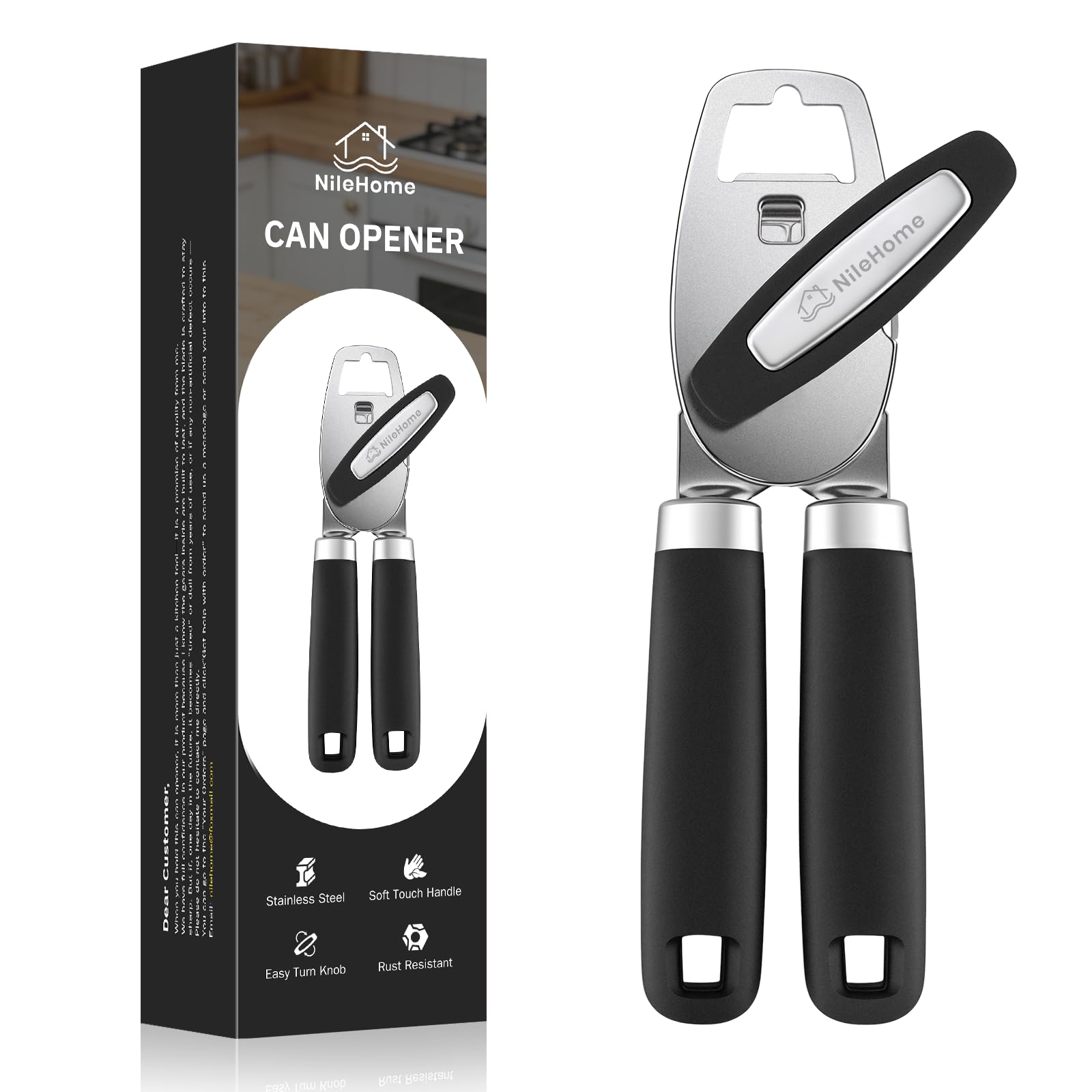

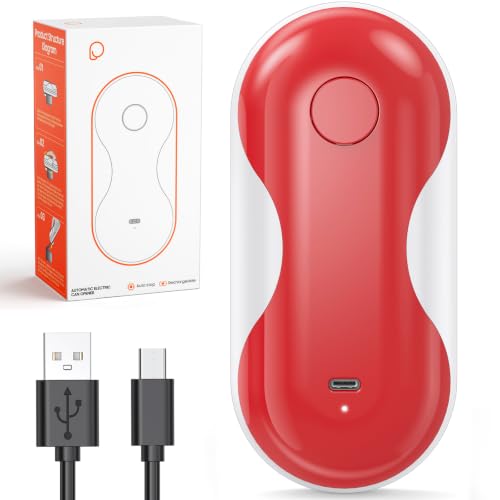
Best Can Openers for Arthritic Hands by Trouble Spot
When Squeezing Hurts
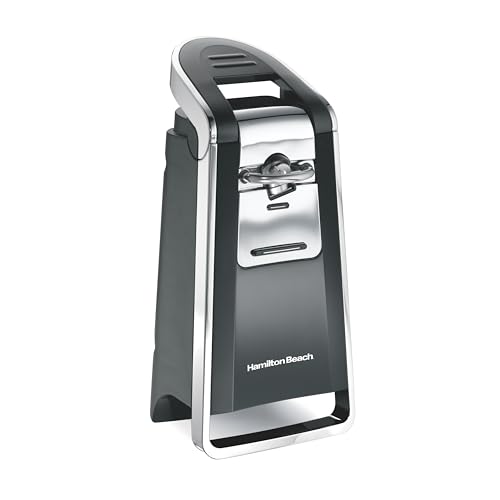
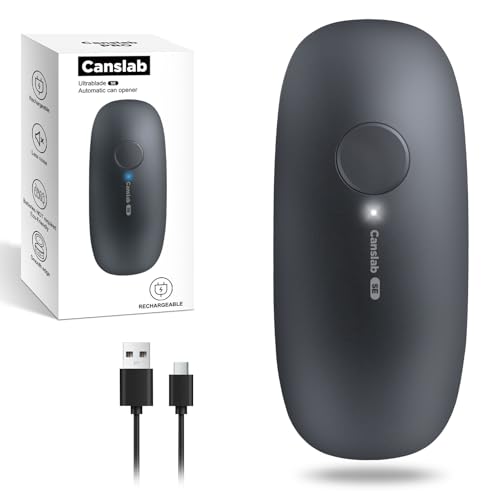
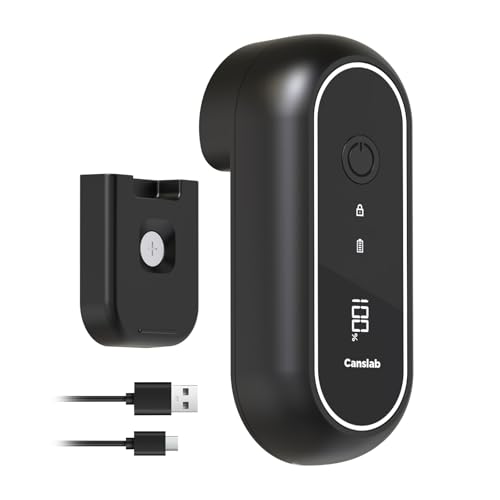
If gripping the handles is the hard part, an electric or cordless automatic opener removes the squeeze almost entirely. You set the opener on the rim or lock the can in place and press one control, and the motor does the rest. A lid magnet then lifts the lid without your fingers near the sharp edge.
When Twisting Hurts
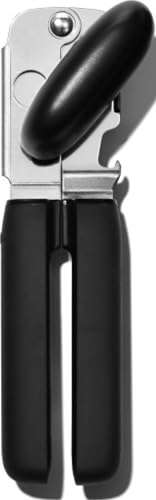
If turning a small knob is the problem, look for a large, ridged knob or a crank handle you can turn with the heel of your hand. A manual opener with oversized handles and a wide knob spreads the effort across your palm instead of your fingertips. Powered models avoid the turn altogether.
When Holding the Can Steady Hurts
Some openers need your other hand to keep the can from spinning. A countertop electric model grips the can by itself, and a nonslip mat under a manual opener keeps the can in place. Stability matters as much as cutting power on bad days.
Types Compared
| Type | Best For | Strength | Trade Off |
|---|---|---|---|
| Countertop electric | Daily can opening | Removes squeezing and turning | Needs counter space and an outlet |
| Cordless automatic | Small kitchens and drawer storage | One press operation, no cord | Batteries or charging needed |
| Manual with large handles | Mild stiffness and low cost | No power needed, simple to store | Still needs a squeeze and a turn |
| Smooth edge manual | Anyone worried about sharp lids | Leaves a dull lid edge | Side cutting takes practice |
Cutting Style and Lid Safety
Top cutting openers slice inside the rim and can leave a sharp lid edge, which is risky when stiff fingers fumble the lid. Side cutting, or smooth edge, openers cut below the rim so the lid and the can edge stay dull. A magnet that holds the lid up as it comes free removes the awkward pinch and pull altogether.
If you take medicine that affects bleeding or your skin tears easily, treat lid safety as a main feature rather than an extra. Drop lids straight into the bin, and never press a lid back into a can with your fingers.
Features That Reduce Strain
- Wide, soft handles: they spread pressure across the palm instead of pinching one joint.
- Large start button or lever: pressing with the palm is easier than a small button.
- Auto stop: the opener ends the cut by itself, so you do not have to judge when it is done.
- Stable base: a wide, grippy base keeps the opener still while it runs.
- Detachable cutting head: rinsing a small part is easier than scrubbing a fixed one.
For related styles, you can compare our guides to the best hand can openers and the best hand operated can openers. If you prefer a held design, see the best hand held can openers, and for classic designs read our guide to the best manual can openers. Battery models are covered in our guide to the best cordless can openers.
Setup, Use, and Care
Place the opener where you can reach it without lifting it from a low shelf, and keep a nonslip mat or damp cloth under cans. Open cans at the start of cooking, when your hands are least tired, instead of at the end of a long prep session.
Wash the cutting head soon after use, because dried tomato and bean liquid harden around the gears. Unplug electric models before cleaning, wipe the housing only, and dry metal parts fully. Replace any opener that needs two passes to cut, since a dull wheel makes every type demand more force from your hands.
If your hand pain or strength is changing, or you drop cans often, talk with your doctor or an occupational therapist about your personal needs rather than relying on a kitchen tool alone.
Kitchen Habits That Save Your Hands
Small changes around the opener can matter as much as the opener itself. Keep the cans you use most on a low, reachable shelf so you are not lifting them over your head, and open several at once on a good day if you are batch cooking, rather than facing a stack when your hands are tired.
Warm hands work better, so run them under warm water for a moment before you start on a cold morning. Rest the can on the counter instead of holding it in the air, and let the opener do the work rather than forcing the cut. If a can is dented or the rim is bent, set it aside for someone else or use a powered model, since a bad rim makes every opener harder to use.
Common Mistakes to Avoid
- Choosing the smallest handle to save drawer space, which concentrates force on fewer joints.
- Judging comfort in a shop with warm, rested hands instead of stiff morning hands.
- Skipping the lid magnet and then fishing out a sharp lid with sore fingers.
- Buying a powered model without checking the tallest can in your pantry.
- Skipping the return policy, even though grip comfort is hard to judge from photos.
Frequently Asked Questions
Which type is easiest on arthritic hands?
Electric and cordless automatic types ask the least, since they remove both the squeeze and the turn. A manual opener with oversized handles and a wide knob can work when stiffness is mild.
Is a smooth edge opener better for arthritis?
It helps with safety, since the lid edge stays dull, but it still needs hand effort. Pair a smooth edge cut with large handles, or choose a powered smooth edge model if your grip is weak.
Can I use a can opener if my thumb joint is the problem?
Often yes, if you choose a one press powered model or a manual one with a wide crank you can turn with your palm. Avoid small knobs and thin handles that load the thumb.
How do I keep an opener clean without hurting my hands?
Rinse the cutting head right after use and use a long handled brush so you do not have to scrub hard. A detachable head is easier to wash than a fixed one.
When should I replace a can opener?
Replace it when it skips, tears the lid, or needs a second pass around the rim. A worn wheel forces more squeeze and twist than your hands should have to give.
Final Thoughts
Name the movement that hurts, then choose the type that removes it: powered for squeezing and turning, large handles for mild stiffness, and a smooth edge cut for lid safety. Keep a nonslip mat and a magnet in mind as small upgrades.
Use the product table above to compare finalists against your own hands, and try your choice on the cans you actually buy. With that match in place, the best can openers for arthritic hands become a small daily help instead of a daily struggle.