Best Affordable Studio Monitor Speakers: Budget, Midrange, and Premium Guidance for 2026
Disclosure: We may earn a commission when you buy through links on this page, at no extra cost to you. As an Amazon Associate I earn from qualifying purchases. Learn more

Compare best affordable studio monitor speakers by budget, driver size, room fit, and connections, so you buy honest sound without overspending today.
Prices for studio speakers stretch from desk friendly pairs under $200 to serious nearfield setups that cost several times more, and the gap is not always obvious from photos. The best affordable studio monitor speakers are the ones that reveal balance problems in your mix without adding their own hype. This guide shows where money helps, where it does not, and how room size should drive your choice.
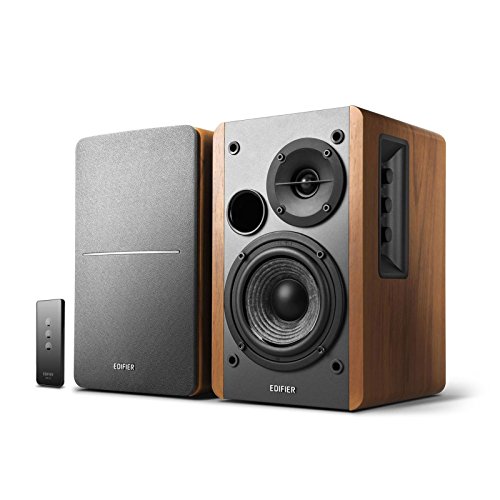
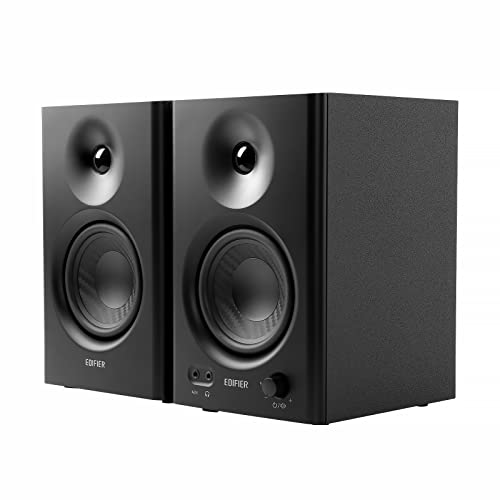
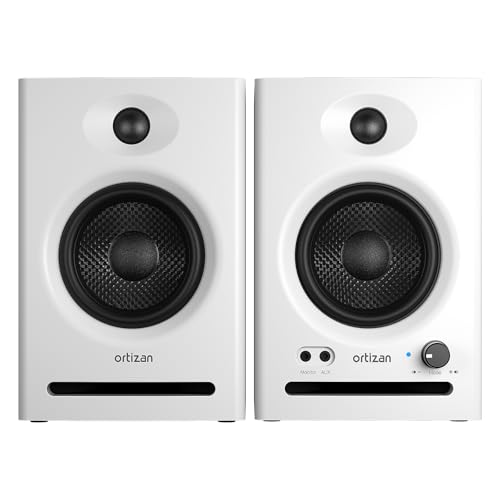
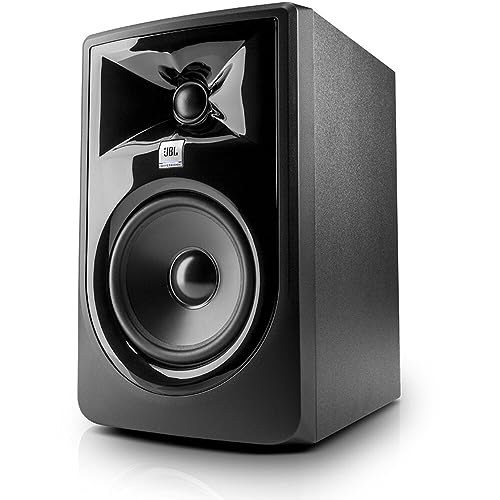
Start with the comparison table below for driver size, power, and connection types. Then use the tier and feature sections to match a pair to your room, your desk depth, and the music or video work you do most.




Budget Tier Guidance Instead of Single Winners
No single pair wins for every room, because a speaker that fills a treated studio can overwhelm a small bedroom desk. Use these three profiles as filters. Each one states who it suits, what strengths to demand, and what limit to accept at that price.
Best Budget Profile
This profile suits a first home setup for podcast editing, video work, and learning to mix. Around $150 to $250 for a pair, demand a flat response aim, front bass ports if the speakers will sit near a wall, and simple volume control you can reach. Accept smaller drivers around 3.5 to 5 inches and less deep bass. The smart move is to learn placement and room basics before you pay for larger drivers.
Best Midrange Profile
This profile suits regular music production and serious content creation where mix decisions must travel well to other systems. Around $300 to $600 for a pair, look for 5 to 6.5 inch woofers, balanced inputs, and room controls for bass and treble trim. You gain clearer mids, more headroom, and less distortion at normal working levels. The limit is still deep bass, so most buyers will judge low end on headphones as a second check.
Best Premium Affordable Profile
This profile suits experienced users with a treated or larger room who need detail they can trust for paid work. Around $700 to $1000 for a pair, expect stronger amplifiers, better cabinets with less resonance, and more precise imaging. Pay this much only if your room and placement will let you hear the gain. In an untreated small room, premium speakers can expose room problems more than they fix mix problems.
What Your Money Gets You at Each Price Tier
Tiers differ less in loudness than in accuracy, control, and build quality. Read each tier as a promise about what you can trust. If a listing promises deep bass, huge power, and perfect accuracy at the lowest price, treat that claim with care.
Budget Tier: What to Expect
Budget pairs usually use compact cabinets, class D amplifiers, and unbalanced or mixed inputs alongside balanced options on some models. Sound can be honest in the mids, which matters most for voice and melody, while the lowest bass is rolled off. Controls are basic, often just volume and a bass boost switch you should usually leave off for mixing. These pairs work best at close distance on a desk in a small room.
Midrange Tier: The Sweet Spot for Most Buyers
Midrange pairs add larger woofers, sturdier cabinets, balanced XLR or TRS inputs, and useful room adjustment switches. That combination gives you steadier imaging, so panning and reverb choices are easier to judge. Distortion stays lower when you turn up for short checks. For most home producers, this tier offers the best balance of price, accuracy, and years of use before an upgrade feels necessary.
If you are comparing speaker only listings without the monitor wording, our guide to the best affordable studio speakers covers similar tier logic for compact rooms.
Premium Tier: When Spending More Pays Off
Premium affordable pairs pay off when you mix daily, work with clients, or edit dialogue where small flaws matter. You gain finer detail in reverb tails, clearer separation between layered parts, and cabinets that stay quiet at higher levels. Some models add digital room correction or coaxial drivers for a focused sweet spot. The gain is real but narrow, so placement, stands, and basic room treatment should come before this upgrade.
Features Worth Paying For (and Ones to Skip)
Spend first on driver quality, cabinet build, balanced connections, and placement tools. Skip decorative lights, exaggerated bass modes, and wireless features you will not use for critical listening. Each feature below explains when it earns its cost.
What You Can Realistically Get on a Budget
Around $200, you can get honest midrange, clear voice reproduction, and enough volume for nearfield listening at about 3 to 4 feet. You cannot get full range bass down to the lowest notes of electronic music from a small cabinet, no matter what the box claims. Do not cut cost by buying a single speaker for stereo mixing. Stereo imaging needs a matched pair, placed as a pair from day one.
Driver Size and Low End Reach
Woofer size shapes how much low end you can judge without a subwoofer. A 3.5 to 5 inch woofer suits small desks and voice work, while 6.5 to 8 inch woofers suit larger rooms and bass heavy music. Bigger is not always better in a tiny room, where extra bass can boom and mask detail. Match driver size to room size and listening distance first, then worry about brand level claims.
Cabinet Design and Port Placement
A stiff cabinet reduces unwanted vibration that colors the sound, and you can often feel the difference by knocking lightly on the side panel in store. Front ported designs are more forgiving near walls, while rear ported designs need space behind them to breathe. If your desk sits against a wall, front ports or sealed designs deserve priority. Keep speakers on isolation pads or stands so desk vibration does not add buzz.
Connections and Controls
Balanced XLR or TRS inputs help reject noise from computers and interfaces, especially with longer cable runs. RCA inputs are fine for short desk runs from a simple interface or controller. Front volume control is handy for a single user desk, while rear controls suit a fixed studio setup. Bluetooth can help for casual listening checks, but use a wired path for mixing work.
Buyers who specifically want wireless convenience for reference checks can see our guide to the best bluetooth studio monitor speakers for the trade offs involved.
Room Controls and Accuracy Tools
Simple bass and treble trim switches help when speakers must sit near walls, corners, or on a reflective desk. They cannot fix a bad room, but they can reduce boom or dullness enough to work more reliably. Some higher tier pairs offer deeper correction via software and a measurement microphone. Learn manual placement first, with tweeters near ear height and an equal sided triangle between you and the pair.
For a wider comparison across price levels, our guide to the best studio monitor speakers explains how accuracy goals change as budgets rise.
Long Term Costs to Factor In
Budget for stands or isolation pads, balanced cables, and possibly an audio interface if your computer output is noisy. Those items often cost about $50 to $200 in total and affect sound more than a small step up in speaker price. Power use is modest for nearfield pairs, but leave ventilation space around amplifiers. Warranty length matters because amplifier faults are the most common repair, so keep proof of purchase and register the product if asked.
Also plan for room basics over time. Even simple soft furnishings, a rug, and sensible speaker placement improve accuracy without electronics, and they carry over to any future pair you buy.
Shoppers using slightly different search terms will find parallel advice in our guide to the best affordable monitor speakers, which focuses on desk fit and input choices.
Studio Monitor Speakers: Your Questions Answered
What size studio monitor speakers should I get for my room or desk?
Choose 3.5 to 5 inch woofers for a small desk or bedroom, and 6.5 to 8 inch woofers for a larger or treated room. Size should follow listening distance, with nearfield pairs working best about 3 to 5 feet from your ears. A large speaker crammed into a corner will sound less accurate than a smaller pair placed well. Measure your desk depth before you buy.
Do studio monitor speakers need a subwoofer?
Most beginners do not need a subwoofer on day one. Learn your pair first, check mixes on headphones and in a car, and note if low end choices keep missing. A subwoofer helps for electronic music and film work, but a poorly placed sub makes balance worse. If you add one later, set its level lower than you first think and cross it over carefully.
How should I place studio monitor speakers on a desk?
Place the pair and your head in an equal sided triangle, with tweeters at ear height when you sit in your working posture. Keep the speakers upright, angled toward your ears, and away from walls as much as your room allows. Use stands or pads to lift them off the desk surface. Small moves of a few inches can change bass and imaging more than a new cable.
How long do studio monitor speakers last?
A good pair can last about 7 to 10 years or more with normal home studio use. Amplifiers and controls usually age faster than drivers, especially if heat builds up in a closed cabinet space. Keep vents clear, avoid constant maximum volume, and power down during long breaks. If one side develops crackle or hum, test cables and inputs before assuming the speaker has failed.
Can I use studio monitor speakers for everyday listening?
Yes, you can use them for everyday listening, and many people enjoy their clear, honest sound for music and video. They will reveal flaws in poor recordings more than casual speakers do, which some listeners find tiring at first. For parties or filling a large room, a different speaker type will play louder with less strain. For a desk, a studio pair is a strong all round choice.
Readers comparing complete setup costs may also find our guide to the best affordable studio monitors useful for interface and stand budgeting.
The Bottom Line
Let room size choose driver size, let balanced connections and solid cabinets guide your tier, and spend on placement before you spend on premium labels. Compare finalists in the product table above at your real listening distance in mind. With that approach, the best affordable studio monitor speakers give you mixes that translate and daily listening you can trust.