Best Affordable Stereo Speakers 2026: A Buying Guide
Disclosure: We may earn a commission when you buy through links on this page, at no extra cost to you. As an Amazon Associate I earn from qualifying purchases. Learn more
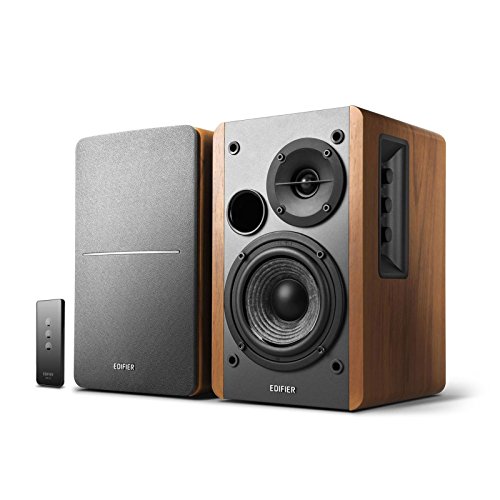
Compare affordable stereo speakers for music and home listening, with guidance on room size, placement, bass, and amplifier pairing for rooms.
Stereo speakers remain the most satisfying way to listen to music at home, because a well placed pair creates a soundstage that single speakers cannot match. This guide to best affordable stereo speakers explains how to choose for your room, your amplifier, and your listening habits. The comparison table below outlines bookshelf and floorstanding options.
At affordable prices, balance matters more than bass quantity or treble sparkle. A speaker that presents voices naturally and keeps instruments separated will stay enjoyable for years, while a speaker tuned for initial excitement can tire listeners quickly. Test with familiar music at normal volumes.


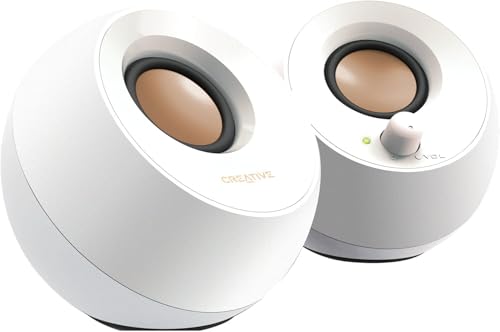

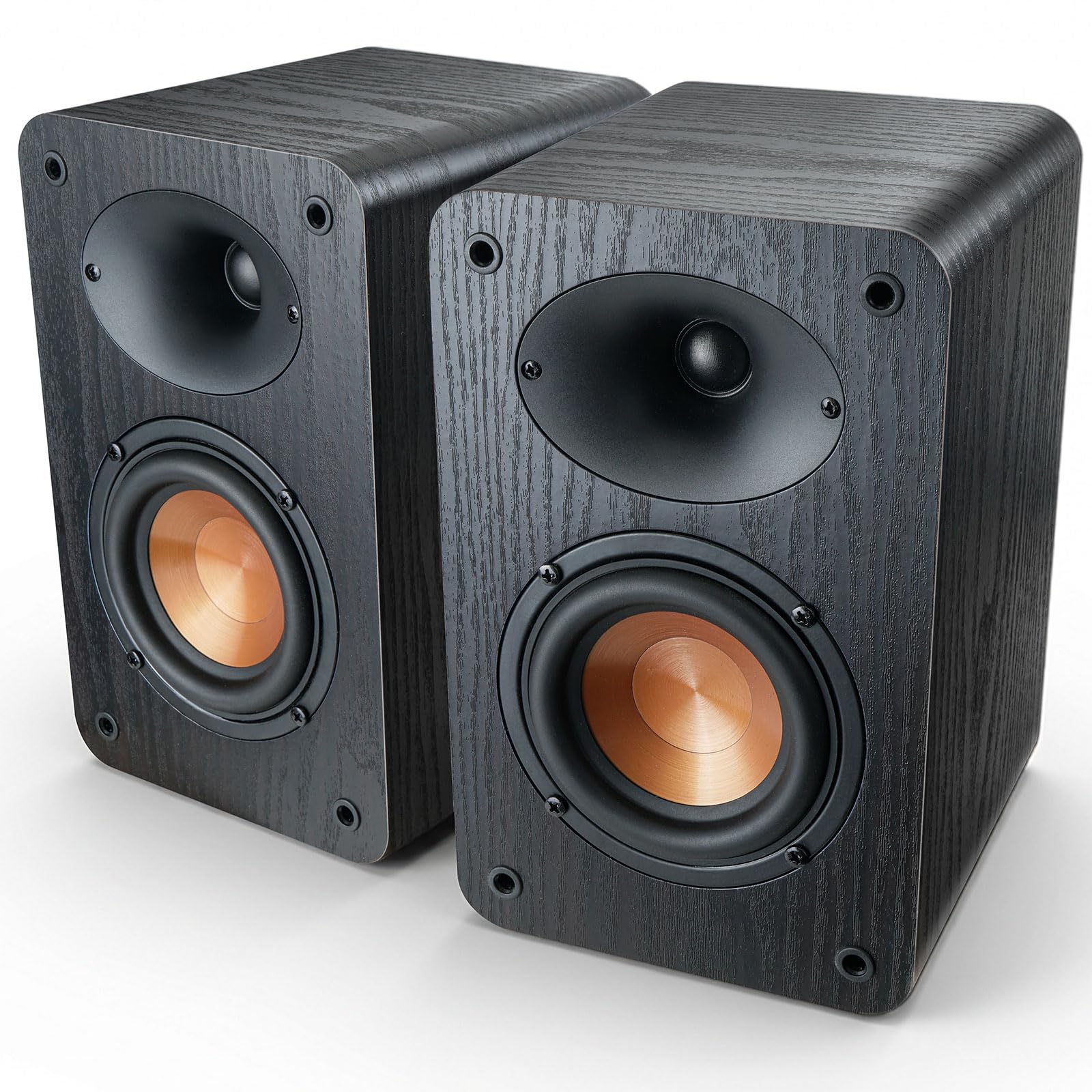
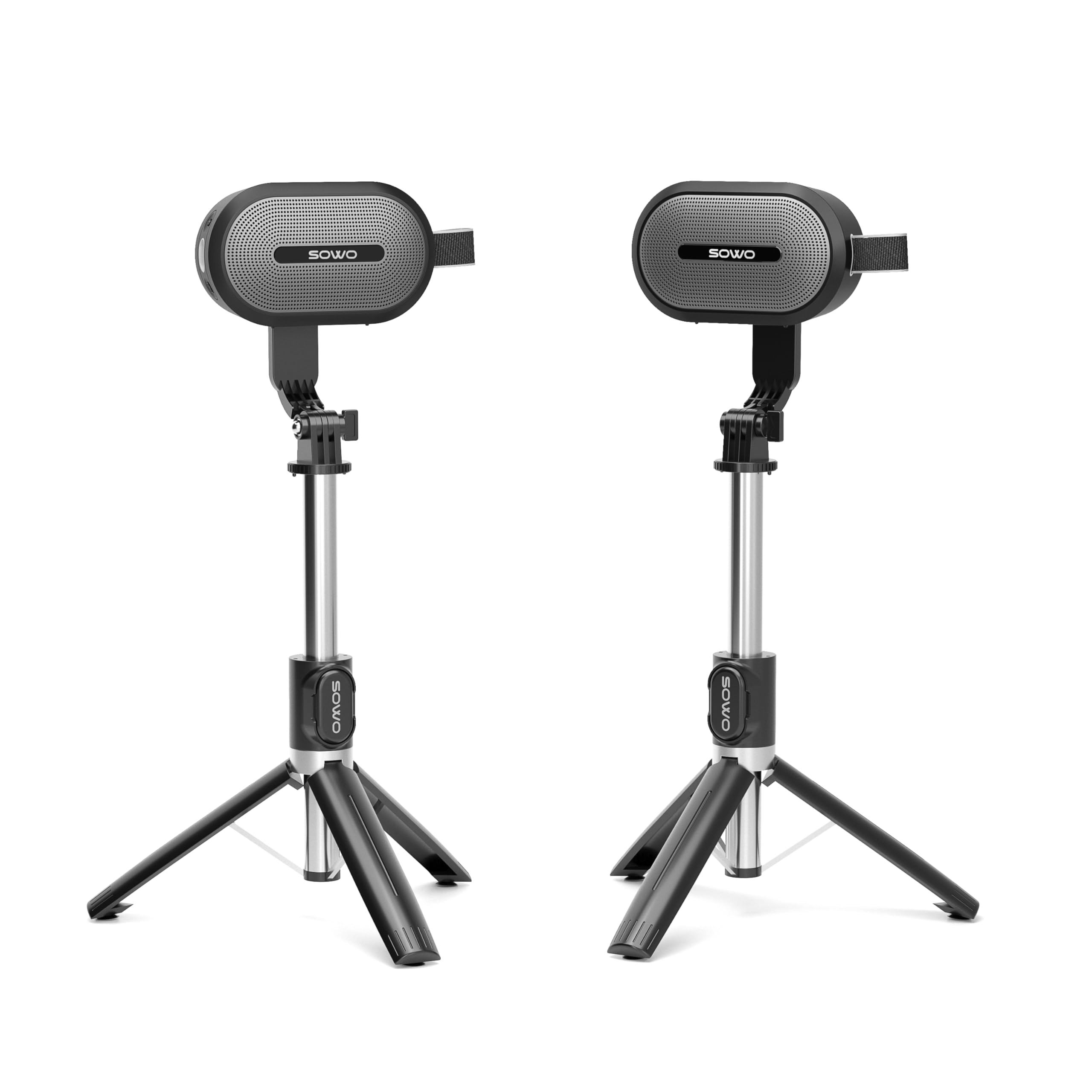

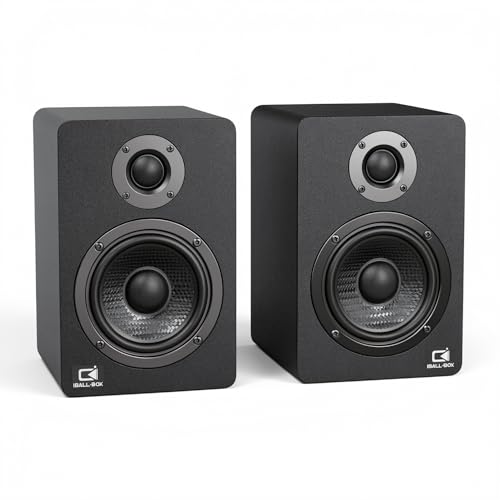
Who Should Buy Affordable Stereo Speakers
Music lovers who listen in a living room, study, or bedroom will benefit most, especially if they already own an amplifier or receiver. Stereo speakers suit focused listening, background music, and home cinema front channels. If you mainly listen on the move or in multiple rooms, portable or multiroom speakers may suit better.
New buyers should start simple: a stereo pair, a suitable amplifier, and a source you already use. Add a subwoofer or room treatment later only if a clear gap remains after placement experiments. A simple system that sounds balanced beats a complex system that is never set up properly.
Bookshelf Versus Floorstanding
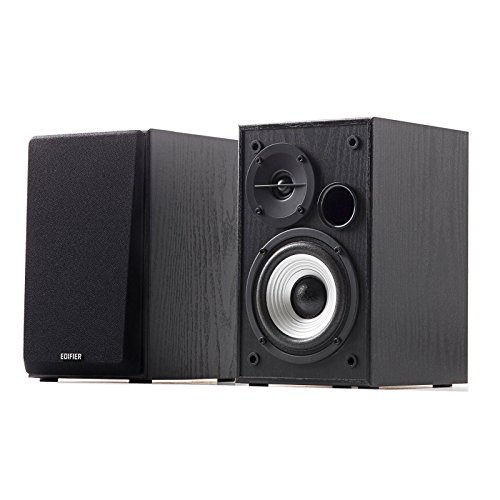
Bookshelf speakers suit small to medium rooms, desks, and shelves with adequate space behind them. They offer good value and imaging, but bass depth is limited by cabinet size. Stands improve bookshelf performance greatly by raising tweeters to ear height and reducing surface reflections.
Floorstanding speakers suit larger rooms and listeners who want deeper bass without a subwoofer. They cost more and need more floor space, and in a small room they can overwhelm bass. Match speaker size to room volume, not to ambition. For general stereo context, best stereo speakers covers higher tiers as well.
Room, Placement, and Bass
Placement transforms stereo sound. Keep speakers away from corners where possible, toe them slightly toward the listener, and sit at a distance that forms a balanced triangle. Small moves change bass and imaging noticeably, so experiment before buying room treatment or new equipment.
Bass boom often comes from room modes and wall proximity rather than speaker faults. Moving speakers a few centimetres, adding soft furnishings, and avoiding hollow shelves under speakers can tame boom. A subwoofer should blend, not dominate, and needs careful level and crossover setting to avoid masking vocals.
Amplifier Pairing and Sources
Check speaker sensitivity and impedance, and pair with an amplifier that drives them cleanly at your volume. Efficient speakers need less power, while less efficient speakers need more headroom. Avoid clipping an amplifier into distortion, since that sounds harsh and can damage drivers over time.
Source quality sets a ceiling on sound. Better quality streams and local files reveal more detail than low bitrate streams. Check amplifier inputs for turntable, optical, and analogue sources you use, and favor wired connections for critical listening. For desk and nearfield use, best affordable pc speakers focuses on close listening.
Mistakes Worth Avoiding
Buying large speakers for a small room is a frequent error, as is judging speakers at excessive volume in a shop. Another mistake is neglecting placement and then blaming the speaker for room problems. Spend time on setup before considering upgrades.
Protect hearing during long loud sessions, and keep volumes sensible for neighbors in shared housing. For portable listening, best affordable bluetooth speakers suits other needs, for studio accuracy, best affordable studio speakers prioritizes flat response, and for general budget options, best affordable speakers covers wider categories.
Listening Rooms and Everyday Living
Most stereo speakers live in rooms that serve many purposes, not in dedicated listening rooms, so placement must balance sound quality with daily living. A living room with sofas, rugs, bookshelves, and curtains already offers natural acoustic treatment, since soft furnishings reduce harsh reflections. Use that to your advantage by placing speakers where furnishings support rather than block sound.
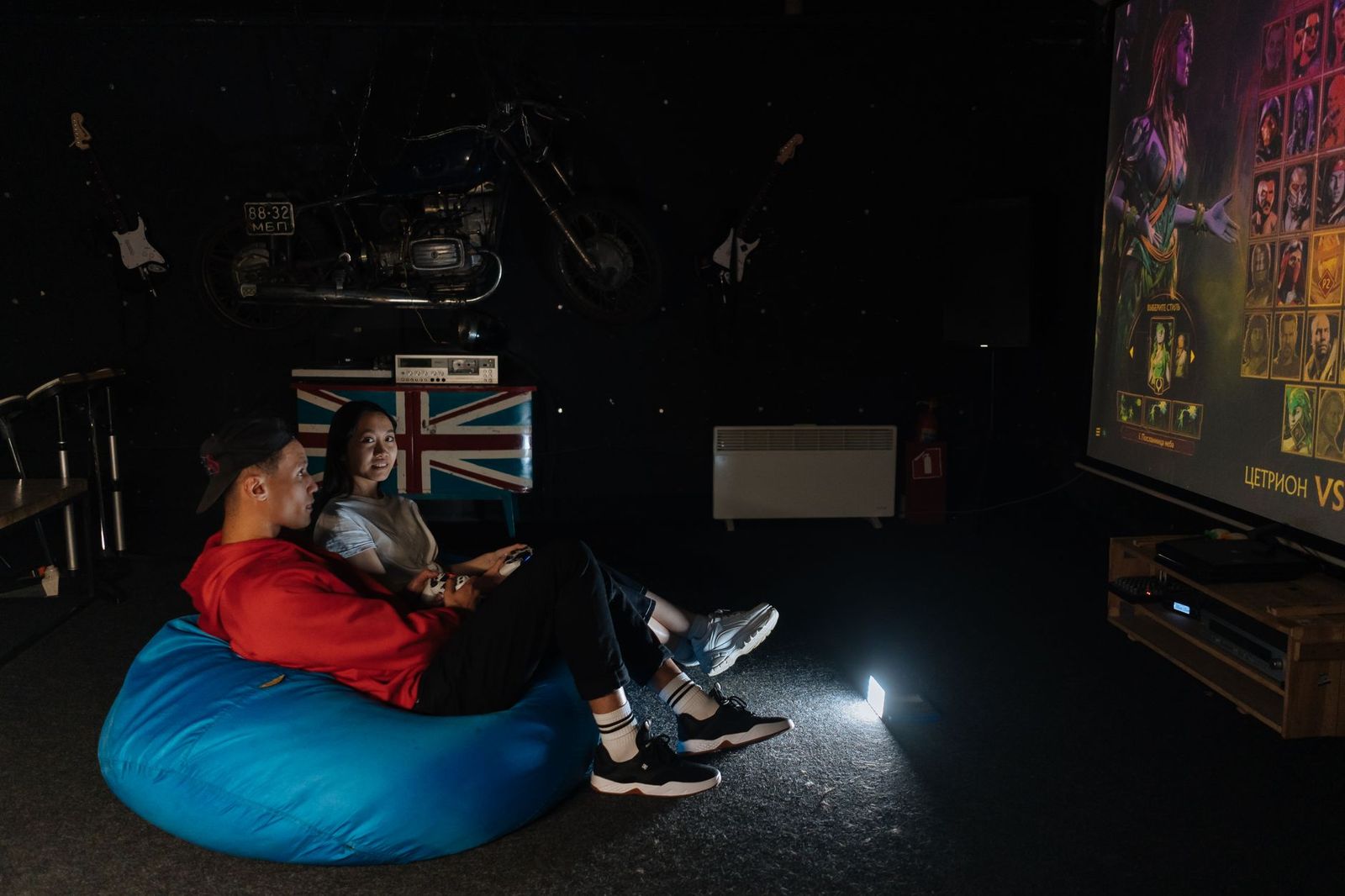
TV and music sharing the same speakers is common, and a good stereo pair handles both well when dialogue clarity is prioritized. Position the pair symmetrically around the screen, keep the listening seat central where possible, and use receiver or TV settings that favor clear dialogue for films. A stereo pair will not match a full cinema system for surround effects, yet it often beats a soundbar for music and vocal clarity.
Household noise and neighbor considerations also shape listening, since late night bass travels through floors and walls. Use moderate volumes at night, consider isolation pads under speakers on hard floors, and favor balanced sound over heavy bass after hours. Good listening habits keep music enjoyable for everyone in the household, not only for the listener.
Upgrading a Stereo System Gradually
Gradual upgrades let you learn what each change actually improves, starting with placement and room layout, then source quality, then amplification, and finally speakers themselves. Many listeners discover that placement and source upgrades deliver more improvement than a new speaker pair, and that knowledge prevents wasteful spending on the wrong component.
When speakers do need upgrading, keep the old pair for another room or as a comparison reference, since direct comparison reveals differences more honestly than memory alone. Sell or gift old speakers only after living with the new pair for several weeks, since initial excitement can fade and reveal preferences that were not obvious at first.
Finally, budget for cables, stands, and basic room treatment as part of any upgrade, since those items affect sound more than exotic accessories at affordable prices. Solid stands, tidy cables, and a rug between speakers and listener often improve sound noticeably for modest cost. Spend on fundamentals first, and treat luxury accessories as a later luxury rather than a necessity.
A Final Check Before You Order
Before ordering, confirm amplifier power and impedance compatibility, since a mismatched pairing can sound harsh or strain drivers. Check sensitivity figures and ask the seller for pairing guidance if specifications are unclear. A modest amplifier that stays clean suits efficient speakers well in small to medium rooms.
Also plan speaker placement carefully, including stands or shelves, distance from walls, and height relative to your listening seat. Tweeters near ear height and a balanced triangle with the listener improve imaging noticeably, while corner placement can make bass boomy. Experiment with placement after delivery before judging sound quality.
Finally, test with familiar music under return policies, listening across genres and at low volumes where detail and harshness show clearly. Judge sustained enjoyment over an hour rather than initial excitement, since a balanced speaker grows more satisfying with time. That patient test prevents expensive disappointment after the return window closes.
Frequently Asked Questions
Do bookshelf speakers need stands?
Stands help greatly by raising tweeters to ear height, reducing reflections from shelves, and isolating vibration. Books on a shelf can work if height and spacing are right, but dedicated stands usually improve imaging and bass clarity noticeably. Fillable stands add mass and stability for larger bookshelf models. Note your room, usage, and budget before narrowing the shortlist.
How do I choose between bookshelf and floorstanding speakers?
Choose by room size, bass needs, and budget. Bookshelf speakers suit small to medium rooms and offer better value, while floorstanding speakers suit larger rooms and deeper bass without a subwoofer. In a small room, floorstanding bass can overwhelm, so favor bookshelf plus a subwoofer only if needed. Ask a professional for help if specifications or safety rules are unclear.
What amplifier power do stereo speakers need?
It depends on sensitivity, room size, and volume. Efficient speakers in a small room need modest clean power, while larger rooms and less efficient speakers need more headroom. Prioritize an amplifier that stays clean at your listening level over headline wattage, and check impedance compatibility. Note your room, usage, and budget before narrowing the shortlist.
Can stereo speakers work for home cinema?
Yes, as front left and right channels, and they often outperform soundbars for music and dialogue clarity. Add a center speaker and surrounds later for full cinema sound if desired. Start with a good stereo pair, since music and dialogue benefit most from quality front speakers. Check maker guidance and compare a few models before you decide.
Why does my stereo sound better in a shop than at home?
Shop rooms, placement, and source equipment differ from home, and louder demonstration volumes can flatter sound. Test at home under return policies with familiar music, experiment with placement, and allow a short settling period before judging. Room furnishings also change reflections and bass. Ask a professional for help if specifications or safety rules are unclear.
Final Thoughts
Affordable stereo listening rewards a balanced pair, sensible room placement, and an amplifier that drives them cleanly. Match speaker size to room, test with familiar music, and add a subwoofer only if bass truly lacks depth. The product table above can help you compare bookshelf and floorstanding options, and best affordable stereo speakers prove that a well set up modest system can be deeply satisfying. Keep listening volumes sensible to protect your hearing over long sessions.