Best Affordable Studio Speakers 2026: Guide
Disclosure: We may earn a commission when you buy through links on this page, at no extra cost to you. As an Amazon Associate I earn from qualifying purchases. Learn more

Find affordable studio speakers for honest mixing in small rooms, with size, placement, and connection advice for creators. Read the full guide before you buy.
Studio speakers exist to tell the truth about a mix, and affordable models now bring that honesty to bedroom studios. The best affordable studio speakers suit producers, podcasters, and video editors who need to hear problems before an audience does. This guide explains how to choose a pair that works in your room, not just on paper.
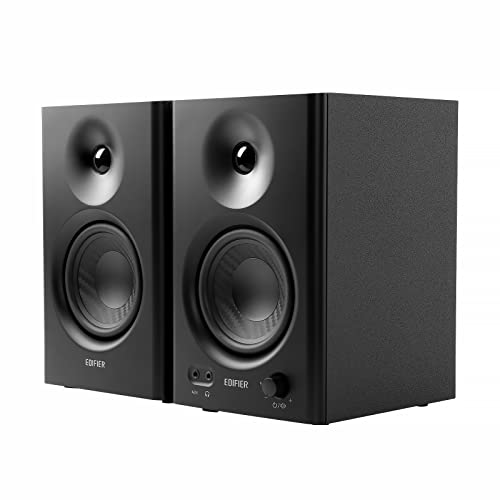
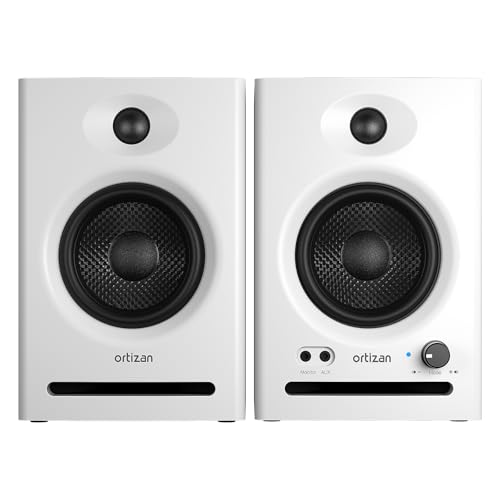
The comparison table below shows options side by side, but your room and desk setup shape the result more than any single spec. Nearfield speakers are meant for close listening, so placement, height, and distance from walls matter enormously. Start with your space, then judge sound on familiar tracks.





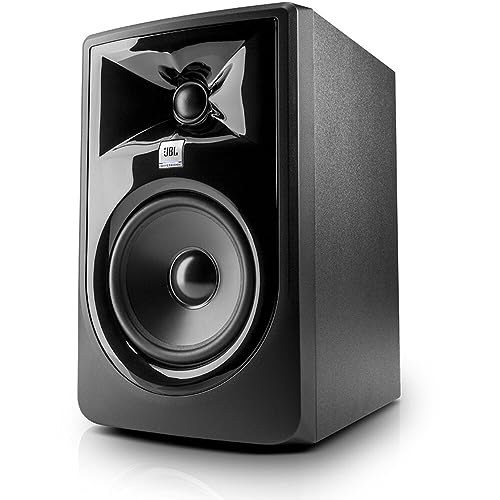
Who Should Buy Affordable Studio Speakers
Affordable studio speakers suit home producers, podcast editors, and creators mixing audio for video. They also suit musicians recording at home who need to check balances honestly. If you only listen for pleasure, a regular speaker may be more enjoyable, but if you create, studio speakers pay for themselves in better mixes.
- Bedroom music producers
- Podcast and video editors
- Home recording musicians
Sound, Size, and Bass Response
A studio speaker should sound balanced rather than exciting: voices clear, bass controlled, and high frequencies detailed without harshness. Budget models compromise somewhere, often in deep bass or tweeter refinement, so listen for clarity in the midrange where most music lives. A speaker that flatters everything hides the very problems you need to fix.
Size should fit the room. A 5 inch woofer suits most desks and small rooms, giving usable bass without overwhelming the space. Larger woofers need distance to blend and can boom in tight rooms. If bass feels light, try placement first: moving speakers away from corners and walls often tightens low end more than a bigger speaker would.
Connections and Desk Setup
Most affordable studio speakers are powered, with balanced TRS or XLR inputs for an audio interface and RCA for simpler sources. Balanced connections reduce hum, especially with longer cables, so an interface is worth adding if you do not own one. Check that each speaker has its own power socket nearby, and that volume controls are easy to reach.
Set speakers at ear height with tweeters level with your ears, angled toward you in a triangle. Keep them symmetrical relative to walls, and use isolation pads to cut desk vibration. A small change in angle or distance can alter bass and stereo image noticeably, so experiment before concluding a speaker sounds wrong.
Common Mistakes to Avoid
A common mistake is buying large speakers for a tiny room and fighting boomy bass ever after. Another is judging studio speakers by how fun they sound on a favorite track, since a fun speaker often masks mix flaws. A third is neglecting setup: speakers on a cluttered desk, at different heights, and against a wall will sound unbalanced whatever they cost.
Protect your hearing too. Mix at moderate levels, take breaks, and avoid long loud sessions, since tired ears make poor mix decisions. If you notice ringing or dull hearing after a session, rest and lower the volume next time. Accurate monitoring depends on healthy ears as much as on good speakers.
Everyday Use and Improving Mixes
Build a reference habit: compare your mixes with well known tracks, check them on headphones and a phone, and listen at low volume where balance problems stand out. Take a break and revisit a mix the next day, since fresh ears catch what tired ears miss. Keep notes on what your speakers reveal so you learn their character over time.
Keep the setup consistent: same placement, same volume habits, same reference tracks. Consistency teaches you how your speakers translate to the real world, which is the whole point of monitoring. If a speaker develops a buzz, check cables and inputs first, since connection faults cause most such problems.
Related guides cover nearby speaker choices. Compare studio monitor models in best affordable studio monitor speakers, everyday options in best affordable speakers, the general studio range in best studio speakers, bluetooth alternatives in best affordable bluetooth speakers, and computer speakers in best affordable pc speakers.
Mixing Checks That Catch Problems Early
A few routine checks catch most mix problems before release. Listen in mono, since phase issues and balance problems hide in stereo but stand out in mono. Check your mix on a phone speaker, which reveals whether vocals and lead parts survive tiny playback, and check it in a car, where road noise exposes muddy low end.
Compare loudness honestly. A louder mix always sounds better at first, so match levels when comparing your mix with references, otherwise you will chase volume instead of balance. Leave headroom rather than pushing everything to the maximum, since streaming services normalize loudness anyway and a crushed mix sounds worse after normalization.
Take breaks and return fresh. Ears adapt to a mix over hours, and flaws you would have caught at the start become invisible. A night's sleep resets your hearing, and a morning listen often reveals exactly what to fix. The final check should happen with fresh ears, at moderate volume, on your familiar speakers.
Building a Reliable Mixing Routine
A reliable mixing routine starts with a checklist. Check levels, listen in mono, compare with references, and listen at low volume before calling a mix done. Write the checklist down and follow it every time, since memory skips steps when you are tired or excited about a track. Consistency catches problems that inspiration misses.
File management supports good mixing too. Name sessions clearly, save incremental versions, and back up after each session. A lost session costs more than any speaker upgrade, and a clear naming system lets you return to an earlier version when a mix goes wrong. Treat session files as carefully as you treat the audio itself.
Acoustic Tweaks That Cost Nothing
Free acoustic tweaks often beat new gear in a small room. Move your desk away from the corner, since corners boost bass unevenly, and sit centerd between the speakers rather than against a wall. Hang a thick curtain over a bare window, place a bookshelf on a reflective wall, and lay a rug on a hard floor: each change breaks up reflections that smear stereo image and detail. Listen after each change with a familiar track, and keep the changes that help. A room treated with furniture and soft furnishings sounds noticeably better, and the improvements cost nothing but an afternoon of rearranging.
When to Consider an Upgrade
Consider upgrading only when your speakers clearly limit your work: persistent distortion at normal levels, a dead driver, or bass so thin that mixes consistently fail elsewhere. Before spending, revisit placement and room setup, since those fix many complaints for free. If an upgrade is truly needed, keep your old pair as a second reference, since hearing a mix on two different systems reveals problems that one pair alone hides.
Frequently Asked Questions
Are studio speakers better than regular speakers for mixing?
Yes, studio speakers are designed for a flat, honest response that reveals mix problems, while regular speakers often boost bass and treble to sound pleasing. That honesty helps mixes translate to other systems. For pure listening, regular speakers may be more fun, but for creating and editing, studio speakers give a truer picture.
What size studio speaker suits a bedroom?
A 5 inch woofer suits most bedrooms and desks, offering enough bass without overwhelming a small space. Smaller woofers work in very tight rooms but give less low end, while larger woofers need distance and room to blend. Start with a 5 inch model and optimize placement before considering a larger speaker or a subwoofer.
Do I need a subwoofer with studio speakers?
Not usually at first. Most studio speakers cover enough bass for pop, rock, speech, and video work in a small room. A subwoofer helps for bass heavy music and film, but it complicates setup and can muddy the sound if placed poorly. Learn your speakers first, and add a sub only if low frequencies are genuinely missing from your work.
How do I set up studio speakers on a desk?
Place speakers at ear height, tweeters level with your ears, angled toward you in an equilateral triangle, and keep them symmetrical relative to walls. Use isolation pads to reduce vibration, and pull speakers away from the wall where possible. Small adjustments to angle and distance change stereo image and bass noticeably, so experiment patiently.
Can I use studio speakers for everyday listening?
Yes, studio speakers work well for everyday listening, especially if you value clarity and detail. They may sound less warm than hi fi speakers at first, since they do not boost bass or treble. Many listeners grow to prefer the honest sound, and a pair of studio speakers can serve both creating and listening duties in a small room.
Final Thoughts
The product table above is a shortlist, but your room and ears decide. The right pair of best affordable studio speakers sounds balanced at your desk, fits your space, and reveals mix problems honestly. Set them up carefully, learn their character, and reference your work elsewhere.
Affordable studio speakers, well placed and well learned, can carry a home studio from first mixes to confident releases.