
Best Affordable Studio Monitors: A Buying Guide for 2026
Disclosure: We may earn a commission when you buy through links on this page, at no extra cost to you. As an Amazon Associate I earn from qualifying purchases. Learn more
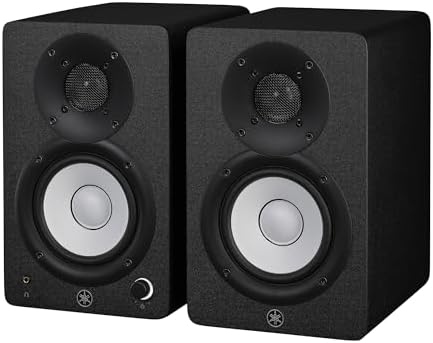
A plain guide to the best affordable studio monitors: driver sizes, room fit, honest sound, safe setup and the prices a small home studio really pays.
Setting up a first home studio usually ends with one confusing purchase, the speakers your mixes will be judged on. The search for best affordable studio monitors starts with a naming trap worth clearing up at once: a studio monitor is a speaker, built for listening, and it shows no picture at all. The product table lists honest budget pairs so you can match a size to your room before spending.
A studio monitor is also built with a different promise than an entertainment speaker. It aims to play a recording plainly, revealing flaws rather than flattering them, so the mix you finish at home still sounds right in a car, on earbuds, and on a living room system.

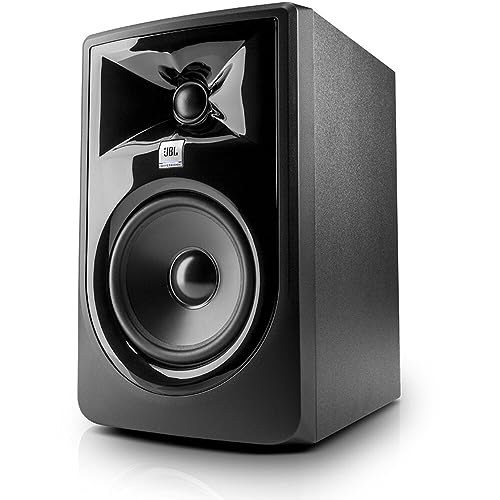

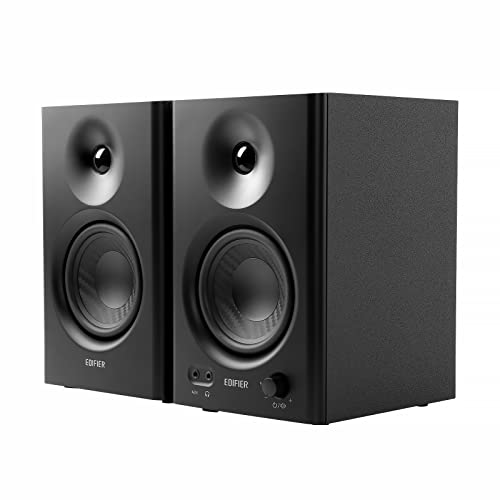

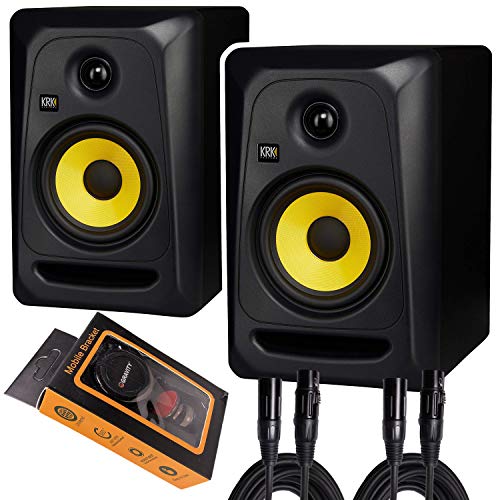


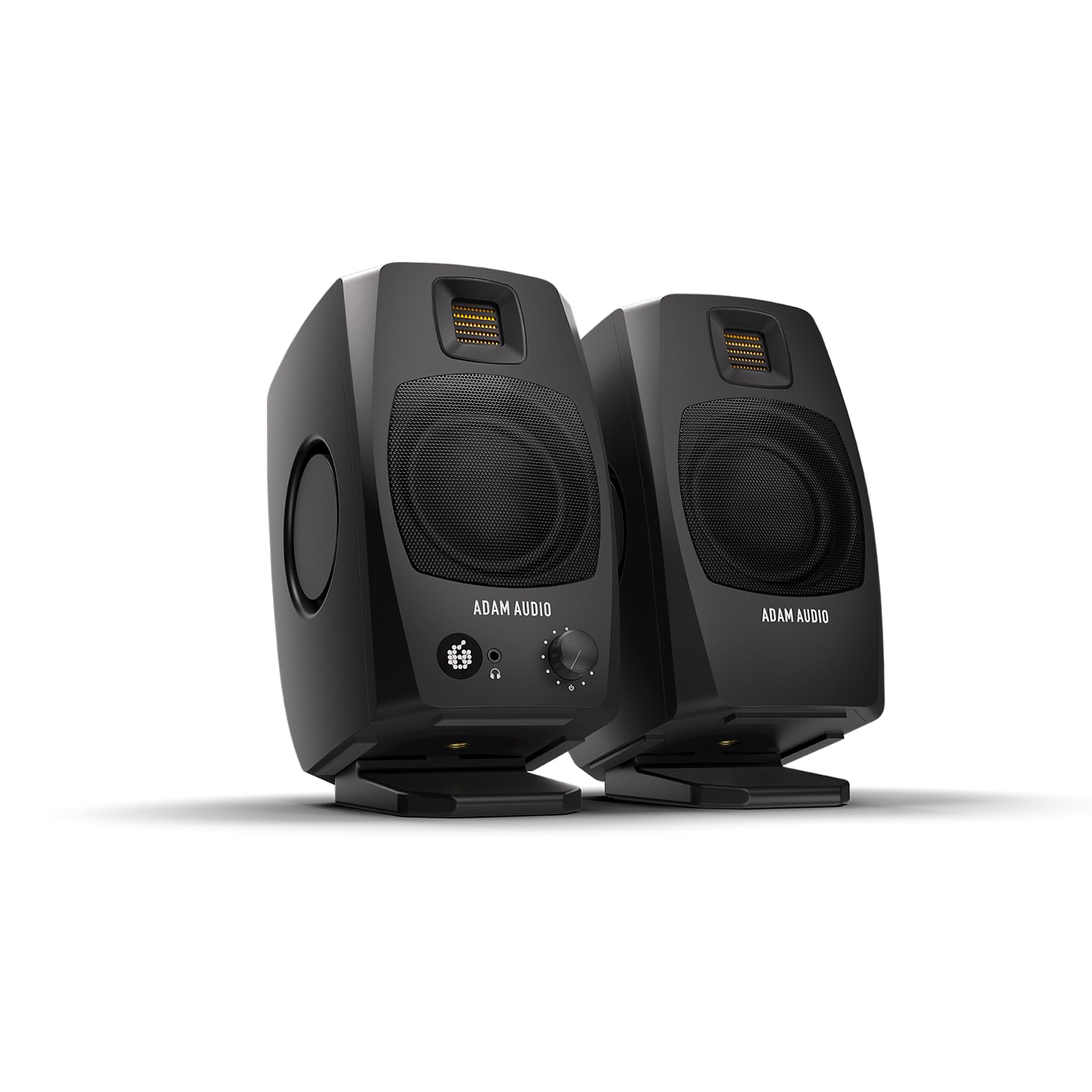

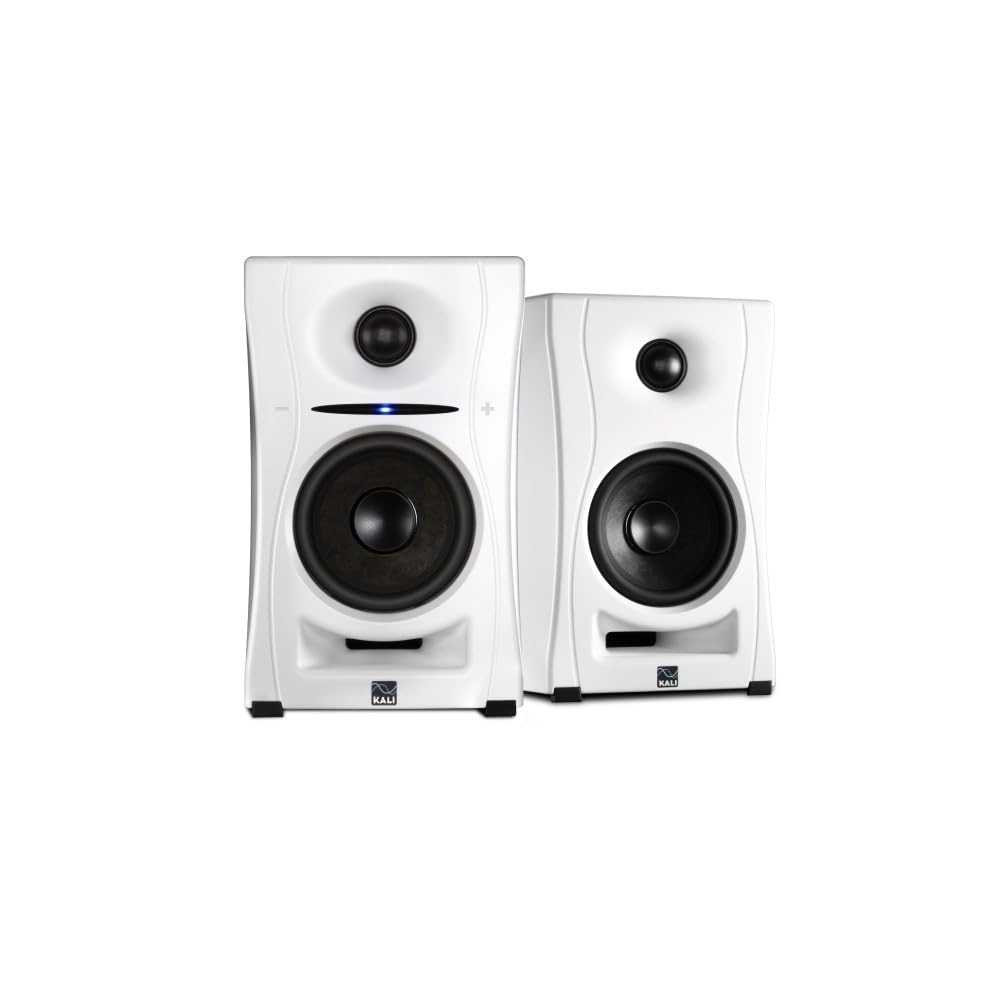

A Speaker, Not a Screen
The word monitor does double duty in shops, and that is the whole source of the mix up. Product pages for best affordable monitors and roundups of best gaming monitors describe computer displays, with panels, refresh rates, and response times. None of those figures exists on a studio monitor, because there is no screen to measure.
Everything in this guide is about sound: driver sizes in inches, amplifier power, input sockets, and how a pair behaves in a small room. If a listing for a supposed studio speaker leads with resolution or sync technology, you are reading about a display wearing the wrong label, and it will not help your mixes at all.
Start With the Room, Not the Speaker
Room facts should pick your speaker size before any brand or budget question gets a say. The distance between your chair and the speakers, called the listening distance, is the first number to settle. Budget studio monitors are nearfield designs, made to be heard from roughly three to five feet away, where the direct sound reaches you before wall reflections muddy it.
Desk size is the second fact. A small desk against a wall leaves room for compact speakers and pushes bass toward boominess, while a larger desk or stands in open space let a bigger pair breathe. Measure the surface, note how close the wall sits behind the speakers, and count the space your screen and keyboard already claim.
Room size completes the fork. In a bedroom studio, a modest pair played at sensible volume will always beat a large pair turned down and fighting the walls. In a bigger, softer furnished room, the larger class earns its keep. Let these three facts, distance, desk, and room, narrow the field before price enters the conversation.
Furnishings quietly count as part of the room too. A bed, a sofa, curtains, and a rug all soak up reflections that bare walls and a hard floor throw back at you, so two rooms of the same size can behave very differently. Before blaming a speaker for a harsh or boomy sound, look at what the room is made of and add soft furnishings where you can. Small rooms forgive small speakers; echoing rooms forgive nothing.
How to Choose a Budget Pair
What a Tight Budget Realistically Buys
Honest expectations save money. Around $100 to $200 buys compact pairs with three or four inch drivers that handle voices, podcasts, and learning to mix. Around $200 to $350 is the five inch heartland, with fuller sound and better controls. Around $350 to $600 brings six to eight inch drivers, stronger amplifiers, and build quality that survives years of daily use.
What gets cut at the low end is mostly low frequency reach, maximum volume, and input variety, not basic honesty. Do not cut corners on the pair itself to fund extras. A slightly better pair and no accessories beats a weaker pair surrounded by gadgets every time.
Driver Size Sets the Low End Limit
Low notes need moving air, and moving air needs cone area, so driver size decides how deep a monitor can honestly play. A three inch driver cannot reproduce the bottom of a bass line or a kick drum, no matter what the box claims, because the physics of the cone will not allow it. You will hear that those notes exist, thinly, without their weight.
This is a limit to plan around rather than a flaw to resent. Small drivers suit speech, acoustic music, and learning arrangement skills. If your music leans on low end, choose the five inch class as your floor, and judge any size claim by the driver diameter rather than cabinet dimensions, which flatter small speakers.
Powered Pairs, Inputs, and Controls
Nearly every budget studio monitor is powered, meaning the amplifier lives inside the cabinet and no separate amp is needed. One speaker often holds the amplifier for both, with a wire running to its partner, while pricier pairs power each cabinet on its own. Either scheme works at a desk, and neither should decide the purchase alone.
Inputs matter more. Balanced connections help reject hum from a computer heavy desk, while simple unbalanced inputs suit short runs from an audio interface. Useful controls include a volume knob you can reach, and switches that tame bass when the speakers must sit close to a wall. Check what your interface outputs before ordering cables.
Used Pairs: Where the Real Bargains Hide
Because studios upgrade often, the used market is full of recent budget pairs at half their first price, and it deserves a look before you buy new. Check that both cabinets play at equal volume, that voices sound centered between them, and that the knobs turn without crackling. A driver that buzzes on low notes or a cabinet that hums with no music playing is a repair bill, not a bargain.
Buy used only where a return is possible, and favor pairs sold as a matched set with their power supplies and cables. Factor the risk into the price: a used pair at a small discount is worse value than a new pair with a warranty. A used pair at half price, checked on the spot, is how many good first studios actually start.
Placement, Stands, and the Listening Triangle
Placement is the cheapest upgrade in this entire guide, because it costs nothing and changes everything. Set the pair so the tweeters sit near ear height and the two speakers and your head form a rough triangle with equal sides. Foam pads or small stands lift speakers off the desk, which stops the surface from buzzing along with the music.
Distance from the wall deserves a decision too. Speakers jammed against a wall gain bass they did not earn, which tricks you into mixing the low end too quietly. Even a few inches of gap helps, and the rear switches on many models can trim the boost when space is truly tight.
Honest Sound and Listening Safely
A studio monitor aims at an uncoloured presentation: bass, mids, and treble in the proportions the recording actually contains. Chasing the best sounding studio monitors on a budget can mislead, because the most impressive demo sound, thumping bass and sparkling highs, is often the least truthful. A plain first impression is usually the sign of the right tool.
Honest speakers also invite louder listening for longer, so keep your hearing in mind as part of the setup. Keep long sessions at a volume where you could hold a conversation over the music and take quiet breaks. If your ears ring afterward, turn down next time and ask your doctor if it continues.
Types of Budget Studio Monitors
Guides to best affordable studio monitor speakers use the longer name for this same family, and within it three shapes cover nearly every small studio. The classes differ mainly in driver size and purpose, and the product table lines up pairs by price.
Compact Nearfield Pairs
Compact pairs carry three to four inch drivers in cabinets that fit crowded desks and shelves. They play clearly at close range, travel easily between rooms, and cost the least of the three classes. Speech work, video editing, and songwriting suit them well. Their low end is limited by size, so bass heavy decisions need a headphone check.
Full Size Nearfield Pairs
Full size nearfield pairs run from five to eight inch drivers and form the standard home studio choice. They reach lower, play louder without strain, and usually add balanced inputs and room switches. The trade is footprint: they want stands or a generous desk, and small rooms can overwhelm them at high volume. Most buyers should start their shortlist here.
Single Small Reference Speakers
A single small full range speaker is a checking tool rather than a main pair. Producers use one to hear how a mix survives on modest playback gear, in mono, with limited bass and treble. As a second purchase it teaches a great deal. As a first purchase it leaves you mixing without stereo width, so treat it as an accessory to a real pair.
Choosing the Best Affordable Studio Monitors for Your Situation
Best Affordable Studio Monitors for DJ Practice
DJ practice and set preparation ask for two things a quiet mixing pair may not stress: strong, clear output that stays composed at party volume in a normal room, and enough low end punch to feel cue points and transitions. A five inch class pair is the sensible floor here, since smaller drivers blur the kick at volume.
Durability and simple controls matter as well, because the pair gets moved, bumped, and adjusted with one hand. Place them to play into the room rather than straight at your ears at close range, and keep the honest studio character in mind: what you hear in practice is close to what the recording holds, which is exactly the preparation a good set needs.
Getting the Most From Your Pair
- Raise the tweeters to ear height with stands or foam pads, since desk level speakers aim their clearest sound at your chest.
- Angle both speakers toward your listening seat so the triangle stays even, and keep the pair the same distance from you.
- Learn your pair on recordings you know well before judging your own mixes, because every honest speaker has a character to learn.
- Check finished mixes at low volume and on headphones or a car system, since problems hide at the extremes.
- Keep volume moderate during long sessions and take quiet breaks, so your judgement and your hearing both stay fresh.
Affordable Studio Monitors: Questions Answered
What size studio monitor suits a small bedroom studio?
A four or five inch class pair suits most bedroom studios, heard from about three to four feet away. Larger drivers in a small room excite wall reflections and pile up bass in corners, which makes low end decisions unreliable. If your desk sits against a wall, choose a model with a bass trim switch. Small and honest beats big and boomy at this scale.
Do budget studio monitors need a subwoofer?
Most beginners do not need one, and many small rooms are worse with one. A subwoofer adds the lowest octave but also adds a crossover to set, a corner to excite, and a new way to fool yourself about bass levels. Learn your pair first, check low end on headphones, and consider a sub only after placement and listening habits are solid. Spend the money on the pair itself meanwhile.
Can studio monitors double as everyday listening speakers?
Yes, they can, and many owners use one pair for work and leisure alike. The honest balance can make films and casual music sound plainer than an entertainment speaker tuned to flatter, and some listeners miss that extra bass and sparkle. Others prefer hearing recordings as they were made. If one pair must do everything, choose the five inch class and listen before judging by specifications.
Should studio monitors be bought as a pair or one at a time?
Check the listing carefully, because this family is sold both ways and the headline price may cover a single speaker. Mixing needs two matched speakers, so a lone monitor only makes sense as a deliberate reference check tool. When a price looks surprisingly low for the size, it usually describes one cabinet. Budget for the full pair, plus any cables your interface requires.
How long does a budget studio monitor pair last?
A budget pair used at sensible volumes commonly serves for many years, because speakers have few wearing parts. The amplifier electronics are the usual first failure, followed by crackling volume knobs on the cheapest models. Dust, steady power, and avoiding constant maximum volume all extend life. When one cabinet of a matched pair fails, replacing the pair usually beats hunting for a single match.
Wrapping Up
The best affordable studio monitors for your desk are the pair your room can support, sized by your listening distance, honest rather than flattering, and bought as a matched pair with cables in the budget. Start with the room, pick the driver size it allows, and let placement do its free work. Then compare the classes in the product table above and order with confidence.


