Best Affordable Speakers 2026: A First Time Guide
Disclosure: We may earn a commission when you buy through links on this page, at no extra cost to you. As an Amazon Associate I earn from qualifying purchases. Learn more

Learn how to choose affordable speakers for music, films, and desk use, from size and placement to Bluetooth, wired options, and sound balance.
Affordable speakers can sound surprisingly good when size, placement, and source are matched well, yet the choice can confuse first time buyers. A friendly best affordable speakers guide explains speaker types, room fit, and connection options in plain language, so you can buy for your listening habits. The comparison table below gives a quick overview.
Start with where you will listen, since desk speakers, living room speakers, and portable Bluetooth speakers serve very different needs. This guide covers bookshelf, monitor, desktop, and Bluetooth designs, along with placement and tuning tips that improve any affordable speaker more than a higher price alone.






Speaker Types and Where They Suit Best
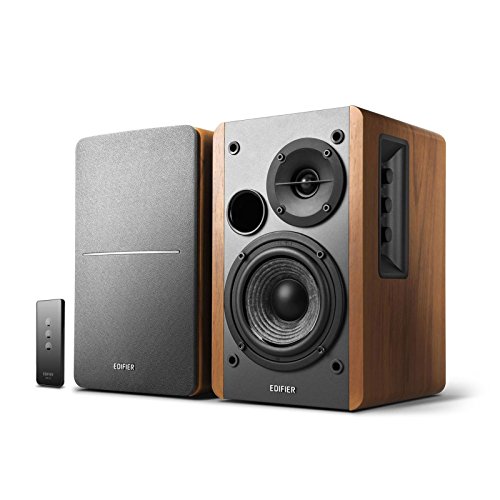
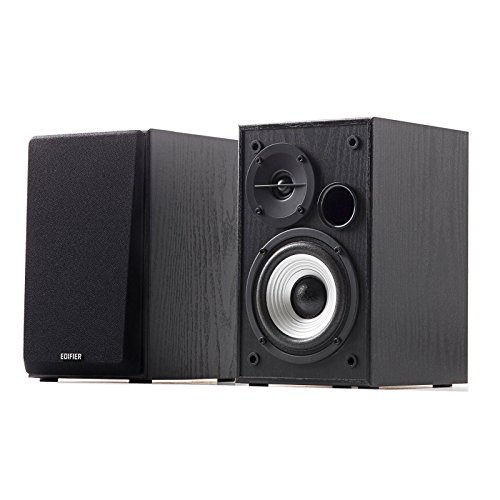
Bookshelf speakers suit living rooms and desks where space is limited but sound quality matters, and they often pair with a subwoofer for deeper bass later. Studio monitor speakers aim for accurate, uncoloured sound, which suits music production and critical listening, though some listeners find them less warm for casual enjoyment. Desktop computer speakers prioritize compact size and easy connection, making them ideal for work and casual music at a desk.
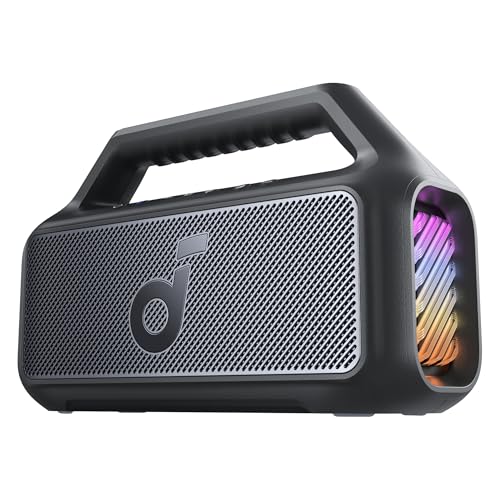
Bluetooth speakers offer portability and simple phone connection, which suits kitchens, gardens, and travel, but they trade some sound quality and stereo separation for convenience. Consider whether you need portability, stereo imaging, or accurate monitoring most, since no single affordable speaker excels at all three. Choosing by primary use prevents paying for features that stay unused.
Size, Bass, and Room Fit
Speaker size affects bass depth, since larger drivers and cabinets generally reproduce low notes with more ease and less strain. Small speakers can still sound excellent for vocals and acoustic music, especially near a desk, but they may lack weight for films and bass heavy music in a large room. If deep bass matters, plan for a larger speaker or a future subwoofer rather than expecting tiny speakers to defy physics.
Room size and placement shape bass greatly, because corners and walls reinforce low notes while open spaces let bass escape. Place bookshelf speakers away from walls if bass sounds boomy, and try small position changes before blaming the speaker itself. A well placed affordable speaker in a suitable room often outperforms an expensive speaker crammed into a corner.
Connections: Bluetooth, Wired, and Aux Options
Connection options decide how easily speakers work with your phone, computer, television, and turntable, so check them before buying. Bluetooth offers wireless convenience and easy phone pairing, while wired connections often provide more stable sound and lower latency for films and games. Aux inputs, optical inputs, and USB connections each suit different devices, so list your sources first and match ports to that list.
Latency matters for video, since Bluetooth delay can make dialogue drift out of sync with lips on some systems. If you watch films often, favor a wired connection or a low latency Bluetooth mode supported by both speaker and source. Also check whether speakers can switch sources easily, since a speaker that requires unplugging cables to change devices quickly becomes annoying.
Sound Balance and Listening Tests
Sound balance matters more than bass quantity alone, since a speaker that booms but muddies vocals will tire you during long listening sessions. Listen for clear voices, natural instruments, and bass that supports rather than overwhelms the music. Test with familiar tracks across genres, including acoustic, rock, electronic, and spoken word, to reveal strengths and weaknesses honestly.
Volume behavior matters too, since some affordable speakers sound good quietly but distort or lose bass at higher volume. Test at your normal listening level, not just at shop demonstration volume, and listen for harsh treble, rattling cabinets, or port noise at bass peaks. A speaker that stays clean at your usual volume will satisfy you far longer than one that only impresses briefly at maximum volume.
Budget, Placement, and Smart Upgrades
At affordable prices, spend first on correct size and good placement, since those foundations affect every note more than exotic materials. A mid priced bookshelf pair on proper stands often sounds better than a pricier pair placed directly on a cluttered desk against a wall. Stands, isolation pads, and sensible cable routing are cheap upgrades that improve clarity and reduce vibration.
Plan upgrades in stages, starting with speakers, then a subwoofer for bass, then room treatment or a better amplifier if your system uses one. Each stage should solve a clear problem you have noticed, such as missing bass or muddy dialogue, rather than chasing a vague improvement. Patient, problem led upgrades build a system you enjoy daily without overspending at the start.
Related guides include best affordable bluetooth speakers, best affordable pc speakers, best affordable studio speakers, best affordable monitor speakers, and best affordable bookshelf speakers.
A Final Check Before You Buy
Before you order, list every source you will connect, from phones and computers to televisions and turntables, and check that the speaker inputs, switching, and latency suit each one. A speaker with only Bluetooth may frustrate film watching due to audio delay, while a speaker with only wired inputs may annoy phone listeners who expect wireless ease. Matching connections to real sources prevents daily friction that no sound quality advantage can overcome, so treat the connection list as seriously as the sound itself.
Test placement in your actual room before judging sound quality, since moving a speaker a short distance from a wall or corner can change bass and clarity dramatically. Try ear height placement, stable stands or pads, and a clear path to your listening seat, then listen to familiar music at your normal volume across several genres. Notice whether voices stay clear, bass stays controlled, and treble stays smooth without harshness, since those qualities decide long term satisfaction far more than a single impressive bass note.
Finally, plan upgrades around problems you actually notice, such as missing bass, muddy dialogue, or limited stereo width, rather than buying extras on speculation. A subwoofer solves thin bass, stands solve vibration and height issues, and room adjustments solve boominess, but each upgrade should follow a clear need. Patient, problem led spending builds a system you enjoy daily and keeps your budget focused on improvements you can actually hear.
Frequently Asked Questions
Are bookshelf speakers better than Bluetooth speakers?
Bookshelf speakers usually offer better stereo imaging and sound quality for a fixed room, while Bluetooth speakers offer portability and simple wireless use. Choose bookshelf speakers for a living room or desk setup, and Bluetooth speakers for moving between rooms, gardens, and travel. Your primary listening location should decide, since each design optimizes for a different use.
Do small speakers need a subwoofer?
Small speakers benefit from a subwoofer when deep bass matters for films, electronic music, or large rooms, since tiny drivers cannot move enough air for very low notes. For vocals, acoustic music, and desk listening, a subwoofer is often unnecessary. Add one later if bass feels thin, and set its crossover so it supports rather than overwhelms the main speakers.
Is Bluetooth sound quality good enough?
Modern Bluetooth can sound very good for casual listening, especially with higher quality codecs supported by both phone and speaker. Wired connections still offer more stability and lower latency for films and critical listening. If you mainly stream music casually, Bluetooth is convenient and satisfying; if you watch films or produce music, favor wired options.
Where should I place affordable speakers?
Place speakers at ear height, away from corners if bass sounds boomy, and with a clear path to your listening seat for the best stereo image. Keep them stable on stands or pads, avoid blocking ports at the rear, and try small position changes before judging sound quality. Good placement often improves affordable speakers more than any equipment upgrade.
How much should I spend on first speakers?
Spend an amount that matches your listening time and room, starting with a reliable mid affordable pair rather than the cheapest option or an expensive flagship. If you listen daily, a modest investment pays off in enjoyment, while occasional listeners may be happy with a simpler set. Leave room in your budget for stands or cables if those are needed for proper placement.
Final Thoughts
Affordable speakers reward careful matching to room, use, and source, and they punish impulse buying based on a single specification. Listen at normal volume with familiar music, try small placement changes, and choose the balanced pair that stays pleasant through long listening sessions every day. The product table above can help you compare types, but your listening room and habits should guide the choice. Place well, listen patiently, and choose balance over boom. Good stands and stable placement often improve clarity more than spending extra on a slightly larger speaker.
Compare best affordable speakers on type, size, connections, and sound balance, and pick the pair that suits your daily listening. A well placed affordable pair will bring music and films to life for years.