Best Affordable PC Speakers for 2026: Better Sound for Your PC
Disclosure: We may earn a commission when you buy through links on this page, at no extra cost to you. As an Amazon Associate I earn from qualifying purchases. Learn more
First time buying PC speakers? Learn how to choose size, connections, and placement so your PC sounds clear for work, calls, and casual music.
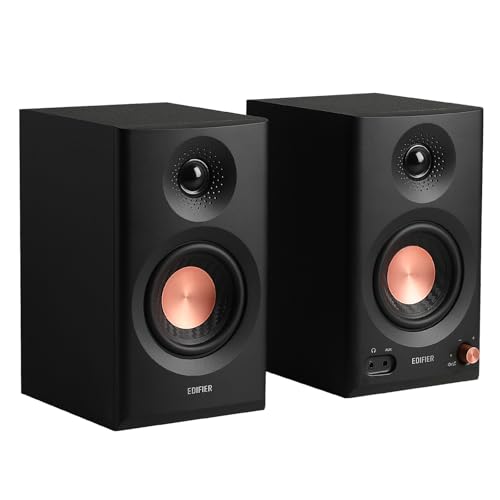
If you are buying PC speakers for the first time, the choices can look similar at first glance: small boxes, a volume knob, and a cable. Yet the right pair of best affordable pc speakers can turn tinny monitor sound into clear voices and enjoyable music, while the wrong pair can hum, distort, or crowd your desk. The comparison table below helps you compare the basics.
Start by thinking about your PC routine. Do you mainly join video calls, watch videos, play casual games, or listen to music while you work? Each routine values a slightly different sound, and a first time buyer does best by choosing a simple, well placed pair rather than chasing extra features. This guide explains the terms in plain language so you can buy with confidence.



Who Should Buy This Type
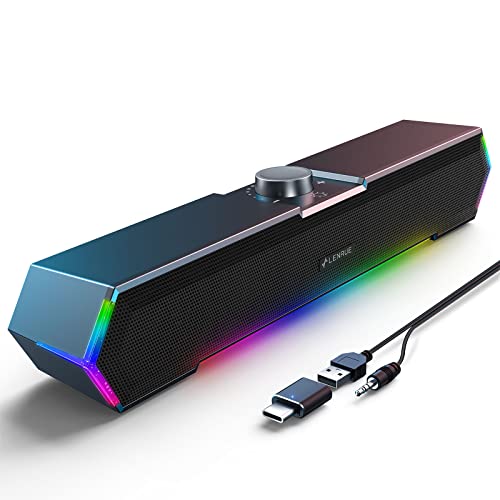
First time buyers need a simple setup with clear instructions, a single cable or USB connection, and controls that are easy to reach. Home workers need clear speech and low background hiss during calls. Casual gamers want clear game dialogue and sound effects without a large speaker system, while music listeners want a balanced sound that does not tire the ears during a long session.
Types Compared
Simple USB speakers
USB speakers draw power from the PC and need no extra outlet, which makes setup very easy. They suit a laptop or a small desk, though bass and maximum volume will be modest.
Powered stereo speakers
Powered speakers plug into a wall outlet and usually offer fuller sound and better volume control. They suit a desktop PC in a home office or bedroom where you listen for longer periods.
Speakers with Bluetooth
Bluetooth speakers can switch between a PC and a phone, which suits a desk used for both work and leisure. A wired option as well is useful, since Bluetooth can occasionally lag during video.
Key Features to Compare
Connection type
A 3.5 mm cable works with almost any PC, while USB simplifies power and audio in one lead. Check cable length before you buy, since a short cable can force your speakers into an awkward spot.
Volume and mute controls
A front volume knob and an easy mute option make calls and late night listening much simpler. Rear controls may look tidy but become annoying when you need to adjust volume quickly.
Headphone jack
A headphone jack on the front of a speaker lets you switch to private listening without reaching behind the PC. This is a small feature that first time buyers often appreciate once they use it daily.
Desk footprint
Measure the space beside your monitor and under any shelf before you buy. A speaker that forces your keyboard forward or blocks a monitor stand will annoy you every day, no matter how good it sounds.
Budget Tiers Explained
Around $20 to $45, expect compact USB speakers that clearly beat monitor sound for calls and casual listening. From around $45 to $90, you can find powered pairs with fuller sound and better controls. Above that range, you often pay for Bluetooth, a subwoofer, or a premium cabinet, so a first time buyer can usually stop in the middle range.
Use the product table above to compare the options at each tier, since price alone does not show which features you actually get for the money.
Common Mistakes to Avoid
Do not set both PC volume and speaker volume to maximum, since that can cause distortion that sounds like a fault. Do not place one speaker in a closed cupboard and the other in open air, since the sound will be uneven. Do not ignore a buzzing cable, since a loose or damaged cable is a common cause of poor sound. Do not buy speakers larger than your desk can hold comfortably.
Setup and Everyday Care
Keep speakers away from drinks, dust them gently, and check cables for wear near the plugs. Keep volume moderate to protect the drivers, and unplug speakers during a long absence if they use a separate power supply. If sound drops on one side, swap the cables first to find whether the fault is in the speaker or the PC output.
A Final Check Before You Buy
Finally, compare total cost rather than headline price alone. Add consumables, replacement parts, and any extra items you need to use the product well, then divide that total by the time you expect to use it. A slightly higher upfront price can be the better value if it lasts longer, needs fewer extras, and fits your routine without extra effort. Keep the receipt and warranty details in one place for easy reference later.
If you are still torn between two options, choose the one with the simpler daily routine. Simplicity usually wins over time, because a product you use without fuss will serve you better than a more capable product you avoid using. Note your reasons for the choice, so you can check later whether it met your expectations or whether a different priority should guide your next purchase.
Planning for Everyday Use
Finally, consider safety and comfort in daily use, especially if children, pets, or older family members share the space. Stable placement, secure storage, clear controls, and a comfortable grip or fit all matter more over time than a single standout feature. Choose a design that feels safe and comfortable on a tired day, not just on a good day, and check that everyone who needs to use it can do so without strain or confusion.
Before You Decide
Another useful step is to talk through the choice with someone who will use or live with the product. They may notice a noise, size, weight, or cleaning issue that you overlooked, and their view can save a costly return later. Agree on the main priorities together, whether those are quiet operation, easy cleaning, low running costs, or simple controls. A shared decision usually lasts longer, because everyone understands why that option was chosen and what trade offs were accepted.
If clarity is your priority, best sounding pc speakers goes deeper on sound quality, while best affordable speakers covers the wider budget market. Gamers may prefer best pc speakers for gaming for game dialogue and effects.
Frequently Asked Questions
What is the easiest PC speaker setup for a beginner?
A USB powered stereo pair is usually the easiest setup, since it needs one cable and no separate power outlet. Plug it in, set the PC output to the new speakers, and adjust volume from the front knob. If sound does not appear, check the PC sound settings and confirm the speakers are selected as the output device.
Do PC speakers need a sound card?
No, most modern PCs have a built in audio output that works fine with affordable speakers. A separate sound card can improve sound for keen listeners, but it is not needed for calls, video, and casual music. Spend on better speakers and placement first, and consider other audio gear only if you still hear a clear limitation.
Why does one speaker sound quieter than the other?
Check the balance setting in your PC sound controls, since it can drift after updates or new software. Swap the left and right cables to see if the quiet side changes, which points to a cable or output issue rather than a speaker fault. Also check that neither speaker sits inside a closed shelf while the other sits in open air.
Can I use PC speakers with a laptop?
Yes, USB speakers work well with a laptop and are easy to move between rooms. A 3.5 mm pair also works, though you will need a spare USB port or outlet for power if the speakers are powered. For a laptop used mainly on the move, a portable Bluetooth speaker may be more practical than a desk pair.
How do I reduce echo on video calls with speakers?
Keep speaker volume moderate and place speakers away from your microphone, since the microphone can pick up the other person voice and create echo. Use a headset for important calls if echo persists, and check your call software for echo cancellation settings. A quiet room and a moderate volume usually solve most echo problems.
Final Thoughts
Choosing well comes down to matching the product to your space, your routine, and your budget, rather than chasing the longest feature list. Review the product table above once more, note the features that matter most for your own use, and let those priorities guide your final choice. The right option is the one you will use comfortably every day, not the one that looks best on paper.
For most buyers, best affordable pc speakers is a decision worth taking slowly: measure, compare, and check care needs before you buy. If you have a health, safety, or medical concern linked to this product, talk with your clinician or a qualified professional before you rely on any general guidance here.