Best Aliexpress Smartphones by Budget: Smart Picks for 2026
Disclosure: We may earn a commission when you buy through links on this page, at no extra cost to you. As an Amazon Associate I earn from qualifying purchases. Learn more
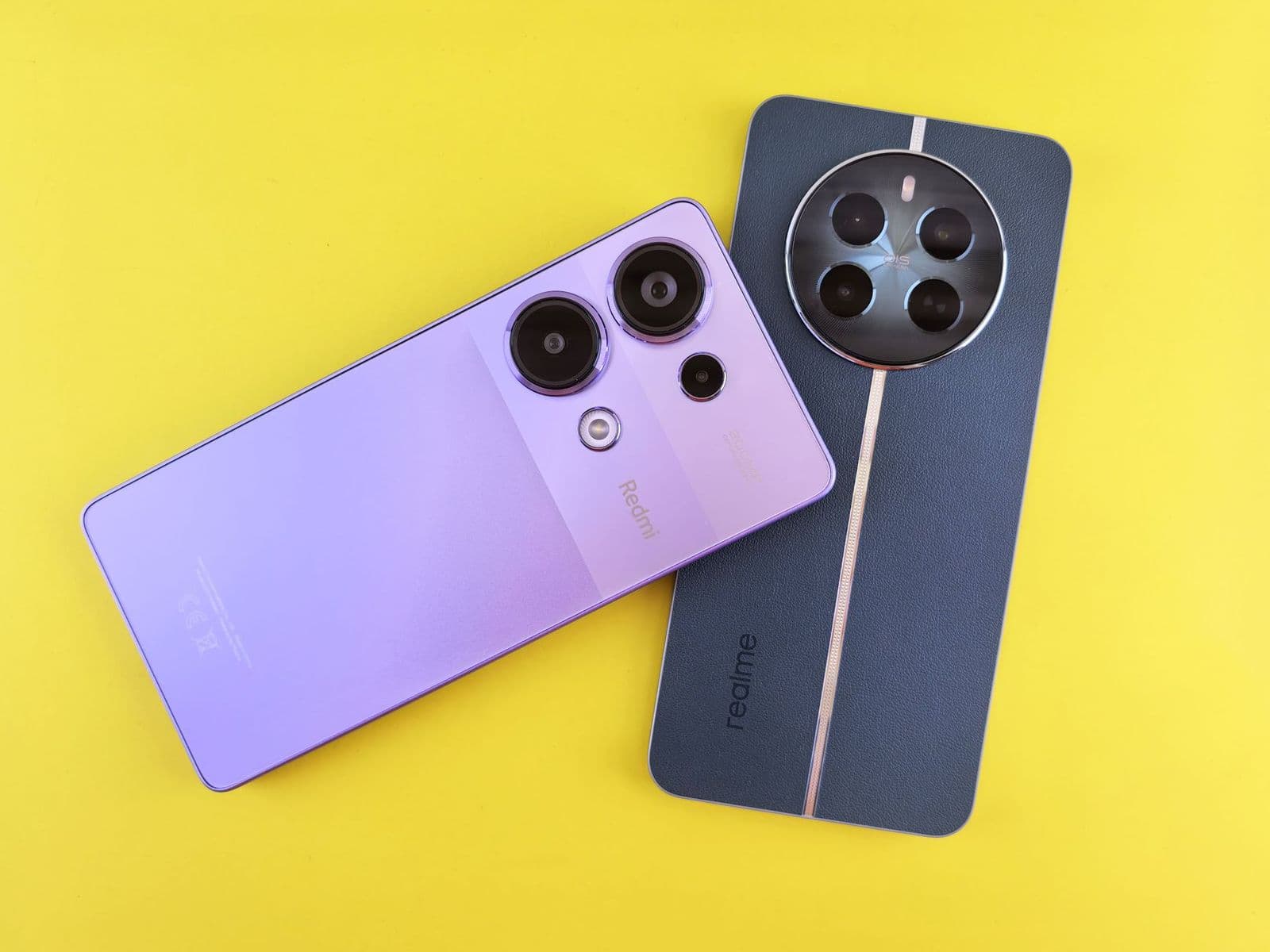
A budget based guide to the best aliexpress smartphones, explaining what each price tier delivers, which features matter, and what to check before importing.
Phones sold on AliExpress span an enormous price range, from basic handsets under $100 to flagship level hardware that rivals big name brands. The hard part is knowing where extra money actually improves your day and where it only buys a nicer spec sheet. This guide to the best aliexpress smartphones sorts the market by budget, so you can match your spending to the features you will truly notice.
Importing a phone also adds checks you never face at a local store, such as carrier band support and software region. We will cover those checks alongside the usual camera, display, and battery questions. Use the tiers here to judge whether a listing deserves its price.
Three Budget Profiles to Know
Models change every few months, so use these three tier profiles to judge any listing you find. A phone that matches its tier profile on bands, storage, and update support is a sound buy, whatever badge it carries.
Budget Profile
The budget profile, around $100 to $180, suits first phones, backup phones, and light users who mainly call, message, and browse. Look for at least 128 GB of storage, a large battery, and a clean software build with your language included. Expect a plastic body, a single useful main camera, and slower charging. The main limitation is longevity, since budget phones often receive few updates. If the listing cannot confirm the network bands for your carrier, skip it, because a cheap phone that drops signal is no bargain. Shoppers hunting value can compare this profile with our guide to the best bargain smartphones for more price focused checks.
Midrange Profile
The midrange profile, around $200 to $350, is where imported phones shine brightest. At this level you should expect an OLED display with a fast refresh rate, a capable main camera with night mode, and 256 GB of storage. Performance handles games and multitasking without stutter for most people. The trade off is usually a shorter update promise and no wireless charging. For most buyers, this tier delivers about ninety percent of the flagship experience for half the money, which makes it the default recommendation in this guide.
Premium Profile
The premium profile, around $400 to $700, buys you a top tier processor, a versatile camera set with a telephoto lens, and fast wired charging. Build quality jumps too, with metal frames and rated water resistance appearing at this level. The limitation is support, because even costly imports may lack a local service network if something fails. Buy premium only when the camera or display gap is one you will notice weekly. Otherwise the midrange tier keeps the smarter money. To see how imports stack up against mainstream models overall, read our guide to the best smartphones ranked across all price bands.
What Your Money Gets You at Each Price Tier
Budget Tier: What to Expect
Budget phones give you a big screen, a big battery, and basic cameras, and they ask you to accept slower storage and modest low light photos. Screens are usually LCD rather than OLED, so blacks look gray in a dark room. Software may include extra preinstalled apps you should remove during setup. This tier fits kids, delivery drivers who need a spare handset, and anyone whose phone use is mostly calls, maps, and social apps. Prioritize battery size and storage over camera megapixel counts, which mean little at this price.
Midrange Tier: The Sweet Spot for Most Buyers
Midrange phones add the features people actually feel: bright OLED displays, smooth scrolling, reliable fingerprint readers, and cameras that handle evening photos respectably. Stereo speakers and fast charging around 30 minutes to near full are common. You give up the best zoom lenses and the longest update windows. If you keep a phone for three years and use it for everything, this is the tier to shop first. It is also the tier where checking the exact software version matters most, since global and domestic builds differ widely.
Premium Tier: When Spending More Pays Off
Premium money buys refinement rather than basic ability. You get brighter displays for outdoor work, better vibration motors, stronger zoom cameras, and faster data speeds. Video recording quality improves the most, which matters if you film family events or content for work. Spending more pays off when your phone is your main camera and your main work tool. It pays off least when you mostly stream video and chat, because midrange hardware already does those jobs smoothly. Folding designs live in this tier too, and our guide to the best flip smartphones explains that format if a compact fold appeals to you.
Features Worth Paying For (and Ones to Skip)
Camera System
Judge cameras by the main sensor and its low light results, not by the number of lenses. Many budget listings add near useless macro and depth lenses to inflate the count. A good main camera with night mode plus an ultrawide covers most real shooting. A telephoto lens is worth paying for only at the premium tier, where optical zoom stays sharp. If photography is your top priority, our guide to the best smartphones with good camera explains sensor size and processing in more depth.
Build, Durability, and Water Resistance
An IP68 rating means the phone survived controlled dust and water tests, and it gives real peace of mind around pools and rain. Lower ratings like IP54 cover splashes only. Strong display glass matters more day to day, because drops crack screens far more often than water kills phones. A good case and a glass protector still beat any rating. Note that water damage is excluded from almost every warranty, including on rated phones, so treat resistance as insurance rather than permission to swim with your phone.
Storage Options
Choose 256 GB if you shoot video, download shows, or keep a phone longer than two years. Choose 128 GB only if your photos live in cloud storage and your app list is short. A microSD slot, common on budget models, helps for media files but cannot hold most apps. Remember that the system and preinstalled apps consume part of the stated capacity, so a nearly full 128 GB phone slows down sooner than you expect. Storage is the one spec you can never upgrade later.
Display Size and Quality
An OLED panel gives deeper contrast and better battery life on dark themes than an LCD at any price. A 120 Hz refresh rate makes scrolling feel smoother, and once you use it daily, 60 Hz feels sluggish. Brightness decides outdoor comfort, so look for high stated peak brightness if you work outside. Size is personal: large screens suit video and reading, while smaller phones fit one handed use and tight pockets. If one handed comfort matters most, our guide to the best compact smartphones covers smaller options and their trade offs.
Software Updates and Support Window
Updates decide how long an imported phone stays safe and compatible with banking and work apps. Premium brands now promise many years of security patches, while budget imports may promise none in writing. Check the listing and the brand site for a stated update policy before you pay. Also confirm the phone ships with a global software build that includes your language and the app store you expect. A phone stuck on old software becomes a liability long before its hardware wears out.
Long Term Costs to Factor In
The listing price is only the starting point. Add a case, a screen protector, and possibly a charger, since many phones now ship without one in the box. Consider import taxes or delivery fees for your country, which vary and can surprise you at checkout or delivery. Warranty repairs may require shipping the phone back at your cost, so a slightly higher local price can be cheaper over the phone's life. Finally, factor in replacement batteries and the resale value at upgrade time. A midrange phone kept for three full years usually costs less per year than a budget phone replaced every eighteen months.
FAQs
Should I buy unlocked?
Yes, an unlocked phone is the right choice for almost every AliExpress purchase. Unlocked means you can use any compatible carrier and switch plans freely, which matters when traveling or changing providers. The real check is band support, because unlocked does not guarantee your carrier's main 4G and 5G bands are included. Compare the listing band list with your carrier's published bands before ordering, and you will avoid the most common import disappointment.
Do I need 5G?
For most people, 5G is nice but not essential today. It helps in crowded cities and busy venues where 4G slows down, and it future proofs a phone you plan to keep for years. Rural coverage still leans on 4G in many regions. If the choice is between 5G and more storage at the same price, take the storage. Just confirm that any 5G phone you import supports the specific 5G bands your carrier actually uses.
Is a mid range phone good enough?
Yes, for the large majority of buyers a mid range phone is good enough. It handles messaging, video, navigation, photography, and most games without frustration. You give up the best zoom, the brightest screens, and the longest update support. If those three things are not weekly needs for you, the money saved is better spent on storage, a good case, or simply kept. Most returns and regrets come from buying too little storage, not too little power.
How much storage do I need?
Most people should start at 256 GB. Photos and videos grow every year, messaging apps quietly store media, and offline downloads add up on trips. Light users who stream everything and clear photos to the cloud can live with 128 GB. Heavy video shooters should consider 512 GB, because 4K clips fill space fast. Whatever you choose, leave comfortable headroom, since a phone with nearly full storage updates poorly and feels slower over time.
How many years of updates should a phone get?
Aim for at least three years of security updates, and more if you keep phones a long time. Security patches protect banking, email, and payment apps, which makes them more important than feature updates. Premium models from major brands now offer far longer windows, while small import brands may offer one year or none stated. If a listing and the brand site both stay silent on updates, assume the window is short and price that risk into your decision.
Wrapping Up
Decide your tier first, then verify bands, storage, and update support before you fall for a camera claim. For most readers, the best aliexpress smartphones sit in the midrange, where OLED displays and capable cameras meet fair prices. Compare your finalists against those checks, and your import will feel like a smart buy long after it arrives.