Best Affordable Bookshelf Speakers Buying Guide 2026
Disclosure: We may earn a commission when you buy through links on this page, at no extra cost to you. As an Amazon Associate I earn from qualifying purchases. Learn more

Compare affordable bookshelf speakers for desks, bedrooms and small rooms on sound balance, size, inputs and value.
Choosing best affordable bookshelf speakers is about finding full, clear sound without paying for large floor standing cabinets. A good bookshelf pair fills a desk, a bedroom, or a small living room with balanced music, clear dialogue, and enough bass for everyday listening. The challenge is sorting genuine value from bargain models that sound thin or harsh.
The comparison table below brings the main options together, but placement, inputs, and amplification shape the result as much as the speakers themselves. The sections below explain how to judge sound, size, and connections so the pair you buy fits both your room and your existing equipment.

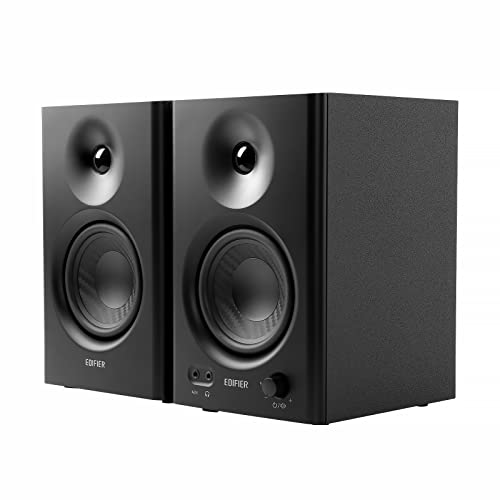

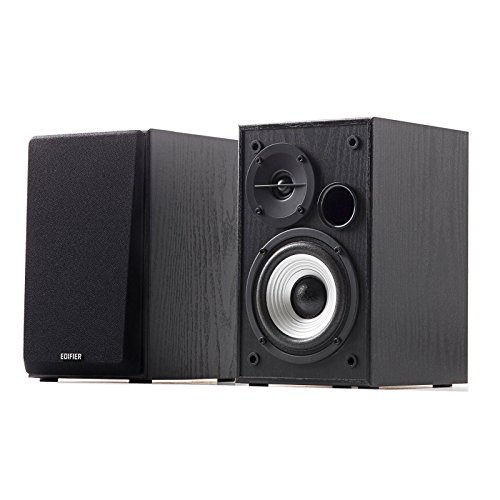

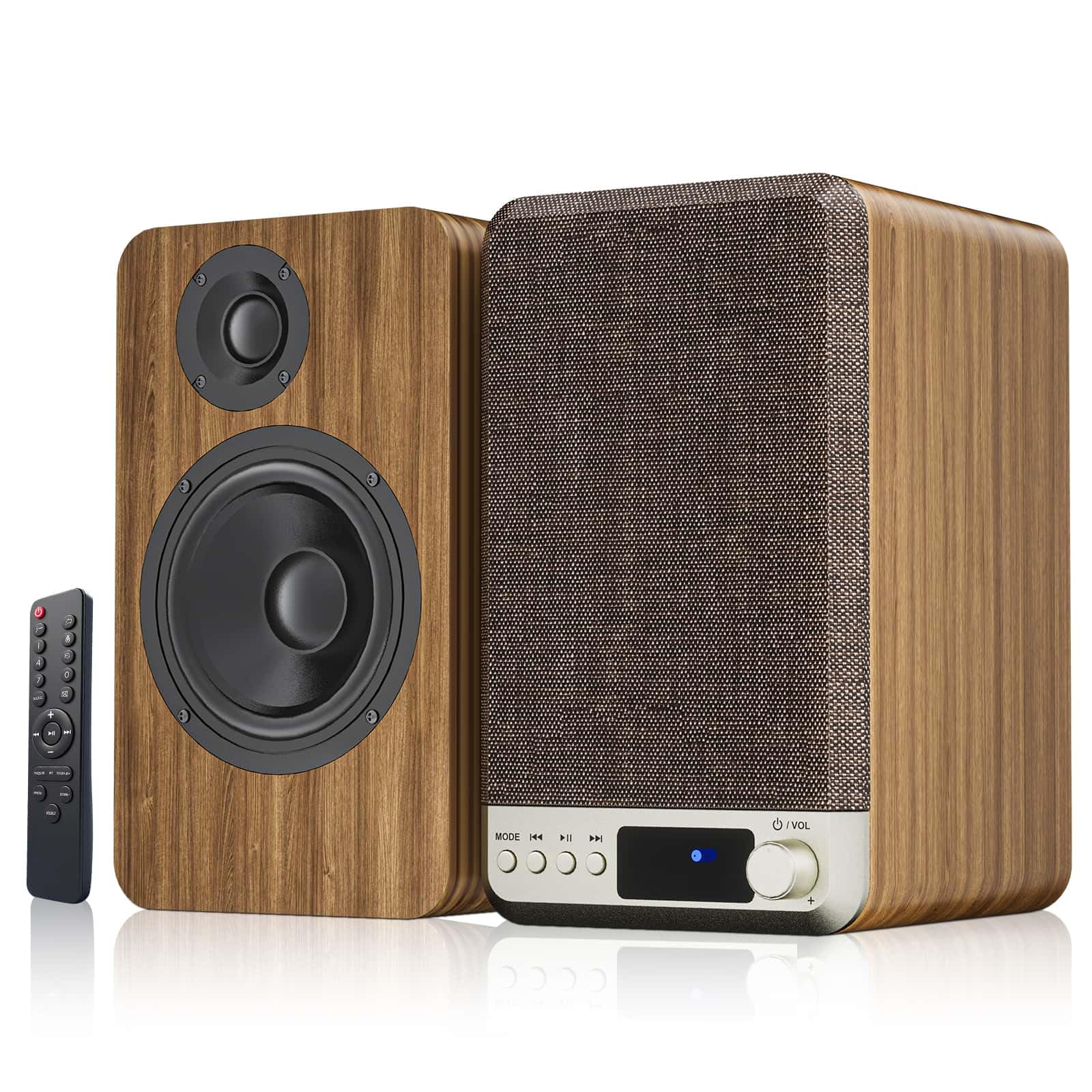

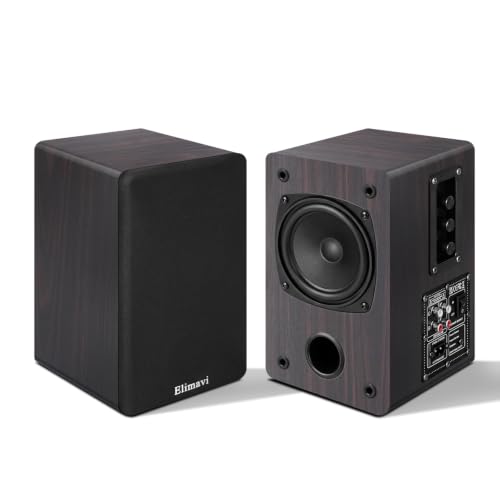
Who Should Buy This Type
Bookshelf speakers suit desk listeners, bedroom listeners, and small room music lovers who want better sound than a soundbar or a portable speaker without a large setup. They also suit first time hi fi buyers who want a simple stereo pair that can grow with a better amplifier later. If you need deep bass for large parties, add a subwoofer or consider larger speakers.
Buyers with a turntable, a computer, or a TV will benefit most, since bookshelf speakers connect easily to these sources through an amplifier or a powered design. Measure shelf depth and wall distance before buying, since rear ported models need breathing room to sound their best. A little planning here prevents boomy or thin sound later.
Key Features to Compare
Sound balance is the core test. A good affordable pair keeps vocals natural, treble smooth, and bass controlled rather than boomy. Driver size affects bass depth, while tweeter design affects clarity and listening fatigue. Cabinets that feel solid and well braced usually sound cleaner than thin, resonant boxes.
Powered speakers include amplification and often Bluetooth, which simplifies setup for desks and bedrooms. Passive speakers need a separate amplifier but offer more upgrade flexibility. Check inputs, including Bluetooth, optical, auxiliary, and USB, against your sources. Sensitivity and impedance matter for passive models, since they decide how much amplifier power you need.
- Sound balance and vocal clarity
- Driver size and bass control
- Powered or passive design
- Inputs for your sources
- Cabinet build and size
Types Compared
Powered bookshelf speakers suit desks and simple rooms, with built in amplification and often a remote control. Passive bookshelf speakers suit hi fi systems, where an amplifier or receiver drives them and future upgrades stay easy. Nearfield models are tuned for close desk listening, while room models are tuned for listening from a sofa.
Front ported models work better close to a wall, since the port breathes forward rather than into the wall. Rear ported models often sound fuller with space behind them. Sealed models can sound tighter but may offer less bass depth. Placement flexibility often decides between these types more than a single specification.
Budget and Long Term Value
Affordable bookshelf speakers can sound excellent when tuning is careful, and the best value often sits in the middle of the affordable range rather than at the lowest price. Very cheap models may cut corners on drivers and cabinets, which shows up as harsh treble or muddy bass. Spending a little more usually buys cleaner sound that stays enjoyable for years.
Factor in stands or isolation pads, which improve sound by reducing vibration and raising tweeters to ear height. For passive models, factor in amplifier cost too. A well matched pair and amplifier combination beats an expensive speaker driven poorly, so budget for the whole system rather than the speakers alone.
Common Mistakes to Avoid
A common mistake is placing bookshelf speakers inside a closed cabinet or hard against a wall without checking port design, which muddies bass and narrows the soundstage. Give rear ported models space, and use stands when possible. Another mistake is judging speakers only by bass quantity, since boomy bass can mask vocals and cause fatigue.
A third mistake is mismatching passive speakers and amplifiers, either underpowering them or driving them into distortion. Check sensitivity and recommended power range, and listen at normal volumes rather than at maximum. A balanced system at moderate volume usually sounds better than a loud system pushed too hard.
Care and Everyday Use
Keep speakers away from direct sunlight and damp rooms, which can warp cabinets and age drivers. Dust grilles gently and avoid poking tweeters, which dent easily. Check cables yearly for wear, and keep connections tight, since loose cables cause crackle and channel imbalance.
Position tweeters near ear height and angle speakers slightly toward the listening seat for the best stereo image. Experiment with toe in and wall distance in small steps, since a few centimetres can change bass and clarity noticeably. A patient setup session pays off every time you listen.
Related Guides Worth Reading Next
If you want to compare a neighbouring option, read our guide to best bookshelf speakers, which covers the same kind of buying decision from a slightly different angle and can help you narrow the shortlist.
If you want to compare a neighbouring option, read our guide to best affordable speakers, which covers the same kind of buying decision from a slightly different angle and can help you narrow the shortlist.
If you want to compare a neighbouring option, read our guide to best affordable bluetooth speakers, which covers the same kind of buying decision from a slightly different angle and can help you narrow the shortlist.
If you want to compare a neighbouring option, read our guide to best affordable pc speakers, which covers the same kind of buying decision from a slightly different angle and can help you narrow the shortlist.
If you want to compare a neighbouring option, read our guide to best affordable studio speakers, which covers the same kind of buying decision from a slightly different angle and can help you narrow the shortlist.
A Closer Look Before You Decide
Stands and isolation make a larger difference than many buyers expect, because a speaker sitting directly on a hollow shelf or a resonant desk loses bass control and clarity. A solid stand that raises tweeters to ear height, or isolation pads that decouple the cabinet from the surface, tightens bass and widens the stereo image noticeably. Experiment with a few centimetres of height and distance before deciding the sound is fixed.
For passive models, amplifier matching deserves a calm second look rather than a rushed pairing. A modest amplifier with clean power at normal listening volumes usually sounds better than a powerful amplifier driven hard into distortion, and sensitivity ratings tell you how much power the speaker actually needs. Listen at your usual volume with familiar music, and check that quiet passages stay clear without hiss or hum from the amplifier.
Frequently Asked Questions
Are bookshelf speakers good for a desk?
Yes, bookshelf speakers suit desks very well when sized for the space and placed with tweeters near ear height. Nearfield models are tuned for close listening and avoid overwhelming a small workspace. Use isolation pads to reduce desk vibration, and keep the speakers clear of monitors and walls for the cleanest sound.
Do I need an amplifier?
Powered bookshelf speakers include amplification, so they connect directly to a phone, computer, or TV. Passive bookshelf speakers need a separate amplifier or receiver. Powered models simplify setup, while passive models offer more upgrade flexibility. Choose based on whether you already own an amplifier and whether you plan to upgrade later.
How much bass can I expect?
Bookshelf speakers offer satisfying bass for music and films in a small room, but they cannot match large floor speakers or a subwoofer for deep bass. Driver size and cabinet design affect depth, and placement near a wall can boost bass. If deep bass matters most, budget for a subwoofer to complement the pair.
Where should I place bookshelf speakers?
Place them on stands or a solid shelf, with tweeters near ear height and a little space behind rear ported models. Angle them slightly toward your seat and keep them clear of corners when possible, since corners boost bass unevenly. Small adjustments to distance and angle often improve clarity more than new cables or accessories.
Are affordable bookshelf speakers worth it?
Yes, when tuning and build are careful. Many affordable pairs offer balanced sound that suits daily listening for years. The key is to compare sound balance, cabinet quality, and inputs rather than chasing the lowest price or the largest driver. A well chosen affordable pair often beats a poor premium pair for everyday enjoyment.
Final Thoughts
best affordable bookshelf speakers offer one of the best value routes to enjoyable home sound. Compare balance, design, and inputs against your room and sources, and give placement the attention it deserves. That careful approach delivers a pair you will enjoy daily.
The product table above brings the main options together, so use it beside the checklist in this guide when you compare size, features, and price before you order.