Best Affordable Lawn Mowers: A 2026 Checklist for Honest Value
Disclosure: We may earn a commission when you buy through links on this page, at no extra cost to you. As an Amazon Associate I earn from qualifying purchases. Learn more
A practical checklist for the best affordable lawn mowers, covering lawn size, power class, deck build, running costs and care.
A low price only helps if the mower still suits your lawn, your strength, and your storage space. The most reliable way to shop for best affordable lawn mowers is to work through a fixed checklist in a fixed order, because the early checks rule out whole groups of machines before price even enters the picture. This guide walks through that checklist step by step, then shows what each price band honestly buys.
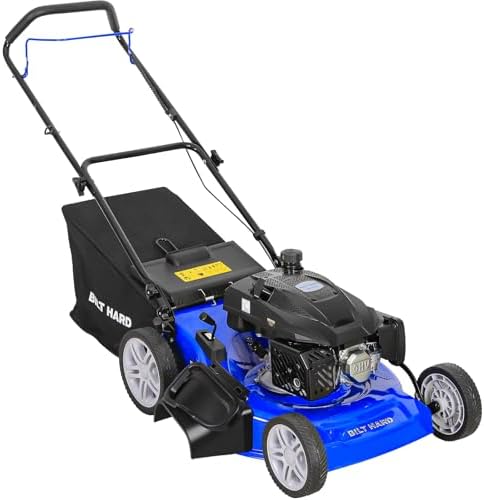
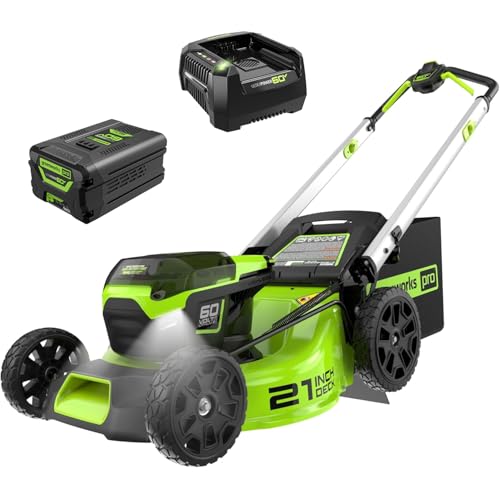
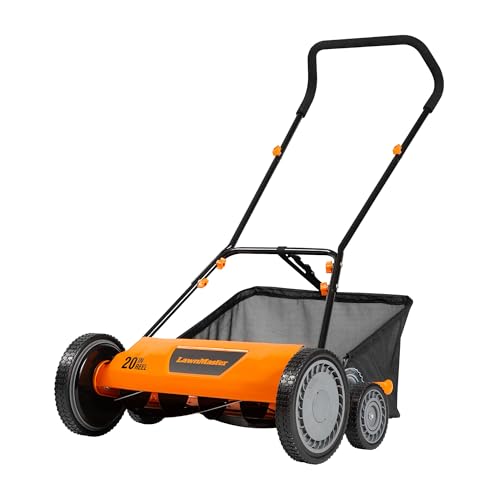
You will not find product reviews here, and no mower earns a place by brand name alone. The product table gathers a range of options in one place, and the sections after it explain how to judge each row against your own yard, your own routine, and your own budget.


The Checklist: What to Check and Why It Matters
Start With What a Budget Price Honestly Buys
The cheap end of the mower market trades three things away: cutting width, power headroom, and build weight. Decks get narrower, engines and motors get smaller, and wheels, handles, and height levers get simpler. None of that matters on a small, flat, well kept lawn, and all of it matters on thick or sloping grass.
The features worth protecting at any price are a sound blade, a deck that is not paper thin, and wheels that roll true. Decorative extras are the first things to give up.
Check One: Measure Your Lawn Before Anything Else
Lawn size decides deck width, power class, and whether you push or let the mower drive itself. A flat lawn under about a quarter acre suits a 20 or 21 inch push deck and the lowest prices in this guide. Between about a quarter and half an acre, a wider deck or self propulsion starts paying for itself in saved passes and saved effort. Rough patches, thick weeds, and long grass between cuts all push you one class up, because an affordable mower working at its limit wears out sooner.
Check Two: Pick the Power Class That Fits the Yard
Petrol mowers give strong cutting power and unlimited runtime, and in return they ask for fuel, oil changes, spark plug care, and more noise. Battery mowers run quietly with almost no routine upkeep, but runtime is fixed by the pack, and the battery itself is a large share of what the machine costs. Corded electric mowers are the lightest and cheapest to run, yet the cord limits reach to about 100 feet from an outlet and needs constant management. Match the class to the lawn first, then compare prices inside that class.
Check Three: Deck Material and Build
Steel decks feel solid and shrug off knocks from stones and roots, but chipped paint left alone through a wet winter turns into rust. Composite decks never rust and keep the mower lighter to push and lift, though they flex more under hard use. Look at the wheels as part of the build check: larger rear wheels roll over rough ground and ruts with far less shoving. A handle that folds flat is worth real money if the mower lives in a crowded garage corner.
Check Four: How the Mower Handles Clippings
Mulching chops clippings finely and drops them back as feed, and it works best when you cut often and never take off too much at once. Bagging keeps a tidy finish and collects leaves and debris, at the cost of stopping to empty the bag. Side discharge throws clippings clear and handles tall, overgrown grass better than either other mode. Many affordable mowers offer all three modes on one deck, and that flexibility is worth more than a small price saving on a single mode machine.
Check Five: Engine Output or Battery Runtime Numbers
On petrol models, engine size in cubic centimeters is a rough guide to cutting strength in thick grass. On battery models, voltage classes run from about 40 volts to about 80 volts, and amp hours tell you how much charge the pack holds. Treat printed runtime figures as best case numbers measured on light grass, and plan on noticeably less in heavy growth. If your lawn sits near the top of a pack's claimed area, budget for a second battery from the start rather than discovering the shortfall in June.
Check Six: Slopes and Uneven Ground
Gentle slopes are fine for most walk behind mowers when you mow across the slope rather than up and down it, keeping your feet on the higher side of the machine. Always follow the maker's own guidance for the steepest ground your model should work on, because traction and engine oiling both have limits. Steep banks, deep ruts, and wet grass on a hill are reasons to step up a class or change how the area is cut. No affordable mower makes genuinely steep ground safe, so treat slope honesty as part of the checklist.
Check Seven: Noise, Storage, and Upkeep
Petrol mowers are the loudest option and the only class that needs oil, filters, and winter fuel care. Battery models store cleanly indoors and ask mainly for blade care and sensible charging habits. Corded models are light to hang on a wall hook but need a dry home for the cord.
Measure your storage space before you buy, because a mower that will not fit through the gate or into the shed is a poor bargain at any price. Upkeep time is a real cost, so count it alongside the ticket price.
Know Which Mower Classes Sit Outside This Checklist
This checklist covers walk behind mowers only, and several larger classes solve different problems. Homeowners with a big, flat lawn may be better served by the best affordable riding lawn mowers, which trade walking effort for a seat and a much higher price. The best ztr lawn mowers turn in place and cut large open areas quickly, but they are a different tool class with different slope limits.
A traditional lawn tractor, covered in our guide to the best tractor lawn mowers, suits towing and rough acreage. For small lawns, the best automatic lawn mowers cut little and often on their own, which is a different ownership idea altogether.
What the Best Affordable Lawn Mowers Buy at Each Price Band
Prices move with the seasons, so if your old mower can last a few more weeks, read our guide to the best time to purchase lawn mowers before paying full price. Across the year, though, the best affordable lawn mowers fall into three bands with clear differences in width, drive, and build.
The Entry Band: About $150 to $300
This band covers push mowers with no drive assistance, corded electric models, and small petrol machines with basic decks. Height adjustment may mean moving each wheel by hand, and bags are smaller. For a small, flat lawn cut every week, this band is genuinely enough, and the savings are real. The compromise shows up in thick grass, where a small engine or motor slows you down and asks for a second pass.
The Middle Band: About $300 to $500
The middle band is where self propulsion appears, decks gain a little width, and battery packs grow large enough for a typical suburban lawn. Three mode decks that mulch, bag, and discharge are common here, as are single lever height adjustment and folding handles. Build quality takes a visible step up in wheels, levers, and deck finish. For most buyers with a midsize lawn, this band is the honest sweet spot between price and working life.
The Upper End of Affordable: About $500 to $700
Above about $500, affordable stops meaning basic and starts meaning lightly equipped. Expect wider decks, stronger self propulsion, larger or paired batteries on electric models, and better rust protection on steel decks. Commercial style touches such as sealed wheel bearings appear on some machines in this band. The law of diminishing returns still applies, so buy this band for width, drive strength, or battery capacity you will actually use, not for a longer feature list.
Quick Buyer Checklist
Run through these questions before you pay. A mower that answers yes to every line that applies to your yard is a sound buy, whatever its price.
- Is the deck wide enough for my lawn size without making the mower too heavy to handle?
- Does the power class match my lawn, my storage space, and my tolerance for upkeep?
- Can the mower mulch, bag, or discharge the way my lawn actually needs?
- Is the claimed runtime or engine size honest headroom for my thickest grass?
- Do the wheels and deck suit my slopes, ruts, and rough patches?
- Will it fit through my gate and into my storage space with the handle folded?
- Have I counted blades, fuel or oil, and a possible second battery in the true cost?
Red Flags That Should Stop a Purchase
- Vague power claims. A listing that hides engine size or battery capacity behind slogans is telling you the numbers are weak.
- No stated warranty terms. Affordable mowers still carry written warranties, and a seller who will not state the term is a risk.
- Impossibly light weight for the deck size. Very light usually means a very thin deck and small wheels that will struggle on rough ground.
- Runtime claims with no area figure. Minutes alone mean little, because makers measure on light grass at easy pace.
- Missing safety basics. Every mower should have a working blade brake or dead man control that stops the blade when you release the handle.
Safety Rules That Come Before the First Cut
Read the manual for your mower before the first use, even if you have mowed for years, because controls and safety devices differ between classes. Walk the lawn and clear stones, sticks, toys, and other debris before starting, since a blade throws objects with real force. Keep children and pets well away from the mowing area until the machine is off and put away. Never pull a mower backward toward your feet, and keep a firm footing on slopes so the machine cannot roll back onto you.
Stop the engine or motor and disable the machine before clearing a clog, unblocking the discharge chute, or touching anything near the blade, and wait for the blade to stop fully. Refuel only outdoors, only on a cool engine, and never near a flame or a running motor. Wear eye protection, ear protection with petrol models, and closed shoes with a firm grip rather than sandals. Follow the maker's instructions for battery charging and storage, and retire a damaged battery pack instead of coaxing more life from it.
Care Habits That Stretch a Budget Mower
Sharpen the blade at least once each season, because a sharp blade cuts cleanly and asks less of the engine or battery. Never cut more than one third of the grass blade in a single pass, since scalping stresses the lawn and clogs the deck. Scrape grass buildup from under the deck with the machine disabled, and store battery packs indoors through winter at the charge level the maker advises. Petrol models last longer with fresh fuel, a clean air filter, and oil changed on the maker's schedule.
Frequently Asked Questions
Is a zero turn mower worth it for one acre?
For most one acre lawns, no, because a midsize walk behind mower covers that area in reasonable time without the purchase and upkeep cost of a zero turn machine. Zero turn mowers earn their price on larger, open, mostly flat ground where their turning speed cuts real minutes. They also need practice, since fast turns can tear turf, and they lose traction on slopes sooner than a walk behind mower does.
What size mower do I need for my yard?
A 20 or 21 inch deck suits lawns up to about a quarter acre, and a wider deck or self propulsion suits the quarter to half acre range. Total area is only half the answer, because narrow gates, tight corners, and strips between beds slow a wide mower down. Measure your narrowest gate before you buy, since a deck that cannot pass through it turns a bargain into a problem.
Are battery mowers as good as gas mowers?
Battery mowers cut just as cleanly as gas mowers on a lawn that is cut regularly, and they win on noise, starting, and upkeep. The honest difference shows in thick, wet, overgrown grass, where a petrol engine holds its cutting speed longer. Runtime is the other dividing line: a single pack covers a small or midsize lawn, while larger lawns need a second pack whose price belongs in your budget from day one.
How long does an affordable lawn mower last?
A well kept affordable mower typically lasts about 8 to 10 years of home use, and neglected ones often fail far sooner. In practice, decks rusting through and wheels or cables wearing out end more budget mowers than engine failure does. Blade care, deck cleaning, dry storage, and one oil change a year on petrol models are the habits that decide which end of that range you get.
How often should I sharpen mower blades?
Sharpen at least once a season, and twice if your lawn has sandy soil, sticks, or rough patches that nick the edge. The clearest sign of a dull blade is grass tips that look torn and turn brown a day or two after cutting. A dull blade also makes the engine or motor work harder, so sharpening protects the machine as well as the lawn.
Final Thoughts
The checks that matter most are lawn size, power class, and honest running costs, in that order. Match those three to your yard and the product table above becomes a simple price comparison instead of a gamble. Chosen that way, the best affordable lawn mowers are not the cheapest machines on the page, but the ones whose width, power, and upkeep fit the lawn you actually own.