Best Affordable Professional Cameras: A Buyer Checklist for 2026
Disclosure: We may earn a commission when you buy through links on this page, at no extra cost to you. As an Amazon Associate I earn from qualifying purchases. Learn more

Run this buyer checklist before choosing affordable professional cameras: sensor size, low light strength, battery life, sealing, used risks and kit cost.
Professional work on a modest budget is less about finding a magic body and more about checking the right boxes in the right order. This checklist walks through the best affordable professional cameras the way working photographers actually judge them: total kit cost first, then sensor, low light strength, battery life, build and the risks of buying used.
Run each section against any body you are considering, and use the comparison table below to line up the candidates side by side. A camera that passes every box below will earn its keep on paid work, even if its badge carries last season's name.





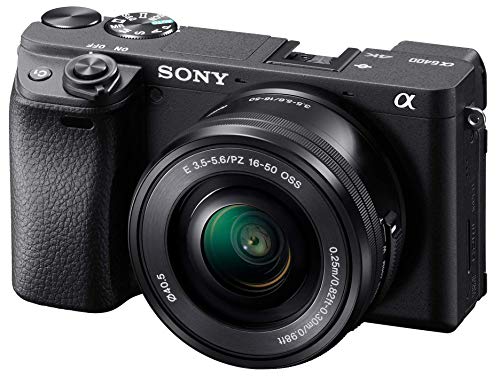

The Checklist: What to Compare First
Work through these criteria in order. The early boxes eliminate more bad buys than the later ones, because money mistakes are harder to undo than spec compromises.
Budget the Whole Kit, Not Just the Body
The first checklist box is the one most buyers skip: a camera body is only part of a system spend. A working kit includes at least one versatile lens, a light or a plan to rent one, cards, batteries and a bag, and those items often add half again to the body price. Shoppers pricing a full working setup can cross check best affordable cameras for professional photography for the photography side of the kit. Set the total number first, then let the body take what is left.
What You Can Realistically Get on a Budget
Around $600 to $1,200 buys a capable professional class body once you include older and used options, and the trade offs are predictable. You give up the newest autofocus tricks, the toughest sealing and sometimes a second card slot, while keeping the sensor quality clients actually pay for. Comparing against best professional cameras at full price shows exactly which refinements the savings cost you.
For a wider scan of the budget shelf, best cameras affordable covers the lower rungs. Never skimp on dual card slots if you shoot events you cannot repeat.
Sensor Size and Image Quality
Sensor size governs low light results more than any other single spec, because a larger sensor gathers more light for the same exposure. Full frame bodies lead at weddings and evening events, APS C bodies close much of the gap in good light, and smaller sensors ask more of your lenses and lighting. Megapixel counts matter mainly for large prints and heavy cropping, so treat them as a secondary box. A clean file at a high ISO setting is worth more to a working photographer than a huge file that falls apart in the shadows.
Battery Life and Charging
Check the rated shots per charge, then plan as if real days deliver less, since screens, cold weather and video all drain faster than stills. Mirrorless bodies commonly land around 300 to 600 shots per charge, so two spare batteries is a working minimum for a full event day. USB C charging earns a tick on the checklist because a power bank in your bag can rescue a long shoot. Hybrid shooters should also weigh the video side of the ledger, where best affordable professional video cameras face the same battery math with higher stakes.
Build, Weight and Weather Sealing
A body you carry for eight hours must fit your hands as well as your bag, so weight and grip shape belong on the checklist beside the specification sheet. Weather sealing is a class of protection rather than a promise: sealed bodies shrug off drizzle and dust that would end a shoot for an unsealed one, but none of them belong in a downpour without cover. Magnesium alloy shells and reinforced mounts survive knocks better than basic plastic builds. If your work is outdoors, weight your scoring toward sealing and build.
Three Honest Ways to Stretch the Budget
Once a body passes the checklist, these three habits decide how far the same money goes. None of them requires luck, and all three are standard practice among working photographers.
Buy Used With a Shutter Count Check
The used market is the honest affordable pro route, because working bodies are built to outlast their first owners by a wide margin. The key figure is the shutter count: it governs used risk the way mileage governs a car, and a body near its rated shutter life deserves a steep discount or a pass. Ask for the count in writing, inspect the sensor at a narrow aperture for spots, and buy only where a return window exists. A clean used body one class up usually beats a new body one class down.
Spend on Lenses Before Bodies
Bodies age quickly while good lenses hold their value and their image quality for a decade or more. A modest body behind a fast prime lens will outshoot an expensive body behind a slow kit zoom in the low light work that fills most paid calendars. Put the larger share of the kit budget into glass, especially the focal lengths your jobs actually use. This order also protects you later, because lenses usually carry across when you change bodies within the same mount.
Rent Before You Commit
A weekend rental costs a small fraction of a purchase and answers questions no spec sheet can, such as how the grip feels at hour six and whether the menus slow you down. Rent the exact class of body you plan to buy and shoot a realistic job with it, not a walk in the park. Rental houses also reveal which accessories you truly need before you pay for them. Treat the rental fee as insurance against the most expensive mistake in this category: owning the wrong system.
Quick Buyer Checklist
- Is the total kit cost, body plus lens plus light, inside your budget?
- Does the sensor size suit your typical light, not your best light?
- Does the body record to two card slots for work you cannot reshoot?
- Can you afford two spare batteries and fast cards on day one?
- Is the shutter count verified in writing if you are buying used?
- Does the mount give you a lens upgrade path you can actually afford?
- Is there a return window long enough to test the camera on a real job?
Red Flags to Watch For
- Vague listings that hide the shutter count, sensor condition or exact variant of the body.
- Prices far below every other seller, which often signal grey market stock with no local warranty.
- Bundles padded with soft cases, tripods and filters of little value to inflate the headline deal.
- Older bodies sold without any return window, a common pattern in listings for best affordable digital cameras at the very bottom of the market.
- Sellers who resist a video call or extra photos of the sensor and mount contacts.
How to Make Your Professional Camera Last Longer
Clean the lens with a proper lens cloth rather than a shirt, since grit trapped in fabric scratches coatings over time. Carry a spare battery and rotate your set so no single battery takes every cycle. Store the body in a dry, padded bag away from radiators and car boots, and use silica gel packs if your climate is humid. A sensor inspection once or twice a year catches dust before it reaches client work.
Professional Cameras: Your Questions Answered
How much should a first professional camera kit cost in total?
A realistic first kit lands around $1,000 to $2,000 once the body, one or two lenses, cards, batteries and a bag are counted together. The split matters more than the total: putting about half into the body and half into everything else prevents the common trap of a strong body with nothing to shoot through. Used bodies stretch the same money noticeably further. Build the list in writing before shopping so accessory costs stop surprising you at checkout.
Is a smartphone enough instead of a professional camera?
A smartphone handles casual sharing well, but paid work usually demands things it cannot offer: interchangeable lenses, reliable low light files, dual card backup and files that hold up in large prints. Clients also judge the delivery, and a dedicated camera gives you control over depth of field and flash that a phone cannot match. Keep the phone as a backup and a behind the scenes tool. For deliverable client work, the checklist in this guide exists for a reason.
Which sensor size suits low light event work?
Full frame sensors hold the edge at evening events, but the lens deserves equal credit: a fast prime with a wide aperture can give an APS C body the light it needs to compete. Judge the pairing, not the sensor alone, and check sample files at the ISO settings your venues force on you. Clean high ISO files plus a fast lens beat a bigger sensor behind a slow zoom. That combination is where most of the low light battle is won.
Is a used professional camera a risky buy?
A used professional body is a manageable risk when you verify three things: the shutter count against its rated life, the sensor for spots at narrow apertures, and the seller's return terms. Bodies from working photographers often show honest wear on the shell while the internals stay sound. Buying from a dealer who grades and warranties used stock costs a little more and removes most of the gamble. The savings over new prices routinely fund a better lens.
How many lenses does a working kit really need?
Two lenses cover most paid work: one versatile zoom for range and one fast prime for low light and portraits. That pairing handles events, portraits and product shots without a bag full of glass you rarely mount. Add a third lens only when a recurring job demands it, such as a true macro or a long telephoto for sports. Each lens you skip is money that can upgrade the two you use daily.
Wrapping Up
Three boxes decide this purchase: the total kit cost, the sensor and lens pairing for your light, and a verified shutter count if you buy used. Tick those honestly and the best affordable professional cameras stop being a gamble and become a tool that pays for itself. Compare your finalists in the product table above, and let the checklist overrule any headline discount.