Best Affordable Digital Cameras in 2026: A Budget Guide
Disclosure: We may earn a commission when you buy through links on this page, at no extra cost to you. As an Amazon Associate I earn from qualifying purchases. Learn more

Compare the best affordable digital cameras by budget band, sensor size and lens quality, with honest notes on kit costs and where extra spending stops helping.
A low sticker price means little if the camera sits in a drawer because the photos look no better than phone shots. The best affordable digital cameras earn their price by beating a phone in the moments that matter to you, whether that is a school play under dim lights or a hiking trip where a zoom lens pulls distant views closer. This guide works through what each budget band honestly buys, so you can stop at the band that fits instead of paying for features you will never touch.
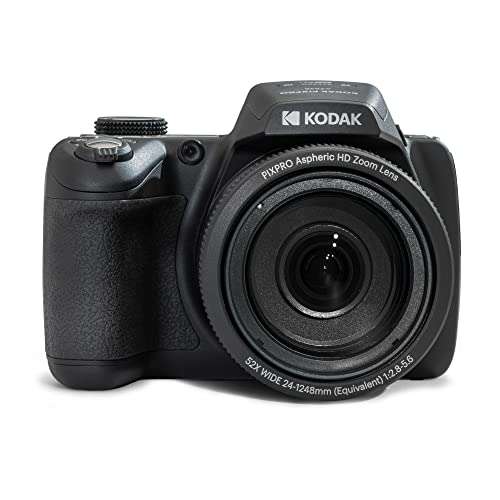
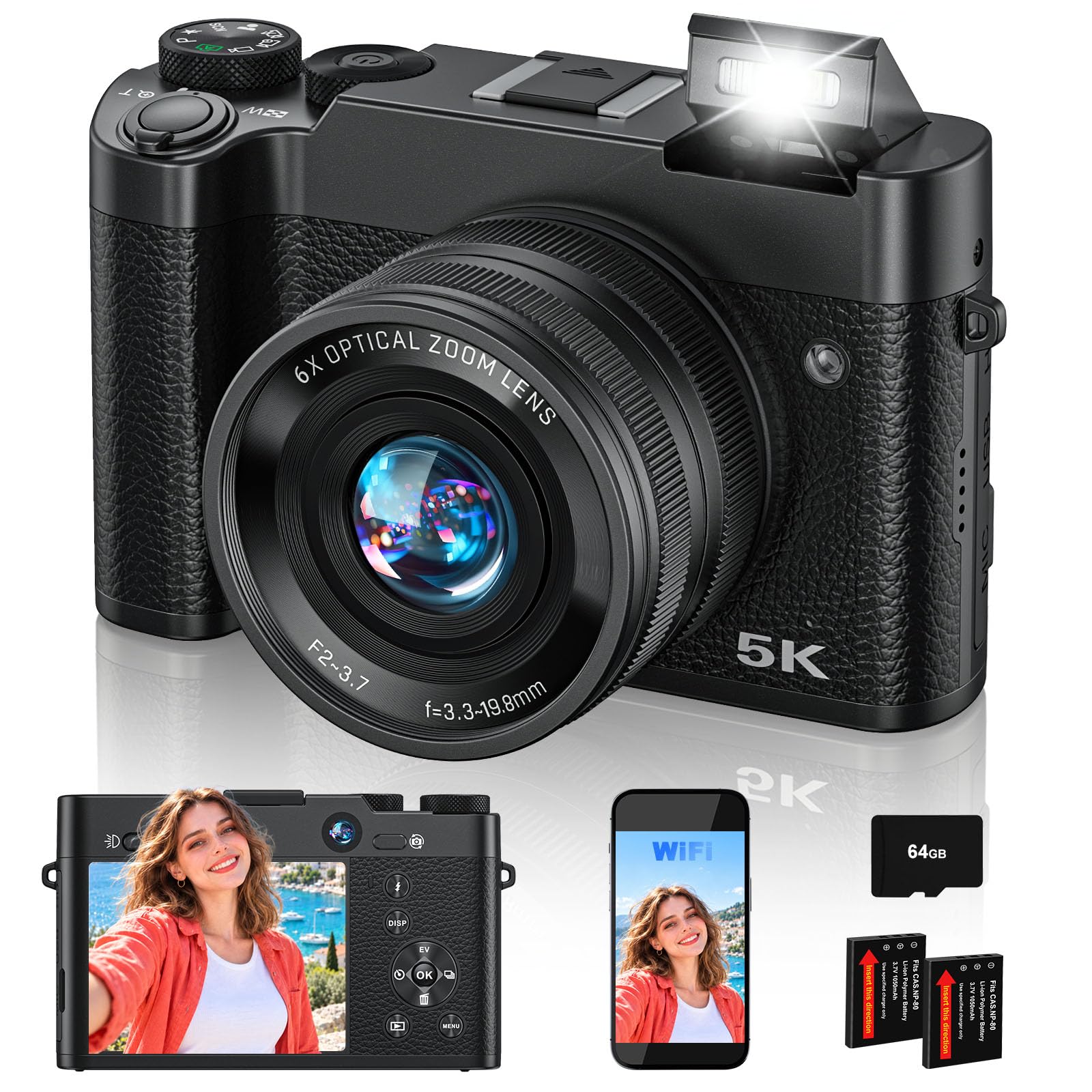
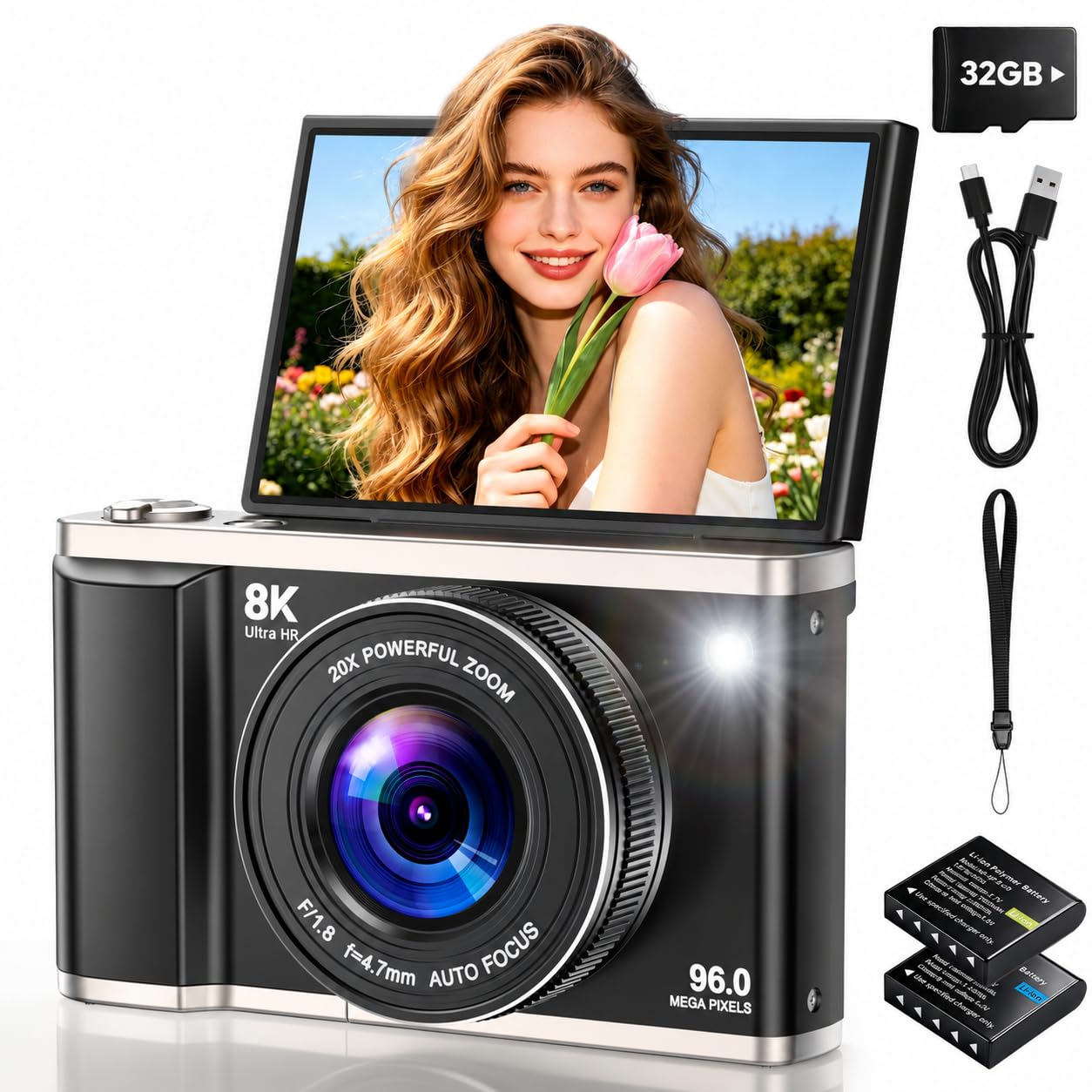
Every band below lists the full cost of getting started, not just the body price. The product table shows the camera types that appear at these prices, and the sections after it explain the trade offs band by band.



What Each Budget Band Actually Buys
Camera prices cluster into three bands, and the honest differences between them are smaller than listing pages suggest. Read the bands as a map of what improves, what stays the same, and what quietly disappears at the low end.
Getting Started: About $120 to $250
This band holds simple fixed lens compacts and the oldest interchangeable lens bodies still sold new. Expect small sensors, modest zoom ranges, and screens that do not tilt. Photos in daylight are pleasant and clearly ahead of a phone when you zoom, because optical zoom keeps detail that digital cropping throws away.
Low light is the weak point, since small sensors and slow lenses produce grainy indoor shots. Buy in this band for a child, a camp spare, or casual travel where losing the camera would sting less than losing a phone.
The Working Middle: About $250 to $500
The middle band is where affordable cameras stop feeling like toys. One inch sensors appear here, along with faster lenses, tilting screens, and autofocus that follows a moving face instead of hunting. Video usually reaches 4K, though often with a crop and limited recording times.
Most buyers who want a real step up from a phone should land here, because the gains in image quality and handling are the largest of any band jump. Stretch to this band before paying for accessories, since no case or filter fixes a sensor that is too small for your light.
The Stretch Band: About $500 to $800
At the top of the affordable range you find APS C mirrorless bodies with a kit lens, larger sensors that hold detail in shadow, and controls that let you change settings without menu diving. Weather sealing shows up on some bodies, and electronic viewfinders become common. This band suits someone who plans to learn photography properly or shoot family events for years. Past this point you are no longer shopping for affordable gear, and the next section explains why the returns shrink fast.
Where Spending More Stops Changing Your Photos
Every camera line reaches a point where extra money buys convenience rather than visibly better pictures. For most casual shooters that point arrives once the sensor reaches one inch size and the lens opens to about f/2.8 at the wide end. Above it, higher prices mostly add faster burst rates, tougher bodies, longer video limits, and autofocus tuned for sports. Those are real features, but they only matter if your subjects demand them. A parent photographing birthdays gains nothing from a body built for racing coverage.
Sample galleries on maker pages hide this plateau. They are shot by skilled photographers in generous light, often with the priciest lens in the system, and they flatter every model equally. Judge a camera by the conditions you actually face, such as a living room at night or a shaded forest trail, and the cheaper body often ties the expensive one. Spend the difference on a second battery and a faster memory card instead.
The Sensible Shortcut: Earlier Models at a Discount
Camera makers refresh their lines often, and the outgoing model usually drops in price while keeping the same sensor as its replacement. A discontinued body at about 30 percent off is frequently the smartest buy in this whole category, because image quality barely changes between generations. Menus and button layouts may differ slightly, and that is the real cost.
Check three things before taking the discount route. First, confirm the warranty still starts from your purchase date and that the seller is an authorized dealer, since gray market imports can leave you without local service. Second, confirm the model still receives firmware updates or at least that its known faults were fixed in later production runs.
Third, price the accessories, because an older body with cheap available batteries and lenses can cost less to own than a current body with pricey ones. Readers comparing the wider market can start with our overview of the best digital cameras before narrowing to a budget.
Features That Decide Results at Low Prices
Listings at this level compete on numbers that sound impressive and matter little. The five factors below decide whether the best affordable digital cameras actually outperform the phone already in your pocket.
Sensor Size Beats Megapixel Count
Megapixels describe how many dots a photo contains, not how clean those dots look. A 20 megapixel one inch sensor gathers far more light per pixel than a 24 megapixel sensor a quarter of its size, so its images stay smooth in shade and indoors. Treat any small sensor camera advertising huge megapixel counts as a warning sign. Sensor size, lens quality, and processing decide image quality, in that order, and megapixels come a distant fourth.
Lens Quality and Honest Zoom
The lens is half the camera, and at low prices it is where makers cut deepest. Look for the widest aperture at both ends of the zoom, written as two f numbers, because a lens that ends at f/6.5 will struggle at dusk. Optical zoom figures are honest, since the glass does the work, while digital zoom simply crops and enlarges. A modest 5x optical zoom with a bright lens beats a 40x zoom that turns distant subjects into watercolor smears.
Battery Life and Charging
Maker battery ratings are best case figures measured with the screen dimmed and no flash, so expect fewer shots in real use. Around 250 to 350 shots per charge is typical for this class, and video drains a battery far faster than stills. USB charging matters more than raw capacity for travelers, since the camera can top up from the same power bank as a phone. Budget about $25 to $40 for a spare battery, because a bargain camera with a dead battery takes no photos at all.
Video Without Paying for a Cinema Rig
4K recording is common even in the middle band, but check the fine print for crops that narrow your view and heat limits that stop clips early. A microphone input is the feature worth paying for if you record people talking, since built in microphones capture room echo and handling noise. A screen that flips forward helps anyone filming themselves. If your video is mostly family clips, clean 1080p with steady stabilization beats shaky 4K.
Controls You Will Actually Use
A touchscreen that lets you tap to focus is worth more to most buyers than a forest of dials. Still, one control dial for exposure compensation earns its place, because bright snow and dark stages fool automatic exposure daily. Check that the camera saves settings when switched off and that the menu groups video and photo options sanely. Beginners comparing learning friendly options may also want our guide to the best digital cameras beginners can grow with.
The Full Cost of Owning a Cheap Camera
The body price is only the opening bill. A memory card fast enough for 4K video runs about $20 to $45, a padded case about $15 to $30, and the spare battery mentioned above about $25 to $40. Interchangeable lens cameras add a second lens later, and even a basic portrait lens costs about $150 to $250. Add these figures to each band before deciding it fits your budget, because a $450 camera with $120 of essentials is a $570 purchase.
This total cost view is also where the product table above helps, since comparing headline prices alone hides how much each system charges for its extras. Makers with large used markets for lenses and batteries quietly lower the lifetime bill.
Choosing the Best Affordable Digital Cameras by Type
Three types dominate the affordable shelves, and each suits a different buyer. The right type matters more than the right brand at this level.
Fixed Lens Compacts
A compact carries its lens permanently, trades flexibility for simplicity, and slides into a coat pocket. Better models in this group use one inch sensors and remain the easiest way to beat a phone for travel. Our dedicated guide to the best affordable compact digital cameras covers this pocketable class in depth. Choose a compact if you know you will never swap lenses and value small size over growth room.
Entry Mirrorless Cameras With a Kit Lens
Mirrorless bodies use electronic viewfinders or the rear screen alone, focus quickly, and accept interchangeable lenses as your skills grow. The bundled kit zoom is a starter, not a destination, and its slow aperture explains most disappointing early results. This type suits learners who accept a larger bag today for a system that expands tomorrow. Prices overlap the stretch band, so the discount route in the earlier section often applies here.
Older DSLR Bodies
Traditional DSLRs are fading from shelves, which makes their remaining stock cheap and their used lens market enormous. They are bulkier than mirrorless rivals and their video autofocus lags, yet for stills on a tight budget they remain honest value. The separate guide to the best affordable slr digital cameras explains which features to check on these bodies. Pick this route if stills matter most and size does not.
Mistakes That Waste a Tight Budget
- Choosing by megapixel count, which rewards the spec that matters least and ignores the sensor behind it.
- Buying the body alone and forgetting the card, case, and spare battery the first trip requires.
- Paying for a huge digital zoom figure that only crops the image you already captured.
- Skipping the return policy check, even though grip comfort only reveals itself after a day of holding the camera.
- Chasing the newest release when the outgoing model beside it takes the same pictures for about 30 percent less.
- Assuming a cheap camera needs no protection, when one drop onto pavement ends most bargain purchases.
Simple Habits That Keep a Budget Camera Alive
Affordable cameras die early from neglect more often than from defects. Wipe the lens with a clean microfiber cloth rather than a shirt, since gritty fabric scratches coatings over time. Store the camera in a dry padded bag with the lens cap on, and remove the battery during long storage so a slow leak cannot corrode the contacts.
Update the firmware when the maker releases it, because autofocus and battery handling improvements are common. Finally, format memory cards in the camera rather than deleting files on a computer, which keeps the file system healthy.
Your Questions Answered
Can an affordable camera really beat a good phone?
Yes, in the situations where phones are weakest. A dedicated camera wins when you zoom beyond arm length subjects, shoot in dim rooms without flash, or want blurred backgrounds that software only imitates. Phones still lead for instant sharing and computational tricks in harsh contrast. The honest check is your own shooting: if most of your photos are daylight snapshots shared to social apps, a phone suffices, and the camera money is better saved.
How long should an affordable camera last?
A cared for camera should serve about five to eight years before its battery or storage format feels dated. Shutter mechanisms on entry bodies are commonly rated in the tens of thousands of shots, far beyond casual use. The practical limit is usually the battery, since replacements get scarce as models age. Buying a spare battery while the camera is current extends useful life more than any other small purchase.
Is a kit lens good enough to start with?
A kit lens is good enough for learning and for daylight family photos, and its limits teach you what to buy next. Its weak point is low light, where its narrow aperture forces slow shutter speeds and blur. Shoot with it for a few months and review which focal lengths you used most. That record tells you whether a bright prime lens or a longer zoom deserves your next $200 or so.
Should beginners avoid cameras without a viewfinder?
Not necessarily, though the choice deserves thought. A rear screen works fine indoors and for video, but bright sunlight can wash it out until framing becomes guesswork. A viewfinder also steadies the camera against your face, which sharpens handheld shots.
If you shoot outdoors often, favor a model with even a basic electronic viewfinder. Indoor and tabletop shooters can skip it and put the savings toward the lens.
What warranty should an affordable camera include?
Look for at least a one year maker warranty covering parts and labor, honored in your own country. Keep the receipt and register the product, since some makers extend coverage for registered owners. Be wary of seller warranties from importers, which often mean shipping the camera overseas at your expense. An authorized dealer discount with a full local warranty beats a deeper gray market discount with none.
Final Thoughts
Start with the band, then judge sensors and lenses, and let headline numbers come last. The middle band suits most buyers, the stretch band suits learners, and the discount route can pull a stretch band camera down into middle band money. Use the picks in the table to compare the types side by side at your price. Chosen this way, the best affordable digital cameras stop being a compromise and become simply the right tool bought at the right price.