Best Affordable OBD2 Scanner at Every Price for 2026: What Your Money Really Gets You
Disclosure: We may earn a commission when you buy through links on this page, at no extra cost to you. As an Amazon Associate I earn from qualifying purchases. Learn more
Pick the best affordable OBD2 scanner by price tier, vehicle coverage, and the features that matter for home car diagnostics.
Shopping for the best affordable obd2 scanner can feel confusing because prices range from very low to surprisingly high, and the feature lists all sound similar at first glance. This guide sorts that range into clear spending levels so you can see where extra money helps and where it only buys features you may never use.
Check the product table for a quick overview, then use the sections that follow to match a scanner to your vehicle, your comfort with car maintenance, and the kind of checks you actually plan to do.


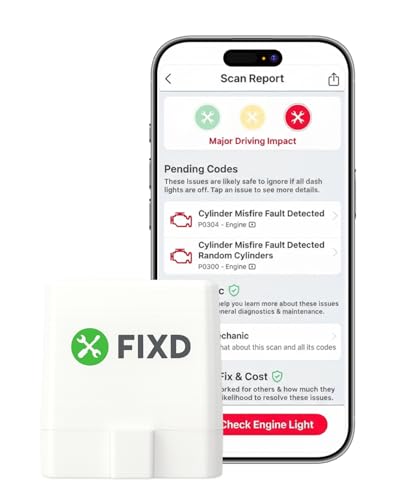
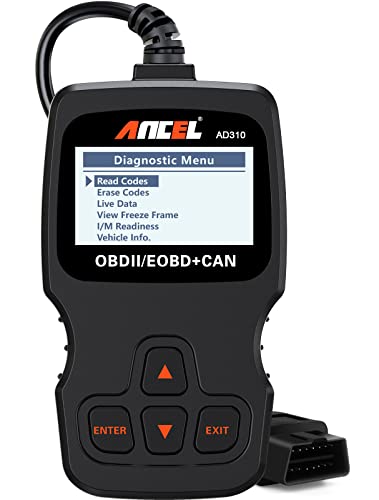
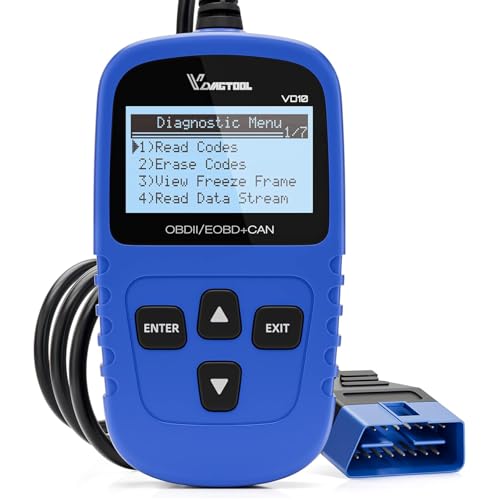
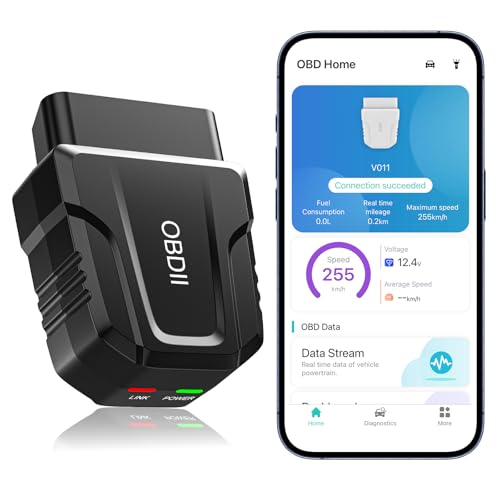
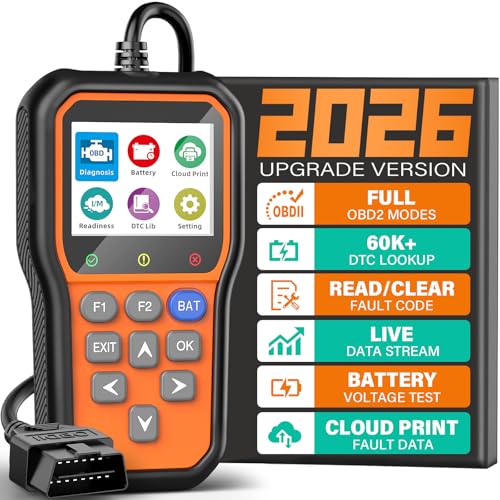
Spending Level Guidance
Think of budget scanners in three broad groups rather than as a ranking of individual products. A lower spending model suits a driver who mainly wants to read and clear a basic check engine code and check whether a repair worked. A middle spending model suits a home mechanic who wants live data and wider code coverage for regular maintenance. A higher spending model suits someone who works on several vehicles or wants deeper system coverage and faster updates.
Lower Spending Level
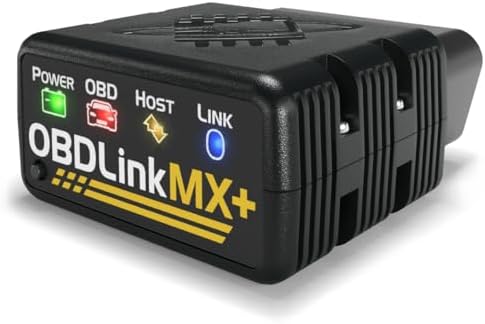
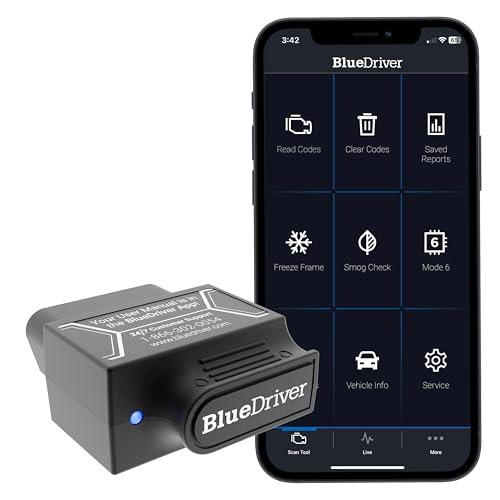
A lower spending scanner usually reads and clears generic engine codes, shows a short code definition, and works through a small screen or a phone app. If you prefer a phone based setup, see our guide to the best bluetooth obd2 scanner. It is a practical choice when your main goal is to understand a warning light before visiting a shop, or to confirm that a light stays off after a simple repair. Expect a plain display, a short cable or a basic wireless link, and limited coverage beyond engine codes.
Middle Spending Level
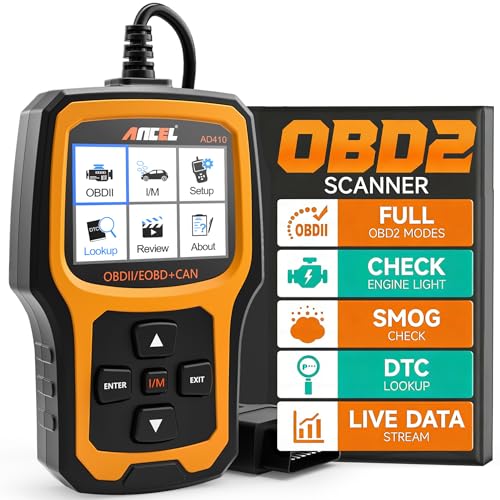
A middle spending scanner usually adds live sensor readings, freeze frame data, emissions readiness checks, and broader code definitions. That extra detail helps when a problem comes and goes, because you can watch sensor values while the engine runs and compare them with normal ranges in a repair manual. These models also tend to offer clearer menus and more reliable app support, which matters when you use the tool a few times a year.
Higher Spending Level
A higher spending scanner in the affordable range may add coverage for systems beyond the engine, such as brakes, airbags, or transmission codes on supported vehicles, plus graphing and data recording. This level makes sense when you maintain more than one car, help family members with their vehicles, or want to track a fault over several drives. Drivers who want deeper coverage can compare our guide to the best professional obd2 scanner, and for two way control features, see our guide to the best bidirectional obd2 scanner. It is still a budget tool, so check exactly which systems and model years it supports before assuming it covers everything.
What the Best Affordable OBD2 Scanner Gets You at Each Price Tier
Price tiers for these scanners are best understood as tradeoffs, not as a simple ladder where more money always means a better tool for you. A low price often means a smaller screen, fewer supported systems, and slower software updates. A midrange price often buys a better display, live data, and wider vehicle coverage. A higher affordable price often buys deeper system access and more polished software, but only on the vehicles listed in the compatibility notes.
| Price Tier | Typical Price | What You Usually Get | Best For |
|---|---|---|---|
| Budget | about $20 to $50 | Engine codes, code clearing, basic definitions | Occasional warning light checks |
| Midrange | about $50 to $120 | Live data, freeze frame, emissions readiness | Regular home maintenance |
| Higher affordable | about $120 to $250 | Wider system coverage, graphing, data recording | Several vehicles or deeper checks |
Use the table above as a starting point, then confirm the details that matter for your car. Two scanners at the same price can differ a lot in vehicle coverage, app quality, and update policy. A cheaper model with strong support for your exact model year is often a smarter buy than a pricier model built mainly for other vehicles. For a general sense of well regarded options, see our guide to the best rated obd2 scanner, or browse our wider OBD2 diagnostic scanners buying guide.
Features Worth Paying For (and Ones to Skip)
Not every feature on a feature list changes the result you get. The features below are the ones that most often decide whether a budget scanner feels useful or frustrating in everyday use. Skip features that sound impressive but do not match the checks you plan to do.
Safe Connection and Clear Instructions
A good budget scanner should connect firmly to the diagnostic port, give a clear on screen prompt, and explain each step in plain language. Look for a design that powers from the vehicle port and does not require a separate battery for basic code reading. If you are unsure about any step, or if a code points to brakes, steering, or airbags, ask a qualified technician rather than guessing at a repair.
Vehicle Compatibility
Compatibility is the feature that matters most, because a scanner that does not talk to your vehicle is useless at any price. Check the supported model years, the diagnostic protocols listed, and whether your make needs a special app or adapter. Most gasoline cars and light trucks sold in the United States since 1996 use the standard port, but system coverage beyond engine codes varies widely by make and model. Owners of one specific make can start with our guide to the best bmw obd2 scanner.
Build Quality and Everyday Durability
A budget scanner should survive a glove box, a toolbox, and occasional drops onto a garage floor. A sturdy connector, a cable that does not kink easily, and buttons or a touchscreen that respond reliably are worth more than a glossy case. Weather resistance matters less for a tool used indoors or in a parked car, so do not pay extra for rugged claims unless you often work outside in rain or dust.
Performance Features That Actually Matter
For a scanner, useful performance means fast code reading, stable live data, and clear graphing. Compare code coverage, the number of systems supported, live data speed, and whether the software receives regular updates.
What You Can Realistically Get on a Budget
On a budget, expect solid engine code reading, code clearing, and basic live data, but do not expect dealer level coverage for every system on every car. Features often cut at low prices include advanced service functions, all system scanning, and long term software support. Do not cut corners on compatibility or update access, because a scanner that cannot read your car or falls behind on software quickly becomes a drawer item.
Long Term Costs to Factor In
The purchase price is only part of the total cost. Some scanners charge for app features, advanced system access, or software updates after the first year, so read the update terms before buying. Add the cost of a phone or tablet if the scanner relies on an app, plus a storage case and a replacement cable if you use the tool often. A model with free basic updates and a clear warranty often costs less over three years than a cheaper model with paid updates.
Also compare how updates are delivered before you buy, because some tools update through a phone app while others need a computer connection and a downloaded file. App based updates are easier for most drivers, but they depend on the app staying available and supported for your phone system. A clear statement about free versus paid updates, plus a warranty that covers the connector and cable, is a strong sign that the total cost will stay predictable.
Frequently Asked Questions
Do I need professional installation for an OBD2 scanner?
No, most budget scanners are designed for the driver to plug into the diagnostic port, usually located under the dashboard on the driver side. You turn the ignition to the on position, follow the on screen prompts, and read the codes shown. If a code relates to brakes, steering, airbags, or a repair you do not understand, stop and ask a qualified technician instead of attempting the repair yourself.
How long does an OBD2 scanner last?
A budget scanner can last many years when it is stored in a dry place, kept away from extreme heat, and handled by its connector rather than yanked by its cable. Its useful life often ends when software updates stop or when it cannot support a newer vehicle you buy. Choosing a model with a clear update policy and broad protocol support gives you a better chance of using it across more than one car.
What features matter most in a budget OBD2 scanner?
Vehicle compatibility matters most, followed by code coverage, live data, and emissions readiness checks. A clear display and a reliable app matter more in daily use than a long list of advanced functions you may never open. Compare how many systems the scanner reads on your exact make and model year.
Will an OBD2 scanner fit my vehicle?
Most gasoline cars and light trucks sold in the United States since 1996 have the standard diagnostic port, so a basic scanner should connect and read engine codes. Fit here means software compatibility as much as physical fit, so check the supported makes, model years, and systems before buying. If your vehicle is older, diesel powered, or an unusual import, confirm protocol support with the maker or a qualified technician first.
The Bottom Line
Start with compatibility, then match the spending level to how often you will use the tool and how deep you want to go. A basic model is enough for occasional warning light checks, while live data and wider coverage earn their price for regular home maintenance. Whatever level you choose, the best affordable obd2 scanner for you is the one that reads your vehicle reliably, explains codes clearly, and stays updated, so check the product table above once more before you order.