Best Bidirectional OBD2 Scanner: Which One Fits the Way You Use It? 2026
Disclosure: We may earn a commission when you buy through links on this page, at no extra cost to you. As an Amazon Associate I earn from qualifying purchases. Learn more

The best bidirectional OBD2 scanner sends commands to vehicle systems; learn which active tests and coverage to compare.
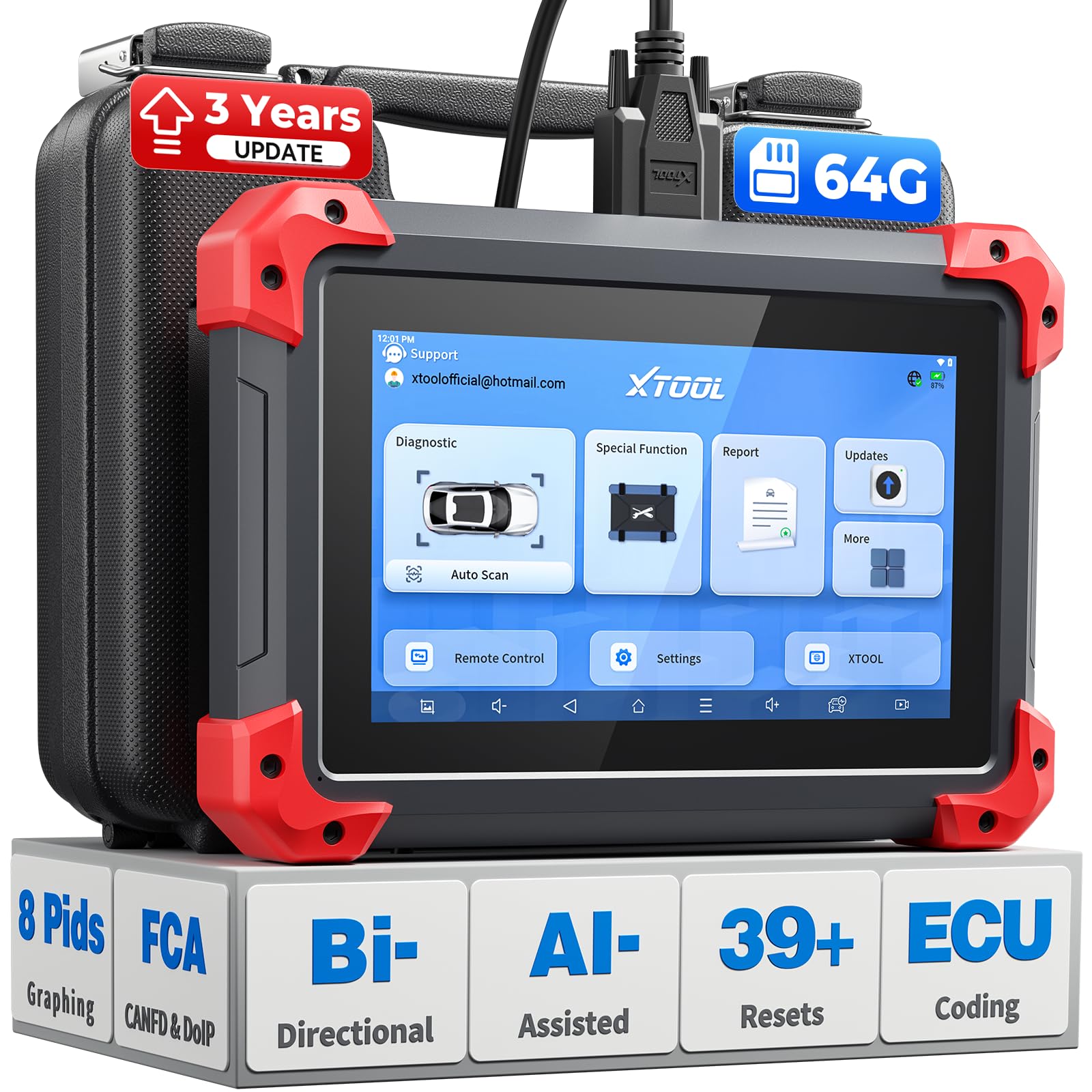
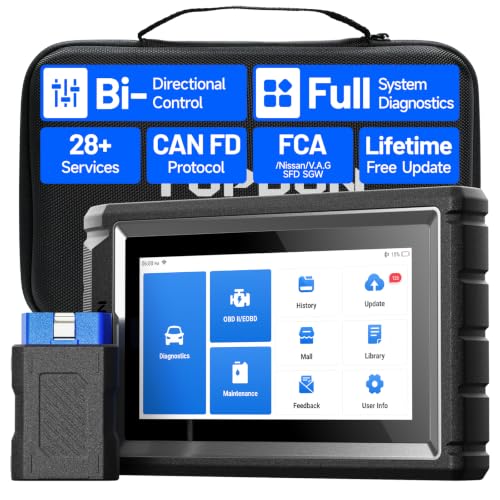
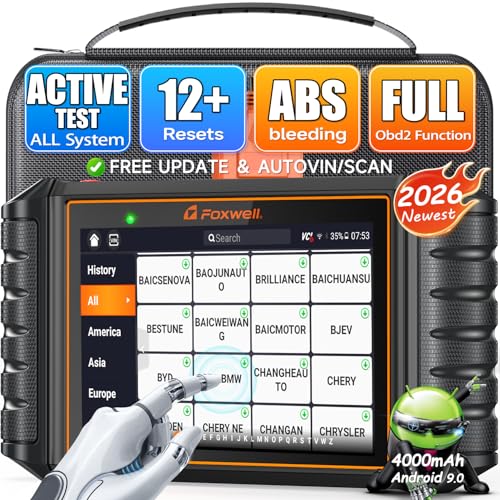
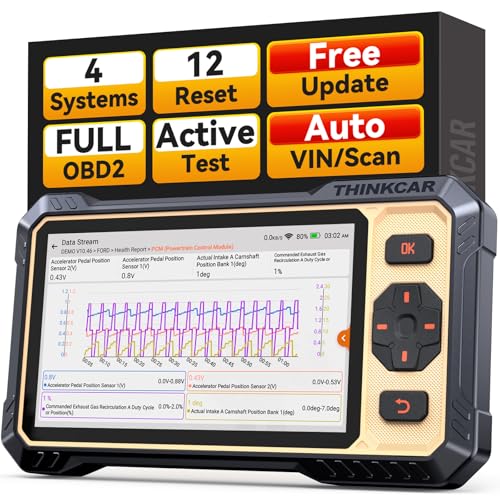
A warning light on the dash tells you something is wrong, but it rarely tells you exactly what to fix. A best bidirectional obd2 scanner goes further than a basic code reader because it can send commands to vehicle systems and watch how they respond. That two way ability helps you test parts before you replace them, which can save time and guesswork. The product table gives a quick overview, and the rest of this guide explains what to compare before you buy.
There is no single scan tool that suits every driver, because a home hobbyist and a busy shop have very different needs. Some buyers want simple fault code reading with a few active tests, while others need wide vehicle coverage and detailed live data. This guide walks through the user groups, the features that matter, and the mistakes to avoid, so you can match a tool to the work you actually plan to do.
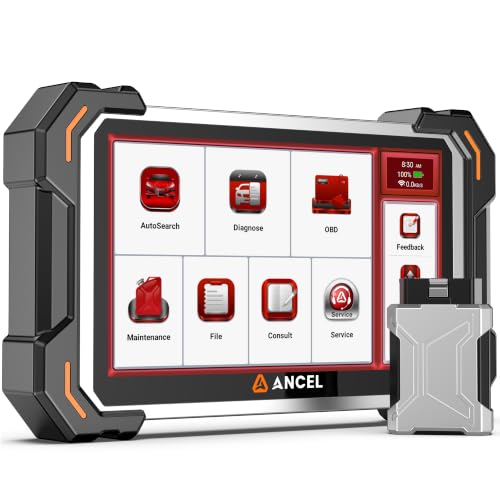
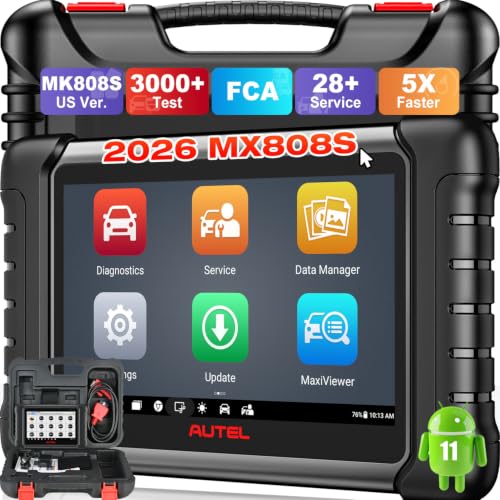
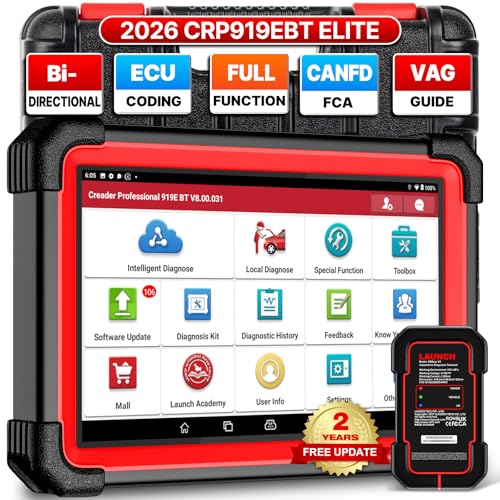

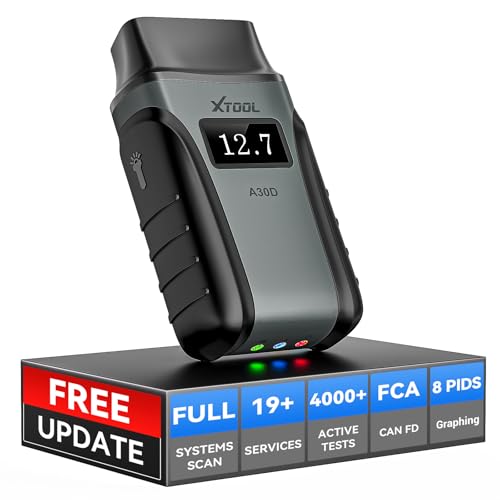
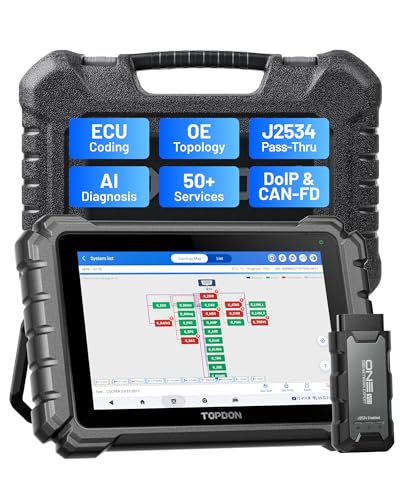

Who Should Buy Which Two Way Scan Tool?
Start with how you will use the tool. The right choice depends on the vehicles you service, the tests you need, and how much time you want to spend learning the menus.
For People Who Want the Best Performance
Performance focused buyers usually work on several vehicles or tackle harder faults, so they need a tool with a wide test menu and fast data display. Look for broad active test coverage, all system access, and a large screen that shows several live values at once. A tool in this group should also offer regular software updates, because new model years bring new systems and new fault codes. Expect to pay more here, with prices often about $300 to $800, but the extra capability pays off when a fault would otherwise require a shop visit.
For First Time Buyers
If you are buying your first scan tool, simplicity matters more than an enormous menu. Choose a tool with clear menus, plain language fault descriptions, and guided steps for common tests.
A smaller test list is fine when it covers the jobs you actually face, such as reading and clearing codes, checking readiness monitors, and running a basic active test. If you are unsure whether a test is safe for your vehicle, ask a qualified technician before you run it. See our guide to the best inexpensive obd2 scanner for a lower cost starting point.
For Value Seekers
Value seekers want solid capability without paying for shop grade extras they will never use. Focus on the middle ground: full system scanning, a useful set of active tests, and free or low cost updates for at least a few years. Check whether the tool covers the makes you own, because a bargain tool with narrow coverage can cost more in the long run.
Also compare the screen and battery, since a tool that is hard to read in a garage or dies quickly becomes frustrating. Prices in this group are often about $150 to $350.
Key Features of the Best Bidirectional OBD2 Scanner
The features below decide whether a tool helps you or slows you down. Work through them in order, and give the most weight to the ones tied to your own vehicles and jobs.
Active Tests and Service Functions
Active testing is the defining feature of this category. A two way tool can command parts such as fuel injectors, cooling fans, the ABS pump, door locks, and windows, then show whether each part responds.
Service functions matter too, and common ones include oil reset, battery registration, steering angle calibration, and brake bleeding support. Check the exact test list for your vehicle, because coverage varies by make and model year. A long feature list means little if the tests you need are missing for your car.
Vehicle Coverage and Protocols
Coverage is about more than the number of brands on the box. Confirm that the tool supports the model years you own and the systems you need, including engine, transmission, ABS, airbag, and body control. Most cars sold in the United States since 1996 use the OBD2 port, but the systems behind that port differ widely.
A tool with strong coverage for domestic, Asian, and European vehicles is a safer choice for a mixed household fleet. If you mainly service one brand, brand focused coverage may matter more than a huge brand list. For brand specific help, see our guide to the best bmw obd2 scanner.
Connection and Display
Connection style shapes everyday use. A wired tablet style tool usually offers a larger screen and a stable link, while a phone paired adapter is smaller and easier to carry. A larger screen helps when you compare several live data values side by side, and a bright display matters in a sunlit driveway.
Also check the cable length and connector quality, since a short or stiff cable makes under dash work awkward. If you prefer working from your phone, compare wireless options in our guide to the best bluetooth obd2 scanner.
Software Updates and Data Records
Scan tools age quickly when their software stands still, so update policy deserves close attention. Some tools include free updates for a set period, while others charge a yearly fee after the first year. Check what the fee covers and whether the tool keeps working without it.
Data records matter as well: the ability to save, print, or share a fault report helps when you discuss a repair with a shop. Look for clear freeze frame data and live graphs, which make intermittent faults easier to understand than a single code number.
Build, Power, and Ease of Use
A scan tool lives in a garage, so build quality counts. A rugged case, a comfortable grip, and buttons that work with greasy hands are worth more than a sleek design.
Most tools draw power from the vehicle port, but tablet style tools also have their own battery for menu browsing away from the car. Keep the connector clean and store the cable without sharp bends to protect it over time. If you want a tool for heavier daily work, compare professional grade options in our guide to the best professional obd2 scanner.
Common Mistakes to Avoid When Buying Two Way Scan Tools
- Buying on price alone, then finding the active tests you need are missing for your vehicle.
- Skipping the coverage check and assuming every tool supports every system on every car.
- Ignoring update costs, which can turn a low purchase price into a higher long term cost.
- Choosing a tiny screen that makes live data hard to read during a test.
- Running an active test without checking the manual first, which can confuse a system or set extra codes.
Care and Maintenance Tips
Good care keeps a scan tool accurate and ready. Update the software on a regular schedule so new model years and fault definitions stay current. Wipe the connector pins gently and keep the tool in its case, away from moisture and heavy objects in a toolbox.
Check the cable for cracks or loose plugs, and replace a damaged cable before it causes a poor connection. Before each use, confirm the vehicle battery is in good shape, because low voltage can interrupt a test. Finally, keep a simple log of past codes and tests, since that history helps you spot a fault that keeps returning.
Frequently Asked Questions
Will a bidirectional scan tool fit my vehicle?
Most cars and light trucks sold in the United States since 1996 have the same 16 pin diagnostic port, so the plug usually fits. Fit alone does not guarantee full function, because active tests and system access vary by make, model, and year. Check the coverage list for your exact vehicle before buying, and confirm the systems you need are supported. When a listing only claims broad coverage without detail, treat that as a reason to ask the seller for specifics.
What specs matter most in a bidirectional scan tool?
The test menu matters more than processor speed or screen size on their own. Start with the active tests and service functions you need, then check vehicle coverage and update policy. Live data speed and graph quality come next, because they decide how easily you can spot a failing sensor. Battery life and build quality round out the list for tools used away from a bench, and a tool that scores well on all five points will serve you longer than one that excels in only one area.
Do I need professional installation for a scan tool?
No installation is needed, because the tool plugs into the diagnostic port, usually under the dash near the driver. Setup normally means charging or updating the tool, then selecting your vehicle from a menu. That said, interpreting results and running active tests takes care, and a wrong command can set extra codes. If you are unsure what a test does or whether it suits your vehicle, ask a qualified technician before you run it.
How long does a scan tool last?
A well kept scan tool can last many years, but its useful life depends on software support rather than hardware wear. Tools with regular updates stay relevant as new vehicles arrive, while tools without updates slowly lose coverage. Physical care matters too: protect the screen, avoid dropping the unit, and store cables without sharp bends. If updates stop and your newer vehicles lose support, that is usually the right time to replace the tool.
Can a scan tool clear codes and turn off the warning light?
Yes, most two way tools can clear fault codes and turn off the warning light after a repair. Clearing a code without fixing the cause will usually bring the light back, because the system runs its own checks again. Use the tool to confirm the repair with a short drive and a recheck, rather than treating a cleared light as proof of a fix. If a code returns right away, that points to an unresolved fault that needs further diagnosis.
Final Thoughts
The best choice is the tool whose test menu, coverage, and update policy match your vehicles and your skill level. Start with the active tests you truly need, then check coverage for your exact models, and finally weigh screen size, build, and long term update cost. A first time buyer can do well with a simpler tool, while a frequent home mechanic will value wider coverage and deeper tests. Review the product table above once more, then choose the best bidirectional obd2 scanner for the work you plan to do.