
Best BMW OBD2 Scanner for 2026: What Actually Matters Before You Buy
Disclosure: We may earn a commission when you buy through links on this page, at no extra cost to you. As an Amazon Associate I earn from qualifying purchases. Learn more

Choose the best bmw obd2 scanner by comparing compatibility, features, connection types, and spending levels for your car.
A best bmw obd2 scanner is a diagnostic tool that reads fault codes and live data through the diagnostic port in your car. It can help you understand a warning light, check a repair, and decide whether a garage visit is urgent. This guide explains the checks that matter most, so you can choose with confidence and avoid paying for features you will never use.
The right choice depends on your car, your skill level, and how much diagnosis you plan to do yourself. A simple code reader suits a driver who only wants a plain explanation of a warning light. A deeper tool suits a driver who wants live data, service functions, and records of past codes. Start with compatibility, then weigh connection type, software, and support.


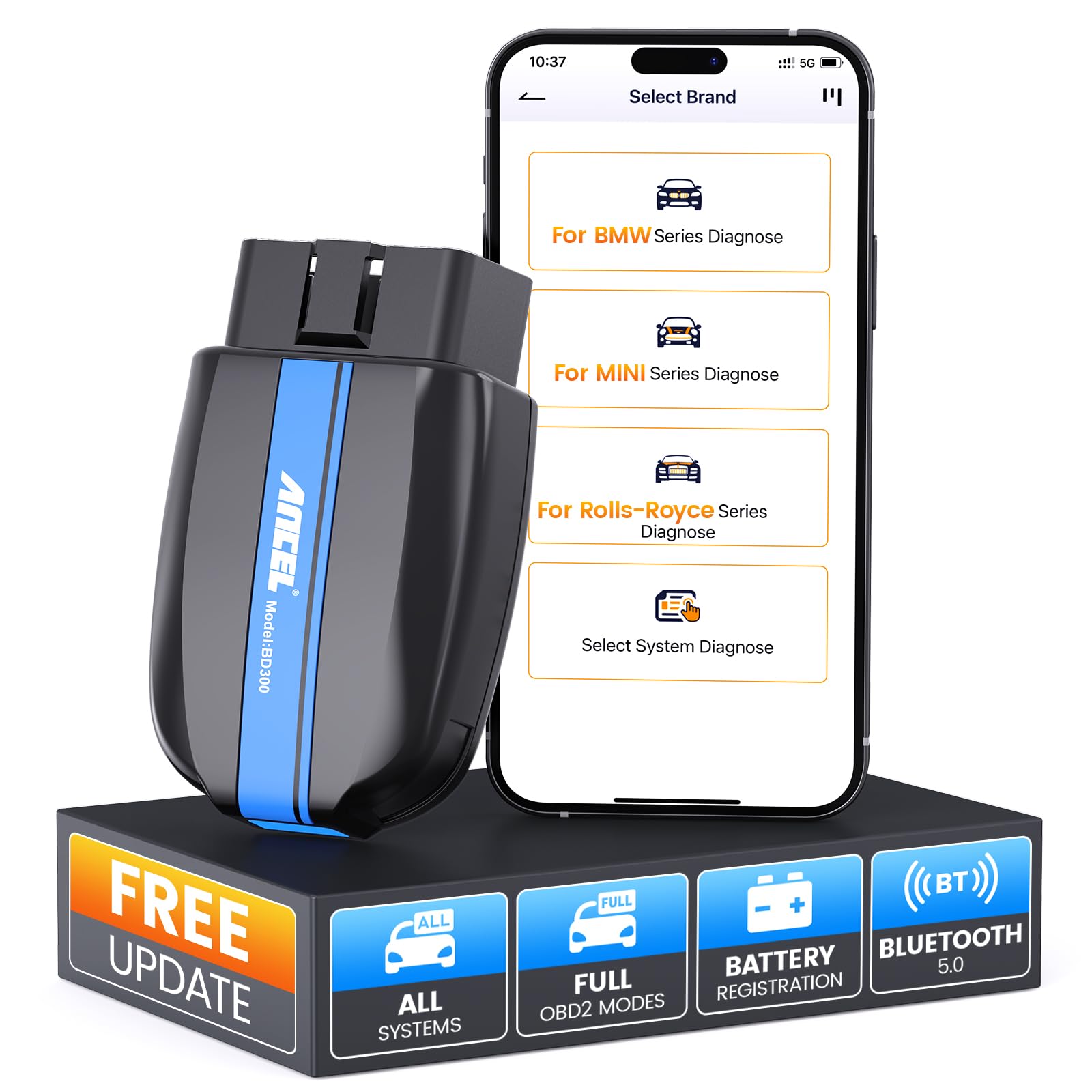
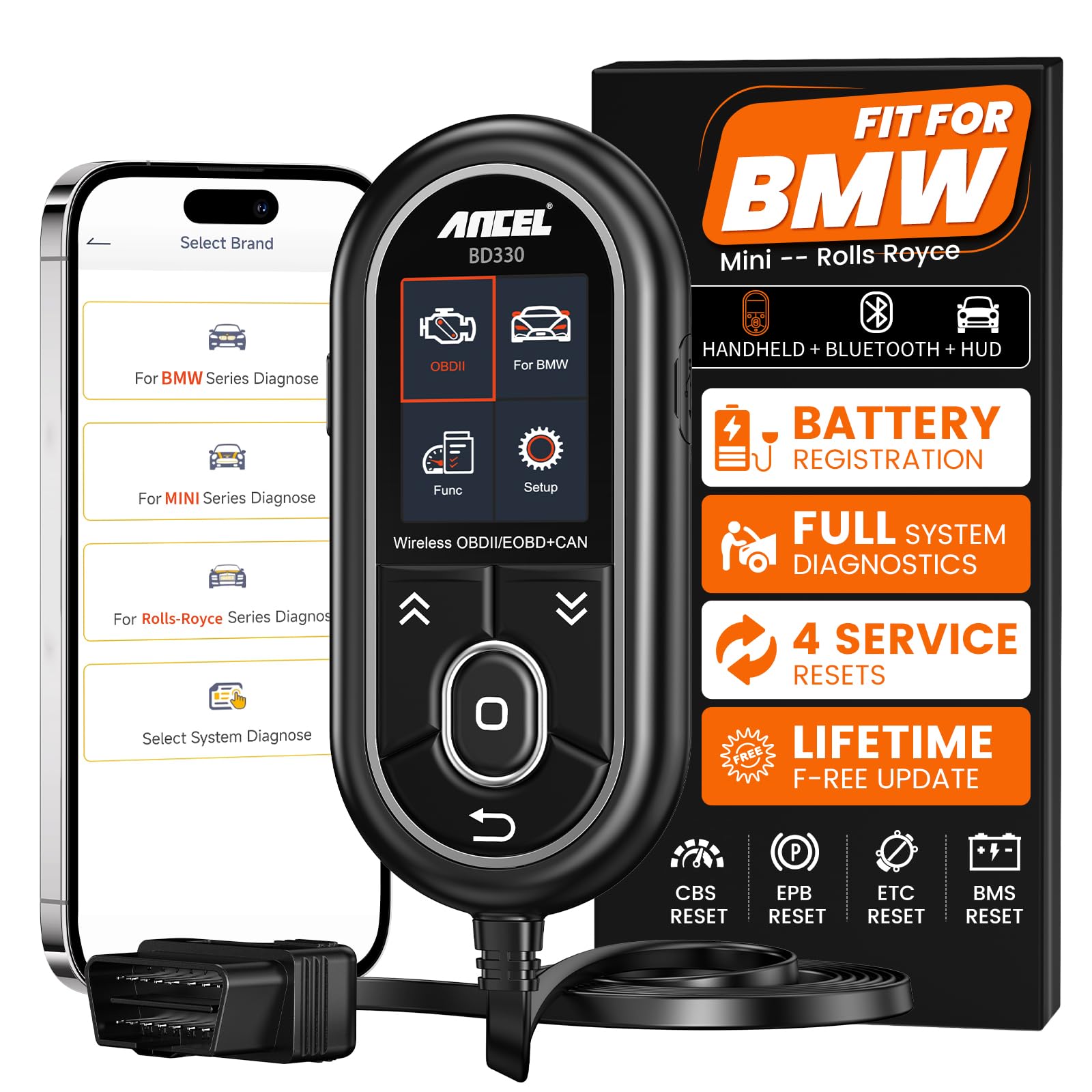
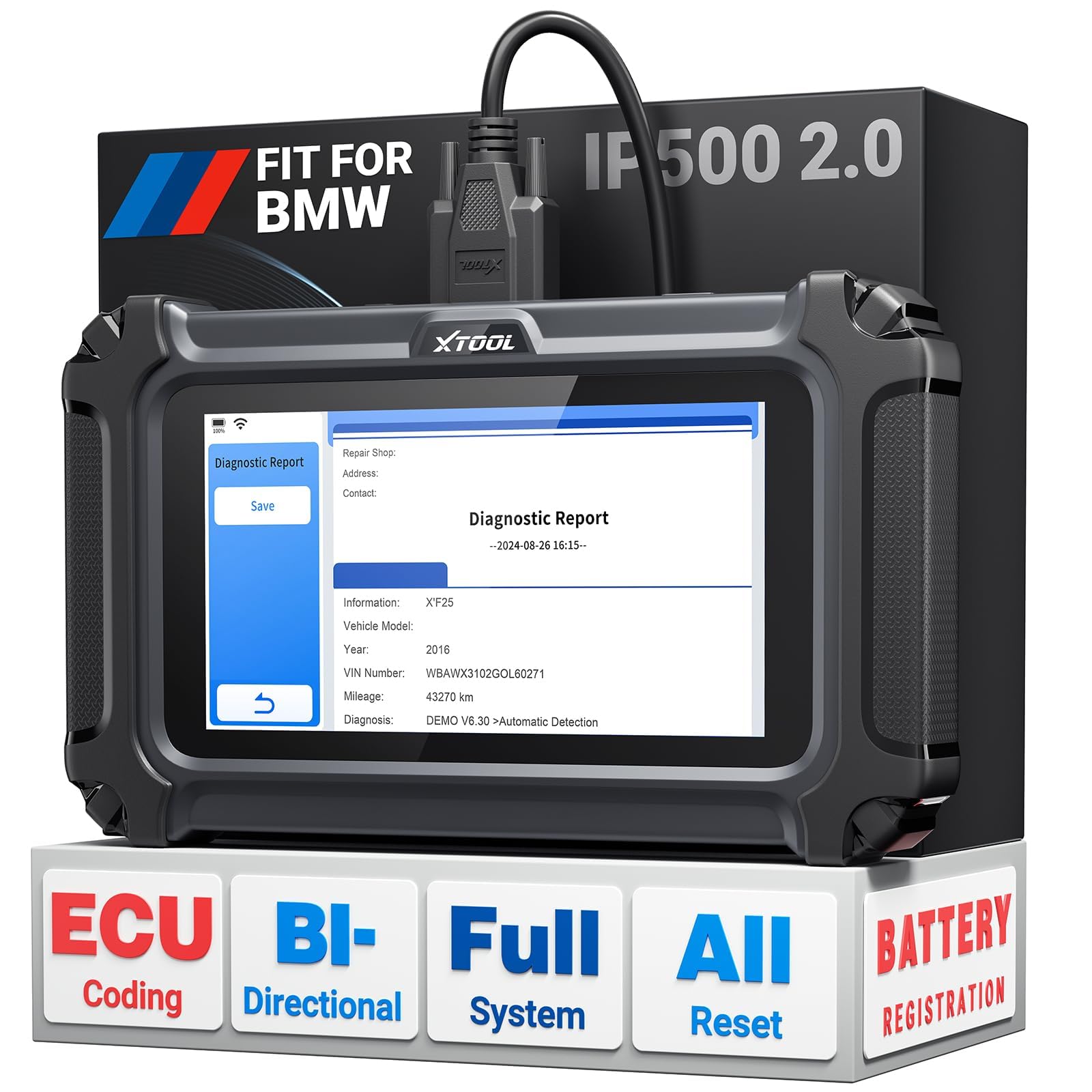


Buyer Checklist for the Best BMW OBD2 Scanner
Use this checklist before you compare prices or feature lists. Each point below affects whether a scanner will work well with your car and whether you will actually enjoy using it. Work through the points in order, and skip any feature that does not solve a real problem for you.
Vehicle Compatibility
Compatibility starts with the diagnostic protocol and the model years a scanner supports. Most cars sold in the United States after 1996 use the standard OBD2 port, but BMW models vary in the systems a scanner can reach beyond basic engine codes. Check the maker listing for your model year and for the systems you care about, such as transmission, airbag, and antilock brakes.
If you own more than one car, look for a tool that covers several makes as well, since a BMW only tool may be a poor value for a mixed household. For a closer look at a related choice, see our guide to best scanner for bmw options and how they compare on coverage.
Safety Features
Safety for a scanner is mainly about correct use and care for the car and the user. Never plug in or unplug a scanner while driving, and never read codes while the car is moving. Use the tool with the car parked, the parking brake set, and the ignition in the position the maker guide specifies.
A well made connector should fit firmly without force, and the cable should stay clear of pedals and moving parts. Keep the tool dry, store it away from heat, and follow the maker guide for software updates so the tool stays stable.
Build Quality and Weather Resistance
Build quality matters because a scanner is often used in a garage, a driveway, or at the roadside. Look for a sturdy case, a connector that seats cleanly, and buttons or a screen that are easy to read in daylight. A cable that is too short can force you into an awkward position, while a very long cable can tangle around the seat and pedals.
If you plan to keep the tool in the car, choose a compact unit with a protective case. Weather resistance is useful for roadside use, but no scanner should be left out in rain or extreme heat.
Warranty and Brand Support
Support matters more than many buyers expect, because scanner software changes over time. A clear warranty, a published update policy, and a way to contact support are signs of a serious maker. Check whether updates are free for a stated period or charged each year, and whether older models keep receiving updates.
Read the maker guide for how to reset the tool if it freezes, and keep your purchase record in case you need warranty help. A tool with weak support can become less useful as new model years arrive.
Features and Extras
Useful extras include live data graphs, freeze frame data, readiness checks for emissions testing, and the ability to save or print reports. Some tools add service functions such as oil reset, battery registration, and steering angle reset, but those functions vary by model and should be confirmed before you buy. A wireless unit can be convenient, especially if you want to view data on a phone, while a wired unit avoids pairing problems and battery worries. For wireless use, compare best bluetooth obd2 scanner options and check phone compatibility before you commit.
Ease of Use
Ease of use starts with a clear menu and plain language explanations for codes. A good tool shows the code, a short description, and the live values that help you judge whether the fault is current or old. Look for a screen that is easy to read, a simple way to clear a code after a repair, and a history view so you can track repeat faults. If you are new to diagnosis, favor a tool with guided menus and a glossary over one with a long list of advanced menus you may never open.
Spending Levels Without the Guesswork
Budget tools, usually about $30 to $80, cover basic code reading, code clearing, and simple live data. They suit drivers who want to understand a warning light and check whether a repair worked. Midrange tools, usually about $80 to $200, add wider system coverage, better live data views, and saved reports. They suit drivers who do their own maintenance and want more detail before visiting a garage.
Higher priced tools, usually about $200 to $400, add deeper system access and service functions, but only buy at this level if you have confirmed the functions for your model year. A higher price does not guarantee coverage for every BMW system, so check the maker listing carefully. For a lower cost starting point, compare best inexpensive obd2 scanner options, and for deeper workshop style use, compare best professional obd2 scanner options.
Quick Buyer Checklist
Run through these questions before you order:
- Does the maker list your model year and the systems you need?
- Do you want a wired unit, a wireless unit, or a standalone screen?
- Will you use live data, saved reports, or only basic code reading?
- Are software updates free, and for how long?
- Is the cable long enough for comfortable use in your car?
- Does the tool explain codes in plain language?
- Can you save a report to show a mechanic if needed?
- Is the warranty clear and easy to claim?
Red Flags to Watch For
Watch for vague coverage claims that promise every system on every car without listing model years. Be wary of listings that hide update costs, give no support contact, or use confusing specs that do not match the maker guide. Avoid tools that claim to fix faults on their own, since a scanner only reports data and a repair still needs judgment. If a listing cannot explain which systems it covers for your car, treat that as a reason to keep looking.
Care and Maintenance Tips
Keep the connector clean and dry, and coil the cable loosely instead of bending it sharply at the plug. Store the tool in its case, away from direct sun and damp places, and update the software only from the maker app or site. If the tool stops responding, disconnect it, restart it as the guide directs, and check the car port for dirt or bent pins. Check your owner manual for the port location and for any maker notes about diagnostic use, and never force a connector that does not fit.
BMW OBD2 Scanners: Your Questions Answered
How long does a BMW OBD2 scanner last?
A scanner can last many years if the case, cable, and connector are cared for and the software stays supported. Physical wear usually appears first at the cable entry point or on the connector pins, so gentle handling matters more than brand claims. Software support is the other limit, since a maker may stop updating older tools as new models arrive. Before you buy, check the update policy and warranty length, and keep the tool stored in a case when it is not in use.
Do I need professional installation for a BMW OBD2 scanner?
No professional installation is needed for most scanners, since you simply plug the tool into the diagnostic port and follow the on screen prompts. The port is usually under the dashboard on the driver side, and your owner manual shows the exact spot for your model. If the port is hard to reach or the connector feels loose, stop and check the guide rather than forcing it. A garage visit is still wise when a code points to a safety system or when you are unsure what a fault means.
What specs matter most for a BMW OBD2 scanner?
The specs that matter most are system coverage for your model year, live data quality, and update support. Basic code reading is common to most tools, so the real difference is how many systems a tool can reach and how clearly it presents data. Connection type matters too, since a wireless tool needs a compatible phone while a wired tool needs no pairing. Ignore headline claims about speed or feature counts until you confirm they apply to your car.
Will a BMW OBD2 scanner fit my vehicle?
Fit depends on the port type, the protocol, and the maker coverage list for your model year. Most BMW cars from recent decades use the standard port, but coverage for systems beyond the engine varies, so a general claim is not enough. Check the maker listing by model year, and confirm any service function you need before you buy. If you drive an older model or a car with a different port layout, an adapter may be needed, and the maker guide should state that clearly.
Can a scanner clear a warning light for good?
A scanner can clear a stored code, but the warning will return if the underlying fault is still present. Clearing a code after a repair is useful for confirming the fix, while clearing a code without a repair only hides the symptom for a short time. Use live data and repeat checks to judge whether a fault is fixed, and keep a saved report for reference. If a warning returns quickly or involves brakes, steering, or airbags, have the car checked promptly.
Final Thoughts
Choose by coverage first, then by connection type, software support, and ease of use. A simple tool is the right buy if you only want plain answers about a warning light, while a deeper tool pays off if you maintain your own car and want live data and service functions. Check the product table once more against your model year and your budget, and pick the best bmw obd2 scanner for the way you actually work on your car.


