
Best Affordable Grills: What Actually Matters in 2026
Disclosure: We may earn a commission when you buy through links on this page, at no extra cost to you. As an Amazon Associate I earn from qualifying purchases. Learn more
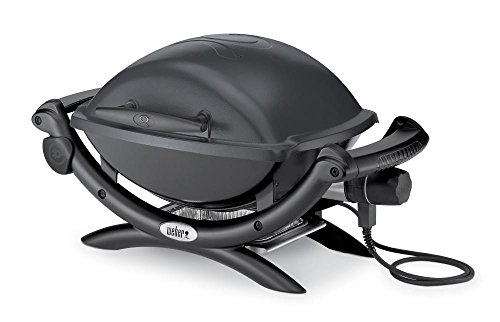
Compare the best affordable grills by fuel, build, cooking area and cleanup, with honest budget floors and safety checks before you buy any grill.
Cheap grills fail in predictable places, and they rarely fail at the feature printed largest on the box. If you are comparing best affordable grills on a firm budget, the smart order is fuel first, build second, and extras last. That order protects the money you have from being spread across gadgets while the lid, grates, and burners wear out early.
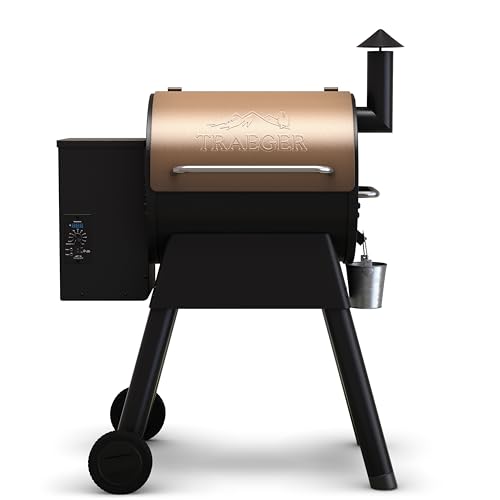
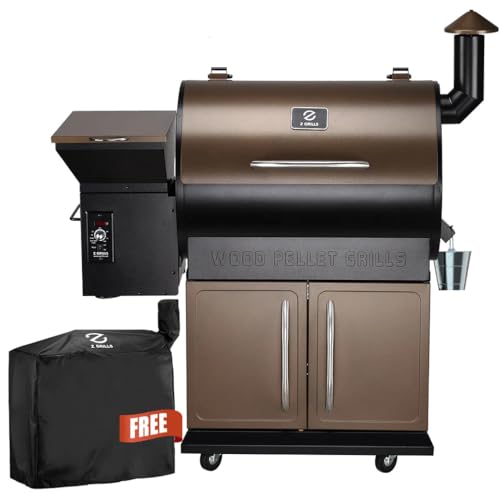
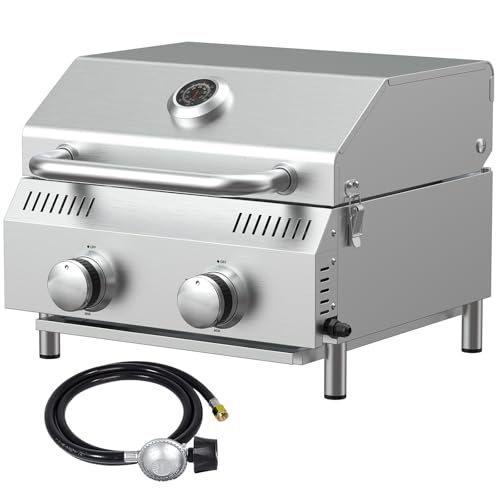
This guide walks through what actually matters before you buy, fuel by fuel and part by part. Use the comparison table below to line up sizes and prices, then read the sections that follow for the budget floors and safety habits that listings seldom explain.




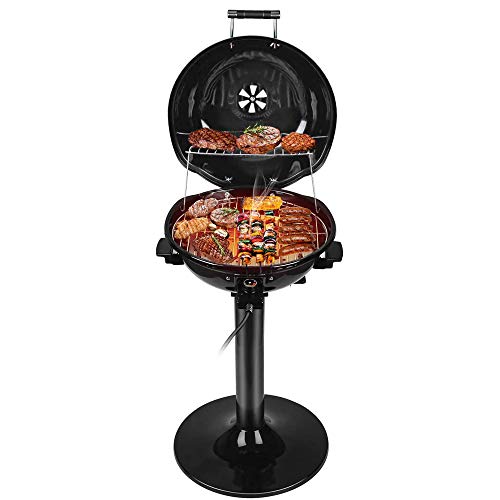
What Matters Most When Choosing the Best Affordable Grills
Every budget grill is a compromise, so the goal is to choose which compromise you can live with. The sections below rank the decisions in the order they affect your cooking and the life of the grill. Shoppers who settle these points first usually spend less overall, because they avoid buying a second grill a season later.
Start With Fuel, Because Fuel Decides the Rest
Fuel comes first because at budget money it decides what you actually get for each dollar. Charcoal buys the most real grilling per dollar at the bottom of the market, since the design is simple and the flavor ceiling is high. Gas buys convenience with build compromises at the same money, because valves, burners, and ignition parts all take a share of the cost. Pellet at budget money is the tightest compromise, and electric is the balcony answer where flames are banned by a lease or local rule.
Build Over Features, Every Single Time
Metal thickness, grate material, and lid fit decide how long a budget grill stays worth using. A lid that seals poorly leaks heat and smoke, so food cooks unevenly and fuel use climbs. Thin steel that flexes when you press it will rust and warp sooner, especially where heat is highest. Side burners and novelty gadgets are where budget goes to die, because each added part is money taken away from the firebox and grates.
The Honest Budget Floor for Each Fuel
Below a certain price, each fuel stops being a bargain and starts being a short season rental. For charcoal, the floor is the point where you still get a sturdy kettle or barrel body, a real ash catcher, and grates with some weight, often around $100 to $200. Gas floors sit higher, often about $200 to $350, because burners and valves cost money to make well. Pellet floors are highest of all, and electric models for a balcony can make sense at lower prices because there is no flame hardware to fund.
Cooking Area, Counted Honestly
Listings often add the warming rack into the headline cooking area, which inflates the number you will actually use. Judge a grill by its main grate alone, since that is where burgers, chops, and chicken pieces sit over direct heat. A family of four usually cooks comfortably on about 350 to 450 square inches of main grate space. Bigger is only better if you regularly cook for crowds, because a large firebox wastes fuel on small weeknight meals.
One more check belongs in this first pass. Measure the spot where the grill will live and the path it takes to get there, including gates and stairs, before you fall for a larger footprint.
Fuel Types Compared at Budget Prices
No fuel wins every category, and the right pick depends on weeknight habits as much as weekend ambitions. Flavor, startup time, running cost, and cleanup all change with fuel. Read each option against your own routine rather than against an ideal cookout you host twice a year.
Gas for Fast Weeknight Cooking
Gas grills light in minutes and hold a steady temperature with a dial, which suits cooks who grill after work. Heat control is the clear strength, while flavor sits closer to an outdoor stove than to a fire. When you compare best affordable gas grills, spend your attention on burner material and warranty length rather than on extra knobs. Two solid burners beat four weak ones for even cooking across the grate.
Propane and the Tank Question
Most budget gas models burn propane from a refillable tank, and that choice shapes running costs and storage. A standard tank is easy to exchange almost anywhere, and keeping a spare avoids a mid cook shutdown. Shoppers weighing best affordable propane grills should confirm how the tank mounts and whether the regulator hose reaches without strain. Natural gas versions exist, but they need a fixed line and rarely fit the lowest budgets or renters.
Charcoal for Flavor per Dollar
Charcoal delivers smoke and sear that budget gas struggles to match, at the cost of slower starts and more cleanup. You manage heat by arranging coals and adjusting vents, which takes practice but gives wide control once learned. Among best affordable charcoal grills, look for hinged grates that let you add coals and for vents that turn smoothly without sticking. Kettle shapes cook efficiently, while barrel shapes offer more grate room for indirect cooking.
Pellet for Gentle Smoke With Less Watching
Pellet grills feed wood pellets into a small fire with a fan and an auger, holding a set temperature for long cooks. That ease is real, but moving parts and electronics raise both price and failure points at the budget end. If you study best affordable pellet grills, check hopper size, controller accuracy claims with care, and how easily the fire pot can be vacuumed clean. Plan on a covered outdoor outlet and dry pellet storage as part of the true cost.
Barbecue Style Cooking on a Budget
Some shoppers mean slow smoked ribs and brisket when they say barbecue, and that goal changes the fuel answer. Low and slow cooking rewards charcoal and pellet designs with steady indirect heat and room for a water pan. Readers whose weekends center on that style can compare best affordable bbq grills with an eye on lid height and space for larger cuts. A tall lid matters more here than a fourth burner ever will.
Electric Where Flames Are Not Allowed
Electric grills plug in and heat an element under the grate, so there is no open flame and usually no smoke beyond what dripping fat creates. Many apartment rules that ban gas and charcoal allow electric models, though you must confirm your own lease and local code first. Searing power is modest, and a standard outlet limits total heat, so manage expectations on crust. For a small balcony and two person meals, that trade can still be the only workable one.
Build Details That Decide How Long It Lasts
Two grills with the same cooking area can age very differently, and the difference sits in parts you can judge from photos and specifications. Use the product table above to spot which models publish grate material and firebox details, since silence on those points is itself a clue. Vague specifications at a low price usually mean the savings came out of the metal.
Lids, Fireboxes, and Metal Weight
A good lid feels solid, closes without a visible gap, and carries a handle that stays cool enough to lift with a mitt nearby. Porcelain coated steel resists rust better than thin painted steel, though chips in the coating need prompt attention. Fireboxes take the most heat and the most grease, so thicker walls there matter more than thick panels on a storage cabinet. If a listing hides firebox material entirely, assume the lightest build in its class.
Grates You Will Cook On Daily
Cast iron grates hold heat and leave strong marks, but they need seasoning and dry storage to avoid rust. Porcelain coated steel grates are lighter and simpler to keep, though the coating can chip if you scrape with metal tools too hard. Thin wire grates are the clearest budget warning sign, because they flex, rust fast, and let small food slip through. Whichever material you pick, confirm replacement grates are sold, since the grate often wears out before the body.
Burners, Ignition, and Small Hardware
On gas models, stainless steel burners outlast aluminized ones in damp climates, and a burner warranty longer than one year signals some confidence from the maker. Ignition should light the burner on the first or second try when the grill is new, and replacement igniters should be easy to find. Legs, wheels, and hinges sound dull until a wobbly cart meets a full tank on uneven ground. Tighten every bolt at assembly and again after the first few cooks, because heat cycles loosen hardware.
Space, Cleanup, and the Work After Dinner
A grill you dread cleaning gets used less, whatever it cost. Budget models cut corners in ash and grease handling more often than in cooking power. Spend a minute on these unglamorous systems before you buy.
Footprint, Wheels, and Storage
Folding side shelves help on small patios, but only if they lock firmly and do not sag under a loaded tray. Large wheels roll better over grass and deck gaps, while small casters suit smooth concrete only. A cover is not optional gear if the grill lives outdoors, since rain pooling on a lid finds every seam. Budget for the cover, a brush, and a spare tank or charcoal storage in the same purchase plan.
Ash and Grease Systems
Charcoal models need an ash catcher that seals well enough to control air and empties without scattering embers. Gas and pellet models need a grease tray that slides out fully and a cup you can line or replace cheaply. When grease has no clear path, it pools near burners and raises the odds of a flare up that chars food and stresses parts. Cleanup that takes five minutes after each cook protects both flavor and the firebox floor.
Temperature Control Without Costly Gadgets
A lid thermometer gives a rough reading of air near the top of the grill, not the temperature at the grate. A simple probe thermometer placed at food level tells you far more, and it costs less than most built in smart features. Pellet controllers with steady feedback loops do hold heat well, but a basic controller used with patience cooks ribs just fine. WiFi and app controls are comfort extras, so fund them only after build quality is settled.
Safety Rules That Apply to Every Fuel
Every grill belongs outdoors, on a level surface, with clear space above and around it, and never inside a garage or tent. Keep children and pets away from a hot grill, and never leave a lit grill unattended, even for a quick trip inside. For charcoal, let ash cool at least 48 hours, then place it in a lidded metal container away from anything that can burn. For gas, check connections with soapy water before the first cook of the season and whenever the tank changes, and close the tank valve after cooking. Always follow the manufacturer's instructions for your model.
Grease discipline prevents the most common budget grill emergency. Empty the tray, keep the firebox floor scraped, and never use water on a grease fire, because water spreads burning grease instead of putting it out. Close the lid and turn off burners or fuel if it is safe to reach, and keep a suitable extinguisher within reach outdoors. Finally, let a thermometer decide doneness rather than color or guesswork, since undercooked poultry and ground meat carry real risk.
Mistakes Budget Buyers Make Most Often
- Buying the largest grate on sale, then wasting fuel and storage space on meals for two people.
- Counting the warming rack as cooking space and discovering the main grate is too small for guests.
- Paying for a side burner, lights, or an app while the lid and grates are thin and short lived.
- Skipping the cover and spare fuel, so the first rain and the first empty tank arrive in the same month.
- Assuming a low price pellet or gas model will match the build of a simple charcoal kettle at the same money.
- Ignoring the warranty on burners and grates, which is often the clearest signal of expected lifespan.
Care That Extends the Life of a Cheap Grill
Preheat the grill for about 10 to 15 minutes before cooking, which burns off residue and steadies the grate temperature. Brush or scrape the grates while they are still warm after cooking, using a tool that suits your grate coating. Empty ash and grease once cool, wipe exterior grease before it hardens, and store the grill covered in the driest spot you have. Each season, inspect for rust, check the igniter, look over hoses and seals on gas models, and oil cast iron grates lightly before storage.
Grills: Your Questions Answered
Is a pellet grill worth buying at a low price?
A budget pellet grill is worth it only if slow cooking is your main goal and you accept simpler parts. Entry models hold temperature well enough for ribs and pork shoulder, but their augers, fans, and controllers are built to a price. Store pellets dry, because damp pellets crumble and can jam the auger. If most of your cooking is fast burgers and steaks, charcoal or gas will serve you better for the same money.
How often should a budget grill be cleaned?
Clean the grates after every cook and empty ash or grease as soon as each has cooled safely. That quick routine keeps old grease from smoking into fresh food and slows rust on the firebox floor. Once a month during heavy use, scrape the lid interior and check grease paths for blockages. A deeper clean each season, with burner ports checked on gas models, prevents most mid summer failures.
How long should an affordable grill last?
An affordable grill should last about three to five years with regular care and covered storage. Simple charcoal kettles often run longer because they have almost no parts to fail. Gas models depend on burner and igniter life, and replacing those parts once can add seasons of use. Coastal air, uncovered storage, and skipped cleaning can cut that lifespan in half, whatever the brand claims.
What fuel gives the strongest grilled flavor?
Charcoal gives the strongest grilled flavor, with pellet smoke close behind on long cooks. Burning charcoal and wood create smoke compounds that gas burners alone do not produce. You can add a smoker box or wood chunks on a gas grill to narrow the gap, though the result stays milder. Flavor also depends on fat dripping and vaporizing, so lean foods pick up less smoke character than ribs or chicken thighs.
Can an affordable grill be used on a balcony?
Only some affordable grills can be used on a balcony, and your lease and local fire code decide which ones. Many buildings ban charcoal and propane on balconies while allowing electric models, but rules differ widely. Check the written rule before buying, and keep any allowed grill clear of railings, walls, and stored items. A small electric model with a drip tray is usually the easiest balcony case to get approved.
How big should a first affordable grill be?
A first grill should fit your usual headcount, with main grate space of about 300 to 450 square inches for most households. That range handles four to six burgers with room for vegetables on the side. Count only the main grate, not the warming rack, when you compare listings. If you host large groups often, a modest second grill or a larger charcoal model usually beats one oversized gas unit on value.
The Bottom Line
Fuel first, build second, and features last is the order that keeps a small budget working hard. Compare the product table above once more with your fuel choice settled and your floor price in mind, and cross off any model that hides its grate or firebox material. Chosen that way, best affordable grills can cook well for years without pretending to be premium machines.


