Best Beginner Smoker Grills for 2026: A Clear Buying Guide
Disclosure: We may earn a commission when you buy through links on this page, at no extra cost to you. As an Amazon Associate I earn from qualifying purchases. Learn more

Best beginner smoker grills for new cooks: compare fuel types, temperature control and size to choose an easy first smoker with confidence.
Shopping for best beginner smoker grills can feel confusing when every model seems to promise deep smoke flavor and effortless cooking. The good news is that a first grill does not need to do everything. It needs to hold a steady temperature, feel easy to control, and match the kind of food you actually plan to cook.
This guide explains the basics in plain language, compares fuel types, and points out the mistakes that trip up many new cooks. Use the product table to see the picks side by side, then work through the features that matter most for a relaxed first season of smoking.


Choosing the Best Beginner Smoker Grills: The Basics
A smoker grill is a cooking chamber that uses indirect heat and wood smoke to cook food slowly. Instead of placing food directly over a hot flame, you let warm smoky air move around it. That slower method helps larger cuts stay tender and lets smoke flavor build gradually.
Low and slow cooking usually means a chamber temperature around 225 to 275 degrees Fahrenheit, although exact targets depend on the food and the maker guidance for your grill. The goal is steady heat, not high heat. When the temperature swings widely, food can dry out or cook unevenly.
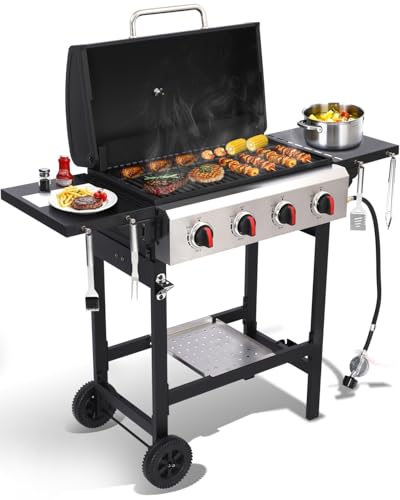
Smoke comes from wood in some form, such as pellets, chunks, chips, or charcoal with wood added for flavor. Gas and electric models can also add smoke, often with a small box or tray for wood chips. The fuel choice affects flavor, effort, and running cost, so it deserves careful thought before you buy.
Key Specs Explained in Plain English
The terms below sound technical, but each one answers a simple question: how easy is this grill to run, how steady is the heat, and how much work will it ask from you on cook day? Read them as practical trade offs when you compare the best beginner smoker grills, rather than as a race for the largest number on a spec sheet.
Beginner Friendly Features That Matter
A beginner friendly grill makes the first cooks forgiving. Look for clear controls, a readable temperature display, and a simple way to add fuel without opening the main chamber too often. A stable lid, a useful grease path, and parts that are easy to reach for cleaning also reduce stress. If setup feels like a puzzle, or if the manual leaves key steps unclear, that is a warning sign even when the price looks attractive.
Fuel Type: Gas, Charcoal, Pellet, and Electric
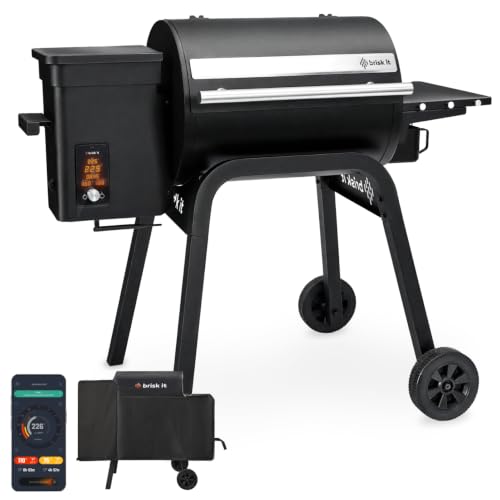
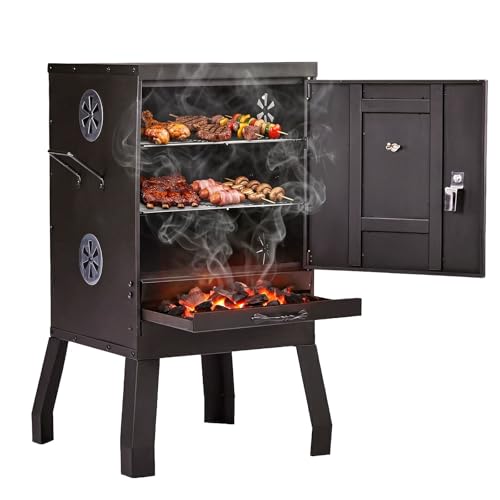
Pellet grills feed small wood pellets automatically and are often the easiest way for a new cook to hold a steady temperature. Gas models heat up fast and offer simple control, although smoke flavor is usually milder unless you use a smoke box. Charcoal gives a classic flavor and a hands on feel, but it asks for more attention to airflow and fuel timing.
Electric models are simple and steady in many settings, yet they may produce less smoke character and need a nearby power source. Think about flavor goals, patience, and where you will cook before choosing.
For a related comparison of combined grill and smoker designs, see our guide to the best grills and smokers. That comparison can help you decide whether one unit should handle both fast grilling and slow smoking, or whether a dedicated smoker fits your cooking style better.
Temperature Control and Smart Features
Temperature control is the heart of smoking. A PID controller adjusts fuel feed in small steps to keep the chamber near your target, which helps during long cooks. A meat probe lets you track internal food temperature without lifting the lid again and again, and that alone can improve results.
WiFi features can add convenience, but they do not replace a good thermometer or careful setup. If a smart feature sounds impressive yet the basic temperature control is vague, treat the basic control as the more important factor.
Assembly and Warranty
Assembly time matters more than many buyers expect. A grill that takes a long afternoon to build, with heavy parts and unclear steps, can sour the first experience. Check whether two people are advised, whether common tools are included, and whether the maker offers clear assembly help.
Warranty coverage also varies: the firebox, burners, electronics, and body may carry different terms. Read those terms before ordering, and keep the receipt and model details in a safe place.
Build Quality and Materials
Thick steel holds heat better and resists warping, while thin metal can lose heat quickly on a windy day. Stainless steel parts resist rust in many climates, and cast iron grates hold heat well for searing, although they need regular care to stay in good shape. Look at lid fit, hinge quality, and how firmly the grill sits on its legs or wheels. A solid feel at the store or in clear photos is not a guarantee, but loose lids and wobbly frames are useful warning signs.
When you compare pellet based designs, our guide to the best pellet grills and smokers explains how hopper size, pellet feed, and ash handling differ across types. Those details matter on long cooks, when running out of fuel or dealing with ash buildup can interrupt an otherwise steady session.
Fuel Cost and Availability
Running cost depends on fuel type, cook length, and local prices. Pellets are often sold by the bag, charcoal by the bag or box, and propane by tank refill or exchange. A long smoke can use a surprising amount of fuel, so a low purchase price can be misleading if fuel is costly or hard to find near you.
Before buying, check what fuel your area stocks year round and estimate the cost of a typical cook. That simple check helps you compare models on total cost, not just on the price tag.
Rookie Mistakes to Avoid
- Chasing thick white smoke: heavy smoke can taste bitter, so aim for thin, steady smoke and let flavor build slowly.
- Opening the lid too often: every peek drops chamber heat and extends cook time, so trust your thermometer instead.
- Skipping a preheat: a cold chamber gives uneven results, so bring the grill to target temperature before food goes in.
- Judging doneness by time alone: time is a guide, but internal temperature and texture give a far more reliable finish point.
- Forgetting food safety basics: keep raw and cooked foods apart, chill leftovers promptly, and follow maker guidance for cleaning.
New cooks sometimes buy the largest grill they can afford, even when they usually cook for two or three people. A very large chamber can be harder to heat evenly for a small meal and may use more fuel than needed. Match cooking area to your usual group size, and remember that a smaller, well controlled grill often gives a better first experience than a large grill that is hard to manage.
Getting Started: Setup and First Use
Start by reading the maker manual in full before the first cook, even if assembly felt simple. Place the grill outdoors on a level, stable surface away from walls, railings, and low overhangs, and keep children away from hot parts at all times. Check that grease paths are clear, grates are clean, and fuel is stored safely away from heat and moisture.
Preheat 10 to 15 minutes before cooking, then confirm that the chamber temperature has settled near your target. Clean grates while warm, using a tool suited to your grate material, and let the grill cool fully before covering or storing it. For a first cook, choose a forgiving food such as chicken thighs or pork shoulder, and keep notes on fuel, temperature, and timing so the next cook is easier.
For a broader first time perspective, see our guide to the best grills for beginners. It covers general grill buying points that pair well with the smoker specific advice here, including size, setup, and everyday ease of use.
Frequently Asked Questions
What makes smoker grills for beginners different?
Smoker grills for beginners differ mainly in how much attention they demand during a cook. They tend to offer steadier temperature control, simpler fuel handling, and clearer controls than models built for experienced cooks who enjoy manual adjustments. That does not mean they lack flavor or capacity. It means the design helps a new cook avoid the most common errors, such as large temperature swings, difficult lighting, or confusing airflow settings, while still leaving room to learn.
Is a pellet grill worth it?
A pellet grill can be worth it for a new cook who values steady temperature and simple operation. The automatic pellet feed reduces the need to tend fuel constantly, which helps during long cooks. The trade off is dependence on electricity and pellet supply, plus a flavor profile that some cooks find milder than charcoal. If you enjoy hands on fire management and want the strongest traditional smoke character, a charcoal model may suit you better despite the extra effort.
Can I use a smoker grill on a balcony?
Many apartments and shared buildings restrict grills on balconies, so you must check local rules and building rules before buying. Even where a grill is allowed, smoke can bother neighbors, and a small space may not offer safe clearance from walls and railings. An electric model may be permitted in some settings where open flame is not, but permission is never automatic. When in doubt, ask your building manager in writing and choose a safer cooking location.
How often should I clean my smoker grill?
Clean grates after each cook while they are still warm, and empty ash or grease as the maker directs. A deeper clean every few cooks helps prevent flare ups and stale flavors, especially after fatty foods. Grease buildup is both a flavor problem and a fire risk, so never let it collect unchecked. Always let the grill cool fully before a deep clean, and follow maker guidance for any chemical cleaners or tools.
How long should a good smoker grill last?
A well built smoker grill can last many years when it is covered, cleaned, and stored sensibly. Thick steel, good paint or coating, and protected electronics tend to age better than thin metal and exposed controls. Climate matters too, since rain, snow, and salty air can speed rust. Regular care matters more than price alone, so a mid priced grill that is cleaned and covered often outlasts a costly grill that is left uncovered.
How big of a smoker grill do I need?
Size depends on how many people you usually feed and whether you cook large cuts such as brisket or pork shoulder. A compact grill can suit couples and small families, while a larger chamber helps when you host often or cook multiple items at once. Remember that a very large grill can be harder to heat evenly for a small meal. Measure your cooking space first, then choose the smallest size that still fits your largest typical cook with room for air to move.
The Bottom Line
For most first time buyers, the best choice is a grill that holds steady heat, uses fuel you can buy easily, and feels simple to clean and control. Flavor matters, but control matters more at the start, because steady heat gives you room to learn timing, smoke level, and food safety without constant fire tending. Compare the picks in the table with those priorities in mind, and let your usual group size and cooking spot guide the final size.
In short, best beginner smoker grills reward patience more than power. Start with a forgiving model, keep notes on each cook, and follow maker safety and food safety guidance every time. With that approach, your first smoker can become a reliable tool for relaxed weekend cooking rather than a source of stress.