Best Affordable Gas Grills: A Buying Guide for 2026
Disclosure: We may earn a commission when you buy through links on this page, at no extra cost to you. As an Amazon Associate I earn from qualifying purchases. Learn more

Best affordable gas grills compared by burner count, materials and real cooking area, plus what a tank and hose add to the price.
Gas grilling appeals because it starts fast, adjusts with a dial and leaves no ash behind, yet the affordable end of the market is crowded with shiny cabinets hiding modest hardware. This walkthrough of best affordable gas grills focuses only on gas models and shows how to judge burners, metals and included parts before price tags sway you. Start here, then scan the product table for sizes and price bands that fit your household.
A sensible gas purchase balances three things that listings rarely state together. You need enough grate space for your usual cook, burners strong enough to heat that space evenly, and construction sound enough to repeat the job for years. The sections that follow take those checks in order.



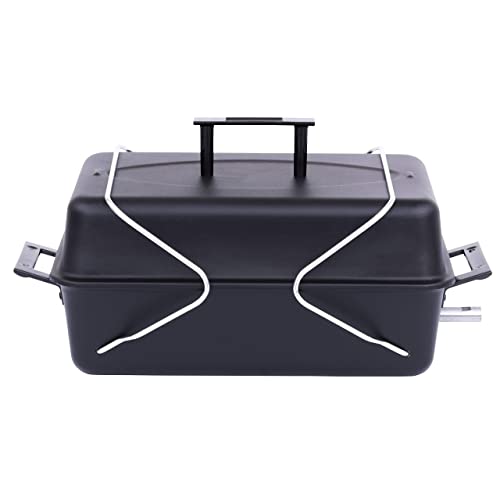
Judging the Best Affordable Gas Grills Without the Sales Language
Catalog copy leans on burner totals and polished photos. Neither tells you how a grill behaves on a windy evening with six chicken thighs crowding the grate. The checks in this section replace adjectives with things you can count, lift or price before you buy.
Burner Count Means Little Without Grate Size Beside It
Two burners heating a modest firebox will outperform four weak burners stretched across a wide one. Crowding too many burners into a low priced cabinet divides the gas supply into small flames that struggle to sear and recover heat slowly after the lid opens. Judge the pairing, not the count alone, by matching burner numbers to the width of the main grate they serve.
For a grate around 300 to 400 square inches, two burners in good condition give strong, even coverage for most meals. Moving toward 450 to 550 square inches calls for three burners so the middle of the grate does not lag behind the edges. Four burners earn their place only on genuinely wide grills, where they also create more zones for mixed loads of meat and vegetables.
Shoppers weighing gas against other value categories can glance at our guide to best affordable grills for the wider picture. Return to the gas specific checks afterward, because burner quality and propane hardware decide satisfaction here in ways that charcoal or electric shoppers never face.
Burner Metal and Replacement Pricing Tell the Lifespan Story
Burners sit in flame, grease vapor and drippings, so their material sets the clock on the whole grill. Thin stamped steel burners are the first part to rust through on low priced units, often showing pinholes and uneven flames by the third season. Tubular stainless steel burners resist that decay longer, and cast iron burners add mass that smooths heat, although they still need dry storage to avoid surface rust.
Ask a second question before you buy. Does the maker sell a replacement burner for your size, and what does it cost, commonly about $30 to $70 at this level? A grill whose burner swaps in with a few screws can gain years of service for the price of a family cookout, while a grill with no parts channel becomes disposable the day flames turn patchy.
The same logic applies to heat plates and cooking grates. Porcelain coated steel grates cook well and clean easily until the coating chips, after which rust follows the chips. Cast iron grates reward owners who season them and punish owners who leave them wet, so match the grate class to the care you will honestly give it.
Ignition Styles and Why Reliability Beats Novelty
An igniter that fails turns every start into a match and lighter routine, so this small part deserves attention. Simple push button piezo igniters have few parts and often outlast fancier systems, although they can weaken with moisture. Rotary igniters feel sturdy and suit owners who prefer a mechanical action, while battery powered electronic ignition lights multiple burners smoothly and asks only for an occasional battery change.
Whatever style you choose, confirm the electrode sits protected from drippings and that a replacement module is sold separately. Try the igniter on a floor unit if you shop in person, and press it several times rather than once. Consistent first or second try lighting in the store predicts calmer starts at home, where wind and cold make weak sparks worse.
The Full Price Includes Tank, Hose and the Space It Occupies
The advertised figure for a gas grill rarely equals the amount you spend before the first meal. Hardware, fuel and placement all add line items, and planning for them keeps an affordable purchase from drifting upward after checkout. The product table gives base prices, so use this section to complete the arithmetic.
What the Box Often Leaves Out
Many affordable models ship without a propane tank, and some expect you to supply the hose and regulator as well. A new filled tank commonly costs about $50 to $70, a refill later costs about $15 to $25, and a hose and regulator set costs about $15 to $30 when it is not included. Read the box contents line by line and add any missing pieces to the headline price before comparing models.
Terminology matters while you compare. Propane sold for grills is also described as LP gas, and our guide to best lp gas grills explains tank sizes and fittings in more depth for readers who want that background. Standard backyard grills in this price range almost always run on a refillable 20 pound tank, while small portable units may use disposable canisters that cost more per cook.
Timing can soften the total. Our notes on the best time to buy gas grills point to the seasonal windows when retailers discount floor stock and bundle tanks or covers into the deal. A patient buyer at the right moment often gains the cover and tank inside the same budget that buys only the grill at peak season.
Side Burners and the Budget They Quietly Consume
A side burner looks like free versatility, and on costly grills it can simmer beans or keep sauce warm while the main grate works. At affordable prices it usually takes money and firebox width away from the burners you use daily, and its small flame struggles outdoors in any breeze. Most owners light it rarely, then inherit an extra grate to clean and an extra valve to maintain.
Redirect that money toward the main event. A thicker grate, a sturdier cart or a fitted cover will serve you at nearly every cook, which the side burner will not. Choose a side burner only if you have a concrete habit for it, such as brewing coffee outdoors each morning or cooking strong smelling food you prefer to keep outside the kitchen.
Compact Designs for Balconies, Patios and Small Yards
Smaller gas units suit renters and small households when they keep honest burners and a stable stand. Look for a main grate near 250 to 350 square inches, legs or a cart that does not wobble on uneven pavers, and shelves that fold so the stored footprint shrinks. Our guide to best compact gas grills walks through those space saving layouts for readers whose cooking spot is tight.
Check the rules before the hardware. Many apartment buildings and local codes restrict or ban gas grills on balconies, and landlords may allow only small electric units. Measure the route from delivery point to patio as well, because an assembled cabinet that cannot pass a narrow gate or stair turn becomes an expensive problem on arrival day.
| Household pattern | Sensible burner layout | Main grate guide |
|---|---|---|
| Couples and small families | Two burners | About 300 to 400 square inches |
| Families who host often | Three burners | About 450 to 550 square inches |
| Large gatherings in one batch | Four burners on a wide firebox | About 600 square inches or more |
Heat Delivery, Control and Day to Day Cleanup
Daily enjoyment comes from how a grill heats, how calmly it holds a setting and how little work follows the meal. Modest gas grills can do all three well when you read output figures correctly and keep grease paths clear.
Output Figures Translated Into Cooking Reality
Makers advertise total BTU output, but that number climbs simply by adding burners, so it favors big grills over effective ones. A fairer check divides total output by main grate area, and many capable affordable models land near 75 to 100 BTU per square inch. Far below that band, searing turns sluggish. Far above it, gentle cooking becomes hard to hold without constant lid work.
Recovery matters as much as peak heat. A grill that drops sharply when cold food lands and climbs back slowly will steam rather than brown. Heavy grates and a lid with some weight help recovery, because stored heat in metal steadies the cooking surface while burners catch up. Thin lids and featherweight grates explain many disappointing first cooks on the cheapest units.
Be clear eyed about the floor of this market. Grills priced under $150 in full size form use very light steel throughout, and owners should expect rapid heat loss, hot spots and a short working life of a season or two. Paying into the range of about $250 to $450 typically buys the metal thickness and burner quality that change those outcomes, which is the central value judgment of this guide.
Building Two Heat Zones on a Modest Firebox
Zone cooking protects food and expands what a small grill can do. Light one side and set it high for searing, keep the other side low or unlit for finishing thick pieces and holding cooked food warm. Bone in chicken, thick pork chops and whole vegetables all benefit from a hot start and a calmer finish away from direct flame.
That method also settles arguments about doneness. Judge poultry, pork and ground meats with a thermometer placed in the thickest part, away from bone, rather than by juice color or minutes per side. A basic instant read thermometer costs about $15 to $30 and removes the guesswork that leads to dry or unsafe results, so treat it as part of the grill budget.
For a broader look at full size outdoor layouts and placement ideas, browse our guide to best outdoor gas grills after you settle your budget. Placement affects performance more than many expect, since a grill backed into a windy corner loses heat and lights less reliably than one in a sheltered spot.
Grease Handling and Grate Care That Prevent Flare Problems
Gas grills move grease toward a cup or tray, and that small container decides how clean the firebox stays. Prefer a tray that slides out from the front or side without tilting, wide enough to catch drips from the whole grate. Empty it before it fills, because an overflowing tray feeds flare ups and leaves baked residue that is far harder to remove later.
After cooking, let the grates stay warm and brush them with a brass or coil style brush suited to the grate coating. Wipe porcelain coated surfaces gently once cool, and rub cast iron with a thin film of cooking oil if the maker recommends seasoning. A few minutes on cook day replaces an hour of chiseling on the day guests arrive.
How Gas Compares When Neighbors and Rules Enter the Choice
Some buyers cross shop fuels at the same money, and a short honest comparison prevents a purchase you regret by the second month. Gas wins on speed and control. Rivals win on flavor character, running cost in certain patterns, or permission in buildings where open flame gas units are barred.
When Charcoal or Pellets Serve You Better
Choose charcoal if deep smoke flavor and very high searing heat matter more than fast starts, and if you accept lighting time and ash disposal as part of the ritual. Choose pellets if you plan long, gentle cooks and value set temperature cooking with wood smoke, while accepting higher purchase cost, electricity use and moving parts that need cleaning. Neither choice is wrong, but each trades away the instant on, instant off ease that defines gas.
When Electric Is the Only Permitted Route
Choose electric when building rules, balcony bans or indoor adjacent spaces rule out gas entirely. Electric units heat a plate or element rather than a flame, so crust and smoke stay milder, yet they cook burgers and vegetables reliably and clean with little fuss. Confirm the circuit can carry the load and keep cords dry and clear of walkways, and accept the flavor trade with open eyes rather than expecting flame grilled results.
Seasonal Checks and Simple Upkeep for Gas Models
Use gas grills only outdoors, on firm level ground, with the manual clearances open around the lid and vents. Keep the cooking area away from siding, eaves and dry storage, and never grill inside a garage or under a low cover that traps heat and fumes. Stay with the grill while it is lit, and keep a clear path to the tank valve so you can shut off fuel quickly if flames surge.
Tank habits protect both safety and flavor. Store tanks upright and outdoors, never in a living space or a hot enclosed box, and do not keep a spare tank tucked beneath the grill where heat collects. After every tank change, brush soapy water along the hose connections and valve, then open the tank slowly and watch for growing bubbles, which signal a leak that must be fixed before lighting.
If grease ignites inside the firebox, resist the urge to spray water, because water on burning grease spreads fire and can throw hot droplets. Close the lid if it is safe to reach, turn the burners off and close the tank valve, then let the fire burn out as oxygen fades. Review the grease tray and firebox after any flare event, since heavy buildup is usually the cause and will repeat until removed.
Twice each season, inspect burner ports for rust flakes and spider webs, both common causes of weak or yellow flames. Clear ports with a soft brush or a pin used gently, check the hose for cracks along its whole length, and confirm the igniter still sparks strongly. Cover the grill between uses, and lift the cover after heavy rain so moisture does not linger against painted steel.
Gas Grill Questions Answered
What does BTU per square inch reveal that total BTU hides?
BTU per square inch reveals how much heat is spread across the food you actually cook. Total BTU rises with grill size, so a large grill can advertise a huge figure while heating each inch weakly. Divide total output by the main grate area and compare that result across models of similar size. A balanced figure near the middle of the range usually cooks more evenly than an extreme figure at either end.
Are four burners always better than two on an affordable grill?
No, four burners are not always better than two on an affordable grill. On a narrow firebox, four small burners share limited gas flow, cost more to replace and create zones too small to use well. Two stronger burners heat a compact grate evenly and leave money for better metal elsewhere in the build. Match burner numbers to grate width, and prefer fewer, healthier burners whenever the budget forces a choice between quantity and quality.
How long can a well kept affordable gas grill serve?
A well kept affordable gas grill can serve about five to eight seasons of regular use. Burners and heat plates may need one replacement inside that span, which is normal wear rather than failure. Life shortens sharply when grease sits in the firebox, covers stay off through winter and tanks or hoses go unchecked. Life lengthens when parts are available and cheap, which is why parts pricing belongs in the original purchase decision.
Why does my new grill cook hotter on one side?
Uneven heat on a new grill usually comes from burner alignment, a partly blocked port or wind pushing flame sideways. Check that the burner sits level on its mounts and that every port row is clear, then rotate the food halfway through cooking while the grill settles in. A modest difference between sides is common at this price and cooks learn their own map quickly. A severe cold half signals a defect worth raising with the seller early.
Is a built in lid thermometer accurate enough for roasting?
A built in lid thermometer is accurate enough only as a rough guide for roasting. It measures air near the lid, which can read far above the temperature at grate level where the food sits. Use it to spot big swings, such as a burner failing or a tank running low, and rely on a probe or instant read thermometer in the food itself for doneness. That two tool habit costs little and prevents most roasting disappointments.
Final Thoughts
Keep the decision anchored to three checks and the choice becomes manageable. Match burner strength to grate size, insist on burner metal and parts support you can afford to maintain, and count the tank, hose and cover inside the price from the start. With those checks done, the product table will help you confirm the best affordable gas grills for your space and habits, so revisit it once more before you place an order.