
Best Affordable BBQ Grills by Budget for 2026
Disclosure: We may earn a commission when you buy through links on this page, at no extra cost to you. As an Amazon Associate I earn from qualifying purchases. Learn more

Best affordable bbq grills sorted by budget, fuel and build quality, with tips on grate class, metal thickness and cooking area.
Prices for outdoor grills span about $100 to well past $1,000, and the sticker alone tells you very little about what you are really buying. This guide to best affordable bbq grills sorts the spending into clear budget steps so you can see where extra money buys thicker metal and better parts, and where it only buys decoration. Read it before you shop, then use the comparison table below to match a budget step to your yard and your cooking habits.
The honest starting point is simple. At low prices every grill involves compromise, and the smart move is choosing which compromise you can live with. A small household that grills burgers twice a month needs something very different from a family that cooks for eight people every weekend.

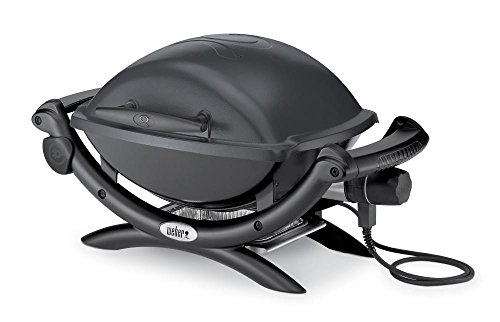
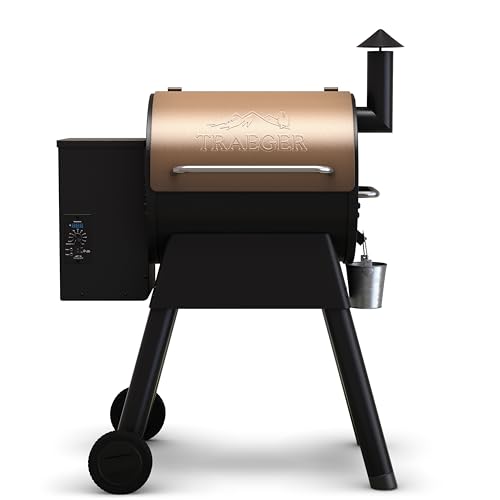
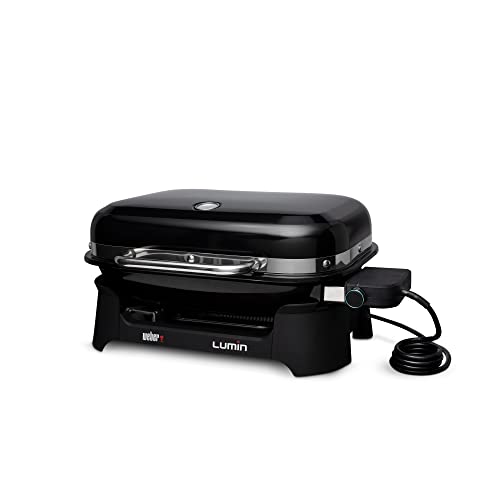


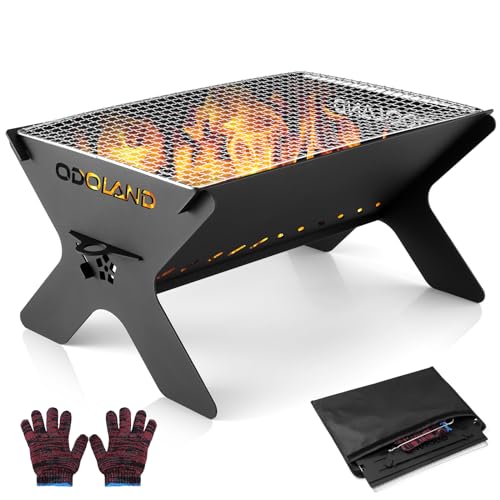
Start With the Fuel Fork at Your Price Point
Budget shopping for a barbecue grill goes wrong when buyers compare a charcoal kettle, a gas cabinet and a pellet unit as if the dollars meant the same thing in each class. They do not. Each fuel carries its own floor price for decent build quality, so decide the fuel first and then judge value inside that class.
Where Charcoal Is the Honest Full Size Answer
At the lowest spending level, about $100 to $200, charcoal is the only route to a genuinely full size cooking surface with sound construction. A simple kettle or barrel design in that range can have a solid steel bowl, a hinged or lift out grate and vents that actually seal. The same money spent on gas buys a small firebox, thin burners and an ignition system that often struggles within a couple of seasons.
That trade is worth stating plainly. If your total budget sits near the floor and you want room for a whole chicken or two racks of ribs, choose charcoal and accept the lighting time and ash handling that come with it. You give up push button starts and fine heat dials, but you keep the two things that matter most at this price, which are cooking space and metal that will not warp in the first summer.
Buyers who want a wider view of the category before narrowing by price can start with our overview of best bbq grills and then return to the budget steps here. That broader look helps you see how kettle, barrel, kamado and cabinet designs differ before money enters the decision.
The Middle Step Where Construction Improves Fast
Between about $200 and $400 the picture changes for every fuel. Lids gain weight and hold heat with less flutter in wind, grates move from thin wire to heavier rods or cast iron, and charcoal trays or gas burners start to use thicker stock. This is also the level where a pellet grill becomes a realistic purchase rather than a cut down imitation, although cooking area stays modest.
For gas shoppers this middle step is the first point where two or three burners cover the grate evenly enough for indirect cooking. For charcoal shoppers it buys adjustable coal height, which gives real control for searing and for low and slow cooking without rebuilding the fire. Pellet shoppers gain a hopper sized for a long cook and a controller that holds a set temperature within a useful range.
If you are comparing this middle ground against a still broader value search, our guide to best affordable grills covers value picks across outdoor cooking gear as a whole. Keep the focus here on barbecue duty, because a grill asked to sear, roast and smoke needs heavier parts than a unit built only for quick weeknight meals.
The Upper Affordable Edge and What It Adds
Spending about $400 to $650 still counts as affordable in this category, and it buys durability more than spectacle. Expect stainless steel burner tubes or heavy cast iron grates, a double layer lid insert on some designs, and cabinets or carts that stay square when rolled across a patio. Temperature gauges become more trustworthy, and replacement parts are easier to find because makers support these lines longer.
What this step does not buy is immunity from care. Even at the top of the affordable range, covers, grate cleaning and dry storage decide whether a grill lasts four seasons or nine. Shoppers tempted to stretch further should ask whether the extra money buys thicker steel or only extra burners, side shelves and branding, because the second list adds little to the food.
Pellet curious readers will find the dedicated breakdown of best pellet bbq grills useful at this step, since pellet value turns on hopper size, controller accuracy and pellet use per hour. Compare those points against charcoal and gas at the same money before you commit to one fuel for years.
What Each Extra Dollar Buys in Grates, Steel and Heat Parts
The product table above lines up sizes and prices, but tables cannot show metal thickness or grate weight. This section translates budget steps into the physical parts you can check in a store or in listing photos, so you can judge any model without relying on marketing words.
Grate Material Steps Up in Clear Stages
The cheapest grates are thin steel wire with a light coating, and they flex under a heavy pan and lose their finish quickly. The next step is porcelain coated steel, which resists rust while the coating stays intact and cleans more easily, but chips if you strike it with metal tools. Porcelain coated cast iron is heavier, holds heat for stronger sear marks and forgives less careful handling only if you keep it seasoned and dry.
Stainless steel grates sit at the top of the affordable ladder. Thick stainless rods resist rust, tolerate metal tools and keep their shape for years, although food can stick more than on a seasoned iron surface. When you compare two grills at similar prices, lift the grate if you can. Weight in the grate is one of the most honest signals of where the maker spent money.
Firebox and Lid Thickness Decide Heat and Longevity
Thin firebox walls lose heat to the wind, burn extra fuel and rust through at the corners where ash and moisture collect. A lid that feels light and rings when tapped will struggle to hold a steady low temperature and will show heat discoloration early. Thicker steel feels dull and heavy, closes with a solid sound and keeps cooking steadier on a breezy evening.
There is a plain floor under this whole category. Below about $100 for a full size grill, you are generally buying a season or two of use rather than a lasting appliance, whatever the listing promises. The metal is thin, the legs and hinges are light, and hot spots are severe because burners or coal beds sit close under a small grate. Naming that floor honestly saves money, because one grill at about $250 usually outlasts two grills bought at the lowest price.
Burners, Coal Trays and the Parts That Wear First
On gas models the burner is the lifespan part. Thin stamped burners rust at the ports and produce yellow, uneven flames, while cast iron or stainless tube burners cost more and can often be replaced for about $25 to $60 when they finally wear. Readers set on bottled gas can compare burner layouts in our guide to best bbq grills propane and note which designs publish replacement burner prices.
On charcoal models the coal tray or grate takes the punishment. A heavy coal grate with room for ash below it keeps air flowing during long cooks, and an ash pan that slides out without spilling makes cleanup realistic after every session. On pellet models look at auger access and hopper drainage, because a jam cleared in minutes is a nuisance while a jam that needs full disassembly ends the cook.
| Budget step | Typical grate class | Build signal to check |
|---|---|---|
| About $100 to $200 | Steel wire or light porcelain coated steel | Bowl or firebox weight and leg stability |
| About $200 to $400 | Porcelain coated cast iron on many models | Lid weight, burner or coal tray thickness |
| About $400 to $650 | Heavy cast iron or stainless rods | Parts availability and cabinet rigidity |
Judging Cooking Area, Heat Control and Extras Without Overpaying
Listings compete on big numbers, and affordable grills are where those numbers stretch furthest. Learning how makers count area and output lets you compare fairly and keeps you from paying for space and power you cannot actually use.
Cooking Area Counts Differ, So Measure the Main Grate
Many listings add the warming rack into the headline cooking area, and some add side shelves or secondary racks as well. A warming rack is useful for buns and resting meat, but you cannot sear on it and food there cooks slowly in rising heat. Compare grills by the main grate alone, measured in square inches, and treat anything above it as bonus space.
As a working guide, about 300 square inches of main grate handles food for two to four people in one batch. About 400 to 500 square inches suits most families and small gatherings, while larger groups either need about 600 square inches or a cook willing to work in batches. A slightly smaller grate with even heat beats a larger grate with cold corners, because usable area matters more than printed area.
Control Comes From Vents, Burner Layout and Lid Fit
Charcoal control lives in the vents and in how well the lid seals. Dampers that turn smoothly and stay where you set them let you hold a low fire for ribs or open up for a hard sear. Gas control lives in burner separation, since two or three independently lit zones let you build a hot side and a gentle side for finishing thick cuts.
Pellet control lives in the controller and the meat probe. A basic controller that holds within about 25 degrees of the set point cooks very well, and one accurate probe you trust beats two probes you ignore. Across all fuels, a meat thermometer you insert by hand remains the deciding tool. Color, cooking time and the feel of the meat can guide you, but only a thermometer reading confirms doneness, so budget about $15 to $30 for a decent instant read model if you do not own one.
Shoppers who want smoke flavor alongside grilling should read our guide to best bbq grills and smokers before paying extra for smoke tubes or trays. A dedicated smoker section or a larger firebox may serve that goal better than accessories added to a small grill.
Extras That Sound Premium and Rarely Earn Their Price
Side burners top the skip list for most households. They add cost, plumbing and a cleaning burden, and many owners use them only a handful of times for sauces that a kitchen stove handles better. Built in lights, bottle openers and decorative trim add nothing to heat or durability, and glass viewing windows cloud quickly and leak heat.
Spend instead on the unglamorous parts. A fitted cover at about $25 to $50, a brass bristle free brush or coil brush, and a spare grate or burner in later years protect the purchase far more than gadgets. If a bundle forces a choice, take the heavier grate and simpler feature set every time at this budget.
Ownership Costs Beyond the Price Tag
Fuel is the recurring cost that separates the classes. A bag of charcoal for a long cook costs about $4 to $8, a propane tank refill covering many sessions costs about $15 to $25, and pellets for a long smoke cost about $5 to $10 depending on wood type and burn rate. Electric grills cost the least to run per session where building rules allow them, but they give a milder sear than flame.
Add replacement parts to the picture. Grates, ignition modules, hoses and regulators all wear, and a maker that sells those parts at fair prices lowers the true cost of a mid priced grill below that of a cheaper unit with no parts support. Warranty length matters less than warranty clarity, so read what is covered for burners and fireboxes specifically, because those sections often carry different terms from the frame.
Safe Setup, Cleaning Rhythm and Storage
Every grill in this guide belongs outdoors on a level, noncombustible surface, with the clearances the manual states kept open above and behind the unit. Never use a charcoal, gas or pellet grill in a garage, tent or enclosed porch, and never leave a lit grill unattended while food cooks. Keep children and pets outside the cooking zone, and let the grill cool fully before you roll it against a wall or cover it.
Grease control is the main fire precaution. Empty or replace the grease tray on the schedule the manual gives, and scrape heavy buildup from the firebox before it can pool near the burners or coals. If grease catches fire, follow the manufacturer's instructions, and never spray water on a grease fire, because water spreads burning grease and can cause a dangerous flare.
Charcoal ash needs patience. Let ash sit until it is fully cold, at least 48 hours after the fire dies, then move it into a lidded metal container kept away from walls and decks. For gas models keep tanks upright and outdoors, check connections with soapy water after every tank change and watch for bubbles that show a leak, and never store a spare tank under the grill where heat gathers.
Routine care is short. Brush the grate while it is still warm after cooking, oil cast iron lightly if the maker advises it, and check the firebox corners each season for rust starting at seams. A cover helps against rain, but lift it after storms so trapped moisture does not sit against the steel for days.
Best Affordable BBQ Grills: Questions Answered
How many burners does a family gas grill really need?
Most families cook best on two or three burners rather than four or five. Two or three burners give you a hot zone and a gentle zone, which covers searing, roasting and warming in one session. Extra burners on a small firebox split the same total heat into weaker sections and add parts that can fail. Choose burner count by grate width first, then check that each burner can be lit and adjusted on its own.
Is cast iron or porcelain coated steel better for grates?
Cast iron is better if you will season it and keep it dry, because it holds heat and marks food strongly. Porcelain coated steel is better if you want easier cleaning and less rust worry, provided you use wooden or silicone tools that will not chip the coating. Once porcelain chips, the steel beneath rusts at that spot. Either class cooks well when it is thick, so weight matters more than the label alone.
Can an affordable grill handle low and slow barbecue?
Yes, an affordable grill can cook low and slow if it seals reasonably well and lets you control air or burner output. Charcoal models need a two zone fire and patient vent work, gas models need one burner lit with food placed away from it, and pellet models do this work most easily. Expect more checking than with costly gear, and keep a thermometer in the meat and one near the grate so you know the real temperature.
What size grill suits a small patio without crowding it?
A main grate of about 280 to 360 square inches usually suits a small patio and still feeds four people in batches. Measure the space with the lid open and the side shelves up, because listings measure the body with shelves down. Leave room to stand beside the grill with a tray and to keep the required clearance from railings and walls. A compact grill you can move and cover easily will be used more than a large one that blocks the doorway.
When is a cheap grill a false saving?
A cheap grill is a false saving when its firebox or burners will need replacement within two seasons and no parts are sold for it. Add the likely second purchase to the first price and the total often passes the cost of one sturdier grill. Thin legs, a lid that twists when lifted and a grate that flexes under two hands are early warnings. Walk away from those signs even when the discount looks large.
Final Thoughts
Good value in this category comes from a short list of checks. Pick the fuel that fits your patience and your space, buy the heaviest grate and firebox your budget allows, and judge size by the main grate rather than the headline number. The product table above can then confirm prices and dimensions for the best affordable bbq grills that match your step, so take one more look at it with those checks in mind before you order.


