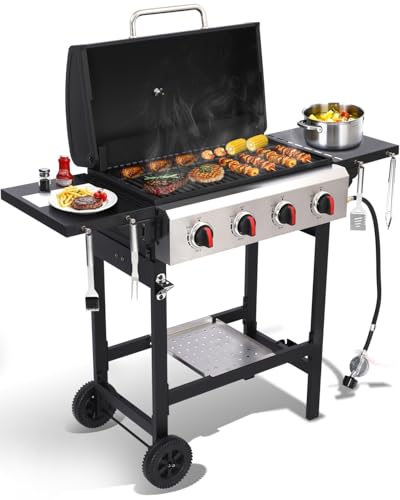
Best Backyard Gas Grills for 2026: Every Type Explained Side by Side
Disclosure: We may earn a commission when you buy through links on this page, at no extra cost to you. As an Amazon Associate I earn from qualifying purchases. Learn more

Choose the best backyard gas grills by comparing fuel, cooking space, and upkeep, plus how gas stacks up against kamado, smoker, and charcoal cookers.
Choosing among the best backyard gas grills can feel confusing because the market mixes simple carts, large multi burner models, and cookers built for smoking. The comparison table below lays out the main types side by side, so you can see the tradeoffs before you spend. Use it to match a grill to the way you actually cook, not to the largest cooking surface you can find.
A good backyard grill should fit your patio, your fuel supply, and your patience for setup and cleaning. Some cooks want fast weeknight heat, while others enjoy long weekend sessions with wood smoke. This guide explains each type in plain terms, covers the features that matter most, and points out common mistakes that shorten a grill life.


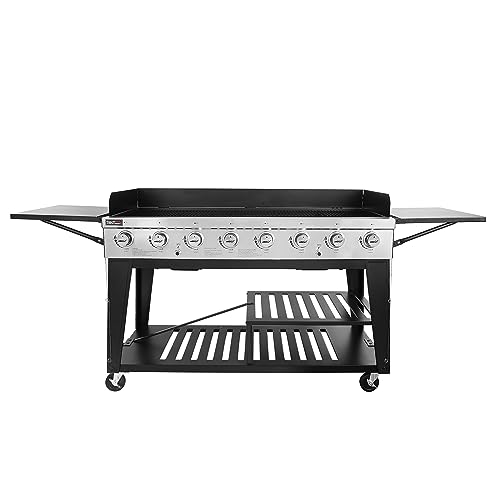
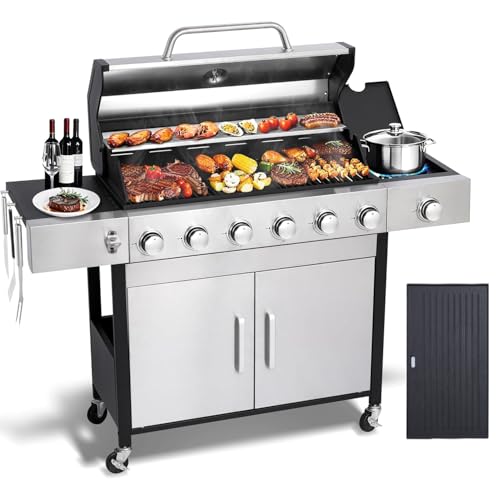
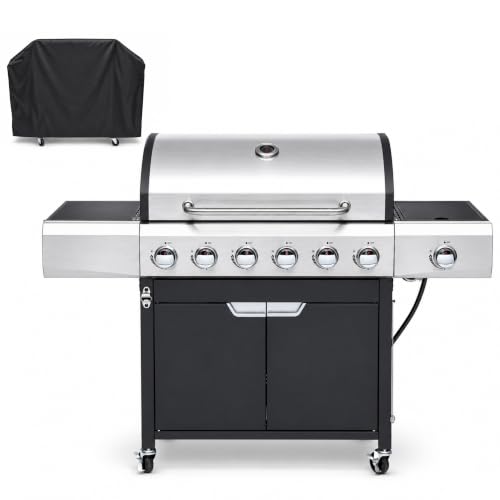

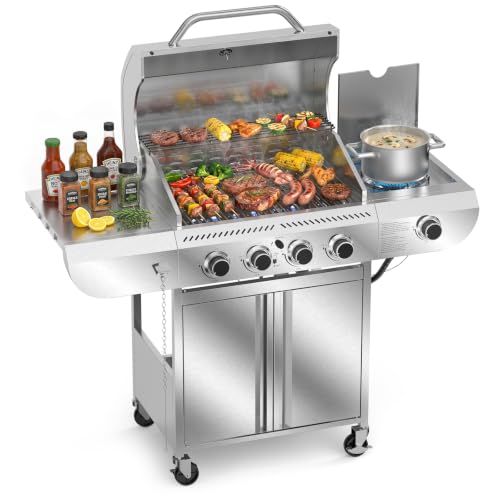

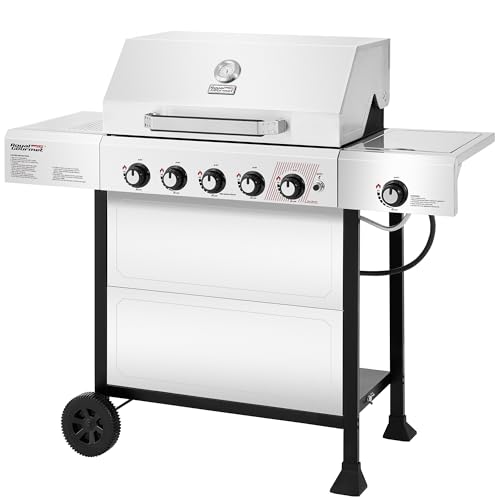

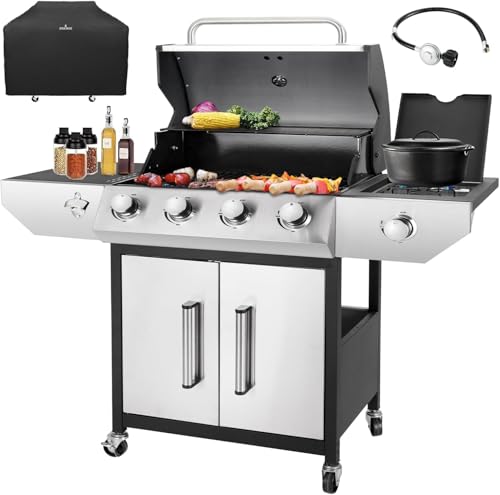
How Backyard Gas Grills Compare to Other Options
Gas grills win many buyers with quick ignition, steady heat, and simple temperature control. Other cooker types offer different flavors and different work, so the right choice depends on how much time you want to spend tending a fire. The table below gives a quick view, and the sections that follow explain each comparison in more detail.
| Type | Best For | Pros | Cons | Typical Price |
|---|---|---|---|---|
| Gas grill | Fast weeknight cooking | Quick heat, easy control | Less smoke flavor | About $250 to $900 |
| Kamado grill | High heat searing and slow cooking | Strong heat retention, versatile | Heavy, slower to learn | About $700 to $1,500 |
| Vertical smoker | Long smoke sessions | Deep smoke flavor, large capacity | Long cook times, more tending | About $300 to $900 |
| Charcoal grill | Classic grilled flavor | High heat, lower entry cost | Longer startup, ash cleanup | About $100 to $600 |
Backyard Gas Grills Compared With Kamado Grills
Kamado cookers use thick ceramic walls to hold heat for a very long time, which makes them strong for searing steaks and for slow cooking large cuts. A gas grill heats faster and lets you change temperature with a knob, so it suits cooks who want dinner on the table with little waiting. Kamado models are heavy and need more care when moving them, and their round shape can limit space for long racks of ribs.
Choose a kamado style cooker if you enjoy learning fire control and want one cooker that can grill, roast, and smoke. Choose gas if you grill several times a week, cook for a family on busy evenings, or want a simple start every time. Many keen cooks keep a gas grill for everyday meals and add a kamado later, once they know how often they will use the slower style.
Backyard Gas Grills Compared With Vertical Smokers
Vertical smokers are built for low and slow cooking, with racks stacked above a heat and smoke source. They give brisket, pork shoulder, and ribs a deep smoke character that a standard gas grill cannot match on its own. The tradeoff is time, since a single cook can take many hours, and you must watch fuel, water, and temperature through the session.
A gas grill is the better everyday choice if you mostly cook burgers, chicken, vegetables, and fish. A vertical smoker suits cooks who plan weekend projects and enjoy the process as much as the meal. If you want a hint of smoke from a gas grill, use a smoker box with wood chips, but expect a lighter result than a dedicated smoker can give.
Backyard Gas Grills Compared With Charcoal Grills
Charcoal grills give a classic grilled taste and can reach very high heat for searing, often at a lower entry price than gas. They also need more time to light, more attention while cooking, and ash cleanup after each session. Gas grills start with a push button or igniter, hold a steadier temperature, and shut down quickly when dinner is done.
Pick charcoal if flavor and high heat matter most and you do not mind the extra setup. Pick gas if convenience, repeatable results, and quick cleanup matter more. Some households use both, with gas for weeknights and charcoal for weekend cooks, but most first time buyers are happier starting with gas and learning grill basics first.
Who Should Buy the Best Backyard Gas Grills?
Gas grills suit families who grill often, hosts who cook for groups, and cooks who want reliable heat without learning fire management. They work well for apartments with a suitable outdoor space, suburban patios, and homes where dinner needs to be ready soon after work.
Gas may not suit cooks who want deep smoke flavor as their main goal, or who enjoy tending a live fire for hours. It can also be a poor fit for very small balconies where local rules, clearance, and fuel storage are tight. If you cook mainly for one or two people and rarely grill, a smaller portable model may serve you better than a large multi burner cart. Always check local rules and maker guidance for clearance, fuel storage, and safe placement before you buy.
How to Choose the Right Backyard Gas Grill
Start with fuel, cooking space, and footprint, then look at build quality and parts you can replace. A grill that is easy to clean and easy to light will get used far more than a larger model that feels like a chore. The product table can help you compare layouts, but the details below matter just as much as the headline burner count.
Fuel Type and Cooking Style
Most backyard gas models run on propane from a refillable tank, while some connect to a natural gas line. Propane gives flexibility because you can move the grill and refill tanks at many stores, while a fixed gas line removes tank swaps but limits placement. Charcoal and pellet cookers offer different flavors and slower routines, and electric models suit places where open flame is restricted. For a guide to outdoor models in general, see our guide to the best outdoor gas grills.
Think about flavor, convenience, and running cost together. Gas gives clean heat and fast control, charcoal gives stronger grilled flavor with more work, and pellets give wood smoke with electric help. If you grill mainly on weeknights, gas is hard to beat. If weekend smoke is your main joy, a dedicated smoker may be worth the extra time.
Fuel Cost and Availability
Propane cost varies by region and tank size, but a standard tank usually covers several shorter grilling sessions before it needs a refill. Keep a spare tank if you host often, so a cookout does not stop halfway through. Natural gas can cost less per cook once installed, yet installation may need a qualified professional and a fixed location.
Charcoal and pellets add a different kind of running cost, since you buy fuel for each cook and may use more for long sessions. Check local availability before you commit to a less common fuel, especially if you live far from a large home store. A grill that is cheap to buy but costly or hard to fuel can become frustrating within a season.
Cooking Area and Capacity
Cooking area is usually given in square inches, and it helps to translate that number into food. A compact grill may hold about eight burgers at once, while a large model can handle burgers, chicken, and vegetables for a crowd. Primary cooking space matters most, since a warming rack is useful for holding food but poor for searing.
Count the people you feed most often, then add room for side dishes and resting space. Burner layout matters too, because widely spaced burners give better zones for direct and indirect cooking. If you often cook foods that need different heat levels, look for at least three burners and a layout that lets one side stay cooler.
Portability and Footprint
Measure your patio or deck before you shop, and leave clearance on all sides as the maker directs. Wheels help you move a grill for cleaning and storage, but large carts still need a flat path and a sheltered spot. Folding shelves can save space, yet they reduce work surface when folded, so think about how you prep and serve.
Tailgating and camping call for smaller, lighter models with secure latches and easy fuel handling. A full size backyard cart is a poor travel choice, even if it has wheels. For a smaller yard, a compact cart or tabletop model may fit better and still cook well for a family. For budget focused shoppers, see our guide to the best inexpensive gas grills.
How to Make Your Backyard Gas Grill Last Longer
Preheat for 10 to 15 minutes before cooking, then brush the grates while they are warm. Warm grates release food more easily than cold ones, and regular brushing keeps buildup from turning into a thick layer. Empty the grease tray often, since pooled grease can cause flare ups and unpleasant smoke.
Cover the grill when it is cool and dry, and check for rust around burners, fasteners, and the firebox each season. Replace worn igniters, burner tubes, and grates with parts made for your model rather than forcing a close fit. Store propane tanks upright outdoors, away from heat and living spaces, and follow maker guidance for leak checks. Use grills outdoors only, never leave a lit grill unattended, and keep children and pets away from hot surfaces.
Frequently Asked Questions
What type of backyard gas grill gives the best flavor?
No single type wins for every cook, because flavor comes from heat, fat, smoke, and seasoning together. Gas gives clean, even heat and lets marinades and rubs stand out, while charcoal and wood add stronger smoke notes. You can add a smoker box with wood chips to a gas grill for a light smoke hint. For the deepest smoke flavor, a dedicated smoker remains the better tool, though it needs far more time and attention.
How often should I clean my backyard gas grill?
Brush the grates after most cooks, while they are still warm, and empty the grease tray before it fills. Deep cleaning every few months should cover the firebox, burner covers, and drip system, with extra care after fatty cooks. A quick wipe of exterior surfaces keeps the finish in better shape and makes rust easier to spot. If food sticks often or flames turn uneven, cleaning is the first step before you suspect a part failure.
Should I choose a propane or natural gas backyard grill?
Propane suits most buyers because the grill can sit anywhere on the patio and you can swap or refill tanks at many stores. Natural gas removes tank refills and can cost less per cook, but it needs a gas line, often installed by a qualified professional, and fixes the grill in one spot. Check which fuel a model is built for, since many grills are set up for only one and conversion needs the maker's approved kit and instructions.
Can I use a backyard gas grill on a balcony?
It depends on local rules, building rules, and the clearance and fuel guidance from the grill maker. Many apartments and condos restrict gas grills on balconies, and some allow only electric models or no grills at all. Check your lease, building policy, and local fire rules before you buy, and never store a propane tank indoors. When rules allow gas, keep the grill away from walls, railings, and overhead coverings as directed.
How long should a good backyard gas grill last?
A well built grill can last many years when it is cleaned, covered, and stored correctly, while a lightly built model may wear out sooner. Stainless steel parts, thick grates, and replaceable burners tend to age better than thin painted parts. Harsh weather, salt air, and grease buildup shorten life, so covers and regular checks matter. If burners, igniters, and grates are easy to replace, you can extend the useful life without buying a whole new grill.
How big of a backyard gas grill do I need?
Choose size by the number of people you feed most often, not by the largest party you might host once a year. A compact model suits one to four people, a mid size model suits most families, and a large model suits frequent hosts. Leave room for indirect cooking, since crowded grates cook unevenly and make turning food harder. If space is tight, a smaller grill with good burner zones often cooks better than a large grill squeezed onto a small patio.
Our Verdict
For most backyard cooks, gas offers the best mix of speed, control, and easy cleanup. Match the size to your usual crowd, pick a fuel setup you can maintain, and favor solid construction over extra features you may rarely use. The best backyard gas grills are the ones that fit your space, your fuel supply, and the way you like to cook. For a closer look at propane models, see our guide to the best lp gas grills, and for a broader backyard view, see our guide to the best backyard grills.