Best Affordable Propane Grills Made Simple for 2026: A Clear Buying Guide
Disclosure: We may earn a commission when you buy through links on this page, at no extra cost to you. As an Amazon Associate I earn from qualifying purchases. Learn more

A plain-English guide to the best affordable propane grills: cooking area, heat control, build quality, and safety basics for first-time buyers.
If you have never owned a grill before, shopping for the best affordable propane grills can feel like learning a new language, with burners, BTUs, and cooking area all competing for your attention. The good news is that a propane grill is one of the easiest grills to learn, because it lights quickly, heats evenly, and lets you adjust the temperature with a knob.
This guide explains the basics in plain English, walks through the specs that matter, and flags the rookie mistakes that cost new grill owners time and money. Read the product table for a quick overview, then work through the sections in order if you want a confident first purchase.



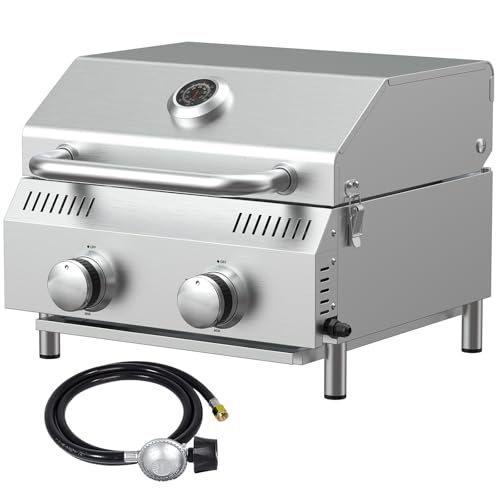
Best Affordable Propane Grills 101: The Basics
A propane grill burns gas from a refillable tank, and that gas feeds one or more burners under a cooking grate. When you open the tank valve, turn a burner knob, and press the igniter, the burner lights and heats the grate above it. Food cooks from the heat below and from hot air trapped under the closed lid, which is why lid position matters so much for even cooking.
Most home grills use a standard 20 pound tank that you exchange or refill at a grocery store, gas station, or home improvement store, and one tank usually lasts for several cookouts depending on burner count and cooking time. Keep a spare tank on hand when you host guests, so a cookout does not end early because the gas runs out mid meal. Check the tank gauge or lift the tank gently to judge how much fuel remains, and always transport tanks upright with the valve closed.
For a first time buyer, the main appeal is control. You can preheat in about 10 to 15 minutes, turn one side down for gentle cooking, and turn the heat off at once when you finish. You do not need to manage charcoal, wait for coals, or deal with ash, although you do need to store the tank upright outdoors and check connections for leaks with soapy water before first use.
Key Specs Explained in Plain English
Specs are only useful when you know what they change on the grate. The sections below translate each spec into a cooking result, so you can tell which numbers deserve your money and which ones are marketing noise.
What You Can Realistically Get on a Budget
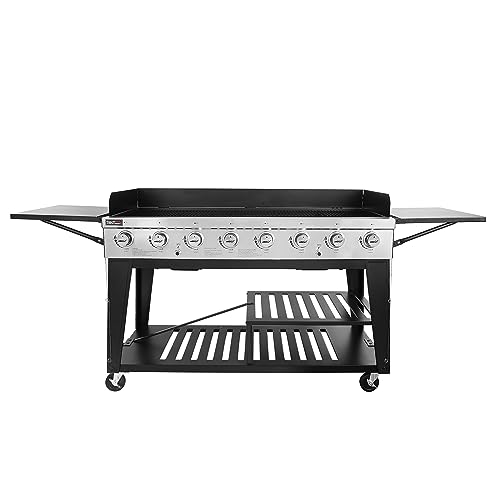
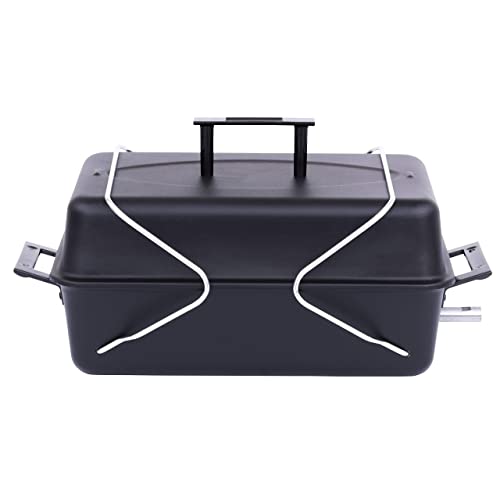
The best affordable propane grills usually offer two or three burners, a cooking area large enough for a family meal, a basic thermometer in the lid, and a simple grease tray. Expect thinner metal, fewer convenience features, and a shorter warranty than a premium grill, and plan to cover the grill when it is not in use.
Do not cut corners on a stable cart, a working igniter, and even heat across the grate, because those three points decide whether cooking feels easy or frustrating. Prices for solid budget models often run about $150 to $350, while compact tabletop models cost less and larger cabinet grills cost more.
Fuel Type: Gas, Charcoal, Pellet, and Electric
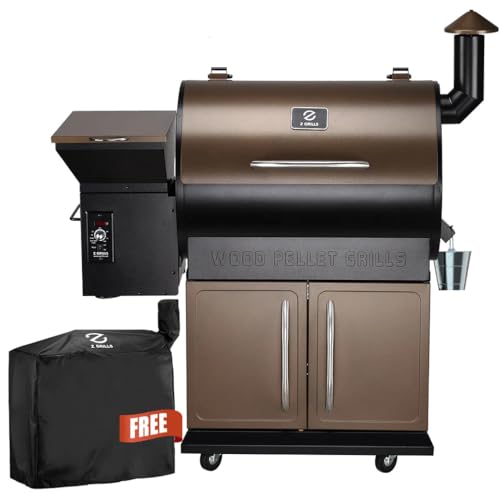
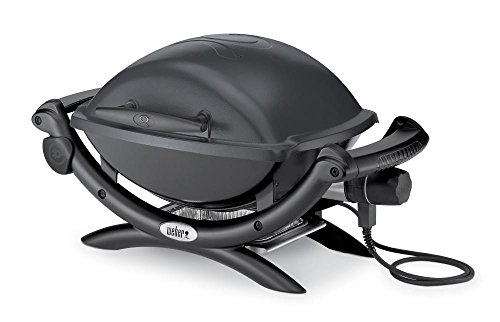
Propane wins on speed and control, charcoal wins on smoky flavor but takes longer and needs more attention, pellet grills add wood smoke with electric controls at a higher price, and electric grills suit places where open flame is restricted. If you want weeknight burgers and chicken without a long setup, propane is the practical pick. If you love slow smoked flavor above all else, a pellet or charcoal grill may suit you better, but expect more time and more cleanup. For a broader price comparison, see our guide to the best affordable grills.
Heat Output and Temperature Range
BTU ratings describe how much heat the burners can produce, but total BTUs alone do not tell you how hot the grate gets or how evenly it heats. A better check is BTU per square inch of cooking area, plus whether the grill can hold a low temperature for slow cooking and reach a high temperature for searing. Look for a grill that can hold about 225 degrees for low and slow cooking and still sear a steak well, and judge evenness by how the maker describes burner layout rather than by the biggest BTU number on the box.
Build Quality and Materials
Build quality shows up in the thickness of the firebox, the weight of the grates, and how solid the cart feels when you move the grill. Stainless steel resists rust well, cast iron grates hold heat and give strong sear marks but need regular oiling, and porcelain coated grates are easier to clean but can chip if scraped hard. At a budget price, a well built grill with a simple design often lasts longer than a flashy grill with thin panels and many small parts. Quality focused shoppers can also compare our guide to the best quality propane grills.
Temperature Control and Smart Features
Good temperature control starts with separate burner knobs, a lid thermometer you can read at a glance, and vents or dampers that do not stick. A meat probe helps you cook chicken and thick steaks safely, and a simple probe beats a complex app when you are learning. Features such as WiFi control and PID style controllers belong mainly to pellet grills, so do not pay extra for them on a propane grill unless you truly want remote monitoring. For classic barbecue styling, see our guide to the best bbq grills propane.
Rookie Mistakes to Avoid
- Skipping preheat: a cold grate sticks to food and cooks unevenly, so always preheat for 10 to 15 minutes with the lid closed.
- Opening the lid constantly: every peek drops the temperature and stretches cooking time, so check food on a schedule instead.
- Cranking every burner to high: high heat suits searing, but most food cooks better over medium heat with one cooler zone for finishing.
- Ignoring grease: a full grease tray is a fire risk, so empty and wipe it often and never leave a hot grill unattended.
- Storing the tank indoors: propane tanks belong upright outdoors in a ventilated spot, never in a garage, basement, or living space.
Getting Started: Setup and First Use
Start by placing the grill outdoors on a level surface away from walls, railings, and overhangs, and confirm that local rules allow grilling where you plan to cook. Connect the tank by hand, open the valve slowly, and brush soapy water on the connections to check for bubbles that signal a leak. If you smell gas or see bubbles, close the valve, move away, and do not light the grill until the connection is fixed.
For first use, preheat for 10 to 15 minutes before cooking, brush the grates while warm, and cook a simple meal such as burgers or chicken thighs so you can learn how your grill heats. Clean the grates while warm after cooking, empty the grease tray once it cools, and cover the grill to protect it from rain. If you plan to compare gas options more broadly, see our guide to the best affordable gas grills, and for barbecue focused models, see our guide to the best affordable bbq grills.
Propane Grills: Your Questions Answered
How often should I clean my propane grill?
Brush the grates while warm after every cook, and do a deeper clean of the firebox, flavorizer bars, and grease tray every few months or after heavy use. Frequent light cleaning prevents flavor transfer from old residue and keeps grease from building into a fire risk. A deep clean also gives you a chance to check burner holes for blockages, inspect hoses for cracks, and confirm that the igniter still sparks reliably before your next cookout.
Is a pellet grill worth it for a propane grill buyer?
A pellet grill is worth it only when wood smoke flavor and hands off slow cooking matter more to you than fast weeknight grilling. Pellet grills take longer to heat, need electricity and wood pellets, and cost more to run than a basic propane grill. If you grill mostly burgers, chicken, and vegetables after work, propane stays the simpler and cheaper choice, while a pellet grill suits weekend smoking sessions.
How big of a propane grill do I need?
Most households do well with about 400 to 500 square inches of main cooking area, which handles burgers for four to six people plus a side of vegetables. A larger grill suits frequent hosts and big families, but it also uses more gas and takes more space on a patio. Measure your patio first, leave room to open the lid fully, and choose the smallest grill that fits your usual crowd rather than the biggest grill in your budget.
What type of propane grill gives the best flavor?
Flavor comes more from cooking technique than from grill type, because a hot grate, good seasoning, and rest time after cooking shape the result. A propane grill with even heat, heavy grates, and a tight fitting lid gives a clean grilled flavor, and you can add a smoker box with wood chips for a light smoky note. Charcoal and pellet grills add stronger smoke flavor naturally, but they demand more time and attention for every cook.
Can I use a propane grill on a balcony?
It depends on your building rules and local fire codes, and many apartments and condos restrict or ban grills on balconies. Check your lease, your building policy, and local fire rules before buying, and never use a grill in an enclosed space or under a low overhang. When grilling is allowed, keep the grill away from railings and walls, never leave it unattended, and store the tank upright outdoors.
Our Verdict
For a first grill, choose a propane model with two or three burners, even heat, a stable cart, and a size that fits your patio and your usual crowd. Spend your budget on build quality and heat control rather than on extra features you may not use, and follow the maker safety guidance for tank storage, leak checks, and grease care. With those basics covered, the best affordable propane grills for you are the ones that make weeknight cooking easy and safe, so check the product table above once more before you order.