Best Backyard Grills of 2026: Complete Buying Guide
Disclosure: We may earn a commission when you buy through links on this page, at no extra cost to you. As an Amazon Associate I earn from qualifying purchases. Learn more

Pick the best backyard grills by comparing fuel type, cooking area, build quality, and cleanup for gas, charcoal, pellet, and electric models.
Choosing a grill for your backyard starts with how you actually cook, not with the biggest cooking area or the highest heat output. A weeknight cook who grills burgers after work needs something different from a weekend cook who smokes ribs low and slow. The best backyard grills match your fuel preference, your cooking space, and the meals you make most often. Use the product table to compare the main options side by side, then use this guide to narrow the choice to one that fits your yard and your habits.
Grills differ most in fuel, and fuel shapes flavor, convenience, and running cost. Gas lights fast and controls heat easily, charcoal brings a smoky flavor with more hands on work, pellet grills automate temperature for long cooks, and electric grills suit places where open flame is limited. None of these is best for every cook, so start by naming the meals you cook most and how much time you want to spend tending the fire.

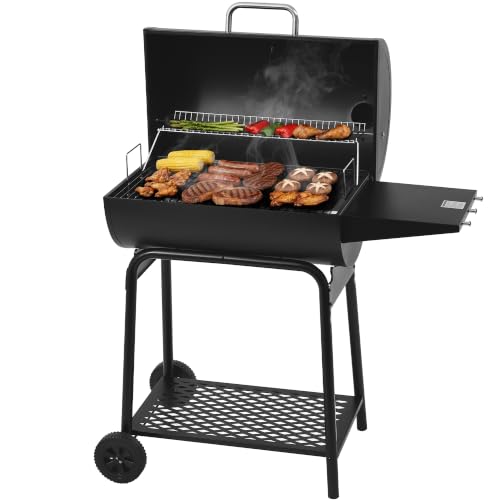


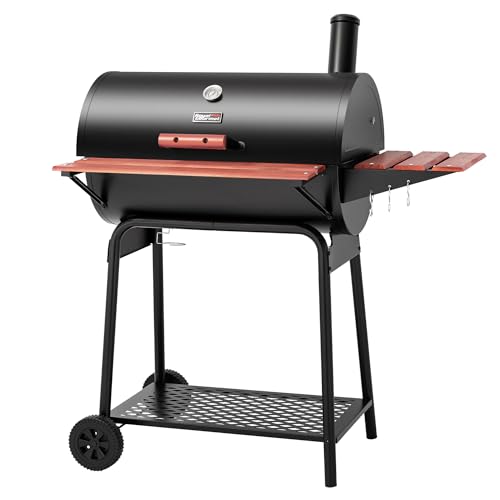

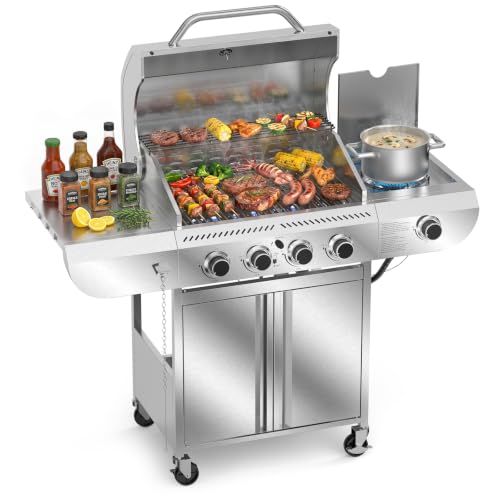


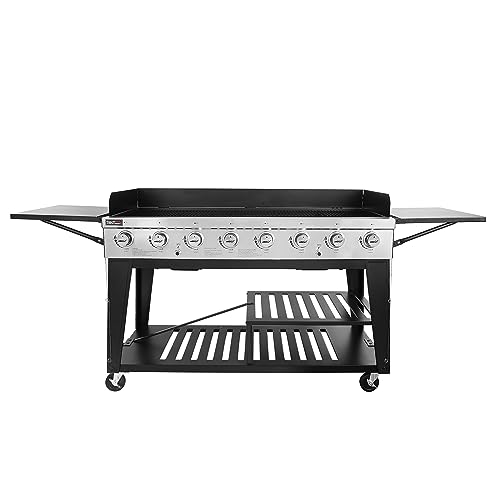
Spending Levels: What Your Money Gets You
Lower Cost Grills: Simple Cooking at a Friendly Price
Lower cost grills usually offer a smaller cooking area, thinner steel, and fewer extras such as side burners or storage. They still grill burgers, chicken, and vegetables well, and they suit cooks who grill a few times a month in fair weather. Expect a shorter life in harsh weather and simpler temperature control, so plan to cover the grill and clean it regularly. For a first grill or a small household, this level is often enough.
Middle Cost Grills: Room and Control for Regular Cooks
Middle cost grills add cooking area, sturdier construction, and better heat control, which matters when you cook for a group or try longer cooks. Burners, grates, and grease systems tend to be better made, and warranties often improve as well. This range suits most families who grill weekly through the warm months and want a grill that lasts several seasons. If you grill often, the extra spend usually pays back in steadier heat and fewer repairs.
Higher Cost Grills: Built for Serious Outdoor Cooking
Higher cost grills bring heavy gauge steel, precise temperature control, and features such as rotisseries, sear burners, or pellet controllers with tight temperature ranges. They suit cooks who smoke, roast, and grill through the year and who value even heat across a large surface. The build quality also tends to hold up better in rain and snow, though no grill lasts without a cover and regular cleaning. Buy at this level only if you will use the extra capacity and control often enough to justify it.
How to Choose the Best Backyard Grills
Work through these factors in order, and let your cooking habits decide each one rather than chasing a single headline number such as total heat output.
Fuel Type: Gas, Charcoal, Pellet, and Electric
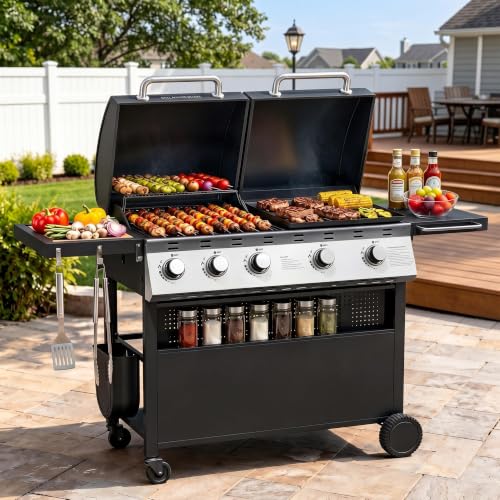
Gas grills light with a push button, heat up in about 10 to 15 minutes, and let you adjust heat by turning a knob, which suits weeknight cooking. Charcoal grills take longer to light and need more attention, but many cooks prefer the flavor and the high searing heat. Pellet grills feed wood pellets automatically and hold a set temperature, which makes long smokes easier, though they need electricity and pellets on hand. For gas focused options, see our guide to the best backyard gas grills.
Fuel Cost and Availability
Running cost adds up over a season, so compare fuel prices in your area before you commit. Propane tanks are easy to exchange in most towns, while natural gas needs a fixed line and a professional hookup. Charcoal costs vary by type, with lump charcoal usually pricier than briquettes, and pellet prices depend on bag size and wood type. Electric grills add to your power bill but use no fuel you must store, which can matter in a small home.
Assembly and Warranty
Assembly time ranges from under an hour for simple models to several hours for large grills with cabinets and side tables. Check whether the grill ships mostly assembled, and whether you will need a second person for heavy lids or fireboxes. Warranty coverage usually splits by part, with burners and fireboxes often covered for different lengths than grates or igniters. A longer burner warranty is worth more than a long warranty on parts that wear out anyway, so read the split before you buy.
Ash, Grease Management, and Cleanup
Cleanup decides how often you will enjoy using the grill, so look closely at the ash and grease systems. Charcoal grills benefit from a removable ash catcher that lets you empty ash without lifting hot parts. Gas and pellet grills need a grease tray or cup that slides out easily, since built up grease is both messy and a fire risk. Grates that lift out or hinge open make brushing easier, and a grill with smooth interior surfaces wipes down faster.
Portability and Footprint
Footprint matters in a small yard, on a patio, or on a balcony, where a large grill can crowd walkways and seating. Measure your space and leave room to open the lid fully and to stand safely to the side. Wheels help for storage and for moving the grill away from walls before lighting, but lock them once the grill is in place. If you prefer charcoal, see our guide to the best coal grills and check weight and wheel size before you buy.
Build Quality and Materials
Build quality shows up in steel thickness, grate material, and how solid the lid feels when you open and close it. Stainless steel resists rust better than painted steel, though the grade and thickness matter more than the label alone. Cast iron grates hold heat well and give strong sear marks, but they need seasoning and care to prevent rust. Porcelain coated grates are easier to clean and resist rust, though the coating can chip if scraped with metal tools.
Cooking Area and Capacity
Cooking area is usually listed in square inches, but the usable area matters more than the total, since warming racks do not grill like the main grate. A main grate of about 400 to 500 square inches suits a family of four for burgers and chicken, while larger groups need more room or a second cooking zone. Think in terms of food, not numbers: count how many burgers, steaks, or chicken pieces you cook at once, and allow space to move food to a cooler zone. Two heat zones, one hot and one gentle, give far more control than a single large hot surface.
Types of Backyard Grills
Pellet Grills and Smokers
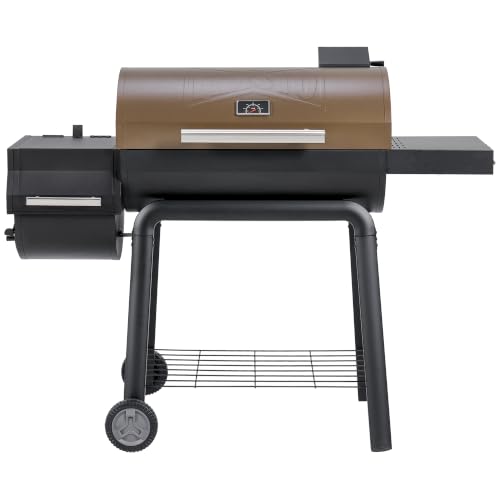
Pellet grills burn compressed wood pellets and use a controller to hold temperature, which makes them strong for smoking and roasting over several hours. They need electricity, and pellet supply matters, so keep a dry stock on hand. Flavor leans wood fired and mild, and searing usually needs a high heat setting or a sear grate. They suit cooks who love low and slow meals and want steady temperature without constant tending.
Portable Grills
Portable grills trade cooking area for light weight and small size, which suits picnics, camping, and small patios. They heat fast and clean up easily, but they struggle with large groups or long smokes. Check the folded size and whether the grill fits your car or storage space. For a main backyard grill, a portable model works best as a second grill rather than the only one.
Kamado Grills
Kamado grills use a thick ceramic body that holds heat for hours and seals in moisture, which suits both high heat searing and low slow smoking. They are heavy and need a sturdy stand, and the ceramic can crack if dropped or heated unevenly. The learning curve is steeper than gas, but many owners love the fuel efficiency and the range from pizza heat to gentle smoke. Budget for accessories such as a heat deflector, since the base grill alone may not cover every cooking style. Our best kamado grill guide goes deeper on this style.
Setup and Care Tips
- Preheat for 10 to 15 minutes before cooking so grates reach an even temperature.
- Clean grates while warm with a brush, since food releases more easily before it hardens.
- Cover the grill after it cools, and check for rust each season, especially at joints and legs.
- Check gas connections with soapy water each season and look for bubbles that signal a leak.
- Empty grease trays and ash catchers regularly, and never leave grease to build up near burners.
- Store fuel safely: propane tanks upright outdoors, charcoal dry, and pellets sealed against moisture.
FAQs
How often should I clean my backyard grill?
Brush the grates after every cook while they are still warm, and empty grease trays before they fill. A deeper clean of the interior, burners, and drip system once or twice a season keeps heat even and reduces flare ups. Charcoal grills also need ash removed after each use so airflow stays open. If you grill weekly, a quick wipe of the exterior each month prevents grease buildup and keeps the finish looking good.
How long should a good backyard grill last?
A well built grill kept under a cover can last about five to ten years, with burners and grates wearing first. Cheaper steel grills in wet climates may last only a few seasons, while heavy gauge models last longer. Regular cleaning matters more than price alone, since rust and grease damage any grill left dirty. Replace worn burners and grates rather than the whole grill when the body is still sound, and check parts availability before you buy.
What type of backyard grill gives the best flavor?
Flavor depends more on fuel and technique than on brand, with charcoal and wood often giving a smokier taste than gas. Pellet grills add a mild wood flavor that suits smoking, while gas gives a cleaner taste that lets marinades and rubs stand out. Searing, resting, and seasoning matter as much as fuel, so a skilled cook can get great flavor from any type. Choose the fuel you enjoy using, since the grill you use most will give you the best meals.
Is a pellet grill worth it?
A pellet grill is worth it if you love smoking and long roasts and want steady temperature without constant tending. It costs more to buy and run than a basic gas grill, and it needs electricity and a pellet supply. Searing can be weaker than on gas or charcoal, so check the top temperature before you buy. If you mostly grill burgers and chicken quickly, a gas or charcoal grill may serve you better for less money.
How big of a backyard grill do I need?
Size your grill by the largest meal you cook regularly, not by the biggest party you might host once a year. A family of four usually does well with about 400 to 500 square inches of main grate, while larger groups need more room or a second zone. Leave space to move food away from direct heat, since a crowded grate steams food instead of searing it. Measure your patio too, since a grill that crowds your seating will get used less often.
Can I use a backyard grill on a balcony?
Balcony grilling depends on your building rules and local fire codes, which often limit or ban open flame grills on balconies. Electric grills are the usual option where flame is restricted, but check the rules first rather than assuming any grill is allowed. Keep any grill away from walls, railings, and overhead coverings, and never grill in an enclosed space. If your balcony is small, a compact electric model with a drip tray is easier to store than a full size gas grill.
Wrapping Up
Start with fuel, then cooking area, then build quality, and let your usual meals settle each choice, since a grill that lights easily, holds steady heat, and cleans up without a fight will get used far more than a larger grill that feels like a chore. Check the product table once more, measure your space, and pick the grill that fits your yard and your cooking week. The best backyard grills are the ones that make outdoor cooking a habit, not a project, so choose for the cook you are, not the cook you wish you were. Always grill outdoors, follow the manufacturer's instructions and food safety guidance, and check local balcony and fire rules before you light up.