Best Affordable Cameras for Instagram: Everything to Know Before Your First Purchase in 2026
Disclosure: We may earn a commission when you buy through links on this page, at no extra cost to you. As an Amazon Associate I earn from qualifying purchases. Learn more

Learn how to choose affordable cameras for Instagram with clear notes on sensors, lenses, video, and sharing, plus setup tips for first time buyers.
Buying your first dedicated camera is exciting, but spec sheets can feel like a second language. The best affordable cameras for instagram are not the cheapest boxes on the shelf. They give you cleaner portraits, steadier video, and faster sharing than your phone, without draining your savings.
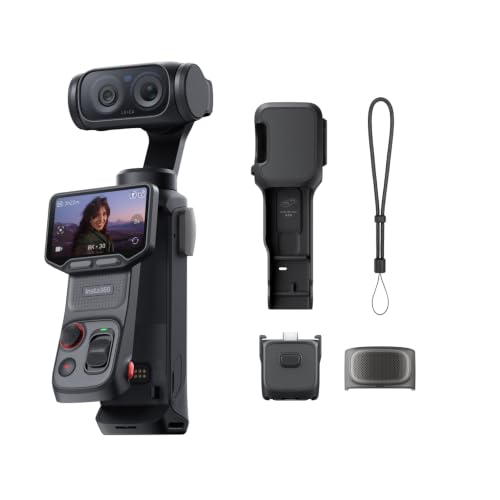
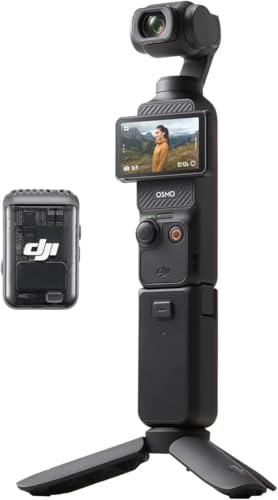
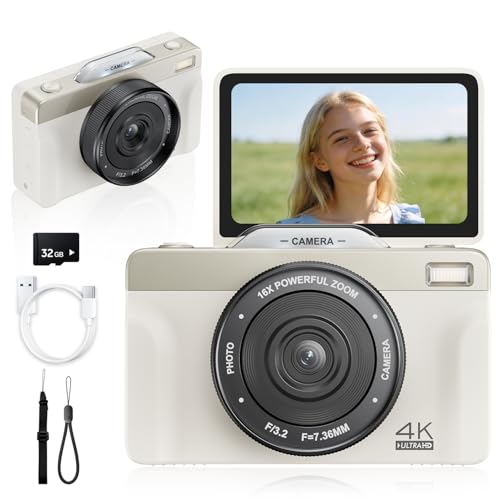
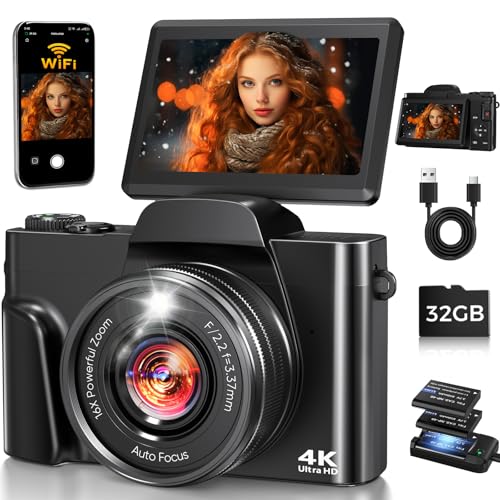
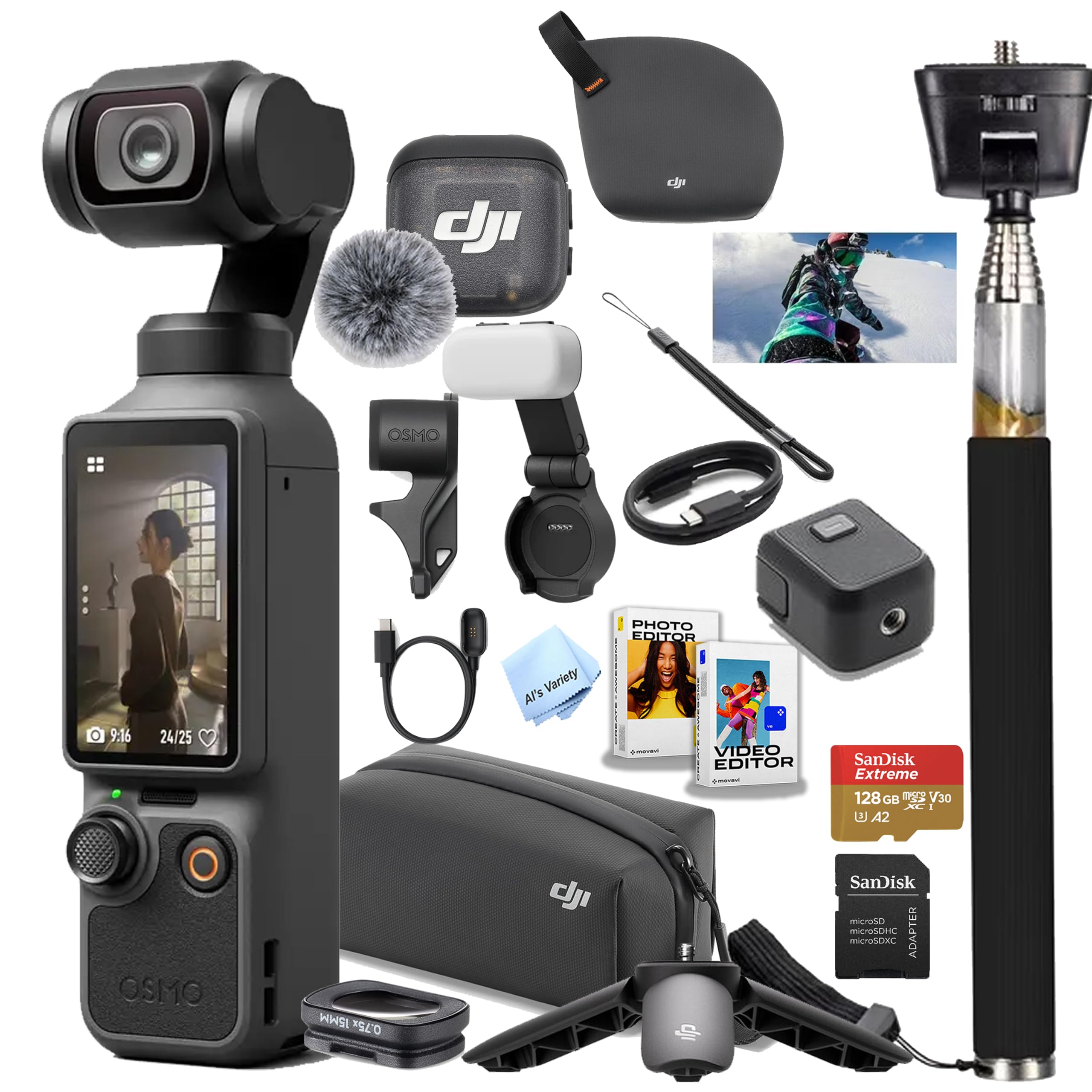
Think about what you post most, because a food flat lay, a travel reel, and a shop product photo ask for different strengths. Use the comparison table below to line up sensor size, lens type, video options, and screen style, then read each spec below with those needs in mind.




Who Should Buy an Affordable Camera for Instagram?
An affordable camera makes sense when your phone limits your ideas rather than your creativity. For a broader view of the budget end of the market, see our guide to the best cameras affordable for everyday shooting.
Daily Feed and Portrait Creators Working With a Small Budget
You post selfies, outfit shots, and portraits of friends several times a week, and you want skin tones that look natural straight out of the camera. Look for reliable face detection, a screen that flips forward, and pleasing color with minimal editing. A compact camera or entry level mirrorless body will usually serve you better than a larger body you leave at home.
Small Shop Owners Shooting Products at Home
You photograph candles, clothing, or handmade items on a table near a window, and your phone keeps shifting colors between shots. A camera with manual white balance, a tripod socket, and a lens that focuses close gives you repeatable results. Consistent color matters more than fast action tracking, so spend on good light and a simple backdrop before extra zoom.
Travel and Lifestyle Creators Who Want More Than a Phone
You shoot markets, coastlines, cafes, and short reels while you move, and you need a camera that fits in a jacket pocket or small sling bag. Prioritize light weight, image stabilization, and quick wireless transfer so you can post the same day. If budget is not your main limit, see our guide to the best cameras for instagram.
Cameras 101: The Basics for Instagram Creators
A camera records light through a lens onto a sensor, then turns that light into a file you can edit and share. A larger sensor collects more light, which usually means cleaner shadows and softer background blur. The lens controls how wide or tight your view is.
Three families dominate this price range. Compact point and shoot cameras keep the lens fixed and the body tiny. Mirrorless cameras let you change lenses as your style grows. Action cameras are small and rugged, though their wide view can distort close portraits.
Key Features to Compare for Instagram
That balance of price, quality, and easy sharing is what defines the best affordable cameras for instagram in daily use. The sections below translate the main specs into plain language and tell you what level to aim for.
What Low Cost Cameras Deliver for Daily Posting
Expect to spend about $200 to $500 for a capable new camera, plus a memory card, a spare battery, and a small bag. You can get a good sensor, useful autofocus, and solid video, but weather sealing and premium metal bodies are usually cut. Do not skip the spare battery or a fast card, since both protect a full day of shooting. For body styles, see our guide to the best affordable digital cameras.
Sensor Size and Image Quality for Instagram Posts
Sensor size shapes image quality more than megapixel count does. Most affordable models use a 1 inch sensor or an APS C sensor, and both can produce sharp, clean files for a phone sized feed. Around 20 to 24 megapixels is plenty, since Instagram compresses uploads. A larger sensor also gives gentler background blur for portraits, which helps your subject stand out without heavy editing.
Autofocus Speed and Face Detection for Sharp Portraits
Autofocus decides how many of your shots are truly sharp. Modern systems track a face and hold focus on the eyes, so you can compose and shoot without tapping the screen each time. This matters for self portraits, group photos, and moving pets, where a slow system misses the moment. Prefer cameras that keep tracking in video as well as stills.
Lens Choice, Optical Zoom, and Aperture for Instagram Photos
The lens sets your framing and your low light ability. Optical zoom uses glass to magnify the scene and keeps detail, while digital zoom crops the file and softens it, so judge a camera by its optical range. A range around 24 to 70 mm covers interiors, street scenes, and portraits. Aperture is written as an f number, and a smaller number such as f/2.8 lets in more light and blurs backgrounds more. See also our guide to the best affordable photography cameras.
Video, Screen, and Wireless Sharing for Reels and Stories
Video now drives much of Instagram, so look for 4K video if you crop reels, or clean 1080p if you post as you shoot. A screen that flips forward makes solo filming far easier, and vertical shooting support helps you frame stories. Built in WiFi or Bluetooth lets you send a shot to your phone in minutes. A microphone input is a bonus for talking clips, because clear audio holds attention.
Battery Life and Charging for a Full Day of Shooting
Battery ratings are given in shots per charge, and affordable cameras often land around 300 to 400 shots under test conditions. Video and constant screen use lower that number, so a spare battery is a practical purchase, not a luxury. USB C charging is worth seeking out, since you can top up from the same power bank you carry for your phone during a trip.
Getting Started: Setup and First Use for Instagram Shooting
Your first hour sets habits that save time later. Work through these steps once before your first real shoot.
- Charge the battery fully, insert the memory card, and format the card inside the camera.
- Set the date, choose the largest image size, and pick a natural color profile for light edits.
- Turn on face detection, set a flexible focus zone, and connect the camera to your phone app.
- Take test shots in your usual room, by a window, and outside, then review them at full size.
- Carry a spare battery and clean the lens with a soft lens cloth, not your shirt.
After this session, save your favorite settings as your daily starting point, and change one thing at a time when you want a different look.
Common Mistakes to Avoid
Most first time frustrations come from a handful of repeatable errors.
- Choosing a camera by megapixel count alone, which leaves you with a tiny sensor and noisy evening photos.
- Trusting digital zoom numbers in the listing, which crops your file and leaves soft images on larger screens.
- Spending your whole budget on the body, which leaves no money for a spare battery, a fast card, or basic light.
- Shooting everything at the widest view, which distorts faces near the edges and makes portraits look unflattering.
- Posting without checking focus at full size, which lets slightly soft portraits slip onto your grid.
Care and Maintenance for Affordable Cameras
Wipe the lens gently with a clean microfiber cloth before each shoot, keep the cover on during transport, and store the camera in a dry padded bag away from sand and steam. At the beach, brush grit off with a soft dry brush before you open any doors.
Charge batteries before they sit empty for months, and rotate your spare so both age evenly. Keep firmware updated through the maker app, since updates often improve focus. Never touch the sensor, and leave its cleaning to a proper blower or a service shop if spots keep showing.
FAQ
What features matter most in an affordable camera for Instagram?
Fast sharing matters most after basic image quality, because a great photo that sits on a card does not grow your feed. Look for a phone app that transfers full size files, not only small previews. Quick transfer also gives you a second copy of your best shots that day, which protects your work if a card fails.
What camera specs matter most for Instagram beginners?
A simple menu system matters more than a long spec list when you are learning. Beginners do better with clear auto modes, guided on screen explanations, and few dials to learn one at a time. A camera that feels approachable gets carried daily, and daily use improves your eye faster than a feature you rarely turn on.
Which camera setup is better for low light Instagram photos?
A bright lens on a tripod is better than raising sensitivity alone for still subjects like food or interiors. Use a self timer to avoid shake, and let a longer exposure gather more light for cleaner files. For moving subjects at night, accept some grain and focus on a well lit face, since viewers forgive grain more easily than blur.
Is a smartphone enough instead of an affordable camera for Instagram?
A smartphone is enough if you mostly post in bright daylight and rarely print or crop. A dedicated camera earns its place when you want softer portrait backgrounds, steadier evening shots, or lens reach your phone cannot match. Many creators keep both, using the phone for quick stories and the camera for grid posts.
How much should you spend on your first affordable camera for Instagram?
Plan your total around the kit, not the body price alone, and hold back about a fifth of your budget for the card, battery, bag, and a small light. Spending about $300 to $450 in total suits most first time buyers. If that feels high, buy a capable used body rather than a new camera with a much smaller sensor.
The Bottom Line
For most first time buyers, the winning mix is a sensor large enough for clean evening shots, focus that finds faces without help, and sharing that takes minutes. Match the lens to what you post most, and choose a body light enough to carry daily. Chosen that way, the best affordable cameras for instagram become a simple daily tool, so check the product table above and pick the type that fits your content.