Best All Weather Cameras for 2026: Matching the Right Model to Your Routine
Disclosure: We may earn a commission when you buy through links on this page, at no extra cost to you. As an Amazon Associate I earn from qualifying purchases. Learn more

Compare the best all weather cameras by sealing, cold tolerance, lens and sensor, with a guide to types, care and common mistakes.
There is no single camera that suits every wet, cold or dusty routine. A traveler caught in daily rain needs different protection from a skier shooting in falling snow. The best all weather cameras are the ones whose sealing, size and controls match the weather you actually meet, and the comparison table below helps you sort those choices.
Start by naming your worst usual conditions, not your best day. Think about rain length, temperature, windblown dust and how long you stay outside. Then match those facts to the groups and features below, because extra sealing still adds cost and weight.




Who Should Buy the Best All Weather Cameras?
Your routine decides how much protection is enough. Light sealing suits brief showers, while long rain, snow or spray calls for stronger gaskets and a sealed lens.
For One Handed Shooting in Stations and Streets
You move through stations, streets and sudden showers, often with one hand on a bag. Choose a compact body that fits a jacket pocket or small sling, starts quickly and has gaskets at the battery door and dials. Impact resistance helps around crowds and stone steps. Pack a small wrist strap, because a wet camera is easier to drop when your hands are cold.
For Remote Workers and Creators
You may film talks, lessons or field updates outdoors between showers, so clear audio and dependable connections matter as much as sealing. Look for a microphone input with a covered port, a screen you can angle toward you and 4K video for flexible framing. Many vlogging cameras add strong face tracking, but check that an external microphone does not leave a port open to rain.
For School Bags and Family Days Out
You need a camera that survives school bags, sports sidelines and family days out without demanding expert settings. Choose simple auto modes, a moderate zoom and a body that tolerates splashes and light rain while you learn. Battery life matters on full day trips where charging is scarce. A basic sealed model you carry daily beats a costly one left at home.
Key Features to Compare
Compare protection first, then the lens, sensor and handling. A bright lens on a poorly sealed body still fails if rain reaches the controls.
Weather Sealing and Ingress Ratings
Weather sealing uses rubber gaskets around doors, dials, buttons and the lens mount to slow water and dust entry. Some makers publish an IP rating, where the first digit covers dust and the second covers water, while many larger cameras describe sealing without a formal rating. Sealed is not the same as waterproof, since most sealed bodies handle rain but not submersion. For a deeper look at gasket design, see our guide to the best weather sealed cameras.
Lens and Zoom Range
The lens must be sealed as well as the body, because an unsealed lens leaves the mount as a weak point. A moderate optical zoom, often about 24 to 70 mm or 24 to 105 mm in full frame terms, covers streets, groups and landscapes without swapping lenses in rain. Wider settings suit tight trails, while longer settings isolate subjects across a field. A bright maximum aperture helps at dusk, though bright long zooms add size.
How Sensor Size Shapes Detail in Dim Weather
Sensor size shapes detail, dynamic range and low light results more than megapixel count alone. A 1 inch sensor suits compact travel bodies and still beats most phones in dim weather. APS C sensors gather more light and give shallower background blur, while full frame sensors suit serious night and print work at the highest cost. Under grey skies, good dynamic range keeps cloud and shadow detail in one frame.
Autofocus and Stabilization
Fast autofocus matters when rain shortens the time you can stand and compose. Eye detection helps portraits of people in hoods and hats, and subject tracking helps with moving children, pets and athletes. Image stabilization, in the body or the lens, steadies slow shutter speeds in dim light. It cannot freeze subject motion, so raise shutter speed for moving subjects.
Battery Life and Cold Tolerance
Cold reduces battery output, so a pack that lasts a full summer day may fade much sooner on a frozen slope. Check the rated operating range, often down to about 0 degrees Celsius for standard models and lower for cold rated designs. Carry a warm spare inside your coat and rotate packs during the day. For trips built around snow and frost, see our guide to the best cameras for cold weather for planning around temperature limits.
Ease of Use for Your Skill Level
Controls should stay usable with wet fingers or thin gloves, so check dial size, button spacing and menu logic before you buy. A touch screen is quick in dry air but can misread raindrops, which makes physical dials valuable outdoors. Beginners should favor clear auto modes, while experienced users may want direct dials for aperture and shutter. App transfer is handy, yet downloading indoors keeps port doors closed outside.
Camera Types Compared for Wet and Cold Days
Fixed lens waterproof compacts are the only common type built for swimming pools, snorkeling and heavy spray, since their doors and lens sit behind rated seals. They trade sensor size and zoom flexibility for simple, tough use. If your days involve boats or beaches, see our guide to the best weather proof cameras to understand depth and time limits.
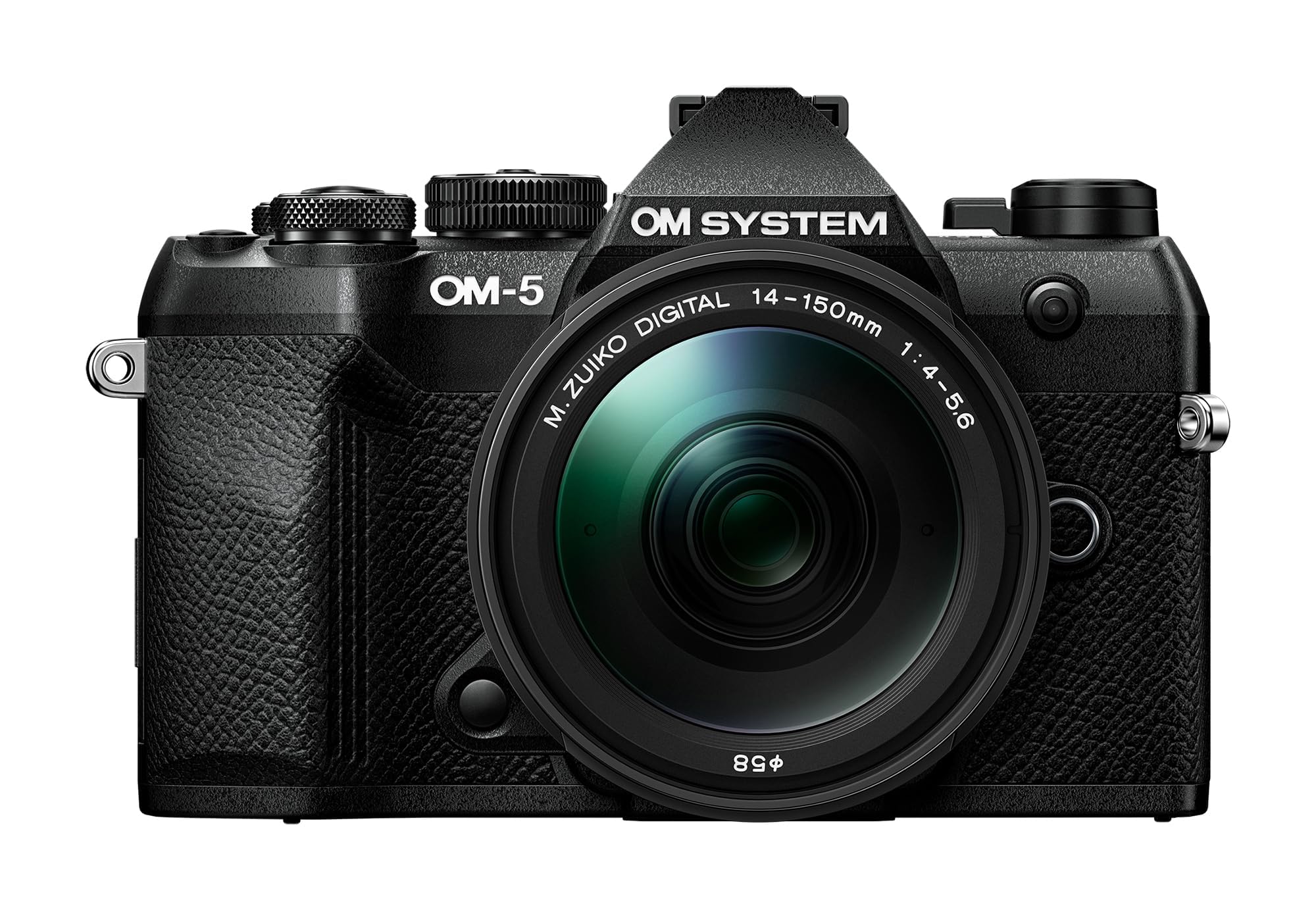
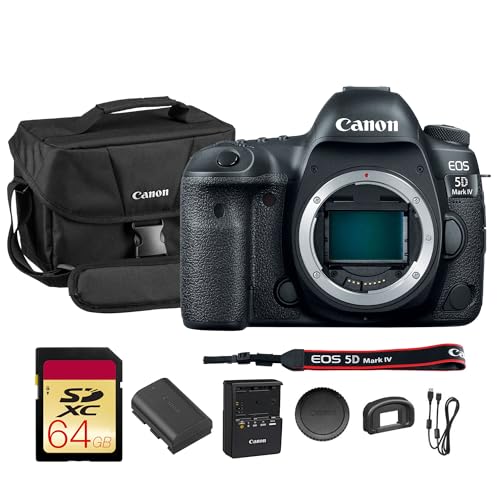
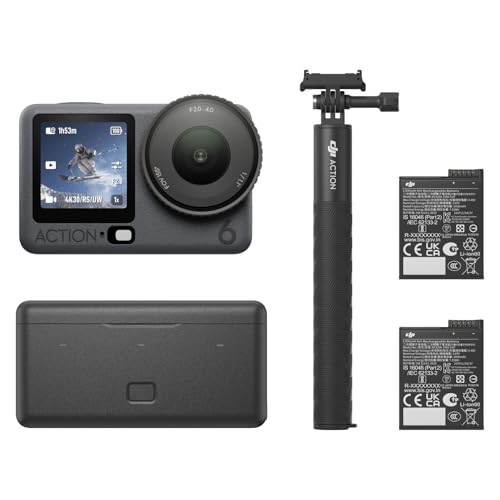
Sealed mirrorless and DSLR style bodies suit rain, snow and dust when paired with a sealed lens, and they offer the best sensors and controls. Bridge cameras with a fixed long zoom avoid lens swaps outdoors, though smaller sensors give up some low light quality. Action cameras are tiny and waterproof in rated housings, but their fixed wide view suits action more than portraits. When you shop for all weather cameras by type first, sealing claims become easier to judge. If weather is a rare concern, see our guide to the best digital cameras for the wider field.
Common Mistakes to Avoid
Most weather damage comes from a small wrong assumption rather than a storm.
- Treating a weather sealed camera as waterproof leads to submersion damage that makers do not cover.
- Pairing a sealed body with an unsealed lens leaves the mount open to rain and grit.
- Opening the battery or card door while the camera is wet lets water reach contacts inside.
- Ignoring the rated temperature range leaves you with fading batteries and stiff controls in deep cold.
- Judging image quality by megapixels alone overlooks sensor size and lens brightness on dull days.
- Buying the largest sealed body for travel means you leave it behind on the days you need it.
Care and Maintenance Tips for All Weather Cameras
After a wet outing, wipe the outside with a soft dry cloth and let the camera air dry indoors at room temperature before you open any door. Use a lens cloth, not your shirt, since grit on fabric can scratch the front glass. Once the surface is fully dry, open each door slowly, check the gaskets for sand or hair and brush away debris with a clean dry brush.
Carry a spare battery and store the camera in a dry padded bag with the lens cap on. If you move from cold air into a warm room, seal the camera in a plain plastic bag before you go inside, so moisture forms on the bag instead of inside the lens. Remove the battery for long storage.
Frequently Asked Questions
Is a smartphone enough instead of an all weather camera?
A smartphone is enough for brief showers and casual snapshots, since many phones resist splashes well. A dedicated camera adds a real zoom, larger controls for gloves, stronger tracking and a sensor that holds detail in dim storm light. If you often shoot in steady rain or want prints, the camera earns its place. Keep the phone as a backup in heavy spray.
What does an IP rating mean for an all weather camera?
An IP rating tells you the tested resistance to dust and water under lab conditions with still, fresh water. Ratings do not promise protection against hot showers, salt spray or drops onto hard ground, and seals weaken with age. Read whether the rating covers the whole camera or only the body without its lens. Rinse salt water off a rated waterproof model as its maker directs.
Which sensor size is better for low light in an all weather camera?
A larger sensor is generally better for low light in an all weather camera, because it gathers more light per image. Lens brightness can offset part of that gap, so a compact with a bright lens may rival a larger sensor behind a slow zoom. Raising ISO is the third lever, though it adds grain. For evening rain shots, a steady grip and stabilization let you use slower speeds before noise grows.
How much should you spend on your first all weather camera?
Plan about $300 to $600 for a first all weather camera with basic sealing and a useful zoom, and more for larger sensors or fully waterproof designs. Set aside part of the budget for a spare battery, a fast card and a dry bag, since those items decide whether the camera works all day. Buy the level of sealing your routine demands first.
What specs matter most for beginners buying an all weather camera?
Sealing that matches your weather matters most for beginners, followed by simple auto exposure and a moderate zoom. A beginner gains little from deep menus or very long zoom ranges that shake in wind. Look for clear on screen guidance and a help mode if the maker offers one. A light body also matters, because practice happens only when the camera comes along.
Wrapping Up
Match sealing to your worst usual weather, pair any sealed body with a sealed lens and choose a size you will carry without thinking twice. Sensor size, zoom range and cold rated batteries then refine the choice for your subjects and season. Use the product table above to confirm those points side by side.
When you judge the best all weather cameras by routine rather than by spec sheets, the right type stands out quickly. Pick the simplest model that handles your weather honestly and enjoy shooting on days that once kept your camera indoors.