
Best Affordable Photography Cameras: A Genre First Buying Guide for 2026
Disclosure: We may earn a commission when you buy through links on this page, at no extra cost to you. As an Amazon Associate I earn from qualifying purchases. Learn more

Best affordable photography cameras by genre: how portraits, landscapes, street and family shooting change what to buy on a tight budget.
Most people start camera shopping with a budget and a spec sheet, then wonder why the photos still look like phone pictures. The gear is rarely the real problem. The real problem is buying features your kind of photography never uses. The best affordable photography cameras are simply the ones matched to the pictures you actually take, whether that is portraits of your kids, mountain light on a hiking trip, or quiet street scenes.
This guide starts with genre, then works down to sensors, lenses, and price, so each dollar lands where your photos will feel it. Portraits reward lens choice and soft background blur, while landscapes reward dynamic range and controls that behave on a tripod. The product table lists picks that fit this budget, and the comparison table further down sets the main sensor classes side by side. If your budget later grows, our guide to the best cameras for photography covers the wider market, but everything after this page assumes the budget stays tight.
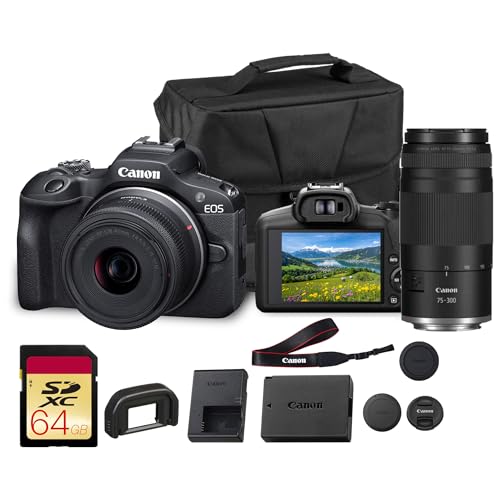
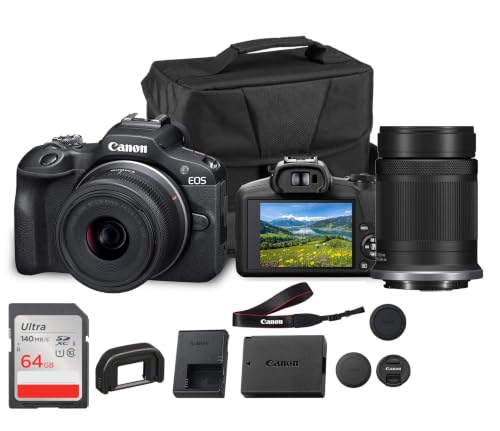


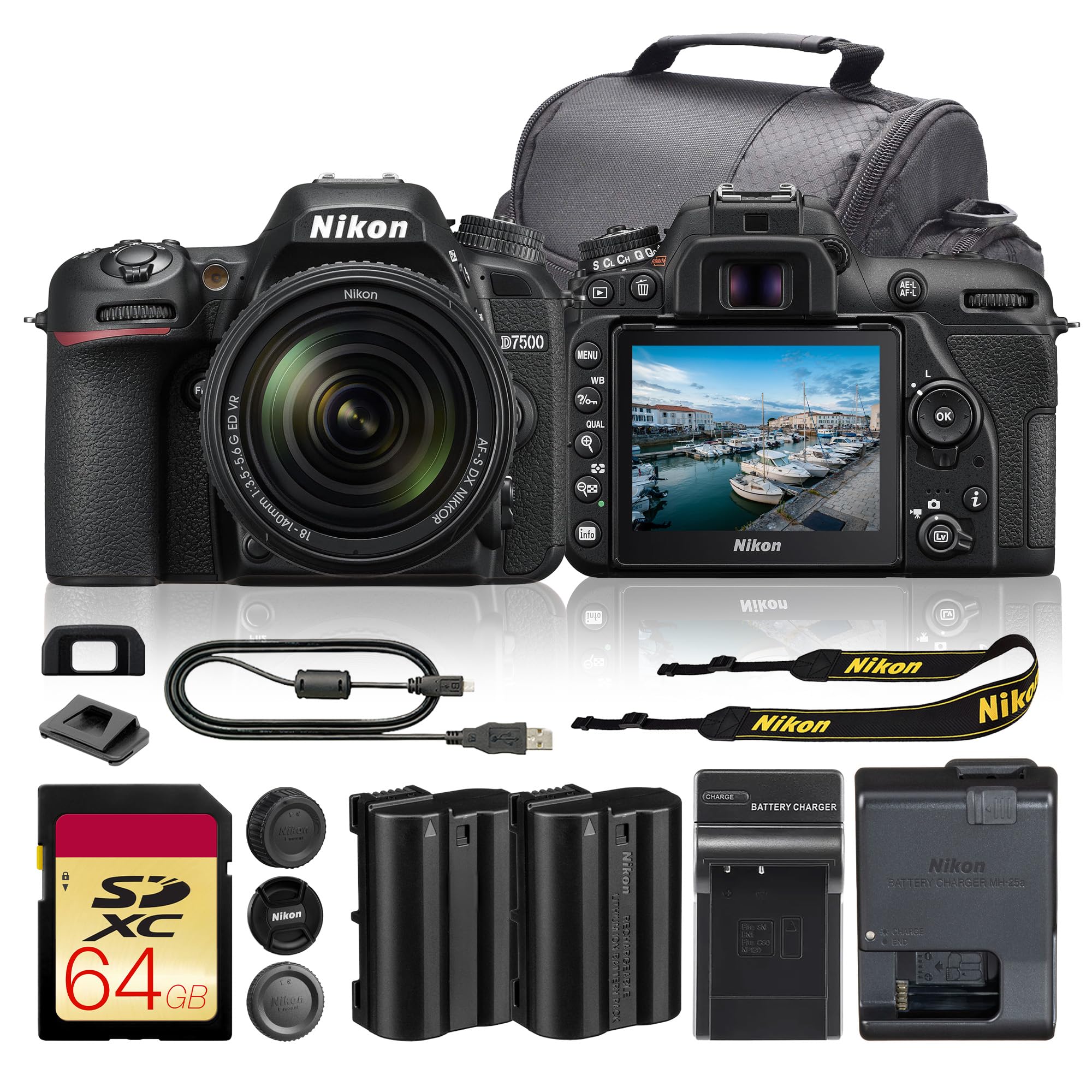
Start With Your Genre: What Each Kind of Photography Demands
Before comparing sensors, name your main genre honestly. Most buyers shoot one kind of photo eighty percent of the time, and that genre should steer the whole purchase.
Portraits: Background Blur Comes From the Lens and Sensor
Portraits live and die by the lens. A wide aperture prime lens, the kind sold as a fast portrait lens, blurs backgrounds gently and gathers enough light to shoot indoors without a flash. Larger sensors help too, because they make that blur easier at normal working distances. Eye autofocus is the other portrait feature worth real money, since it holds focus on the nearest eye while your subject shifts and talks.
A basic kit zoom can take pleasant outdoor portraits, yet it struggles in living room light. Expect to pay about $100 to $250 for that first prime lens, new or used, depending on the system. If portraits are your genre, plan the budget around one fast prime first and let the body be the simpler half of the pair.
Landscapes: Dynamic Range and Controls That Suit a Tripod
Landscapes ask for dynamic range, the ability to hold detail in a bright sky and a shadowed valley in the same frame. They also ask for controls that behave on a tripod: a self timer or remote release, a screen you can angle at ground level, and a histogram you can trust. The good news is that landscape lenses can be cheap. Scenery is usually shot at narrow apertures, where even modest wide lenses turn sharp.
Weather resistance matters more than speed here, since dawn light often comes with dew and drizzle. Spend on the tripod before the second lens. Our guide to the best affordable cameras for landscape photography goes deeper on tripod friendly bodies and wide lens choices.
Street Photography: Small, Quiet, and Easy to Carry
Street photography rewards the camera nobody notices. A compact body with a fixed lens or a small prime slips into a jacket pocket, starts fast, and lets you work quietly without drawing a crowd. A silent electronic shutter helps in museums, markets, and ceremonies. Deep menus and slow startup cost you moments that never come back, so simple controls and a lens you know by feel matter more than sensor bragging rights.
Many street shooters preset focus by distance and shoot quickly without raising the camera. If that is your style, choose the camera you will carry on an ordinary Tuesday, not the one that impresses on paper.
Family Life: Autofocus That Keeps Up With Kids
Family life is a moving target, sometimes literally. Children cross rooms at unpredictable speeds, indoor light is dim and mixed, and nobody poses twice. Continuous autofocus with face and eye detection earns its keep here, along with a burst mode for the seconds that matter. The same tracking freezes a goalkeeper at a youth match, which is why our guide to the best affordable cameras for sports photography is worth reading if school games fill your family album.
A tilting screen helps at toddler height, and simple sharing to a phone keeps grandparents supplied without a computer session. Skip the long spec list and check how fast the camera wakes and focuses. That speed decides more family photos than any other single trait.
How to Choose: The Factors That Decide Your Pictures
Across every genre, the best affordable photography cameras share the same pattern: money spent on the sensor and one good lens, and very little spent on novelty modes. Work through the factors below in order.
What You Can Realistically Get on a Budget
A tight budget buys a real camera, but it buys one with clear limits, and knowing them saves returns. There are three honest routes in. A simple new compact costs about $200 to $400 and asks nothing more of you. A previous generation interchangeable lens body with its kit lens costs about $300 to $600 and opens the door to better lenses later.
The third route is the phone already in your pocket, which remains the baseline every cheap camera must beat on image quality, not convenience. The trap is the lens system, because a bargain body tied to expensive lenses is no bargain. A long lens for birds can cost more than the body itself, a point our guide to the best affordable cameras for wildlife photography builds its whole budget around. Price the lenses you want in two years before you price the body today.
Sensor Size Matters More Than Megapixels
Megapixel counts headline every listing, yet sensor size decides far more of what your photos look like. A larger sensor gathers more light per photo, so high sensitivity settings stay cleaner after dark and shadows hold detail when you edit. It also gives shallower depth of field, the soft backgrounds portraits love. Twenty four megapixels is plenty for large prints and heavy crops, and chasing bigger numbers at this budget usually means a smaller sensor wearing a fancy badge.
| Sensor class | Found in | Strength | Main trade off |
| 1 inch | Larger sensor compacts | Clean images in a pocket sized body | Less blur and low light headroom |
| APS C | Most affordable mirrorless and DSLR bodies | Strong low light results and lens choice | Bodies and lenses grow in size |
| Full frame | Mostly used bodies at this budget | The most blur and low light headroom | Lenses cost the most, bodies are heaviest |
Judge a camera by its sensor class and the lenses behind it, and let the megapixels fall where they may.
Ease of Use Matched to Your Skill Level
Guided auto modes and plain language menus sound like beginner fluff, yet they decide whether a first camera gets used or shelved. Look for a mode dial you can read at a glance, a touchscreen that sets focus with a tap, and an app that moves photos to your phone over WiFi without a cable ritual. Growing room matters just as much. Aperture and shutter controls should sit under your fingers for the day auto mode starts to bore you, because a camera that teaches you gently will serve longer than a pro style body that punishes every guess.
Size, Weight, and Handling
Weight is a feature you feel on every walk. A body that seems fine in a store can ache on a neck strap by hour three of a city day, and the heaviest camera is the one left at the hotel. Grip depth, dial placement, and button spacing shape long sessions more than spec sheets admit. Travel shooters should weigh the whole kit, body, lens, charger, and bag, since airlines and tired shoulders count all of it. Choose the largest camera you will still carry gladly, because a smaller camera at the scene beats a better one at home.
Autofocus and Stabilization
Autofocus quality separates frustrating cameras from trustworthy ones. Better systems find faces and eyes quickly, then hold them as subjects move toward or away from you. For stills, that means fewer missed expressions, and for video, fewer focus hunts in the middle of a clip. Stabilization is the quiet partner: in body stabilization steadies every lens you mount, while lens based stabilization helps mainly that one lens. Either kind buys you slower shutter speeds in dim rooms, though neither replaces a tripod for long exposures. At this budget, one strong autofocus system beats a long list of scene modes.
Battery Life and Charging
Makers rate battery life in shots per charge under gentle conditions, and real days of travel, cold weather, and screen reviewing land well below the printed number. Treat the rating as a comparison tool, not a promise. USB C charging is worth seeking, since topping up from a power bank between sights beats hunting for a wall outlet. Budget about $20 to $50 for one spare battery and carry it charged, because a camera that dies at golden hour teaches this lesson exactly once. Mirrorless bodies also sip more power than DSLRs, since their screens and viewfinders stay awake.
Video Features, If You Shoot Clips Too
Photography comes first in this guide, but most buyers also shoot clips, so a few video traits deserve a look. Clean 4K matters less than a microphone input and a screen that flips toward you, since poor sound ruins more family videos than soft footage does. Long takes can overheat smaller bodies, which is fine for short clips and a real limit for events. If video stays occasional, let stills decide the purchase and treat any video strength as a bonus.
Buying Used: Shutter Count, Sensor Checks, and Return Terms
Half of the affordable market is used gear, and a few checks separate bargains from other people's problems. Ask for the shutter count: many bodies are rated around 100,000 to 150,000 actuations, so a low count means real life left. Shine a light across the sensor and look for dust that will not blow off. Inspect any lens for fungus, a faint web of haze that never cleans away and only spreads.
Buy where returns are accepted, and check every dial and port the day the camera arrives. Buyers building toward paid work lean on this route heavily. Our guide to the best affordable cameras for professional photography shows how far a modest used kit can stretch on real jobs.
The Main Types, in Plain Terms
Three camera families cover nearly every affordable purchase, plus one video leaning branch worth knowing about.
Mirrorless Cameras
Mirrorless bodies drop the mirror box, so an electronic viewfinder previews your exposure before you shoot. They carry the current lens systems, the strongest autofocus, and the widest used selection of recent bodies. For most first time buyers of an interchangeable lens camera, this is the default path. Prices also fall fast when a newer generation arrives, which feeds the used market.
DSLR Cameras
DSLRs now live mostly on the used market, which is exactly their appeal. Years of production left deep shelves of cheap lenses, and optical viewfinders sip battery power. The trade offs are size, weight, and autofocus that trails mirrorless in video and eye tracking. For a stills only shooter on the tightest budget, a used DSLR kit remains hard to beat.
Fixed Lens Compact Cameras
Fixed lens compacts keep things simple: the lens never comes off, so there is nothing else to buy and no sensor dust to fear. Basic travel zooms suit casual snapshots. The photography focused models pair a larger 1 inch sensor with a bright lens and real controls. If you know you will never swap lenses, a good compact spends the whole budget on the one lens you use.
Vlogging Cameras
Vlogging cameras are compacts tuned for self filmed video, with fully flipping screens, wide lenses, face priority exposure, and proper microphone inputs. Their stills are perfectly capable, though controls favor video and burst shooting is modest. Choose one when moving pictures of yourself are the main job and photography rides along. Everyone else gets more stills value from the families above.
How to Make Your Photography Camera Last Longer
Cameras rarely die from shooting. They die from grit, damp, and neglect, and a few habits prevent most of it.
- Clean the lens with a cloth, not your shirt. Grit trapped in clothing fabric scratches coatings, while a proper lens cloth kept in the bag costs almost nothing.
- Carry a spare battery and rotate both. Rotation evens out wear, and a charged spare keeps a dying battery from ending a shoot early.
- Store the camera dry and padded. A padded bag with a silica gel pack guards against the damp that feeds lens fungus.
- Update the firmware. Makers release updates that refine autofocus behavior and fix bugs, so check the support page a few times a year.
- Use a blower before any sensor cleaning. Loose dust puffs away safely, while touching the sensor is a job for a service bench, not a kitchen table.
Questions About Affordable Photography Cameras, Answered
How much should I spend on my first photography camera?
A realistic starting point is about $300 to $600 for a used interchangeable lens kit or a capable compact. Spend much less and the camera may not beat your phone, and spend much more and a beginner rarely uses the extra headroom. Hold back part of the budget instead of spending it all on day one. After a few months your own photos will show which lens or accessory you actually need, and that second purchase is usually the smartest money in the whole kit.
Are more megapixels better in an affordable camera?
No, megapixels mainly set how large you can print or crop, and 24 megapixels already covers big prints and generous crops. How clean a photo looks at dusk depends on sensor size and the lens, not the pixel count. A modest count on a larger sensor beats a huge count crammed onto a tiny one, especially indoors. Spend on the sensor class and the glass first, and let the headline numbers fall where they may.
Should I buy a camera body only or a kit with a lens?
Buy the kit unless you already own lenses for that system. A kit zoom is the cheapest teacher in photography, because it lets you live at several focal lengths and learn which ones your eye prefers. Later, your photo library tells the truth, since the focal lengths you used most point straight at the prime lens worth buying next. Body only pricing only wins when a lens is already waiting at home.
Can an affordable camera take sharp photos in low light?
Yes, within honest limits. A fast prime lens and steady hands matter more than a pricier body, because a wide aperture gathers several times more light than a kit zoom at the same setting. Brace against a wall, raise the sensitivity, and accept some grain as the price of the moment. What no budget camera does is freeze fast motion in near darkness, so plan around that limit instead of fighting it.
Do I need weather sealing on a budget camera?
Most affordable bodies have little or no sealing, and that is manageable rather than fatal. Sealing on any camera means resistance to splashes and dust, never permission to shoot in a downpour. A cheap rain cover, or even a clear bag with a hole for the lens, handles drizzle for a few dollars. Bring the camera in during real rain, dry it before storing, and sealing becomes a nice extra rather than a requirement.
Final Thoughts
Choosing well comes down to three habits. Name your genre first, because portraits, landscapes, street scenes, and family life each reward different strengths. Buy the sensor and the lens path before the badge, and price the lenses you will want later before the body you want today. Keep the phone as your honesty check, since any camera here should beat it clearly on image quality. The product table gathers options that fit this budget in one place, so start with the best affordable photography cameras that match your genre, and your first year of photos will thank you.


