Best Advanced Point and Shoot Cameras: Reviews and Buying Guide for 2026
Disclosure: We may earn a commission when you buy through links on this page, at no extra cost to you. As an Amazon Associate I earn from qualifying purchases. Learn more

Pick the best advanced point and shoot cameras by sensor size, lens, autofocus, and video features, with tips for travelers, creators, and enthusiasts.
A phone is easy to carry, but it can struggle in dim rooms, at school concerts, and on trips where you want cleaner detail and real zoom. An advanced compact gives you a larger sensor, a proper lens, and manual controls while still fitting in a coat pocket. Finding the best advanced point and shoot cameras for your needs starts with how you shoot, not with the longest spec list.
This guide explains the features that change your photos, the main camera types, and the mistakes that waste money. Use the comparison table below to see how models differ at a glance. If you want a simpler camera with fewer controls, see our guide to the best cameras for point and shoot for basic options built around full auto shooting.


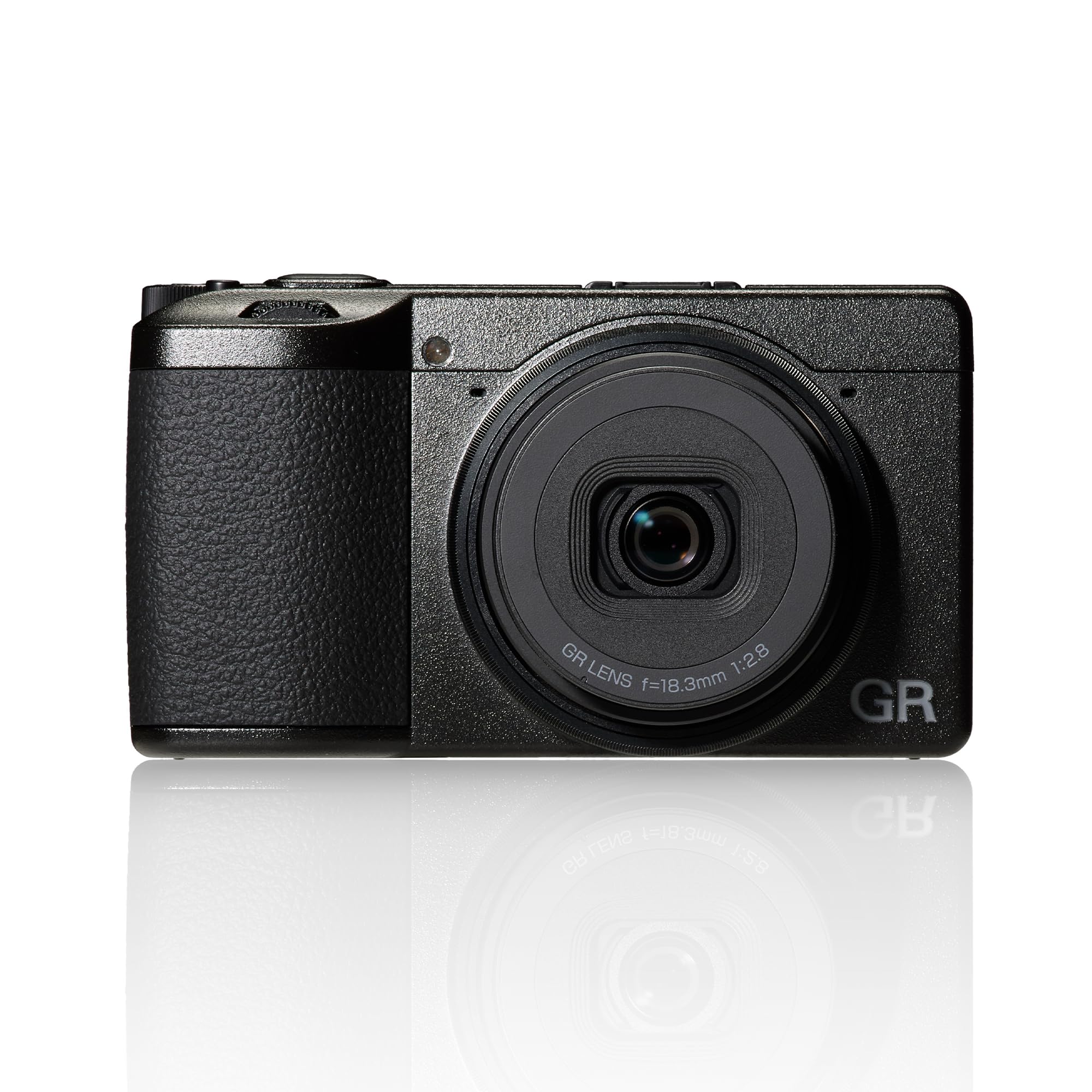
Who Should Buy Which Advanced Compact Camera?
Advanced compacts can look nearly identical, yet they suit very different people. A traveler counting every ounce, a creator filming weekly, and a hobbyist learning manual exposure each need a different mix of lens, controls, and size. Shoppers who want a wider view of the category can also see our guide to the best point & shoot cameras before narrowing down.
Travelers Who Want More Than a Phone
You want one small camera that handles street scenes, family portraits, and distant landmarks. Look for a versatile zoom, reliable autofocus, and a body light enough to carry all day. Stabilization matters on walking tours and evening outings, and USB C charging helps on the road. For route and packing advice, see our guide to the best point and shoot cameras for travel.
Creators Who Film and Photograph on the Go
You shoot short videos for social channels, record family events, or document your work, and you need clean audio as much as sharp stills. Prioritize a screen that flips toward you, a microphone input, and autofocus that follows faces and eyes without hunting. A bright lens keeps indoor footage cleaner, and a modest zoom is easier to hold steady than an extreme one.
Enthusiasts Who Want Manual Control in a Small Body
You understand exposure and want aperture, shutter speed, and ISO under your fingers without an interchangeable lens system. Look for physical dials, a viewfinder for bright days, and raw file support for editing. A large sensor with a bright fixed lens will reward your skill in dim light. You will likely accept a shorter zoom in exchange for that image quality.
How to Choose an Advanced Compact Camera
Read the sections below in order if you are new to advanced compacts, or jump to the factor you are unsure about when comparing the best advanced point and shoot cameras on your shortlist.
Sensor Size and Image Quality
Sensor size is the biggest driver of image quality in this class. Most advanced compacts use a 1 inch sensor, which gathers far more light than a phone sensor and holds detail better at higher ISO settings. A smaller group uses an APS C sensor for cleaner low light shots and shallower depth of field, while full frame compacts are rare and costly. Megapixel counts matter less, since extra pixels packed onto a small sensor can add noise rather than detail.
Larger sensors also leave more room to crop when you edit. If you are weighing basic models against advanced ones, see our guide to the best point and shoot digital cameras for what the step up buys you.
Objective Lens, Zoom Range, and Magnification
The objective lens is fixed, so its range and brightness decide what you can shoot. Zoom is often described as magnification, such as 3x or 10x, comparing the longest focal length with the widest. A range around 24 to 70 mm suits portraits and everyday scenes, while travel zooms reach 200 mm or more. Check maximum aperture too, since a lens rated at f/2.8 gathers much more light than one at f/4.5.
Autofocus and Image Stabilization
Good autofocus should lock on quickly and stay locked while your subject moves. Look for face and eye detection for people, subject tracking for kids and pets, and wide coverage so subjects need not sit in the center. Phase detection systems generally track movement more confidently than contrast only systems. Image stabilization then steadies the camera itself, countering small hand movements, which allows slower shutter speeds in dim light and smoother handheld video.
Video Capabilities
Most advanced compacts now record 4K video, and the details separate casual tools from serious ones. Frame rates such as 60 frames per second give smoother motion and let you slow footage slightly in editing, while flat color profiles preserve editing flexibility. A microphone input greatly improves dialogue, and a flipping screen makes self recording far easier. Also check recording limits, since some small bodies overheat during long sessions.
Ease of Use for Your Skill Level
Advanced does not have to mean intimidating. A good model offers a dependable full auto mode for quick snapshots, plus guided settings while you learn. A touchscreen that lets you tap to focus speeds up everyday shooting, and clear menus matter more than a long feature list you cannot find. Wireless transfer through WiFi or Bluetooth sends photos to your phone for sharing. If you plan to grow, pick controls that sit under your fingers rather than deep in menus.
Size, Weight, and Ergonomics
A camera you leave at home takes no good photos, so size and handling deserve real attention. Many 1 inch compacts weigh about 250 to 450 grams and slip into a jacket pocket, while larger sensor models need a small bag. Check grip depth if you have large hands, and whether key dials turn easily without looking. An electronic viewfinder helps in bright sun when screens wash out.
Battery Life and Charging
Compact cameras often deliver about 250 to 350 shots per charge, and video drains the battery much faster. A spare battery is close to essential for travel days and events. USB C charging is a real convenience because you can top up from a power bank or your phone charger. Cold weather shortens battery life, so keep a spare warm in an inside pocket.
Types of Advanced Compact Cameras
Every type below is a digital camera with a fixed lens, but each trades size, reach, and image quality differently. All of them differ from film models, which use rolls of film and offer no screen or instant review. If that older format appeals to you instead, see our guide to the best film cameras point and shoot for a very different experience.
Large Sensor Fixed Lens Cameras
These models pair an APS C or similarly large sensor with one focal length, often around 28 mm. They deliver the cleanest files and the most background blur in this class, suiting street, travel, and everyday documentary style shooting. The fixed focal length means you zoom with your feet. Choose this type when image quality matters most and you rarely need telephoto reach.
High Zoom Travel Cameras
Travel zooms squeeze a long magnification range, sometimes 10x or more, into a pocketable body by using a smaller sensor or a slower lens. They shine on trips where one camera must cover wide plazas and distant wildlife in the same hour. The trade is dim light quality, since the aperture narrows as you zoom in. Choose this type when reach and convenience beat the cleanest files.
Vlogging Cameras
Vlogging cameras are compacts tuned for video first. They typically add a fully flipping screen, strong face and eye autofocus, a wide lens for arm length recording, and good built in microphones with wind protection. Many include a showcase mode that shifts focus to an object you hold up to the lens. Stills quality is solid but secondary. If most of your shooting is video, this type fits best.
Rugged and Weatherproof Cameras
Rugged models add sealing against dust and rain, and some are waterproof for snorkeling, shockproof against drops, and freezeproof for winter trips. That protection lets you shoot at the beach, on boats, and on ski days without sheltering the camera. The cost is usually a smaller sensor and a modest zoom, so everyday quality sits a step below large sensor models.
Common Mistakes to Avoid
Most regrets with advanced compacts come from a handful of repeat errors. Read these before you order.
- Buying on megapixel count alone, which leads to a small sensor camera that struggles in dim light.
- Choosing the longest zoom available, which usually means a darker lens and softer photos indoors.
- Skipping the viewfinder to save money, which makes composing in bright sun frustrating.
- Forgetting the cost of a spare battery, memory cards, and a case, which can strain a tight budget.
- Assuming a weather sealed camera is fully waterproof, which can ruin it during a swim.
- Ordering a vlogging model with no microphone input, which leaves dialogue thin and echoing.
How to Make Your Advanced Point and Shoot Camera Last Longer
An advanced compact packs a retracting lens and fine electronics into a small shell, so gentle habits pay off. These tips cover this camera only.
- Use a lens cloth, not your shirt. Shirt fabric can trap grit that scratches the lens coating, while a clean microfiber cloth lifts smudges safely. Wash the cloth often so trapped dust does not build up.
- Carry a spare battery and rotate both. Swapping batteries evens out wear, and store spares at partial charge during long breaks.
- Store the camera in a dry, padded bag. Padding guards the lens mechanism against knocks, and a dry space slows corrosion. A small moisture absorbing pack helps in humid climates.
- Update the firmware when the maker releases it. Updates often improve autofocus, fix bugs, and add corrections. Use a full battery during the update and never switch the camera off midway.
- Back up photos and format cards in the camera. Copy files to two places before a trip, then format the card in the camera. In camera formatting matches what the camera expects and reduces card errors.
Frequently Asked Questions
Is a smartphone enough instead of an advanced point and shoot camera?
A smartphone is enough for casual snapshots in good light, but an advanced compact pulls ahead when you zoom, shoot indoors, or print. Optical zoom keeps distant detail that phone cropping throws away, and the larger sensor holds cleaner files at dusk. Compact files also hold up well in large prints and photo books, while heavily processed phone images can look smooth and artificial when enlarged.
How much should you spend on your first advanced point and shoot camera?
Expect to spend about $800 for a strong first advanced compact with a 1 inch sensor, and more for large sensor models. Cameras priced around $650 often balance lens brightness and autofocus well for learners with tighter budgets. Set aside a small share of your budget for a case, a fast memory card, and a spare battery. Spending a little less on the body to afford those basics leads to a better first year.
What specs matter most for beginners buying an advanced point and shoot camera?
Sensor size, lens brightness, and autofocus matter most, because they decide how your photos look in ordinary light and how many shots come out sharp. Beginners also benefit from a small pop up flash for indoor family photos. Ignore extreme zoom numbers and huge megapixel counts at first. A clear auto mode on a camera you enjoy carrying will teach you more than a complicated model.
Which advanced point and shoot camera type is better for low light shooting?
Large sensor fixed lens cameras are better for low light, since the bigger sensor and bright aperture gather far more light than travel zoom models. They keep shutter speeds usable in restaurants, evening streets, and indoor events without raising noise as quickly. A practical tip helps any model. Brace your elbows against your body or a wall and take two or three frames, since one will usually be steadier when light is scarce.
Can an advanced point and shoot camera record good video for vlogging?
Yes, many advanced compacts record sharp 4K video with autofocus that tracks faces reliably, which covers most vlogging needs. Models built for creators add flipping screens and better microphones, so check those features before buying. One detail worth confirming is the front recording light, which shows at a glance that the camera is recording. That indicator prevents the frustration of finishing a long take and finding an empty file.
Final Thoughts
Choosing well comes down to three things: a sensor large enough for your light, a lens that matches the subjects you shoot most, and controls you will actually use. Weigh those against the product table above, and be honest about whether reach, video, or low light quality matters most on a typical day. Your shortlist of the best advanced point and shoot cameras should end with the model that fits your pocket and your habits.