
Best 4K Point and Shoot Cameras in 2026: Everything to Know Before Your First Purchase
Disclosure: We may earn a commission when you buy through links on this page, at no extra cost to you. As an Amazon Associate I earn from qualifying purchases. Learn more

Shopping for the best 4k point and shoot cameras for the first time? Learn the terms, compare options, and avoid rookie mistakes with this easy guide.
Buying your first real camera can feel confusing, because spec sheets mix sensor sizes, zoom numbers and video modes with no plain explanation. The best 4k point and shoot cameras solve a simple problem: they give you sharper photos and clearer video than a phone, in a body that fits a jacket pocket. This guide explains each term in everyday language and shows you how to use the product table below.
You do not need to master every setting before you buy. You need to know which few specs change your pictures the most, which extras you can ignore, and what a fair first budget looks like. Work through the sections in order and you will finish with a short, personal checklist.
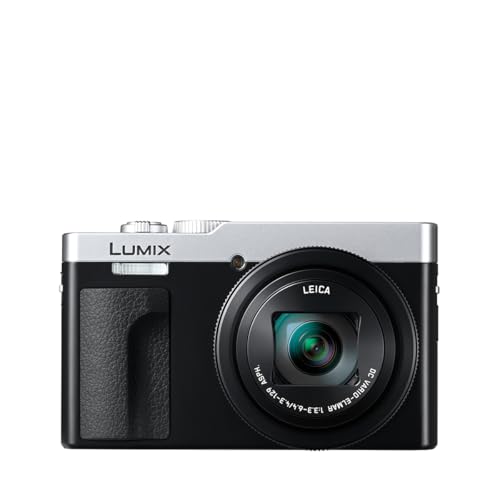
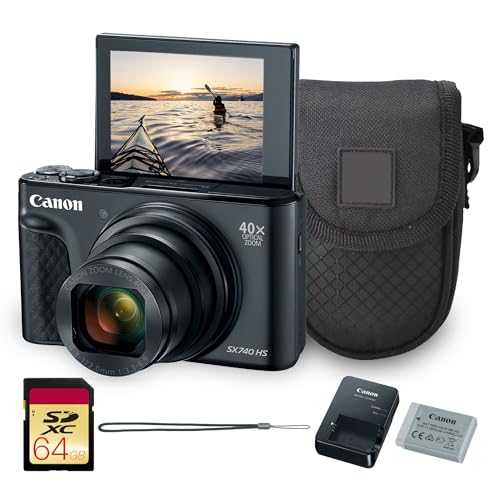


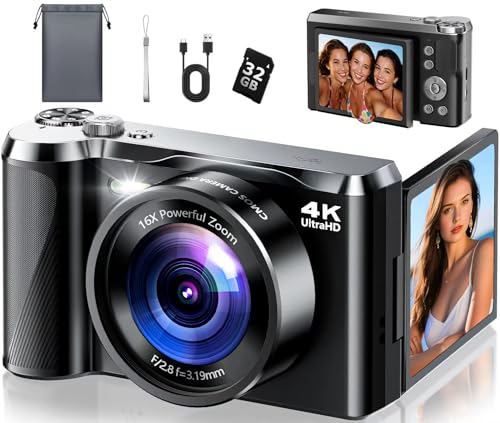

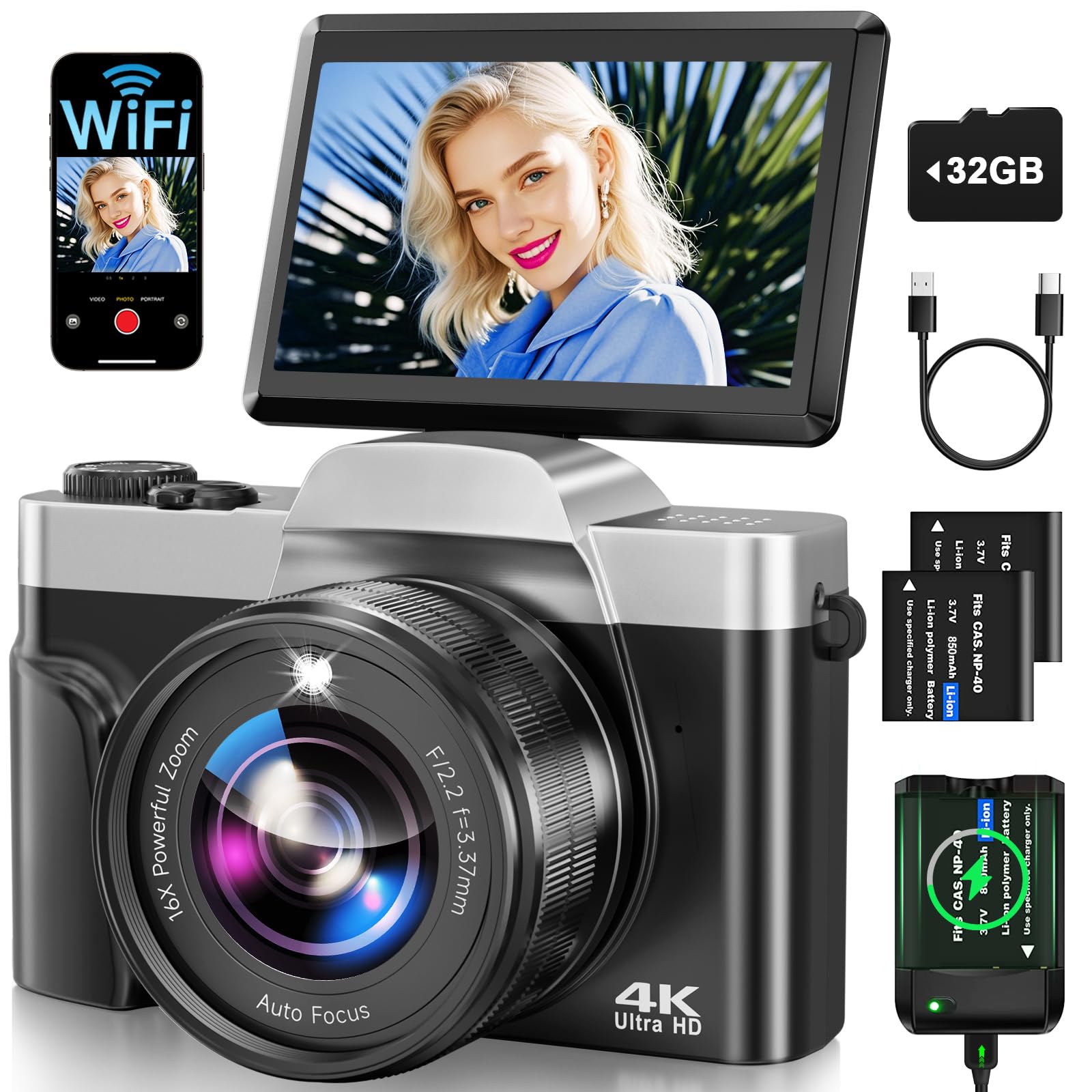
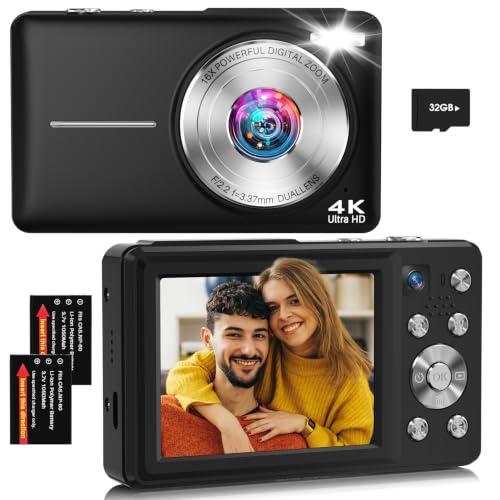
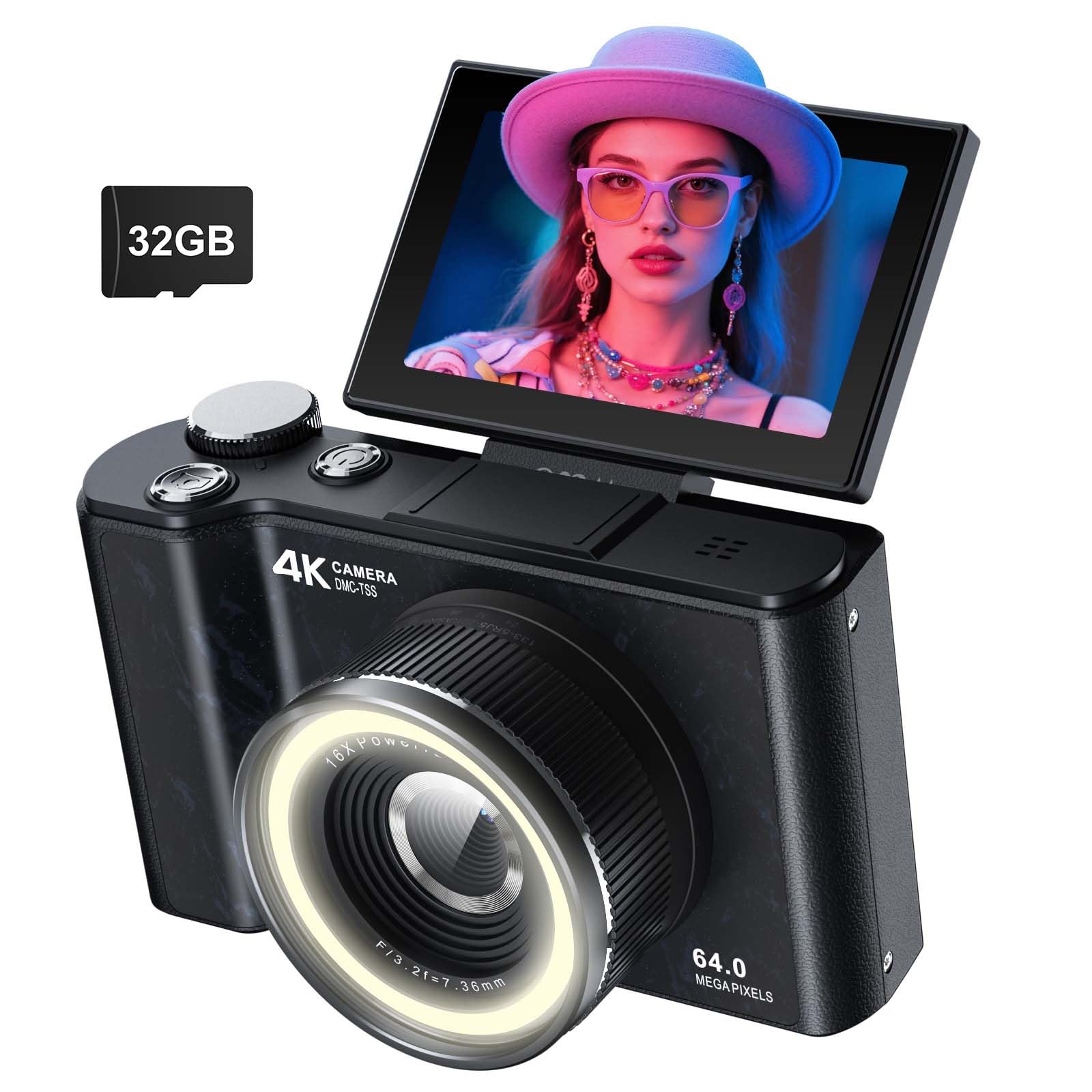
4K Point and Shoot Cameras 101: The Basics
A point and shoot camera is a compact camera with a lens fixed to the body, so you cannot swap lenses the way you can with mirrorless cameras. You frame the shot, press the shutter button halfway so the camera can focus, then press it fully.
The 4K part describes video resolution, roughly four times the detail of full HD, so clips stay crisp on a large TV or after you trim the edges. That promise is why the best 4k point and shoot cameras appeal to first time buyers who want one device for photos and video. For the wider category, see our guide to the best cameras for point and shoot.
Compact Camera Specs in Plain Words
Read these six factors in order, because the first two shape image quality most. You can compare terms with our guide to the best point and shoot digital cameras.
Why the 1 Inch Sensor Beats the Megapixel Count
The sensor is the light sensitive chip behind the lens, and its size matters more than the megapixel count on the box. Most cameras in this class use a 1 inch sensor, which gathers far more light than the tiny sensor in a basic compact, so photos look cleaner indoors and after sunset. Smaller sensors cost less and allow longer zoom, but detail suffers in dim light. Treat extra megapixels as a bonus for cropping.
Ease of Use for Your Skill Level
A good first camera should take a decent photo the day it arrives, before you learn manual controls. Full auto mode, scene modes for portraits and sports, and a touch screen you can tap to set focus all lower the learning curve. Autofocus that locks onto faces and eyes saves shots of children and pets, because the camera follows the subject instead of hunting.
Video Capabilities
All cameras here record 4K video, but the details decide how usable it is. A rate of 30 frames per second suits family clips and travel, while 60 frames per second gives smoother motion and lets you slow footage of sports or pets. Image stabilization steadies handheld clips when you walk while filming. If you plan to talk to the camera, look for a flip screen and a microphone socket, because wind can ruin speech on a built in microphone.
Size, Weight, and Ergonomics
A camera only helps if you carry it, so weight and grip deserve as much attention as resolution. Most models here weigh about 10 to 14 ounces with the battery fitted, light enough for a coat pocket but heavy enough to hold steady. A raised grip, a zoom lever you can reach with one finger, and buttons you can tell apart by touch make long outings easier. For all day events, choose the body that feels secure in one hand.
Lens and Zoom Range
The lens decides what fits in your frame, and optical zoom is the number that counts, because it moves glass to magnify the scene without throwing away detail. A zoom marked 3x or 5x covers portraits and street scenes, while 10x or more magnification reaches across a sports field. Digital zoom only enlarges the middle of the image, so quality drops fast. Aperture, written as an f stop number, controls light; a lower number such as f/1.8 or f/2.8 helps in dim rooms.
Shots Per Charge and USB C Top Ups
Makers rate battery life in shots per charge, and most compact cameras manage about 250 to 350 photos before the battery runs flat. Video drains a battery much faster than stills, and cold days shorten a charge. Charging over USB C is worth seeking out, because you can top up from the power bank you carry for your phone. For weddings or full travel days, budget for a spare battery.
Choosing 4K Point and Shoot Cameras for Your Situation
Your best choice depends on where the camera will spend its life, not on which spec sheet looks longest. Match your main situation below first, then check the basics above.
Best low light 4k point and shoot cameras
For evening streets, school concerts and indoor birthdays, three traits decide your results: a 1 inch sensor, a lens aperture of f/2.8 or wider at the setting you use most, and stabilization that lets you handhold slower speeds. A camera with those traits keeps faces clean where a basic compact turns skin grainy and smears moving hands.
Travelers Who Want More Than a Phone
You walk all day, so every ounce counts, and your subjects range from wide plazas to distant towers. Favor a zoom of at least 5x, a body under about 12 ounces, and USB C charging so one cable serves the whole trip bag. For route based planning, see our guide to the best point and shoot cameras for travel.
New Vloggers and Family Video Makers
You record yourself and your family more than you photograph landscapes, so video tools lead your list. A flip screen, reliable face tracking and a microphone socket matter more than a long zoom. Steady stabilization keeps walking clips watchable, and quick controls matter, because family moments rarely wait for menu diving.
Rookie Mistakes to Avoid
First time buyers tend to repeat the same few errors.
- Judging a camera by megapixels alone leads you to a tiny sensor that struggles indoors.
- Trusting digital zoom figures leaves you with soft, cropped images at the long end.
- Skipping a spare battery means the camera dies during the longest and best part of an event.
- Ignoring the return window means you never test the camera in the dim rooms where you shoot most.
- Buying the longest zoom in the class often means accepting a smaller sensor and weaker low light results.
First Day Setup: Card, Clock and Test Shots
Charge the battery fully before the first outing, then set the date, time and language so your files sort correctly later. Insert a memory card, format it inside the camera rather than on a computer, and use full auto for your first week. Take test shots in your kitchen in the evening and outside at noon.
Next, connect the camera to your phone once at home, so the transfer steps are familiar before a trip. Turn on face detection and shoot the same scene at the widest and longest zoom settings to learn what your lens can reach.
Care and Maintenance for a Compact Camera
Clean the lens with a soft lens cloth, not your shirt, because shirt fabric can drag grit across the coating and leave fine scratches. Keep the camera in a padded case, away from keys and coins, and use the wrist strap over water, railings or crowds. At the beach, wipe the body before opening any cover, so sand stays out of the seals.
Store the camera dry, with the battery partly charged if it will sit unused for months. Copy photos to a computer or cloud folder after each big outing, then format the card in the camera.
Frequently Asked Questions
How much should I spend on my first 4K point and shoot camera?
Most first time buyers land well between about $300 to $600, where 1 inch sensors and solid stabilization become common. Spending about $600 to $1,000 mainly buys a brighter lens and better video tools. Keep a small share back for a case, a spare battery and a fast card.
Which sensor size is better for low light photos with a 4K point and shoot camera?
A 1 inch sensor is the better choice for low light photos in this class, ahead of smaller sensors in budget compacts. One trick matters as much as the chip: brace your elbows against your body and squeeze the shutter gently, because your own movement blurs more dim photos than sensor noise does.
What specs matter most for beginners buying a 4K point and shoot camera?
Sensor size, optical zoom and stabilization matter most for beginners, in that order. A useful extra check is menu clarity: if you can find the flash setting and the video mode within a minute in a store, the camera will stay friendly at home. Avoid models that bury everyday settings deep in menus.
Is a smartphone enough instead of a 4K point and shoot camera?
A smartphone is enough for casual snapshots you share the same day, and its automatic processing is hard to beat for speed. A dedicated camera pulls ahead when you crop into a distant subject, print a photo at a large size, or shoot all day without draining your phone.
What memory card does a 4K point and shoot camera need?
A 4K point and shoot camera needs a card rated for sustained video writing, marked V30 or with a Speed Class of U3. Slower cards can stop a recording mid clip when the camera cannot write data fast enough, even if stills seem fine. Cards of 64 to 128 gigabytes suit most trips.
The Bottom Line
Start with sensor size, then weigh zoom, stabilization and battery life against the way you actually shoot. Use the product table above to confirm those points on any model you consider.
When you compare best 4k point and shoot cameras with a short checklist instead of a long spec sheet, the right first camera usually stands out quickly. Buy it, shoot daily for a month, and let your pictures show you which setting to learn next.


