
Best Adjustable Beds and Mattresses: Types Compared for 2026
Disclosure: We may earn a commission when you buy through links on this page, at no extra cost to you. As an Amazon Associate I earn from qualifying purchases. Learn more

Compare adjustable beds and mattresses by base type, mattress compatibility, comfort, and health needs, and learn how to choose a setup for better sleep.
Choosing best adjustable beds and mattresses affects sleep quality, comfort, and daily independence, especially for readers, snorers, and people with back or circulation concerns. Adjustable bases raise head and feet independently, while compatible mattresses must flex without damage. The comparison table below sets out the main base and mattress types side by side.
This guide explains base types, mattress materials, sizing, and safety in plain terms. It offers general comfort information only, not medical advice. If sleep, breathing, or pain concerns persist, talk with your clinician before relying on an adjustable bed.


How adjustable bases work
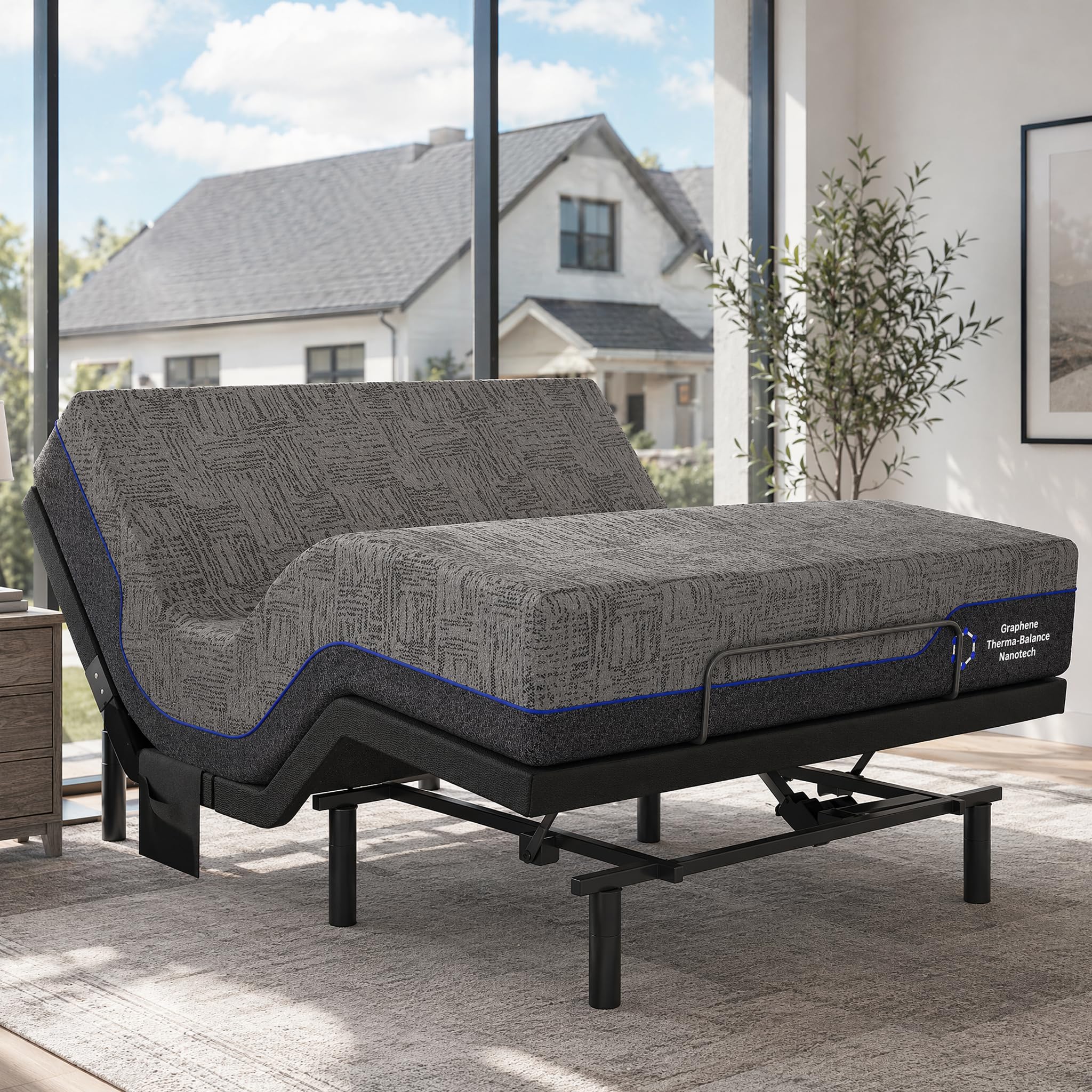
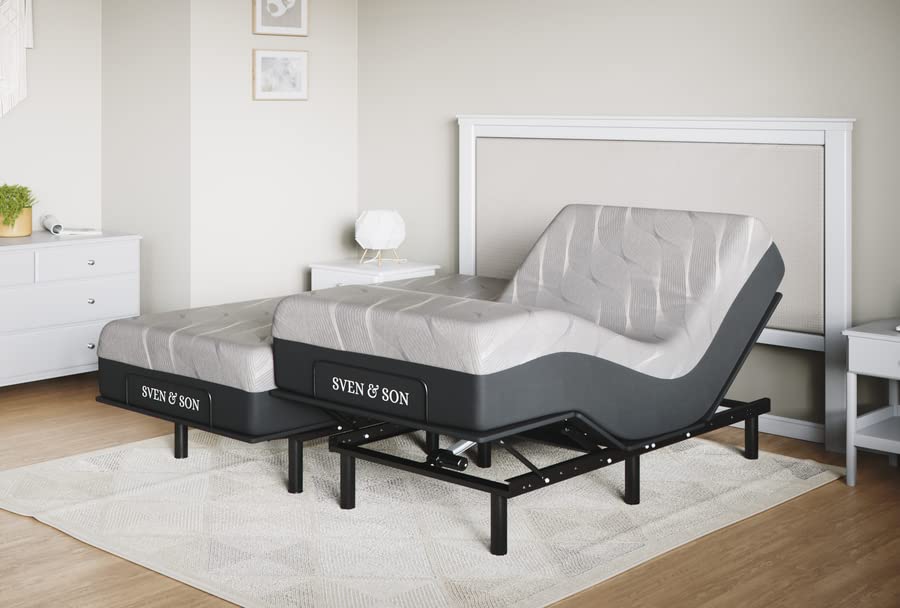
Adjustable bases use motors to raise the head section, foot section, or both. Basic bases offer head and foot adjustment, while advanced bases add massage, preset positions, wall hugging movement, and under bed lighting. Motors should run quietly and smoothly, without jerking.
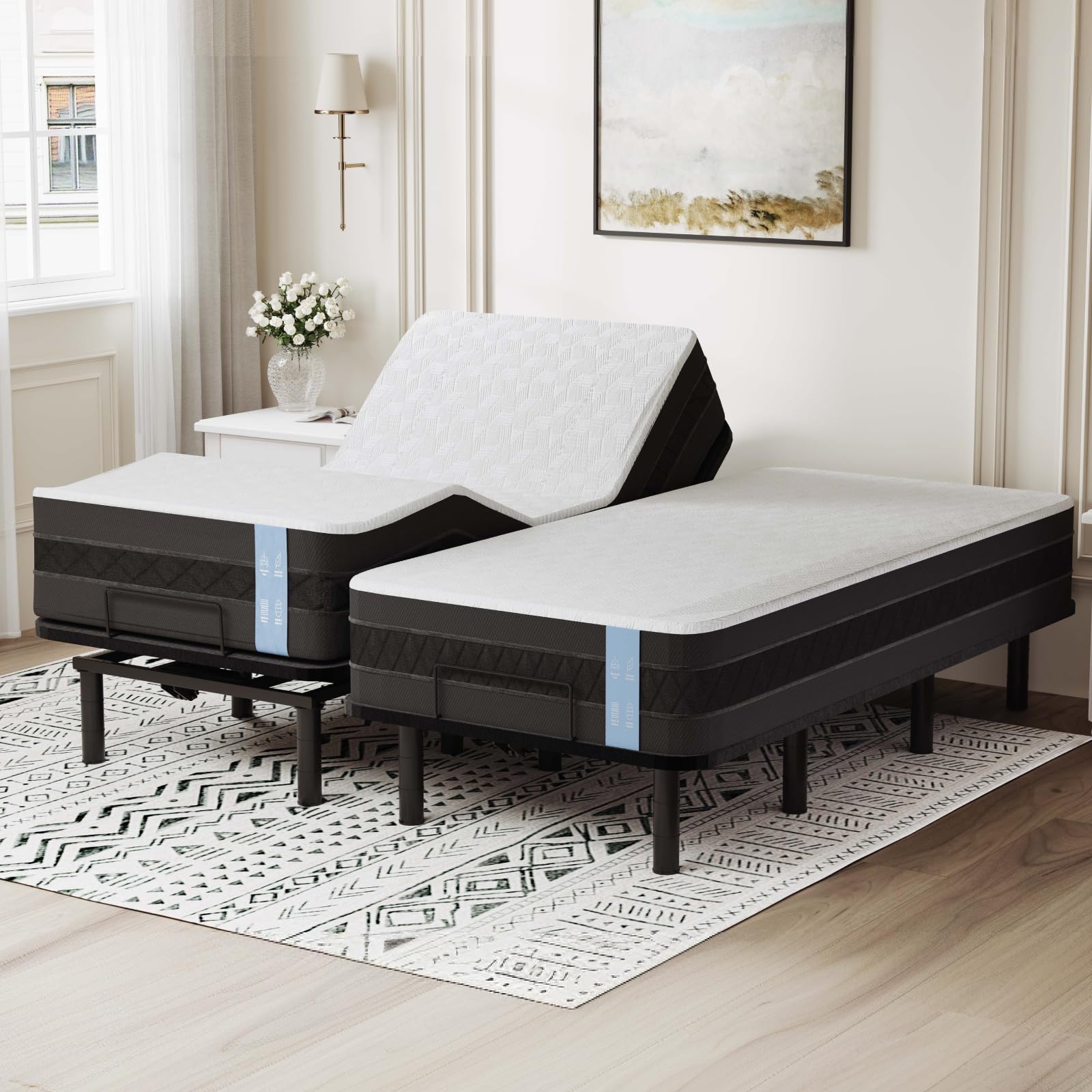
Split bases allow partners to adjust sides independently, suiting couples with different sleep preferences. Single bases suit solo sleepers and smaller rooms. Check weight capacity, motor warranty, and remote simplicity before buying, since these affect daily satisfaction.
Mattress types that work with adjustable bases
Memory foam mattresses flex well and suit adjustable bases, contouring to raised positions without gaps. Latex mattresses also flex, offering responsive support and durability, though they weigh more. Hybrid mattresses combine foam and springs, but only models designed for adjustable bases should be used, since rigid springs can damage.
Innerspring mattresses with rigid coils generally suit adjustable bases poorly, since coils resist bending and may break. Air mattresses designed for adjustable bases offer firmness control but need compatible pumps and maintenance. Always confirm maker compatibility before pairing a mattress with a base.
Comfort, sleep positions, and support
Raising the head can ease snoring, acid reflux symptoms, and reading comfort for some sleepers, while raising feet can reduce leg swelling and lower back pressure. These benefits vary by individual, and adjustable positions do not treat underlying medical conditions. Experiment with gentle angles rather than extreme positions.
Support should keep the spine aligned in your preferred sleep position. Side sleepers need pressure relief at shoulders and hips, back sleepers need lumbar support, and stomach sleepers need firmer support to avoid sinking. Test positions in a showroom if possible, lying for several minutes in each.
Sizing, room fit, and existing furniture
Adjustable bases come in standard mattress sizes, but split options change dimensions and bedding needs. Measure bedroom space, doorways, and existing headboards before buying. A base that fits the room but blocks wardrobe doors or walkways causes daily frustration.
Check whether your existing headboard, bed frame, and bedding suit an adjustable base. Some frames need modification or replacement. Fitted sheets with deep pockets handle raised positions better, while standard sheets may pull off at the corners.
Features worth paying for versus extras
Worthwhile features include quiet motors, simple remotes, preset positions, and a solid warranty. Wall hugging movement keeps bedside tables within reach when the head rises, which matters for readers and phone users. Massage features relax some sleepers, but they do not replace medical treatment.
Extras such as app control, USB charging, and under bed lighting add convenience but also complexity and cost. Prioritise motor reliability and mattress compatibility over gadgets. A simple, reliable base used nightly beats a feature rich base that frustrates with complex controls.
Safety, care, and warning signs
Keep cords, pets, and children away from moving mechanisms, and avoid placing hands under a moving base. Check for pinch points during adjustment, especially with split bases. Unplug the base before cleaning underneath or moving it.
Seek professional advice for persistent back pain, numbness, weakness, bladder or bowel changes, breathing difficulties during sleep, or swelling that does not settle. Adjustable beds support comfort, but they cannot diagnose or treat medical conditions. Talk with your clinician if symptoms persist or worsen.
Related guides worth a look
The guides below cover close alternatives and companion choices. Read the one that matches your next decision, then return to the checklist in this guide before you buy.
General bed and mattress guidance appears in best beds and mattresses.
Sheets that stay fitted on adjustable bases appear in best bed sheets.
Murphy bed mattress flexibility detail appears in best mattresses for murphy beds.
Bunk bed mattress thickness and safety detail appears in best mattresses for bunk beds.
Sofa bed mattress comfort options appear in best sofa bed mattresses.
Common mistakes to avoid
A common mistake is pairing a rigid innerspring mattress with an adjustable base, then damaging coils or voiding warranties. Only flexible mattresses designed for adjustable bases should be used, such as memory foam, latex, or compatible hybrids. Confirm maker compatibility for both base and mattress before purchase, in writing if possible.
Another mistake is choosing extreme positions nightly, expecting medical benefits that adjustable beds cannot guarantee. Gentle angles help some sleepers with snoring or leg comfort, but persistent pain, breathing problems, or swelling need clinician advice. Use adjustable positions for comfort, not as a substitute for medical care.
Finally, buyers often ignore room fit and bedding, then discover the base blocks wardrobes or sheets pull off nightly. Measure room, doorways, and headboard compatibility, and choose deep pocket fitted sheets for raised positions. Practical fit checks prevent daily frustration with an otherwise good base.
A simple buying checklist
Begin your checklist with mattress compatibility, sleep positions, and partner needs, in that order. Note whether you sleep on side, back, or stomach, whether a partner needs independent adjustment, and which mattress types suit your base. These answers narrow base and mattress pairing quickly.
Next, test motors and remotes in a showroom, listening for quiet, smooth movement and checking remote simplicity. A base used nightly must operate easily in the dark, without confusing menus. Prioritise motor warranty and reliability over gadget features that add complexity.
Finally, plan safety and care by keeping cords and children away from moving parts, and checking pinch points during adjustment. Unplug before cleaning underneath, inspect mechanisms periodically, and seek clinician advice for persistent symptoms. Good safety habits protect household members and the investment.
Before you decide
Test an adjustable base and mattress together for several nights before the return window closes, trying head and foot positions for reading, sleeping, and resting. Note comfort, partner disturbance, and ease of remote use in the dark. Multi night testing reveals issues that showroom lying cannot show.
Keep bedding suited to adjustable movement, using deep pocket fitted sheets and flexible duvets that stay in place when sections rise. Test sheet fit at maximum head and foot angles, since standard sheets pull off and disrupt sleep. Suitable bedding makes nightly adjustment pleasant rather than fiddly.
Plan power and cord placement carefully, keeping cables away from walkways and pets, and ensuring sockets remain accessible. Test emergency lowering or manual override features if offered, so you understand them before needing them at night. Safe, tidy power setup prevents trips and confusion.
Review warranty terms and service options before purchase, noting motor coverage, response times, and in home repair availability. Keep proof of purchase and maker contact details accessible, since motor issues need prompt service. Clear warranty understanding protects a significant bedroom investment.
Frequently asked questions
Can any mattress go on an adjustable base?
No, only flexible mattresses designed for adjustable bases should be used, such as most memory foam, latex, and adjustable compatible hybrids. Rigid innerspring mattresses resist bending and may break or damage the base. Always confirm maker compatibility for both base and mattress before pairing them.
Do adjustable beds help back pain?
Adjustable beds can improve comfort for some people with back discomfort by changing pressure distribution and sleep position, but they do not treat underlying causes. Gentle head and foot elevation helps some sleepers, while others prefer a flat position. Seek clinician advice for persistent pain, numbness, or weakness.
Are split adjustable beds worth it?
Split adjustable beds suit couples with different sleep positions, schedules, or comfort needs, since each side adjusts independently. They cost more and need split bedding, but they prevent compromise disputes. Solo sleepers and tight budgets usually do better with a single base.
How noisy are adjustable bed motors?
Quality adjustable bed motors run quietly enough for nighttime adjustment, while cheaper motors may hum or jerk noticeably. Test motors in a showroom if possible, listening during slow adjustment. Quiet, smooth movement matters for partners and light sleepers.
What warranty should an adjustable base have?
Look for a multi year warranty covering motors, electronics, and frame, with clear terms for in home service. Motors are the most likely failure point, so motor warranty length matters most. Keep proof of purchase and follow maker care guidance to preserve coverage.
Final thoughts
Confirm mattress compatibility first, test sleep positions second, and prioritise quiet motors and simple controls over gadgets. The product table above compares the main base and mattress types.
A comfortable setup for best adjustable beds and mattresses should support restful sleep, easy reading, and independent adjustment without fuss. If pain or sleep concerns persist, talk with your clinician.


