Best All Natural Pillows by Budget: A Guide for 2026
Disclosure: We may earn a commission when you buy through links on this page, at no extra cost to you. As an Amazon Associate I earn from qualifying purchases. Learn more

See what each budget tier really buys in natural pillows, how to read fill labels honestly, and which natural fills suit your sleep position.
Prices for natural pillows run from the cost of a pizza to well over one hundred dollars, and the label alone rarely tells you why. Shoppers looking for the best all natural pillows need to know what each budget tier actually buys in fill quality, cover fabric, and lifespan. This guide walks through the tiers first, then shows you how to read a fill label before you trust it.
The comparison table below sets the main options side by side. After it, the price sections and label checks below explain where spending more genuinely pays off and where it only buys prettier marketing.






What Your Money Gets You at Each Price Tier
Natural fills cost more to grow, harvest, and process than synthetic foam or polyester, so the tiers in this category sit higher than pillow prices in general. What changes with money is mostly fill purity, fill weight, cover quality, and how long the pillow holds its shape.
Budget Tier: Honest Basics
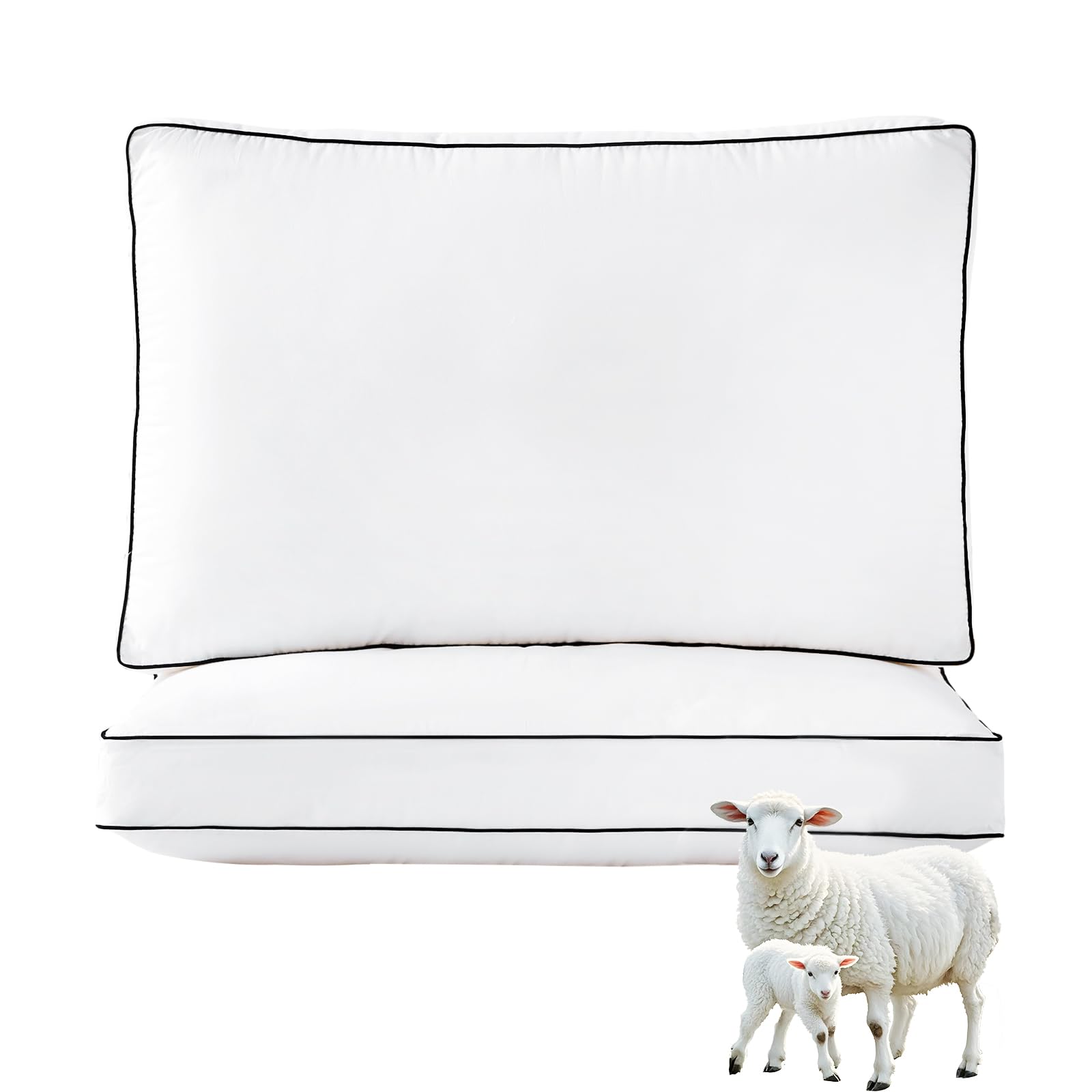
Budget natural pillows, about $25 to $50, usually mean shredded latex offcuts, wool blends, or cotton fill with a plain cotton cover. They sleep well for a year or two before the fill settles or clumps. This tier suits guest rooms, first time buyers who want to test a natural fill, and anyone who replaces pillows often for hygiene reasons. Read the fill percentage closely, since blends with mostly synthetic content hide at this price.
Midrange Tier: Better Fill and Covers
At about $50 to $100 you get single fill pillows with the fill named plainly, thicker covers, and often a zipper so you can adjust loose fills like buckwheat or shredded latex. Loft holds up longer, and the cover fabric feels cooler and sturdier. For most sleepers this tier gives the best balance of honest materials and price, especially in latex and wool.
Premium Tier: Certified Fill and Long Life
Premium natural pillows, about $100 to $200, buy certified organic fill and covers, solid latex cores that resist sagging for years, and finer details like piped edges and replaceable covers. A solid latex pillow at this level can stay supportive for five years or more, which lowers the cost per year below cheaper options. This tier suits committed natural material buyers and hot sleepers who need the most breathable builds.
Read the Fill Label Before You Pay
The word natural on a pillow is a label claim, not a measurement, and no rule forces a maker to use any fixed share of natural material. The honest read is the fill list itself: a trustworthy label names each fill and its percentage, such as latex with a cotton cover, rather than hiding behind words like eco or plant based. The overview of best natural filling for pillows compares the main fill families side by side if you want the short version.
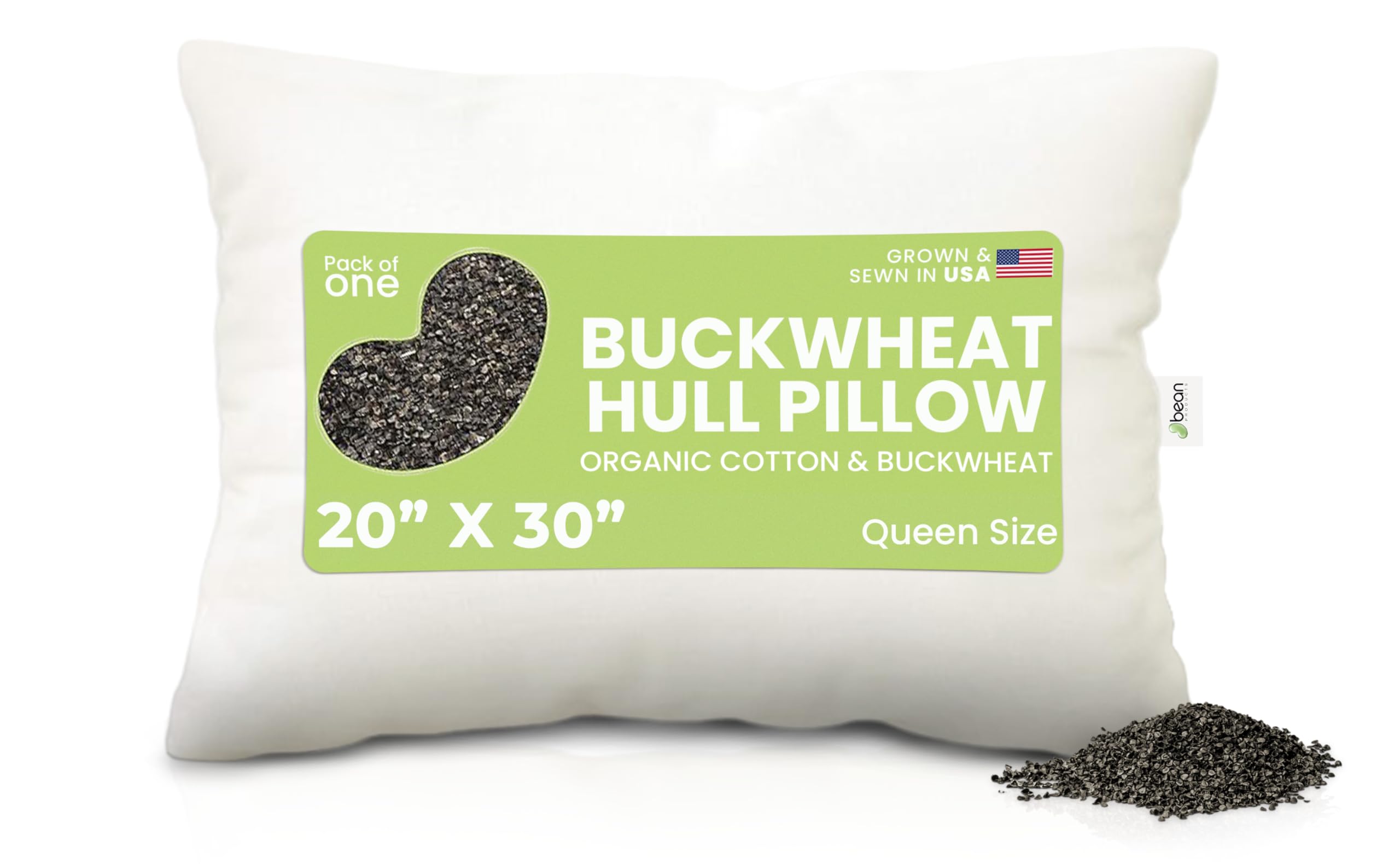
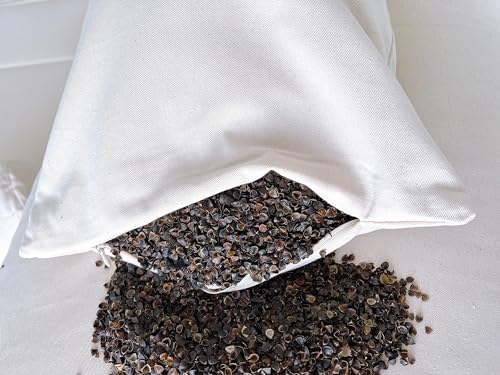
Three fills make up nearly every honest natural pillow. Latex, tapped from rubber trees and foamed into solid or shredded form, gives springy support and the longest life; the guide to best natural latex pillows covers its firmness options in depth. Wool regulates temperature and moisture and packs down slowly over time. Buckwheat hulls give firm, moldable support that you adjust by adding or removing hulls, at the cost of real weight and a soft rustling sound.
Natural also does not mean allergy free, and sensitive sleepers should check the exact fill before buying anything. Latex bothers a small share of people with a true latex allergy, wool can hold dust if it is not washed or aired, and buckwheat hulls can carry pollen traces when processing is poor. Readers shopping specifically for low reaction options should see the guide to best natural hypoallergenic pillows and then confirm the fill against their own known triggers.
Features Worth Paying For, and Ones to Skip
Fill and Cover Materials
Pay for a fill list that names one main material and a cover you can remove and wash. Cotton covers breathe well and cost least, while linen covers feel cooler but raise the price. Skip pillows that list the fill only as natural fibers with no breakdown, because that wording usually means a small natural share blended into synthetic fill. A zipper on loose fill models is worth real money, since it lets you tune the loft instead of replacing the pillow.
Firmness, Loft, and Sleep Position
Side sleepers need a higher, firmer pillow to fill the gap between ear and shoulder, while back sleepers do better with a medium loft that supports the neck curve without pushing the head forward. Stomach sleepers should look for the lowest, softest options, often wool or soft shredded latex. Body weight matters too: heavier sleepers compress any fill more, so a firmer grade of the same fill usually serves them better than a bigger pillow.
Certifications Worth Checking
A third party certification is the closest thing to proof behind a natural or organic claim, because an outside body checks the material chain instead of the maker grading its own work. Shoppers who want the strictest version of that check can compare options in the guide to best organic natural pillows. Treat uncertified claims as unverified, and be wary of a pillow that prints a seal like logo with no certifying body named. Certification adds cost, which is one honest reason premium tiers charge more.
Cooling and Breathability
Natural fills handle heat differently: wool absorbs and releases moisture, latex with an open structure lets air move, and buckwheat hulls leave air gaps throughout the pillow. These are real advantages for hot sleepers, but they have limits, and no pillow fill will fix a hot room or a heavy duvet. Skip cooling claims built on gel layers or phase change additives if your goal is an all natural build, since those layers are synthetic by definition.
Noise, Weight, and Sharing a Bed
Buckwheat is the outlier here: hulls shift with a soft rustle when you move, and a full pillow can weigh several pounds, which some sleepers love for its grounded feel and others cannot stand. Latex and wool stay quiet and light by comparison. If you share a bed, remember that an adjustable fill pillow also changes height when your partner borrows it, so a fixed solid latex core keeps the peace in some households.
Long Term Costs to Factor In
The sticker price is only part of what a natural pillow costs you. Replacement covers run about $15 to $30, extra loose fill for topping up runs about $10 to $25, and a washable protector, which quietly extends any pillow life, costs about $10 to $20. Latex pillows spread their higher price over many years, while cheap cotton fill needs replacing sooner, so cost per year often favors the midrange. If you are ordering from overseas sellers, such as the options in the guide to best natural pillows australia, add shipping time and return costs to the real price before you decide.
Natural Pillows: Your Questions Answered
How do I wash natural pillows safely?
Most natural pillows should not go through a full machine wash, because latex breaks down with soaking and heat, and wool felts and clumps when agitated in hot water. Wash the removable cover instead, spot clean the fill casing, and air the pillow in indirect sunlight to refresh it. Buckwheat hulls can be emptied out so the casing alone gets washed. Always follow the care tag on your specific pillow, since construction varies more in this category than in synthetic pillows.
Is a higher thread count always better on a natural pillow cover?
No, a higher thread count is not always better, and it can even work against a natural pillow. Very dense weaves trap heat and reduce the airflow that makes wool and latex covers feel cool. A moderate count in a plain weave usually breathes better and lasts just as long. What matters more is the fiber itself: long staple cotton or linen stays smooth and strong, while short fibers pill quickly whatever the count says.
How often should I replace a natural pillow?
Replace a natural pillow when it no longer returns to its loft after fluffing or when you wake with a stiff neck several mornings in a row. Solid latex often lasts about four to five years, wool about two to three years before it packs down, and buckwheat hulls can be refreshed by replacing part of the fill. Cotton fill sits at the short end, commonly one to two years. A protector and regular airing stretch every one of these timelines.
What firmness is best in a natural pillow for neck comfort?
The best firmness depends on your sleep position more than on the fill itself: side sleepers usually need firm and high, back sleepers medium, and stomach sleepers soft and low. A pillow supports comfort during sleep; it does not treat neck pain or any medical condition. If neck pain persists, worsens, or comes with numbness or weakness in your arms, see a clinician rather than shopping for a firmer pillow. Trying a pillow for a few nights at home tells you more than any firmness label.
Are cooling natural pillows worth it for hot sleepers?
Cooling natural pillows are worth it when the cooling comes from the fill itself, such as wool that moves moisture or buckwheat that lets air circulate. Those materials genuinely feel cooler than dense foam through the night. They are not worth it when the claim rests on a thin gel layer over a synthetic core, which feels cool for minutes and then warms up. Pairing a breathable natural pillow with a light cover gives hot sleepers the most consistent result.
Final Thoughts
Budget decides your shortlist, but the fill label decides whether a pillow deserves your money. Name the fill, check its share, match the loft to your sleep position, and let certifications settle the claims you cannot verify yourself. Set the product table above next to those checks, and the best all natural pillows for your bed and budget become easy to spot.