
Best All Season Blankets Guide: How to Choose Well in 2026
Disclosure: We may earn a commission when you buy through links on this page, at no extra cost to you. As an Amazon Associate I earn from qualifying purchases. Learn more

The best all season blankets are medium weight, breathable and easy to wash. See how to choose weight, weave and size for year round comfort.
One blanket that works from spring through autumn, with a little help on the coldest nights, is what most people actually want from their bedding. The best all season blankets are medium weight, breathable and easy to wash, so they keep you comfortable without trapping heat in summer or leaving you cold in winter.
This guide explains which materials and weights suit year round use, how to size a blanket for your bed, and how to care for it. Use the product table above to compare current options once you know what you need.





Who Should Buy an All Season Blanket
An all season blanket suits sleepers who want one main layer for most of the year, with extra warmth added only on the coldest nights. It also suits people with limited storage who do not want a separate summer and winter set, and anyone who sleeps warm but still feels the chill in colder months. If you live somewhere with long, harsh winters, you may still want a heavier layer in reserve.
Key Features to Compare
Material
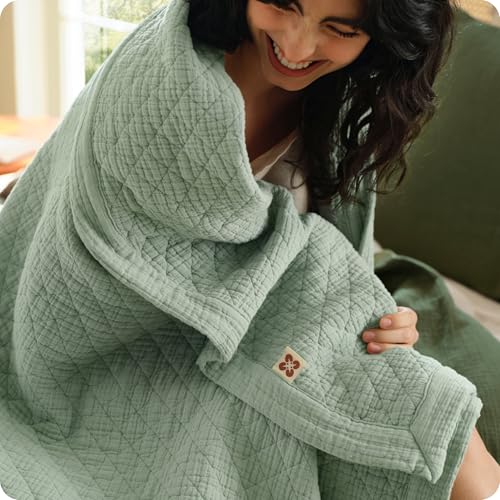
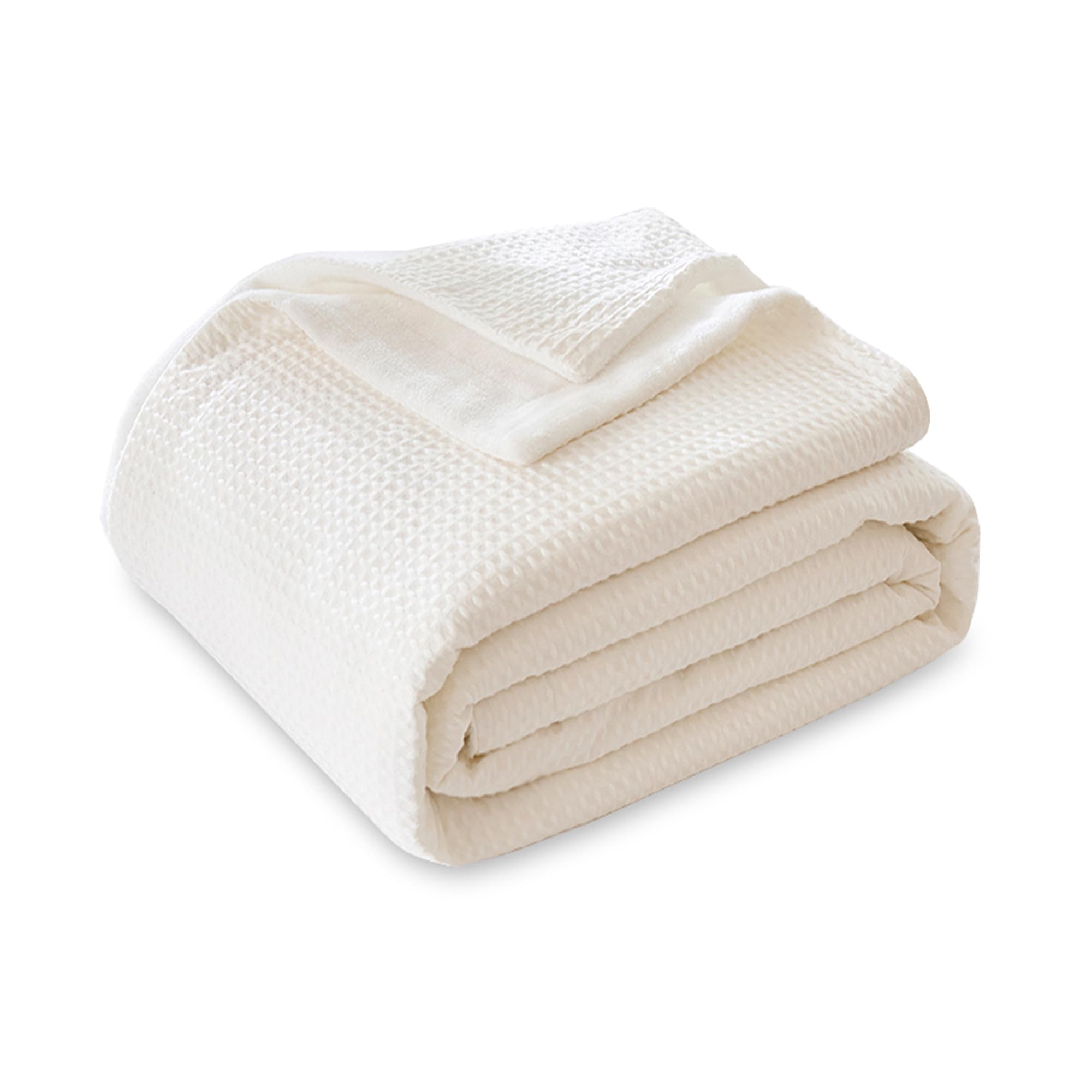
Cotton, especially waffle weave and muslin, breathes well and suits warm sleepers. Wool regulates temperature and wicks moisture, which makes it a classic choice for true year round use, though it can cost more and may need gentler washing. Blends and alpaca add softness and warmth without much weight.
Weight and Warmth
A medium weight blanket stays comfortable across seasons, while a very heavy blanket can feel too warm in summer. If you sleep warm, lean lighter and plan to layer on cold nights.
Weave and Breathability
An open weave lets air move, so heat does not build up under the blanket during warm nights. Multi layer muslin and waffle weaves trap small pockets of air that insulate in cool weather and release heat in warm weather.
Layering Flexibility
A blanket that pairs well with a light sheet or a heavier throw gives you control without buying several blankets. Use it alone in mild weather, add a sheet or throw in cold weather, and strip layers on warm nights.
Easy Washing
A blanket you can wash at home stays fresh, which matters for a layer used every night. Check the care label, since wool and some blends need gentle cycles or special care.
Fit, Size and Compatibility
Measure your mattress and check the finished blanket size, not just the label size, because brands size blankets differently. A blanket should drape over the sides of the mattress so it does not pull off when you turn. If you share a bed, a larger size avoids nightly tug of war over coverage. For related comparisons, see our guides to the best quality blankets and the best throws and blankets.
Everyday Use and Care
Wash cotton blankets on a gentle cold or warm cycle and dry them fully before putting them back on the bed, since damp filling can clump and smell. Wash wool blankets only as the label directs, usually on a wool or delicate cycle with mild detergent, and air dry flat. Avoid harsh bleach on colored blankets and check the care label before using high heat. A regular washing schedule also helps with dust and allergens.
Comparing Materials in Practice
Cotton waffle and muslin blankets are the easiest choice for warm sleepers. They are light, wash well and soften with use, and they layer nicely under a throw in winter. Their weakness is warmth: on cold nights a single cotton layer may not be enough, so plan to add a second layer.
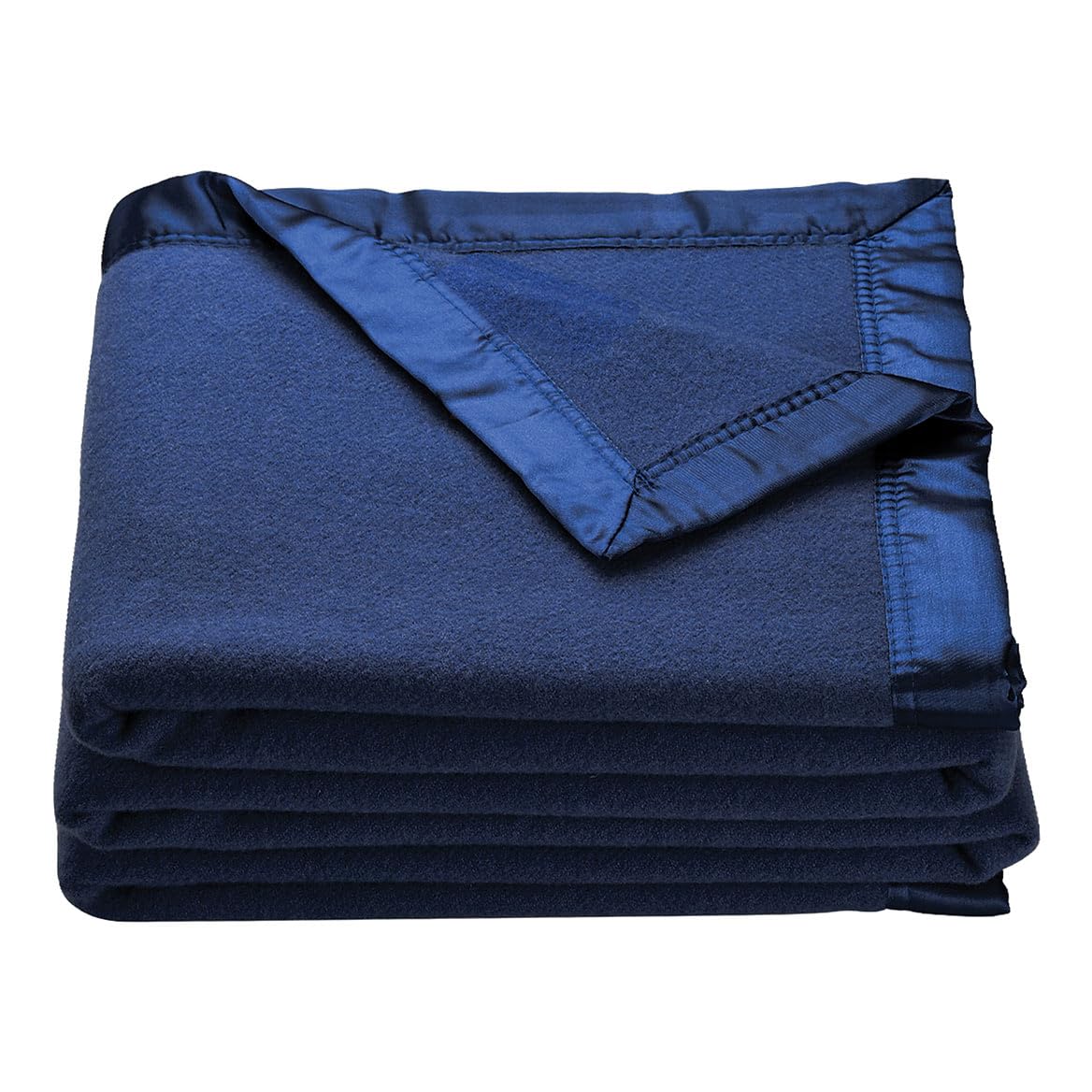
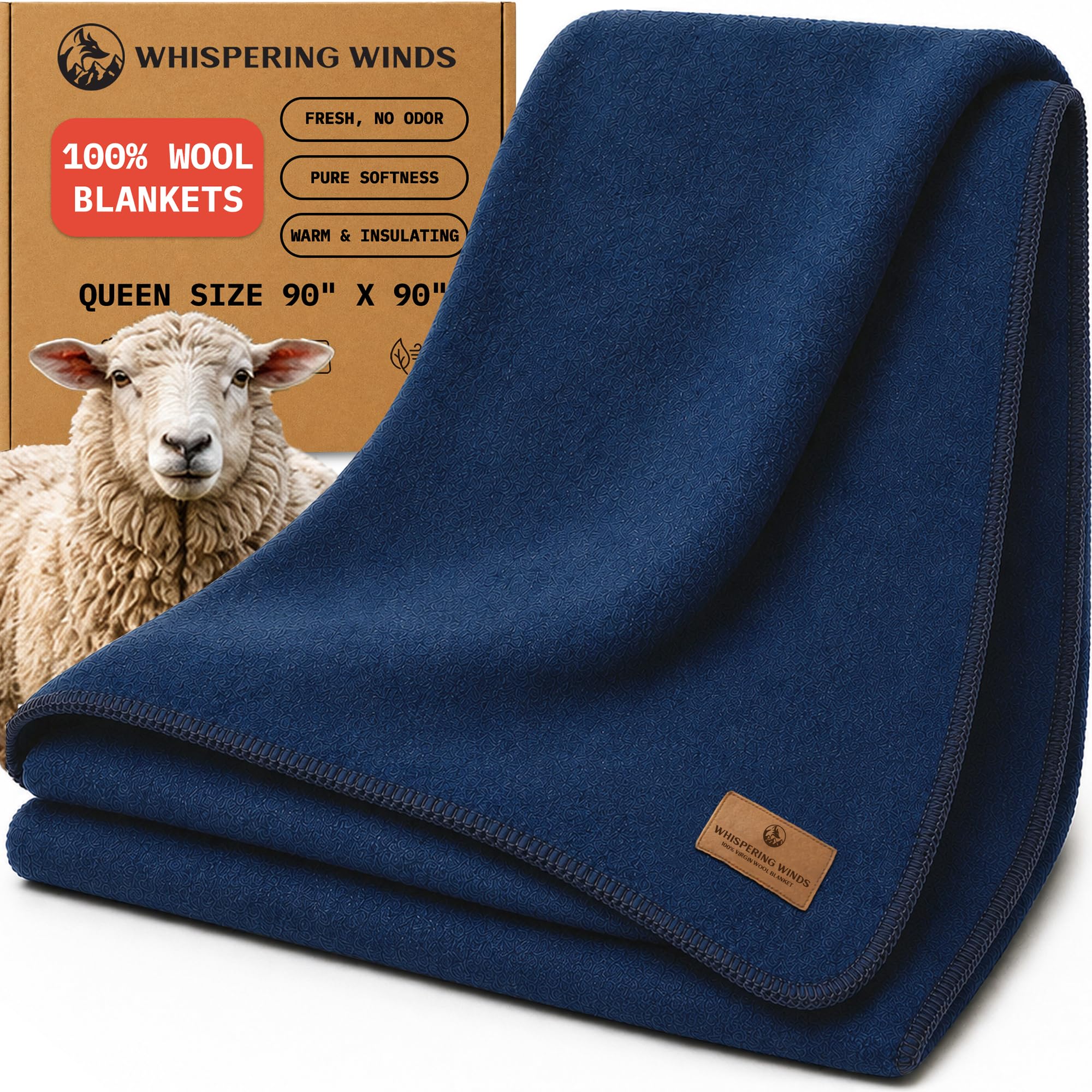
Wool blankets sit at the other end. They are warmer for their weight, wick moisture away from the body and resist odors, so they feel comfortable across a wider temperature range. They cost more and need careful washing, and some people find coarser wool itchy, so look for fine merino or a soft blend if you are sensitive.
Alpaca and blends fall in between, offering soft warmth without the bulk. Down alternative comforters are another route, though they sit closer to a duvet than a blanket. Whatever you choose, think about how you sleep: hot sleepers should favor open weaves, while cold sleepers should favor denser fabrics and fuller drape.
Mistakes to Avoid
- Choosing by looks alone, then finding the blanket too warm, too small or hard to wash.
- Buying a very thick blanket for year round use, then needing a second blanket for summer anyway.
- Ignoring care instructions, especially for wool, which can shrink in hot water.
- Forgetting to check the size against the mattress depth.
- Skipping the return terms in case the feel is wrong.
A Final Check Before You Order
Confirm the size, the material, the care routine and the return terms, and make sure the blanket suits your main use rather than a rare occasion. Keep your shortlist to two or three options and compare them on the same points. Think about the first month with the blanket: how warm you run, what your room temperature is, and how often you will wash it.
Frequently Asked Questions
Can one blanket really work all year?
Yes, if you choose a medium weight blanket and layer it. Use it alone in mild weather, add a sheet or throw in cold weather, and remove layers on warm nights. Breathability matters most, because a blanket that traps heat will fail in summer even if it feels perfect in winter.
What weight should I look for?
Look for a medium weight that feels substantial but not heavy when you lift it. Very light blankets may feel thin in cool weather, while very heavy blankets suit winter only.
How do I pick the right size?
Match the blanket to your mattress size and allow drape over the sides. For shared beds, size up when in doubt, because extra drape is more useful than a blanket that pulls off.
How often should I wash an all season blanket?
Wash it every few weeks in normal use, and more often if you have pets or allergies. Follow the care label, and dry it fully. Regular washing keeps the blanket fresh because body oils and dust build up over time.
Are natural or synthetic fills better?
Both can work well, so judge the finished blanket rather than the label alone. Natural fibers often breathe well, while synthetics often wash easily and dry faster. Choose what matches your washing routine, your warmth needs and any sensitivities in your household.
Final Thoughts
Choose a breathable, medium weight blanket in the right size, and check the care label before you order. Compare your shortlist in the product table above, and the best all season blankets will be the ones that stay comfortable on warm nights and still hold enough warmth for cool ones.


