Best All Natural Mattresses 2026 Buying Guide for Sleep
Disclosure: We may earn a commission when you buy through links on this page, at no extra cost to you. As an Amazon Associate I earn from qualifying purchases. Learn more

Compare all natural mattresses made with latex, wool, and cotton, with guidance on firmness, certifications, heat, allergies, and choosing the right sleep feel.
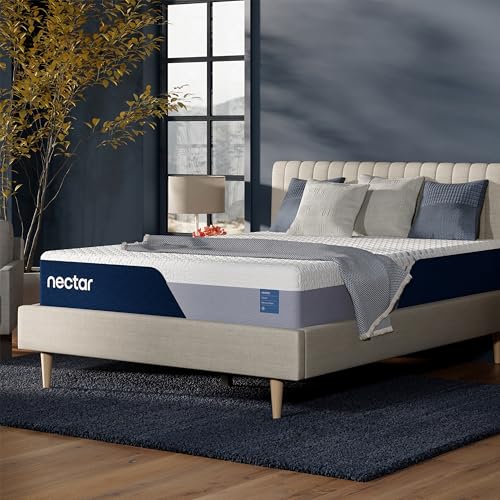
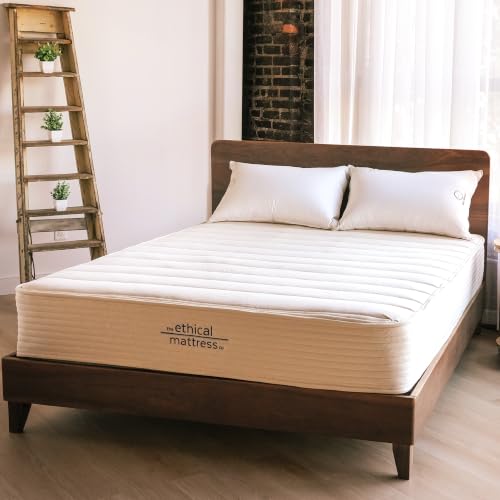
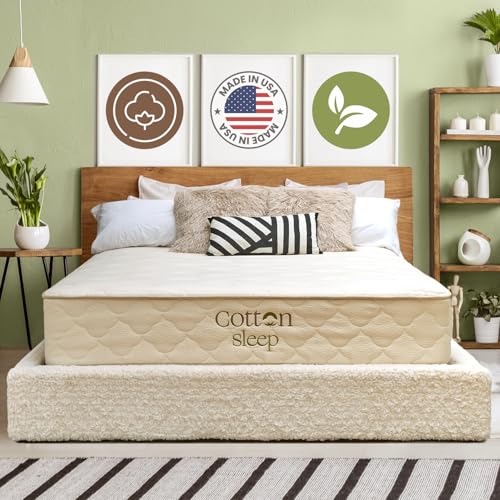
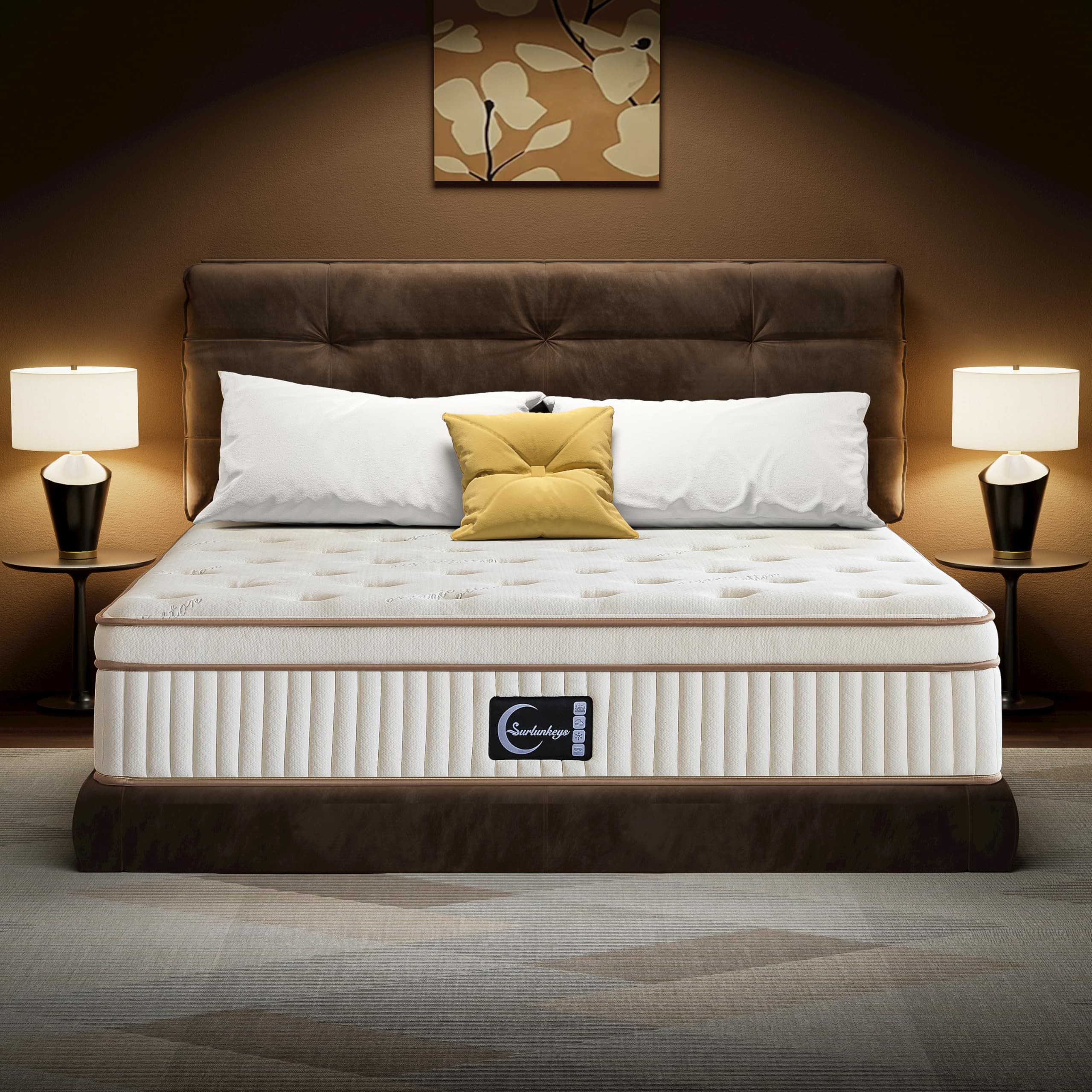
Natural mattresses appeal to sleepers who want fewer synthetic foams and a clearer idea of what they sleep on each night. The best all natural mattresses combine materials like natural latex, wool, and cotton in ways that support the body, breathe well, and last for years. The comparison table below shows the options, and this guide explains how to read labels and choose firmness wisely.
Natural does not automatically mean better for every sleeper. A natural mattress still needs the right firmness for your sleep position and weight, and certifications matter more than marketing words. Focus on materials, construction, and trial terms, and let comfort over several nights settle the choice.



Who Should Buy Natural Mattresses
For Hot Sleepers
Hot sleepers benefit from latex and wool, which breathe better than dense memory foam and wick moisture through the night. A mattress with good airflow and a breathable cover stays cooler than one sealed in synthetic layers. If you regularly wake up warm, prioritise ventilation and a lighter cover over extra plush comfort layers.
For Allergy Sensitive Sleepers
Sleepers with dust mite or chemical sensitivities often prefer natural fibres and washable covers. Wool naturally resists dust mites to a degree, and a removable, washable cover helps keep the sleep surface clean. No mattress eliminates allergies entirely, so pair your choice with regular washing of bedding and good bedroom ventilation.
For Sleepers Who Want Durability
Natural latex is known for holding its shape longer than many synthetic foams, which appeals to buyers tired of sagging mattresses. A well built natural mattress with replaceable or flippable layers can last well beyond a typical foam mattress. Check the warranty terms for sagging, since a long warranty means little if the sag threshold is generous.
Key Features to Compare
Materials: Latex, Wool, and Cotton
Natural latex, from rubber tree sap, offers responsive support that pushes back rather than sinking deeply. Wool acts as a natural temperature regulator and fire barrier, while organic cotton covers feel soft and breathable. Ask what proportion of each material is genuinely natural, since some mattresses blend natural and synthetic fibres while using natural language in marketing.
Firmness and Sleep Position
Side sleepers usually need a softer surface that cushions shoulders and hips, while back and stomach sleepers need firmer support to keep the spine aligned. Heavier sleepers generally need firmer mattresses than lighter sleepers in the same position. If you share a bed with different preferences, a split firmness or adjustable layer design can solve arguments before they start.
Certifications Worth Checking
Certifications help verify claims about materials and emissions. Look for recognised latex, wool, and cotton certifications and for low emission testing, and read what each certification actually covers. A single certified component does not certify the whole mattress, so check whether the claim applies to the latex, the cover, or the finished product.
Heat, Motion, and Edge Support
Latex sleeps cooler than dense memory foam and isolates motion reasonably well, though not as completely as thick foam. Edge support matters if you sit on the bed edge or sleep near it, and stronger edge coils or denser latex borders help. Test edge sitting and partner movement if possible, since showroom impressions still beat specifications for these qualities.
Mistakes to Avoid
Trusting the Word Natural Alone
Natural is a marketing word with no single legal definition for mattresses, so it can hide blends, treatments, and synthetic layers. Read the full materials list and ask the maker what percentage of the mattress is natural latex, wool, or cotton. A transparent maker answers clearly; a vague one is a warning sign.
Choosing Firmness From a Chart Alone
Firmness charts give a starting point, but body weight, sleep position, and personal preference shift the right choice significantly. Use a trial period properly: sleep on the mattress for several weeks, not just a few nights, and notice morning stiffness and pressure points. A mattress that feels perfect for ten minutes in a shop can disappoint after a month.
A Final Check Before You Order
Use the Trial Period Well
Confirm the trial length, return costs, and whether the mattress needs a break in period before a return is allowed. Check the base requirements too, since slat spacing affects support and warranty. The product table above helps you compare, but several weeks of real sleep should make the final decision.
Making the Most of Your Choice
Bedding and Bedroom Habits
A natural mattress performs best with breathable bedding, such as cotton or linen sheets, which preserve the airflow that latex and wool provide. Synthetic waterproof protectors can trap heat, so choose a breathable protector if you need one. Keep the bedroom ventilated and reasonably cool, since room temperature affects sleep quality as much as mattress materials.
Rotating and Caring for Layers
Rotate a natural mattress regularly, following the maker guidance, to even out wear and extend life. Some designs allow layer swapping or flipping, which lets you adjust firmness or replace a worn comfort layer without buying a whole new mattress. Vacuum the surface occasionally and air the mattress when changing bedding, which keeps it fresh and helps you spot stains early.
Realistic Expectations for Natural Materials
Natural latex and wool feel different from memory foam, with more bounce and less deep sinking, and some sleepers need a few weeks to adjust. Judge the mattress after that adjustment period, not after one night, and use the trial terms properly. If back pain or pressure points persist after several weeks, the firmness or support may be wrong, and an exchange beats enduring an expensive mistake.
Before You Buy: A Quick Recap
Protecting Your Mattress Investment
A breathable protector guards against spills and stains without trapping heat, and it preserves warranty coverage, since many warranties exclude stained mattresses. Keep the mattress on a suitable base, rotate it as recommended, and avoid jumping or standing on it, which damages layers unevenly. Simple protection keeps a natural mattress comfortable for many more years.
For a related option, our guide to best natural latex mattresses looks at how that choice compares for everyday use and value.
You may also find our guide to best mattresses for back problems helpful, since it covers a closely related option with different strengths.
If you want to compare a neighbouring option, see our guide to best memory mattresses for practical differences worth knowing.
Frequently Asked Questions
What is a natural latex mattress?
A natural latex mattress uses latex made from rubber tree sap, processed into Dunlop or Talalay foam layers. Dunlop latex tends to feel denser and more supportive, while Talalay feels softer and more uniform. Both offer responsive support that does not sink as deeply as memory foam, and both tend to sleep cooler than dense synthetic foam.
Do natural mattresses sleep cooler?
Natural latex, wool, and cotton generally breathe better than dense synthetic foams, which helps hot sleepers. Wool regulates temperature across seasons, while latex airflow channels move warm air away from the body. A breathable cover and good bedroom ventilation still matter, since no mattress alone controls room temperature. Keep a note of what works and what does not during the first weeks, since that record guides any exchange decision.
Are natural mattresses good for allergies?
Natural fibres and washable covers help allergy sensitive sleepers by reducing dust mite habitat and chemical exposure. Wool has some natural resistance to dust mites, and removable covers allow regular washing. Allergies have many triggers beyond the mattress, so combine your choice with clean bedding habits and bedroom ventilation. Comparing two or three options on these points, rather than on price alone, usually leads to a happier purchase.
How long do natural mattresses last?
Well built natural latex mattresses often last longer than typical synthetic foam mattresses, sometimes well over a decade with proper support. Durability depends on latex quality, layer construction, and body weight. A flippable or replaceable layer design extends life further, since a worn comfort layer can be swapped without replacing the whole mattress.
What should I check before buying a natural mattress?
Check the full materials list, the certifications and what they cover, the firmness for your sleep position, and the trial and return terms. Confirm base and slat requirements, since the wrong base can void a warranty. If a seller cannot explain what is natural about the mattress in plain terms, keep shopping.
Final Thoughts
The best all natural mattresses combine honest materials, the right firmness for your sleep position, and a trial long enough to judge real sleep. Use the product table above to compare construction and certifications, then let several weeks of nights decide. A mattress chosen this way supports better sleep for years, which is the real return on a careful purchase.
Take your time with the final decision, since a careful choice now saves the hassle of returns and replacements later. Compare the options in the product table above once more, check the details that matter most for your routine, and choose the option you will be glad to live with.