
Best Bunk Beds: A Complete Buying Guide
Disclosure: We may earn a commission when you buy through links on this page, at no extra cost to you. As an Amazon Associate we earn from qualifying purchases. Learn more

Two kids sharing one bedroom usually means one thing: not enough floor space. A bunk bed solves that by stacking sleeping areas instead of spreading them out, but the frame you choose matters just as much as the room it goes in. Picking the best bunk beds for your family means looking past style and price to the details that actually affect safety, comfort, and how long the thing survives daily use. This guide walks through guardrail standards, frame materials, layout options, and how to decide between a ladder and a staircase, so you can shop with a clear list of what to check before you buy.

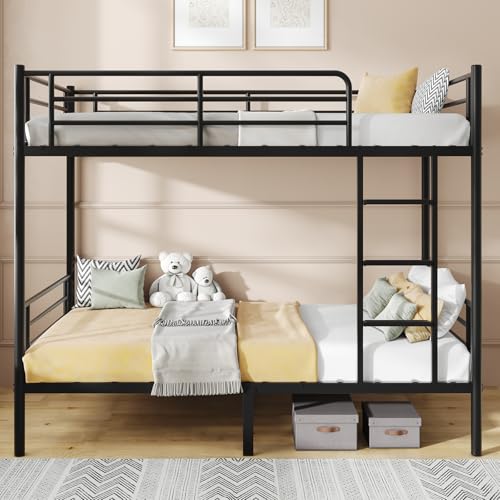
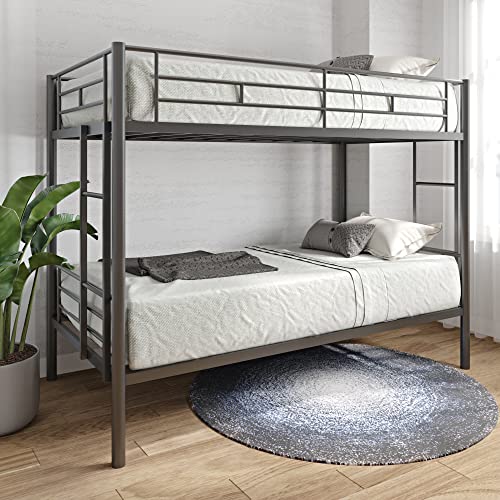
Safety Standards and Guardrails to Check First
Bunk beds carry a fall risk that most other bedroom furniture doesn't, simply because a child sleeps several feet off the ground every night. Every bunk bed sold in the US has to meet federal safety standards set by the Consumer Product Safety Commission, but the quality of how a manufacturer meets those standards still varies a lot between listings. A few minutes checking the guardrails, weight rating, and ladder construction before you buy is worth far more than saving a few dollars on a cheaper frame.
Guardrail Height and Gap Requirements
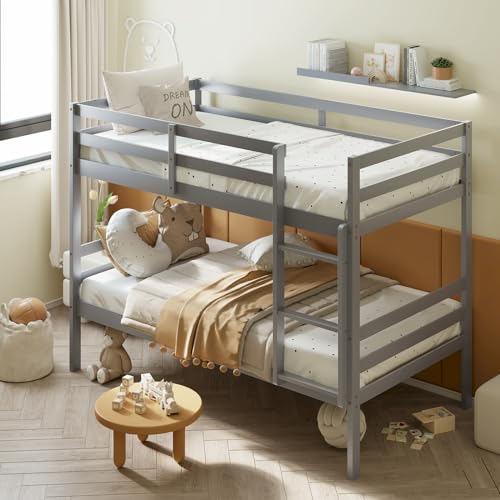
The top bunk needs guardrails running along all sides, not just the wall side, and the rail has to sit at least five inches above the mattress surface. Just as important is the gap between guardrail slats. Openings wider than about three and a half inches can trap a child's head, arm, or leg, so look for tighter spacing rather than a wide, airy-looking rail. If you're shopping online, zoom in on the guardrail photos before you check out.
Age and Weight Guidelines for the Top Bunk
Most safety guidance advises against putting children under six on the top bunk, since younger kids are more likely to roll or misjudge the edge in their sleep. Weight ratings matter too. Kids' bunk beds typically support somewhere between 200 and 400 pounds per level, while frames marketed for adults or older teens can hold considerably more. Check the rating for each level separately, since the bottom bunk usually carries a higher limit than the top.
Ladder Attachment and Fall Prevention
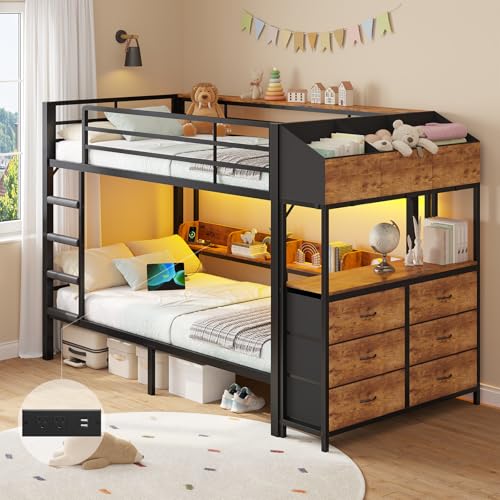
A ladder that shifts or detaches under weight defeats the purpose of every other safety feature on the bed. It should be bolted or hooked securely, whether it's a fixed, built-in piece or a reinforced detachable one. Skip any bed where the ladder simply leans against the frame without a locking mechanism, and keep the rule that only one person climbs at a time, since two kids on a ladder built for one is a common cause of falls.
Wood or Metal: Choosing a Frame Built to Last
Once safety is squared away, the frame material decides how the bed holds up to years of climbing, jumping, and general kid-related wear. There's no universally "better" option here, just trade-offs worth knowing before you commit.
Solid Wood vs Engineered Wood
Solid wood, pine, oak, or beech among the common choices, is the heaviest and most durable option, which also makes it the more stable pick for a top bunk that takes nightly movement. It costs more, and refinishing scratches or dents takes some effort, but a well-built solid wood frame can last through multiple kids and room changes. Engineered wood, usually MDF or a plywood composite, is lighter and more budget-friendly, and it takes a painted or stained finish just as well. The trade-off is durability. It's a reasonable choice for a guest room bunk that sees occasional use, less so for two kids sleeping on it every night for years.
What You Trade for a Metal Frame
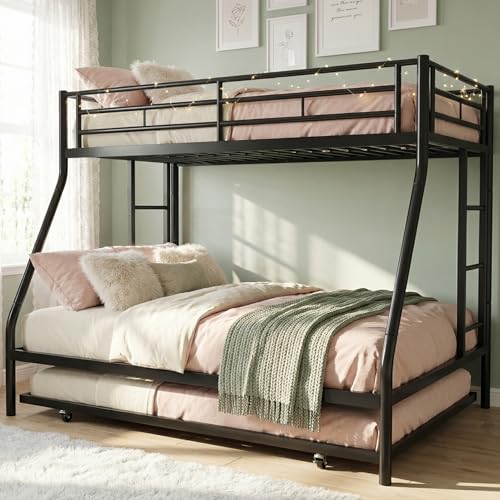
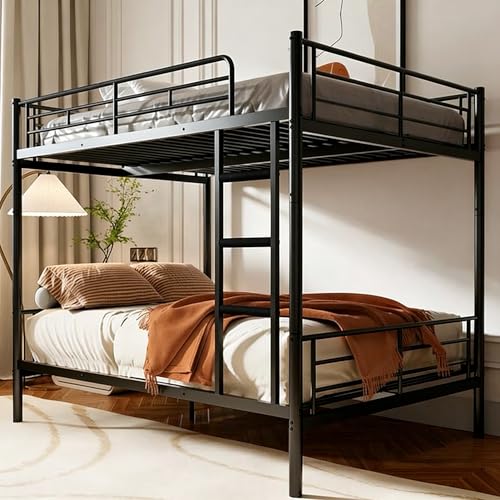
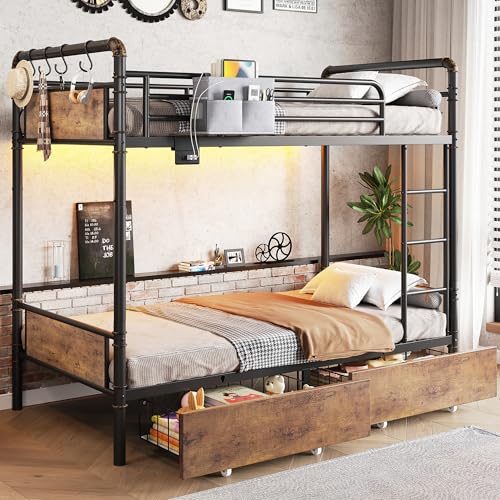
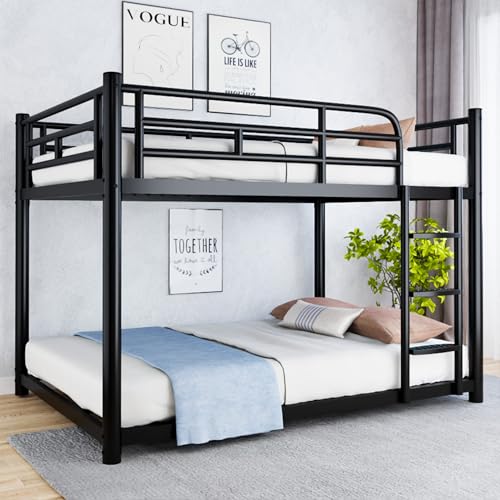
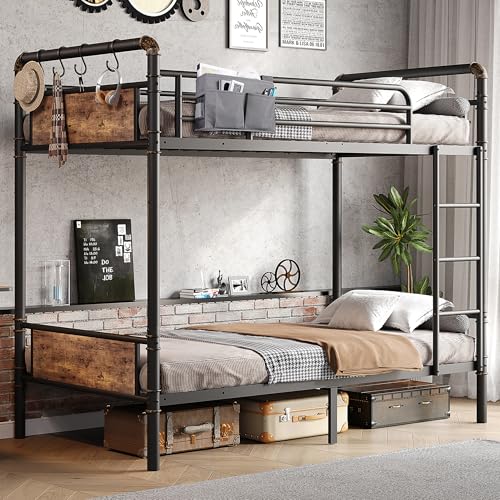
Metal frames tend to cost less, resist pests and humidity better than wood, and need almost no upkeep beyond an occasional wipe-down. They're also lighter, which helps if you'll be moving the bed again down the road. The downside shows up over time: bolts can loosen, joints can develop a wobble, and lower-quality metal frames are prone to squeaks that get louder with use. If a metal frame in your home has already started creaking, tightening the joints and hardware is usually enough to quiet it back down before you consider replacing anything.
Bunk Bed Configurations: Matching the Layout to Your Room
Bunk beds come in a handful of genuinely different layouts, and matching the layout to your room is one of the biggest differences between the best bunk beds and ones that end up feeling cramped or awkward. The right choice depends on room size, ceiling height, and how many kids actually need a spot to sleep.
Twin-Over-Twin for Smaller Shared Rooms
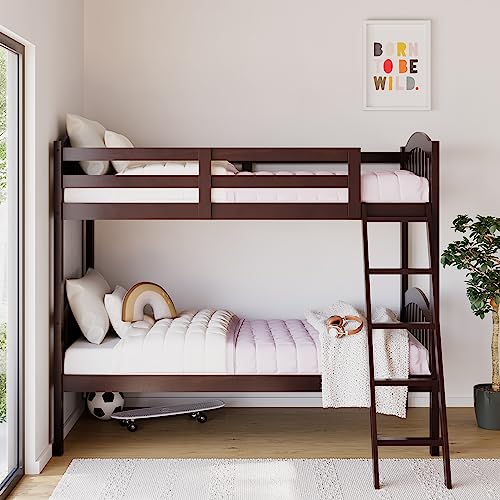
Twin-over-twin is the standard configuration and the best fit for a smaller bedroom, since the footprint matches a single twin bed while sleeping two. Before buying, measure from floor to ceiling. A cramped ceiling makes the top bunk feel closed-in and can make the frame look taller than the room can comfortably handle. Once the frame is settled, the mattress is the next decision, and a twin mattress sized for a growing kid is worth choosing separately rather than defaulting to whatever came bundled with the bed.
Twin-Over-Full and L-Shaped Layouts for More Sleepers
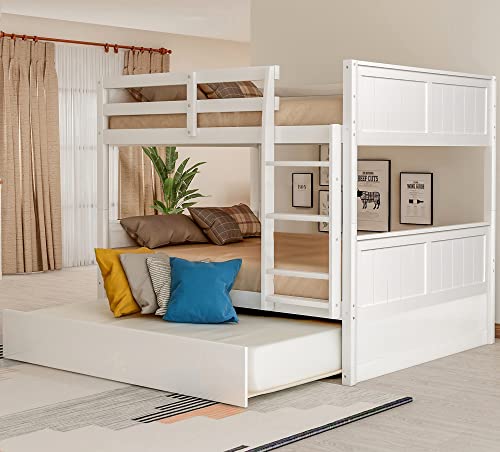
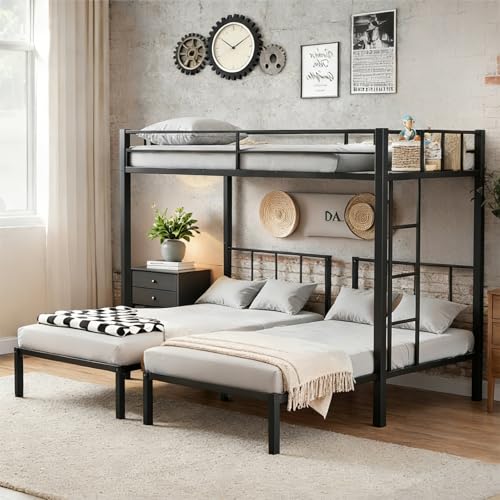
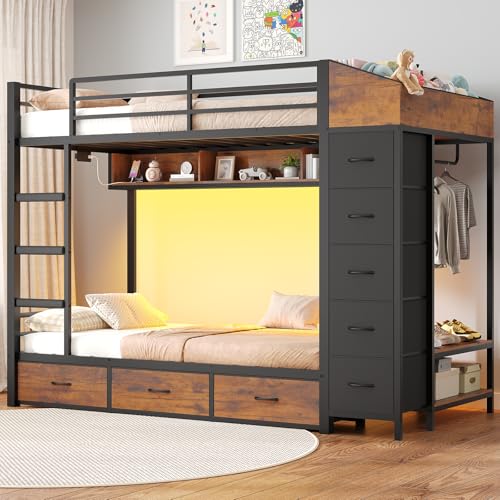
Twin-over-full swaps the bottom bunk for a full-size mattress, which works well when one child is older or the bottom bed doubles as a spot for sleepovers. L-shaped and triple bunk layouts go a step further, combining a twin-over-full or twin-over-twin section with an attached loft bed to sleep three kids in one corner of the room. These take up more floor space overall but use a room's corner more efficiently than three separate beds would.
Loft-Style Beds That Free Up Floor Space
A loft bed is essentially half a bunk bed: just the elevated sleeping level, with the space underneath left open for a desk, dresser, or play area instead of a second mattress. It's worth considering if you only need to sleep one child but still want to reclaim floor space in a small room. For a closer look at sizing and pricing tiers in this category, our guide to loft beds covers it in more depth. Whichever configuration you land on, look at how the mattress fits into the plan. Our separate guide on choosing a mattress for a bunk bed frame covers thickness limits and support needs so the guardrails still do their job once the mattress is in place.
Ladder or Staircase: Picking the Right Access Point
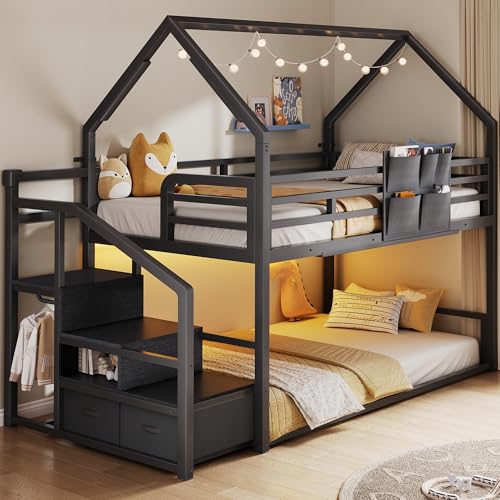
Access matters more than it seems like it should. A ladder has a narrow footprint and works fine in a tight bedroom, but its steep angle and thin rungs can be tricky for younger kids, especially at night. A staircase takes up more floor space along one side of the bed, but the wider, more gradual steps are easier and safer to climb, and many staircase designs double as built-in storage drawers. If your kids are on the younger end of the recommended age range, or if the room has enough space to spare, a staircase is generally the more forgiving choice. For older kids in a smaller room, a well-secured ladder is a practical trade-off.
Frequently Asked Questions
What age is safe for the top bunk?
Most safety guidance recommends children be at least six years old before sleeping on the top bunk. Younger kids are more likely to roll or lose their footing on the ladder, so the bottom bunk is the safer spot until they're older.
Are bunk beds safe for kids?
Yes, when the frame meets current safety standards and is used correctly. That means secure guardrails, a stable ladder or staircase, an appropriate age for the top bunk, and no cords, ropes, or large toys left on the upper level.
Is a ladder or staircase better for a bunk bed?
Staircases are generally easier and safer to climb, thanks to wider steps and a gentler angle, and they often add storage. Ladders take up less floor space, which makes them a better fit for smaller rooms or older kids who are comfortable on them.
How much weight can a bunk bed hold?
Kids' bunk beds typically support 200 to 400 pounds per level, while frames built for adults or teens can hold more. Always check the manufacturer's listed weight rating for each bunk separately rather than assuming one number covers both.
Can bunk beds be separated into two beds?
Many twin-over-twin and twin-over-full frames are designed to split into two standalone beds later, which is worth checking for if you expect to need separate rooms down the road. Not every model supports this, so confirm it before buying if it matters to you.
What size room do you need for a bunk bed?
There's no strict minimum, but ceiling height is the detail people underestimate most. Measure from floor to ceiling and compare it to the bed's total height, leaving enough clearance that a child sitting up on the top bunk isn't hunched under the ceiling.
Making the Right Call for Your Family's Bedroom
There's no single frame that works for every room or every age group, but the shortlist is short: confirm the guardrails and weight rating meet current safety standards, pick a material that matches how hard the bed will actually be used, and choose a configuration and access point that fits both the room and the kids sleeping in it. Narrow the field with those checks, and the best bunk beds for your home become an easy call rather than a guess.