Best Above Ground Pools With Sand Filter in 2026: Buying Guide and Top Options
Disclosure: We may earn a commission when you buy through links on this page, at no extra cost to you. As an Amazon Associate I earn from qualifying purchases. Learn more
A practical guide to the best above ground pool with sand filter: sizes, features, budget ranges, and mistakes to avoid before you buy.
A pool that turns cloudy two weeks into summer usually has a filtration problem, not a water problem. Cartridge filters clog fast under heavy use, and undersized pumps cannot keep up with sunscreen, leaves, and dust. Choosing the best above ground pool with sand filter from the start gives you a pump and tank pairing that cleans a large volume of water with far less weekly fuss, so the pool stays clear instead of demanding constant cartridge rinsing.
This guide compares pool setups by build materials and weather resistance, size and capacity, assembly effort, and how well the included sand filter matches the water volume. If you are still weighing pool styles in general, our guide to the best above ground pool covers the wider category, while the comparison table below sums up the sand filter setups this article focuses on.




Pool Types at a Glance
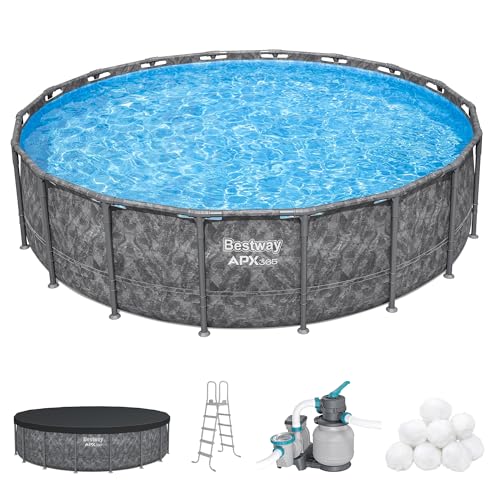
Pools bundled with sand filters fall into three broad groups. Frame pools with fabric liners are the most common, and they balance price, capacity, and storage convenience. Hard sided pools with steel or resin walls stay up all year and suit owners who want a permanent backyard fixture. Inflatable ring pools rarely include a true sand filter, since their small volumes do not need one, so this guide concentrates on the first two groups.
- Frame pool with liner: fast assembly, stores away in winter, widest size range
- Hard sided pool: strongest walls, stays installed year round, higher setup effort
- Saltwater ready frame pool: coated metal parts that tolerate sanitizer systems better
Three Pool Setups Compared
Instead of ranking specific models, this section compares the three setups most buyers choose between. Match the setup to your yard, your swimmer count, and how permanent you want the installation to be.
Compact Frame Setup for Small Yards
A round frame pool of about 12 to 15 feet across is the natural starting point for a modest yard. Water depth is usually around 48 inches, which suits casual cooling off and younger swimmers with supervision. The bundled sand filter on these sets is a small tank, often holding about 25 to 50 pounds of filter sand, paired with a pump sized for the pool volume. Assembly is light work for two adults, and the whole pool can drain, dry, and store in a garage corner once the season ends.
Family Frame Setup for Daily Swimming
Stepping up to about 18 to 24 feet across, or choosing an oval shape, gives several swimmers room to move without constant contact. Walls of about 52 inches deep let taller users submerge properly, and our guide to the best above ground pool for adults explains why that extra depth matters for comfort. These sets carry larger sand tanks and stronger pumps, because the water volume roughly doubles compared with a compact pool. Expect assembly to take most of a day, including careful ground leveling before the frame goes up.
Hard Sided Setup for a Permanent Installation
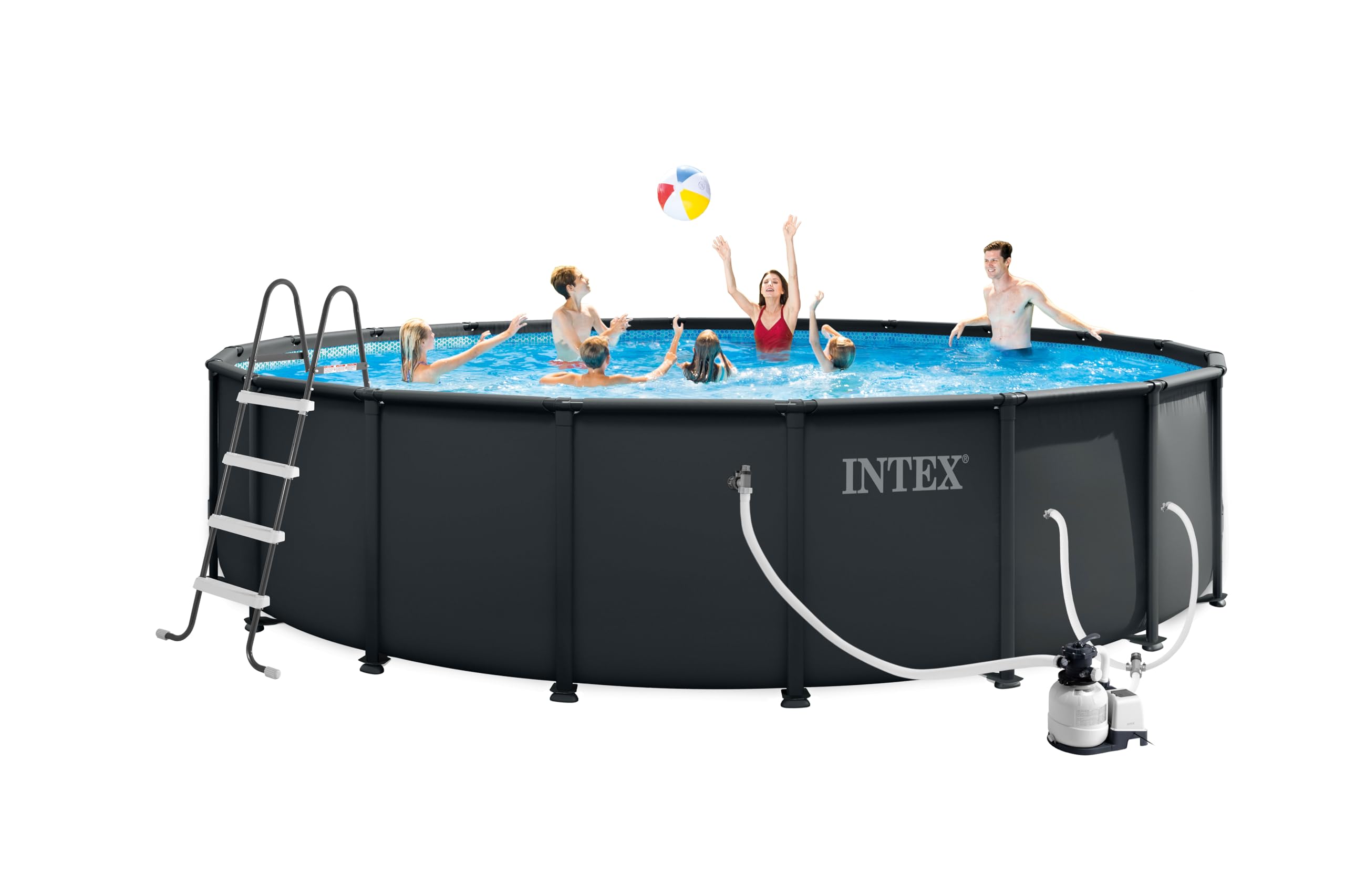
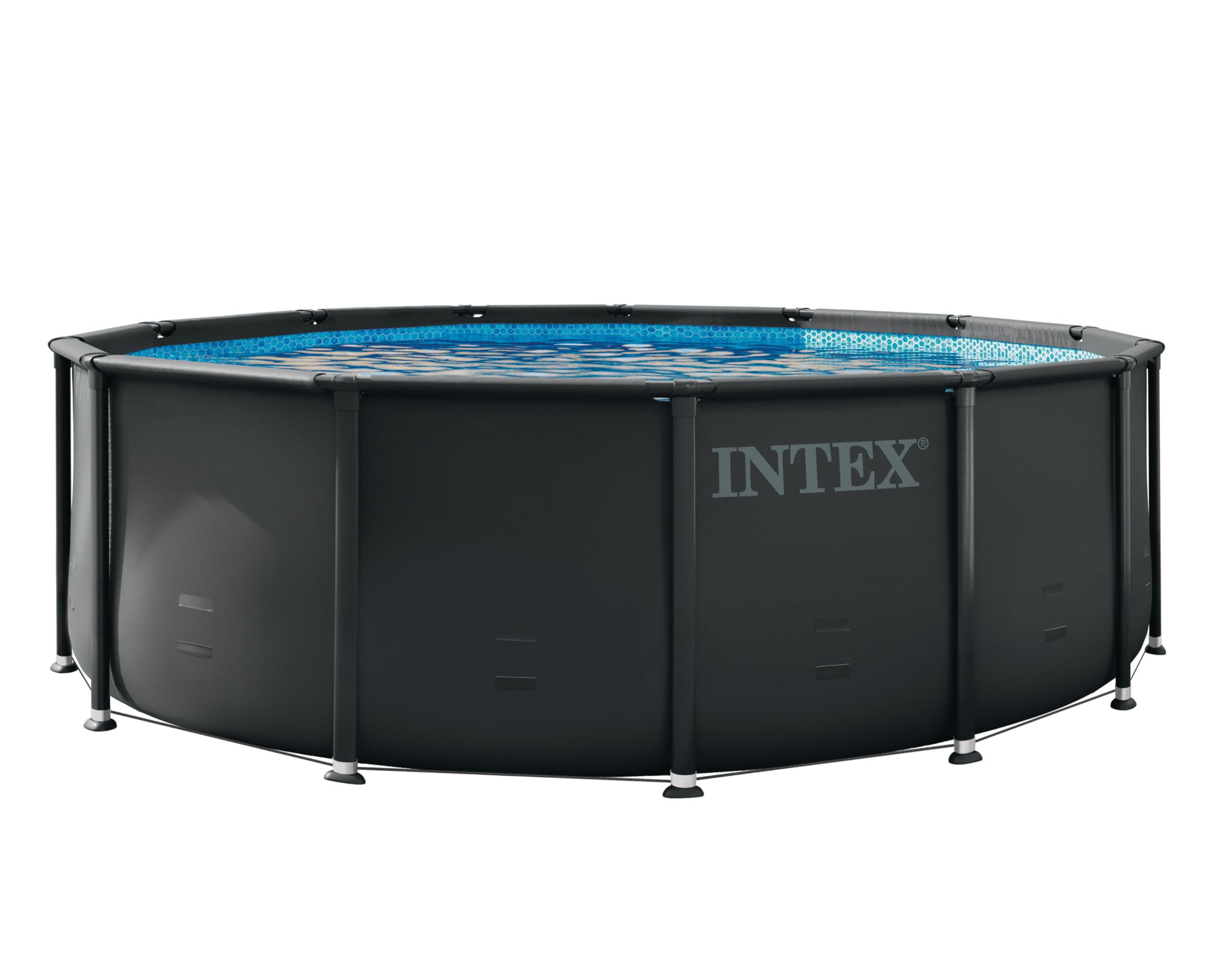
A hard sided pool uses interlocking wall panels of coated steel or resin, joined to uprights and top rails, and it stays assembled through winter. This is the setup to pick when you plan to keep the same pool in the same spot for many seasons. Sand filters bundled at this level are the largest in the category, with tanks that handle high flow rates and long filter runs between backwashes. The trade off is effort, since wall panels are heavy, the ground must be very level, and mistakes during setup are harder to undo.
How the Options Are Compared
We compared setups using five criteria drawn from manufacturer specifications and verified buyer feedback: build materials and weather resistance, size and capacity, assembly demands, durability of the frame and liner, and warranty coverage. Filter performance mattered most, so we checked that each pump and tank pairing could turn over the full pool volume at a sensible rate.
How to Choose the Right Above Ground Pool
The right choice depends on four things you can settle before ordering: your measured space, your swimmer count, your local weather, and the filter capacity your water volume demands.
Size and Form Factor
Round pools of about 12, 15, 18, and 24 feet are the easiest to install and the gentlest on liners, because water pressure spreads evenly. Oval pools add swimming length without adding width, which helps in narrow yards. Rectangular pools use corners of a yard most efficiently and feel roomiest for games and laps, and our comparison of the best rectangular above ground pool shapes covers that layout in depth. Depth matters too, with most family pools offering about 48 to 52 inches of wall height.
Pool Type and Wall Construction
Metal frame pools support a thick fabric liner with powder coated steel tubes, and they dominate the mid price range. Resin frames swap steel for rigid plastic parts that cannot rust, a real advantage near coasts. Easy set pools with inflatable top rings are the cheapest route in, but they seldom pair with sand filters and their walls are less stable. Hard sided pools, described above, trade portability for strength. Pick based on whether the pool must come down each autumn or stay in place.
Features Worth Paying For
A ladder with a locking or removable step section is worth the money for household safety, and a fitted cover keeps debris out between swims. A ground cloth protects the liner from stones and roots, while a surface skimmer pulls leaves into the filter stream before they sink. Shut off valves on the hoses make filter service far easier. Skip novelty extras such as decorative lighting or floating accessories bundled at a markup, since you can add those later for less.
Weather Resistant Materials
Sun degrades liners over time, so look for liner material described as resistant to ultraviolet light and punctures. Steel parts should carry a powder coat or galvanized finish, because bare metal rusts quickly where pool water splashes daily. Resin uprights and top rails shrug off both rust and sun, though they can feel less rigid than steel. In regions with hard winters, confirm the liner and wall can stay filled and winterized in place, or plan on full storage indoors.
Size for Your Space
Measure the flat area you actually have, then add about 2 to 3 feet of working room on every side for assembly and filter access. The ground must be level within about an inch across the whole footprint, because a sloping pool strains one wall and can lean visibly. Keep the filter and pump within hose reach of an outdoor outlet, and never run the pump on an extension cord. Compact lots benefit from round shapes, as our look at the best small above ground pool options shows.
Assembly and Anchoring
Most frame pools assemble with two adults, basic hand tools, and a free afternoon, while hard sided walls call for more hands and more patience. Site preparation takes longest: remove sod, level the soil, and add a sand pad or foam base under the liner. On windy sites, fill the pool promptly after assembly so its weight anchors it, and follow the maker guidance on staking or securing the frame. Our walkthrough of how to assemble an above ground pool covers the full sequence step by step.
Care and Off Season Storage
Sand filter care centers on backwashing, which reverses flow through the tank and flushes trapped debris to waste. Watch the pressure gauge and backwash when the reading climbs about 8 to 10 psi above the clean starting pressure. Filter sand itself lasts several seasons before it needs replacing. At season end, frame pools can drain and store dry indoors, while hard sided pools stay up and need proper closing, a process detailed in our guide to how to winterize an above ground pool.
How Much Should You Spend?
Pool sets that bundle a sand filter pump are usually larger frame pools, so expect prices to start at roughly $650 and climb past $1,500 for big rectangular sets with deluxe frames. Smaller pools under about $500 normally ship with cartridge filters, and adding a sand filter pump to a pool you already own costs about $150 to $350 on its own. Spend first on a tank and pump matched to the water volume, then on frame strength. Across all tiers, reserve some budget for test supplies, a cover, and replacement filter sand.
Do You Really Need an Above Ground Pool With Sand Filter?
It depends on how you weigh cleaning effort against filtering fineness. A cartridge filter actually traps finer particles than sand, so a small pool used lightly can stay clear with cartridges alone. Sand wins on capacity and upkeep: backwashing cleans the media in minutes, the sand lasts for years, and the tank handles heavy debris loads and green water cleanup far better than a pleated cartridge that clogs within hours during an algae bloom.
Shoppers who settle on the best above ground pool with sand filter usually swim often, host groups, or own a pool large enough that cartridge changes would become a weekly expense. If your pool holds only a few thousand gallons and sees weekend use, a cartridge setup is simpler and cheaper to run. Once volume climbs and swimmer load rises, sand filtration stops being an upgrade and becomes the practical default.
FAQ
What is the best above ground pool with sand filter?
The best choice is the setup whose pump and tank are honestly matched to its water volume, with a frame and liner suited to your climate. As a quick check, look at how much filter sand the tank holds, since capacity tracks closely with cleaning power. A mid size frame pool with a generous tank will outperform a larger pool sold with a minimal filter, every time.
Is an above ground pool with sand filter worth it?
For most regular swimmers, yes, mainly because the running costs shift in your favor. Filter sand costs little and lasts for years, while replacement cartridges for a busy pool add up season after season. You also save the time spent hosing pleats clean each week. The one cost to plan for is water lost to backwashing, which means topping up the pool after each cleaning cycle.
How long does an above ground pool with a sand filter last?
The parts age at different rates. A fabric liner on a frame pool often serves about 6 to 9 seasons before sun and chemicals thin it out, while the steel frame can last longer if rust spots get touched up promptly. Hard sided walls commonly outlast several liners. The pump is usually the first mechanical part to need replacement, and keeping it shaded and dry between seasons extends its working life.
How do you clean an above ground pool with a sand filter?
Start at the surface: skim leaves daily when trees are shedding, and brush the walls and floor weekly to push settled dirt toward the filter intake. Test the water about twice a week and adjust sanitizer and pH before small imbalances turn into cloudiness. After a pool party or a storm, run the pump for a longer cycle that same evening, because bather load and windblown debris peak together.
What size sand filter does an above ground pool need?
A useful rule is that the pump and filter together should circulate the full pool volume in about 8 hours of running. Divide your pool gallons by eight to get the hourly flow you need, then choose a tank rated at or above that flow. Oversizing the tank slightly is safe and stretches the time between backwashes, while oversizing the pump alone can force water through the sand too fast and reduce cleaning quality.
Final Thoughts
Clear water all summer comes down to matching filter capacity to pool volume, then choosing the frame and wall type that fits your yard and climate. Compact frame setups suit small lots, family frame pools reward daily swimmers, and hard sided pools serve owners who want a permanent fixture. Use the product table above to compare the best above ground pool with sand filter setups side by side, confirm your measured space one last time, and order early enough to level the ground before the first hot weekend arrives.