Best Above Ground Pool Hoses Made Simple: A Clear Buying Guide for 2026
Disclosure: We may earn a commission when you buy through links on this page, at no extra cost to you. As an Amazon Associate I earn from qualifying purchases. Learn more

Shopping for the best above ground pool hoses for the first time? Learn the terms, compare options, and avoid rookie mistakes with this easy guide.
Buying a pool hose sounds simple until you face sizes, cuffs and coils that all look alike. The best above ground pool hoses are simply the ones that match your pool ports, reach without strain and suit the job you need them to do. This guide starts with the basics, and the comparison table below gathers the main options in one place.
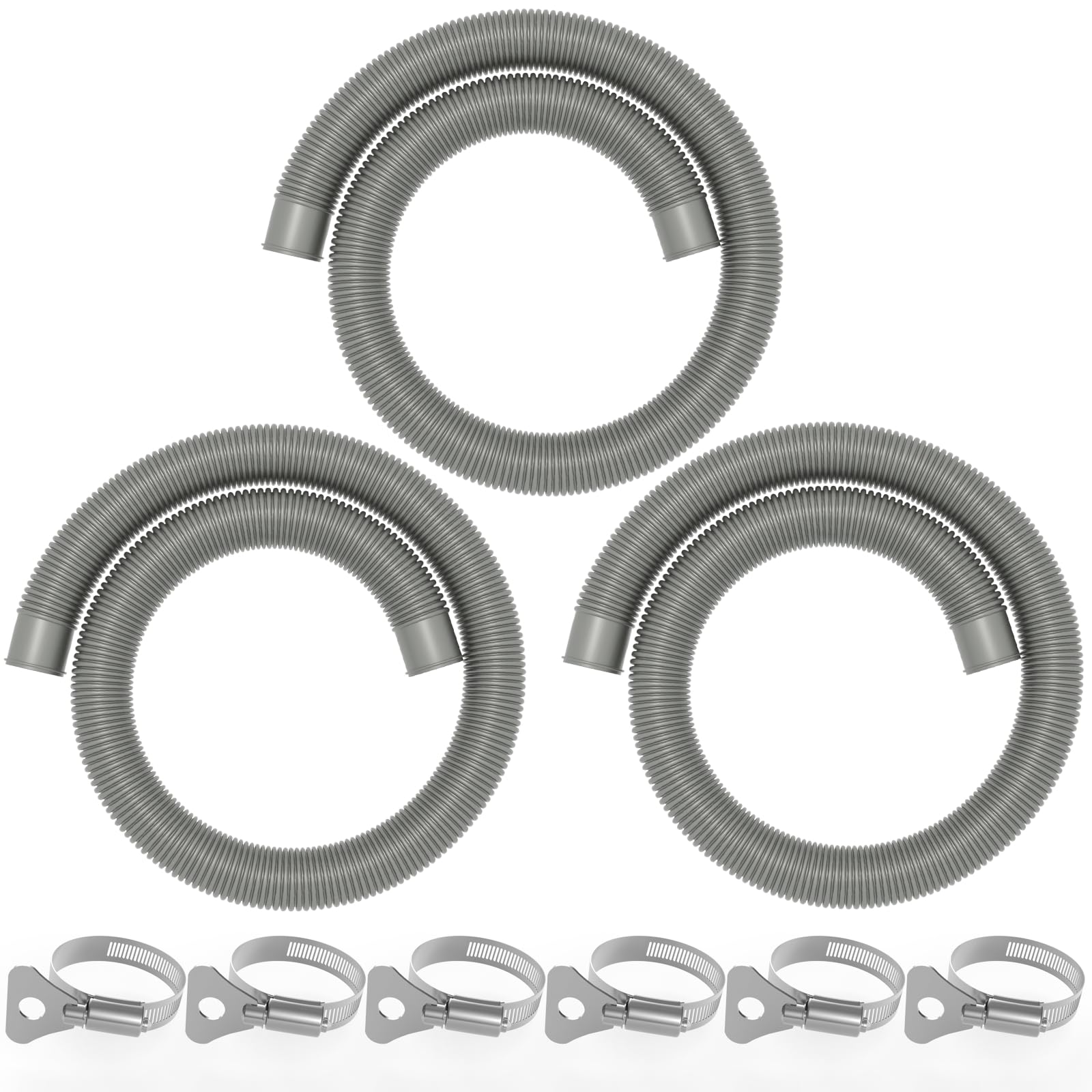
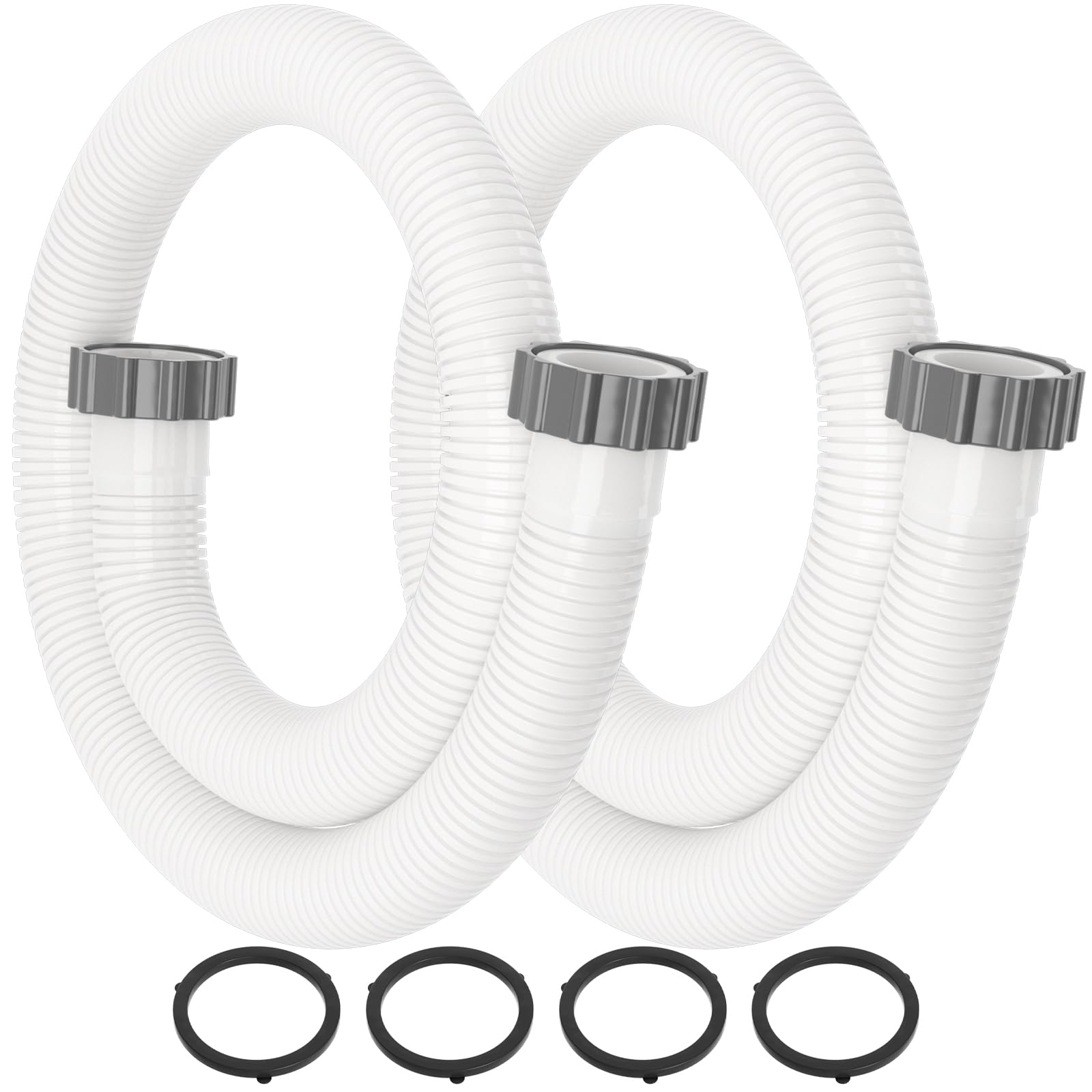
An above ground pool uses hoses for separate jobs, and the types are not interchangeable. Short thick hoses carry water between the pool, pump and filter. A long vacuum hose feeds debris to the skimmer. A flat backwash hose carries dirty water away from the filter. Once you know which job you are filling, size choices become easier.




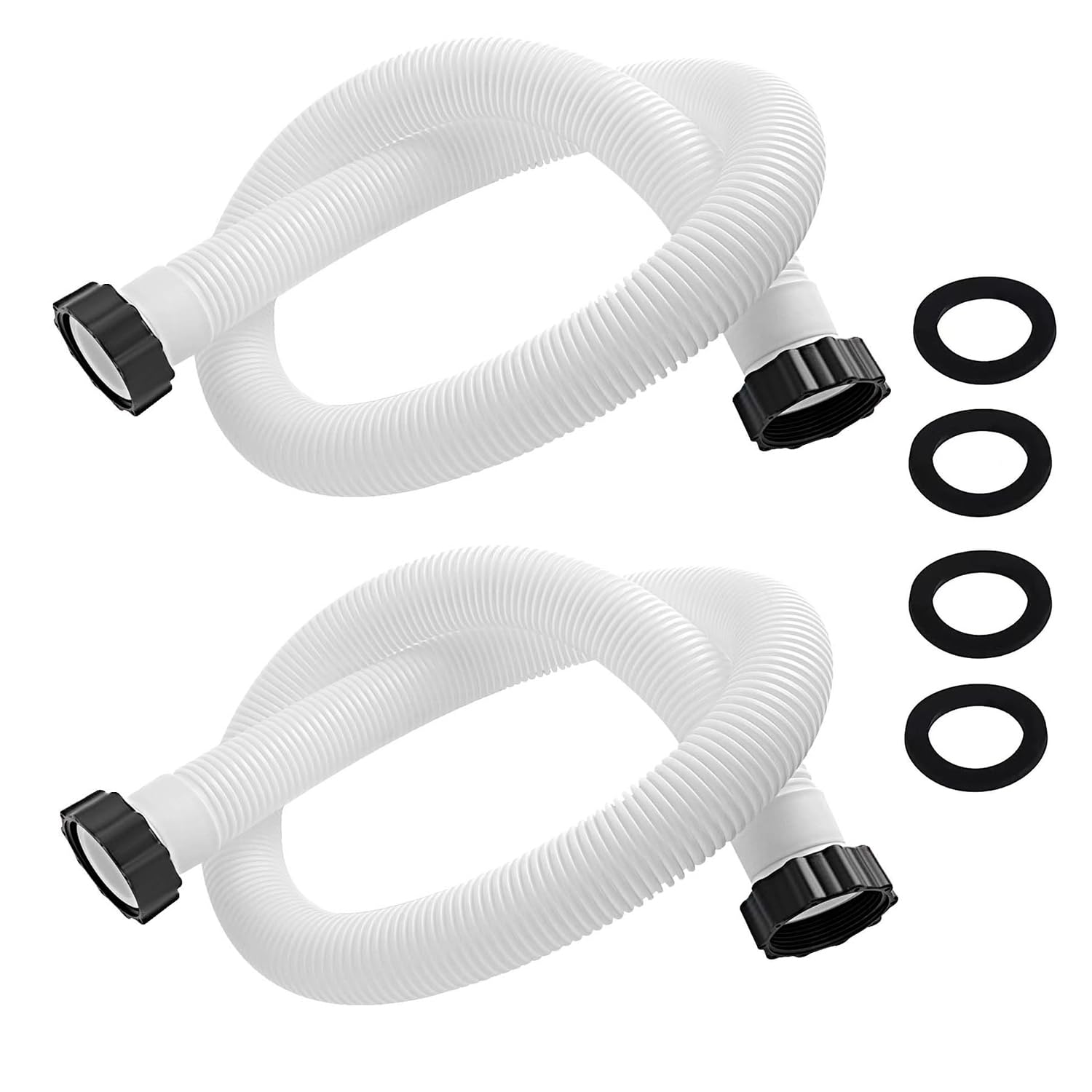

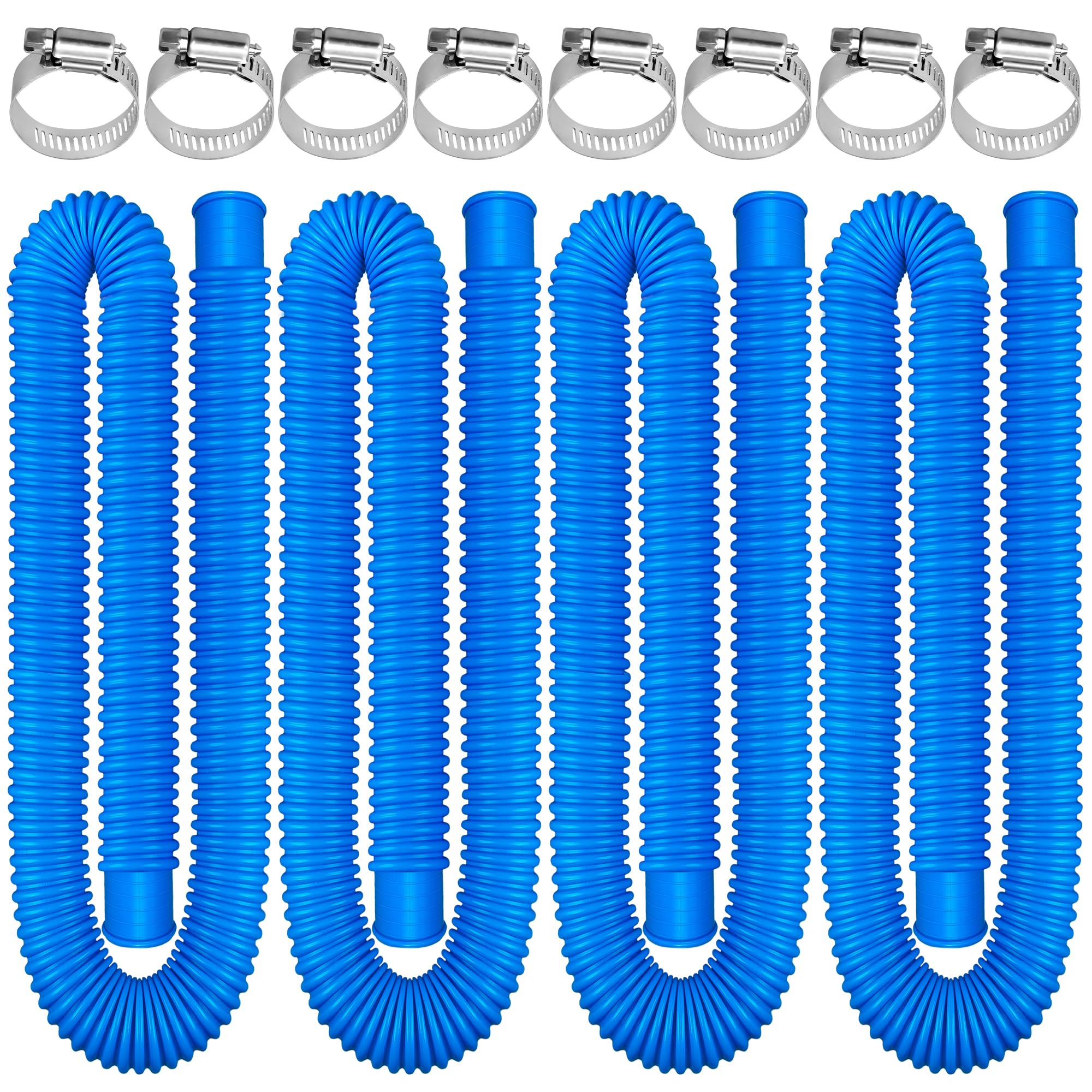
Above Ground Pool Hose Basics for New Owners
Each hose moves water, but each works under different conditions. Connection hoses work under pressure from the pump, so their walls must hold a seal while water pushes outward. A vacuum hose works under suction, so it must stay open and airtight while water is pulled inward. That is why the best above ground pool hoses for one job can fail in another, even when the diameter looks right.
Who Should Buy Which Type of Pool Hose?
Start with the task in front of you, then narrow the type before you compare sizes.
Owners Replacing a Pump and Filter Connection Hose
You need a short hose that matches the ports on your skimmer, pump and filter, usually in the 1.25 inch or 1.5 inch size. Look for a sturdy wall and clamps that tighten evenly. For related fittings, see our guide to the best above ground pool filter hoses and our guide to the best above ground pool pumps.
Owners Who Vacuum Their Pool by Hand
You need a flexible vacuum hose long enough to reach the far wall from your skimmer, with a swivel cuff at one end. The swivel end goes on the vacuum head and turns with it, which limits twisting as you work. To pair the hose with the right cleaning gear, see our guide to the best pool vacuums for above ground pools.
Owners Who Need to Drain or Backwash Water Away
You need a flat discharge hose, often called a backwash hose, that rolls out toward a safe drainage spot and rolls up flat for storage. Choose length by the distance to that spot, not by pool size alone. Check local rules on where chlorinated water may drain. Our guide to the best rated above ground pool cleaners covers automatic options if you would rather skip manual cleaning.
Key Features to Compare
Compare these six factors in order, because the first two decide whether a hose fits at all.
Diameter and Fitting Style Decide Compatibility
Most above ground pools use hoses of 1.25 inches or 1.5 inches in inside diameter, and the two sizes do not seal on the same ports. Measure the inside of the old hose or the outside of its port before you shop. Some pools use smooth ports that take a clamp, while others use threaded collars. Match size and fitting style, because a forced fit will leak or crack.
Length and Routing for Your Pool Layout
Measure the real path the hose will follow, then allow a little slack for service access. Connection hoses are often only a few feet long, while vacuum hoses commonly run about 18 to 36 feet and backwash hoses about 25 to 100 feet. A vacuum hose should reach the farthest corner with a few feet to spare. Extra length adds coils that trap air.
Material and Wall Build
Most pool hoses use flexible PVC or polyethylene, formed into a spiral ribbed wall that bends without closing off the flow. Vacuum hoses add a smooth inner wall so debris moves through without catching. Thicker walls resist crushing under a ladder. Thin walls feel light, but they split sooner at the cuffs, where bending stress is highest. An opaque wall also blocks light that encourages algae inside.
Cuffs, Clamps and Adapters
The ends fail more often than the middle, so inspect how a hose finishes. Molded cuffs give clamps a firm surface to grip, and a swivel cuff keeps a vacuum hose from winding up as you move. Stainless steel clamps resist rust better than plain steel. Adapters can join an odd size port to a standard hose, but each one adds a leak risk. Choose a hose that fits directly when you can.
Flexibility, Kink Resistance and Air Leaks
A good hose bends in a wide arc instead of folding flat at one point. A fold on a connection hose restricts flow, and a fold or pinhole on a vacuum hose lets in air that breaks suction. Picture the tightest turn in your setup, such as the bend from skimmer to pump, and pick a hose that can make it without strain.
Sun, Chlorine and Cold Resistance
Pool hoses live outdoors in sun and chlorinated water, and both age the material. Look for UV resistant plastic if your pad sits in full sun, because faded and chalky walls turn brittle. Cold is the other limit. Water left inside can freeze and split the wall, so draining a hose before freezing weather is part of durability.
Connecting a New Hose and Priming the Pump
Work with the pump off and unplugged while you change any hose. Fit each end fully onto its port, set the clamp over the cuff rather than the ribbed wall, and tighten until snug. Turn threaded collars by hand until the gasket seats.
- Match the new hose to the old one by diameter and fitting style first.
- Push or screw each end fully home and secure it.
- For a vacuum hose, hold the head under water and feed the hose down hand over hand so it fills and pushes the air out.
- Connect the filled vacuum hose to the skimmer or port, then switch the pump on.
- Watch every joint for a few minutes and reseat any end that drips.
Filling the vacuum hose first is the step new owners skip most often. Air rises into the pump, the pump loses prime and suction drops to almost nothing. A slow feed under water takes a minute and prevents that.
Rookie Mistakes to Avoid
- Using a vacuum hose on the pressure side of the filter bursts its light wall and floods the pad.
- Buying by outside diameter instead of inside diameter leaves a hose that slides off or will not fit.
- Forcing a threaded collar on at an angle damages the threads and creates a leak no clamp can fix.
- Leaving a backwash hose in the sun all season makes the flat vinyl stiff and prone to pinholes.
- Storing a hose with water inside before a freeze splits the wall along its weakest seam.
Care and Maintenance for Pool Hoses
Rinse grit off cuffs before you refit them, because trapped grit cuts into the sealing surface and starts slow drips. Run your hand along the wall every few weeks and feel for soft spots, cracks or a chalky surface. Small drips at a clamp often stop with a reseat, while a split wall means replacement.
Store hoses in large loose loops in shade, away from sharp deck edges. Drain every hose before freezing weather and bring vacuum and backwash hoses under cover for winter. Connection hoses can stay in place once drained, but follow your pump manual for winter steps.
Frequently Asked Questions
How long should an above ground pool hose last?
An above ground pool hose often lasts about two to four seasons, depending on sun and storage. Connection hoses in full sun age fastest, while a vacuum hose stored indoors can last longer. Retire a hose when you see cracks at the cuffs or feel the wall stay flattened after you release it. Replacing one tired hose is cheaper than running a strained pump.
Can a vacuum hose replace a pump to filter hose on an above ground pool?
No, a vacuum hose should not replace a pump to filter hose, because the two are built for opposite forces. A vacuum hose resists collapsing inward under suction, not pressure pushing outward. On the pressure side it can balloon, slip off or split. In an emergency a short length may move water at low pressure, but fit the correct hose before regular use.
What hose size do most above ground pools use for pump connections?
Most above ground pools use 1.25 inch or 1.5 inch hoses for pump connections, with 1.5 inch common on larger pumps. The surest check is the port itself, since soft sided and hard wall pools sometimes ship with different fittings in the same size class. If your ports measure between the two standards, you likely have a brand specific threaded fitting, and the matching collar hose is the right buy.
How do you stop an above ground pool hose from leaking at a fitting?
Most fitting leaks stop when you switch the pump off, slide the hose fully onto the port and retighten the clamp over the smooth cuff. If a drip remains, check the cuff for a crack and the port for a rough molding line. Plumber tape suits threaded joints only, not clamp joints. Persistent leaks usually mean the cuff has hardened.
Can you cut a vacuum hose for an above ground pool to a shorter length?
Yes, you can shorten many vacuum hoses, but only where a cuff can be refitted securely. Some cuffs unscrew from the spiral wall and screw back onto a freshly cut end. Glued cuffs rarely reseal well once cut off. Before cutting, test the hose at full length for one cleaning, because many owners find the spare coils were the real problem.
The Bottom Line
For a first purchase, settle three things in order: the job the hose must do, the inside diameter and fitting style your ports need, and a length that reaches with modest slack. Material and cuff design then decide how long it survives. Use the product table above to compare sizes against your ports.
With those checks done, choosing the best above ground pool hoses for your pool becomes a short task. Buy the hose that fits directly, keep it drained and shaded, and it will move water quietly all season.